The way of energy
 81
81

The way of energy
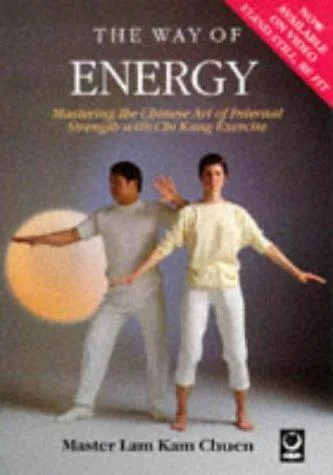
Kam Chuen Lam’s The Way of Energy doesn't shy away from its ambitious scope, aiming to demystify the potent forces that animate living beings. The book’s strength lies in its methodical presentation of complex ideas, breaking down concepts of qi cultivation into digestible, actionable steps. Lam’s insistence on energetic integrity as a foundational principle provides a coherent framework absent in many popular New Age texts. However, the sheer density of instruction, particularly in later chapters, can feel overwhelming without direct guidance. A passage detailing the subtle shifts in perception during energy circulation offers a compelling glimpse into the book's potential, but the lack of illustrative diagrams for some of the more intricate practices is a notable limitation.
Ultimately, The Way of Energy offers a rigorous, if demanding, pathway for dedicated students of inner cultivation.
📝 Description
81
Published in 1997, The Way of Energy offers practical methods for energy awareness and manipulation.
This book presents a systematic method for understanding and cultivating life force, referred to as 'qi' or 'prana'. It moves beyond theory to provide practical techniques for sensing and directing this energy. The text guides readers from basic principles to more advanced practices. It is intended for individuals committed to self-exploration and developing their inner energetic abilities. The book suits practitioners of somatic disciplines, martial arts, or meditation who want a deeper understanding of the energetic aspects of consciousness and physical health. It requires patience and consistent practice.
Lam's approach sought a generalized, cross-cultural framework for energy dynamics, drawing on Taoist and yogic concepts. The work focuses on 'energetic integrity', detailing methods for sensing, directing, and reinforcing vital force. It emphasizes the connection between mind, body, and spirit. Specific techniques are included for grounding, centering, and clearing energetic blockages, aiming for a balanced and strong energetic field.
The Way of Energy emerged during a time of growing Western interest in Eastern energetic arts. Lam's work contributes to this by offering a generalized framework for understanding universal energy dynamics. It connects concepts from Taoist and yogic traditions, focusing on the practical cultivation and integrity of vital force. The book addresses the interconnectedness of mind, body, and spirit through specific techniques aimed at balance and energetic health.
💡 Why Read This Book?
• Gain a structured understanding of vital energy principles, moving beyond vague notions to actionable techniques for cultivating your own qi, as detailed in the early chapters on energy sensing. • Learn specific methods for enhancing energetic integrity, a core concept Lam uses to describe personal vitality, enabling you to identify and address energetic imbalances. • Explore the foundational movements and breathing patterns essential for energy work, referencing the practical exercises presented for grounding and centering oneself.
⭐ Reader Reviews
Honest opinions from readers who have explored this book.
❓ Frequently Asked Questions
What is the primary focus of 'The Way of Energy' by Kam Chuen Lam?
The book focuses on the systematic understanding and cultivation of vital life force, often referred to as 'qi' or 'prana', presenting practical methods for energy awareness and manipulation.
When was 'The Way of Energy' first published?
The Way of Energy was first published in 1997, a period marked by growing Western interest in Eastern energetic practices.
Is 'The Way of Energy' suitable for beginners?
While it offers foundational principles, the book is best suited for individuals seriously committed to self-exploration and practice, requiring patience and dedication.
What esoteric traditions does 'The Way of Energy' draw from?
It draws from Taoist and yogic concepts of vital energy, aiming for a generalized framework applicable across different energetic arts.
What is 'energetic integrity' as discussed in the book?
Energetic integrity refers to the state of an individual's vital force or life energy, emphasizing balance and robustness within the mind-body-spirit system.
Does the book offer practical exercises?
Yes, it provides practical methods for sensing, directing, and reinforcing energy, including techniques for grounding, centering, and clearing blockages.
🔮 Key Themes & Symbolism
Energetic Integrity
The central concept of 'energetic integrity' posits that an individual's vital force, or qi, forms the basis of physical health, mental clarity, and spiritual vitality. Lam meticulously details how external influences and internal states can compromise this integrity, leading to imbalance. The book provides systematic exercises aimed at restoring and fortifying this core energetic field, moving beyond mere symptom treatment to addressing the root energetic cause of disequilibrium. This focus offers a practical framework for understanding personal well-being from a vitalistic perspective.
Energy Cultivation Techniques
Beyond theory, The Way of Energy offers a practical curriculum for developing one's energetic capacities. It outlines specific methods for sensing subtle energy flows, directing qi through intention and movement, and amplifying the body's natural energetic resonance. These techniques are presented progressively, encouraging diligent practice to build internal power and resilience. The emphasis is on conscious interaction with one's own energy field, fostering a deeper connection between mind and body for holistic self-mastery.
Mind-Body-Spirit Interconnection
Lam consistently underscores the inseparability of the physical, mental, and spiritual dimensions through the lens of energy. The book illustrates how thoughts, emotions, and physical postures directly influence the flow and quality of vital force. Conversely, cultivating a strong energetic field is shown to positively impact mental states and spiritual awareness. This holistic view posits that true well-being arises from harmonizing these interconnected aspects, with energy acting as the dynamic bridge between them.
Universal Energy Dynamics
While drawing on specific traditions like Taoism and Yoga, the work aims to articulate universal principles governing life energy. It suggests that the fundamental mechanics of qi cultivation are not exclusive to any single culture but represent inherent properties of conscious existence. By abstracting these core dynamics, Lam provides a foundational understanding that can inform and enrich practices across a wide spectrum of esoteric and somatic disciplines, highlighting commonalities in human energetic experience.
💬 Memorable Quotes
Direct passages from the work, attributed to the author.
“The foundation of all practice is the ability to sense your own energy.”
— This highlights the primacy of self-awareness in energy work. Before one can manipulate or cultivate energy, a fundamental capacity to perceive its presence and subtle movements within oneself must be developed through focused attention and practice.
“Energetic integrity is the baseline of well-being.”
— This phrase expresses Lam's core thesis: a balanced and robust vital force is the essential prerequisite for health across physical, mental, and spiritual dimensions, suggesting that addressing energetic imbalances is key to holistic wellness.
“Direction of energy follows the direction of attention.”
— This points to the crucial role of consciousness and intention in energy cultivation. Where the mind focuses, the vital force naturally tends to flow, implying that focused awareness is a primary tool for directing and shaping one's energy.
“Blockages in energy flow manifest as physical or mental disharmony.”
— This statement connects the abstract concept of energy flow to tangible experiences of discomfort or illness. It suggests that disruptions in the vital force are not merely theoretical but have direct, observable consequences on an individual's state of being.
“Cultivating energy is a lifelong path of refinement.”
— This emphasizes the continuous and developmental nature of energy work. It's presented not as a quick fix, but as a sustained practice of self-cultivation that deepens over time, requiring dedication and ongoing attention to one's inner state.
🌙 Esoteric Significance
Tradition
The Way of Energy is rooted in the Taoist tradition, particularly its emphasis on cultivating 'qi' (vital energy) and the principles of internal alchemy. It also draws significantly from Yogic concepts of 'prana' and energetic channels (nadis). Lam synthesizes these traditions, aiming to present a universal science of energy applicable beyond specific cultural or religious contexts. The work departs from purely traditional interpretations by structuring these concepts into a systematic, almost pedagogical framework designed for modern practitioners seeking tangible results in self-cultivation.
Symbolism
Key symbols implicitly explored include the concept of the 'energetic field' itself, representing the totality of an individual's vital force. The idea of 'blockages' functions symbolically, representing obstacles to spiritual and physical health, akin to stagnant water in a river. The directed flow of energy, often visualized as currents or streams, symbolizes vitality, health, and spiritual progress when unimpeded, and stagnation or decay when obstructed.
Modern Relevance
Contemporary practitioners of somatic therapies, integrative medicine, and mindfulness-based stress reduction can find value in Lam's systematic approach to energy cultivation. Thinkers and practitioners in fields exploring consciousness studies and bioenergetics may also draw upon the book's foundational concepts. The emphasis on energetic integrity as a core principle of well-being appeals to modern holistic health movements seeking to understand the mind-body connection beyond conventional biomedical paradigms.
👥 Who Should Read This Book
• Practitioners of martial arts and somatic disciplines (e.g., Tai Chi, Aikido, Yoga) seeking a deeper theoretical and practical understanding of the energetic principles underpinning their practice. • Individuals interested in Eastern philosophies and vitalistic approaches to health who want to move beyond introductory concepts to systematic energy cultivation methods. • Serious students of esoteric sciences and self-development looking for a structured, methodical guide to enhancing their personal vital force and overall energetic balance.
📜 Historical Context
Kam Chuen Lam's The Way of Energy, first published in 1997, arrived at a central moment in the West's engagement with Eastern philosophies and practices. The 1980s and 90s saw a surge in popularity for disciplines like Qigong, Tai Chi, and various forms of meditation, moving them from niche interests to broader public awareness. While many books focused on specific lineages or superficial introductions, Lam’s work sought to synthesize core principles of energy cultivation, drawing parallels between Taoist internal alchemy and yogic pranayama. This period also saw a counter-current of skepticism and academic critique regarding the scientific validity of concepts like qi, with some scholars questioning the empirical basis of these energetic claims. Lam's contribution was to offer a more systematic and internally consistent framework for understanding these forces, aiming to provide a practical, rather than purely philosophical, guide to energetic development that could resonate with practitioners across different backgrounds.
📔 Journal Prompts
The concept of 'energetic integrity' and its relation to daily stressors.
Experiences of sensing subtle energy during the grounding exercises.
How the direction of attention influences perceived energy flow.
Identifying personal energetic blockages and potential release methods.
Reflecting on the mind-body-spirit connection through the lens of qi cultivation.
🗂️ Glossary
Qi
The fundamental vital life force or energy that animates all living beings and phenomena. It is conceived as a subtle, dynamic substance that can be cultivated, directed, and depleted.
Prana
A Sanskrit term from Yogic traditions, equivalent in concept to Qi, referring to the vital energy that permeates the universe and sustains life. It is often associated with breath.
Energetic Integrity
A state of balance, strength, and coherence within an individual's vital energy field. Compromised integrity can manifest as physical illness, emotional instability, or mental fatigue.
Grounding
A practice aimed at establishing a stable energetic connection with the earth, helping to stabilize the vital force, release excess energy, and enhance presence.
Centering
The process of bringing one's energy into a balanced and focused state, typically around the body's core, promoting stability, clarity, and inner calm.
Energy Blockage
An obstruction or stagnation in the natural flow of vital energy within the body, which can lead to physical discomfort, emotional distress, or reduced vitality.
Vital Force
A general term for the intrinsic life energy inherent in living organisms, encompassing concepts like Qi and Prana, responsible for vitality and consciousness.
🔮 Readers Also Liked
Browse all →







More by Lam, Kam Chuen.
All books →
More Free Occult Philosophy Books
View all →