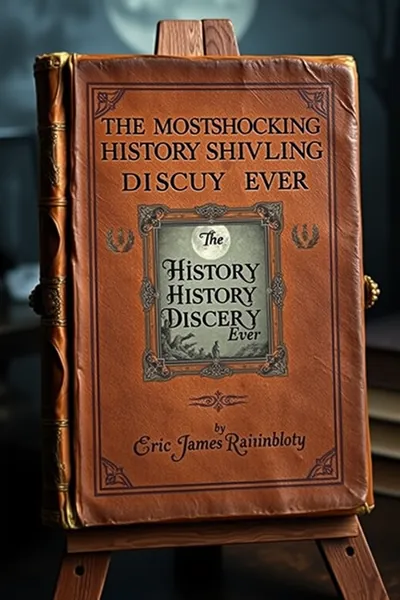
The Three Little Pigs

 80
80

The Three Little Pigs
James Orchard Halliwell-Phillipps's scholarly rendition of 'The Three Little Pigs' offers a fascinating glimpse into the meticulous work of 19th-century folklorists. The strength of this edition lies in Halliwell-Phillipps's detailed annotations, which contextualize the tale within a broader tradition of oral storytelling, a critical aspect often overlooked in simpler retellings. He meticulously traces variations, providing valuable insights into how narratives evolve. However, the presentation, while academically robust, can feel dense for the casual reader. The focus on comparative elements and historical context, while its primary merit, might detract from the simple narrative pleasure for those unfamiliar with folklore studies. A specific passage where Halliwell-Phillipps discusses regional variations in the wolf's defeat offers a particularly strong example of his analytical method. This edition serves as a vital resource for serious students of folklore, though its accessibility could be a minor hurdle for a general audience. It is a scholarly dissection rather than a simple retelling.
📝 Description
80
James Orchard Halliwell-Phillipps's 1962 edition of "The Three Little Pigs" analyzes archetypes in folk narrative.
Published in 1962, James Orchard Halliwell-Phillipps's edition of "The Three Little Pigs" treats the familiar fable as a significant artifact for folklore studies. Halliwell-Phillipps, a 19th-century folklorist, was dedicated to collecting and annotating tales from oral traditions. This volume showcases his scholarly method applied to a simple story, emphasizing its underlying archetypal patterns. The work is valuable for anyone interested in the roots of Western storytelling, particularly those who study the symbolic dimensions of fairy tales and fables. It will also appeal to readers who appreciate historical scholarship and the preservation of oral traditions.
The 19th century saw a surge in the collection and analysis of folk tales, partly due to Romanticism's focus on national identity and traditional culture. Halliwell-Phillipps was a notable figure in this movement, working alongside contemporaries like the Brothers Grimm. His efforts helped elevate oral narratives from mere entertainment to subjects of academic investigation. This specific collection reflects a Victorian commitment to documenting and understanding pre-industrial cultural forms. The narrative itself hinges on primal archetypes: the innocent protagonist, the industrious builder, and the predatory threat. Its structural sequence of challenges and resolutions demonstrates fundamental principles of survival and adaptation.
While not overtly mystical, Halliwell-Phillipps's approach to "The Three Little Pigs" touches on esoteric principles through its focus on universal archetypes and primal narrative patterns. By dissecting the story into its core components—innocence, construction, and predation—he reveals a symbolic structure that resonates across cultures and time. This method aligns with esoteric traditions that seek underlying truths and universal forms within seemingly simple tales, treating them as vessels for deeper psychological and cultural insights rather than mere entertainment. His meticulous documentation of oral variants also reflects a broader, almost alchemical, process of distillation, seeking the pure essence of narrative.
💡 Why Read This Book?
• Gain insight into the archetypal characters and narrative structures that underpin Western storytelling, as demonstrated by the contrasting approaches of the three pigs to building their homes. • Understand the historical development of folklore studies by examining Halliwell-Phillipps's meticulous collection methods from the 19th century, particularly his efforts to document oral traditions. • Explore the symbolic meaning of the wolf as a primal predator and the houses as representations of security and preparedness, as analyzed through the lens of comparative mythology.
⭐ Reader Reviews
Honest opinions from readers who have explored this book.
❓ Frequently Asked Questions
What is the primary contribution of James Orchard Halliwell-Phillipps to folklore studies?
Halliwell-Phillipps was a pioneering folklorist who dedicated himself to collecting, cataloging, and annotating oral traditions, including fairy tales and nursery rhymes, during the 19th century, thereby preserving them for scholarly analysis.
When was the first publication of Halliwell-Phillipps's version of 'The Three Little Pigs'?
While Halliwell-Phillipps collected and studied many versions of tales throughout his career, the edition referenced was first published in 1962, consolidating his research on this specific fable.
What makes 'The Three Little Pigs' significant in the context of esoteric or symbolic studies?
The story's archetypal characters (the pigs, the wolf) and its narrative of overcoming adversity through different strategies of construction and foresight lend themselves to symbolic interpretation within esoteric traditions.
Are there significant variations of 'The Three Little Pigs' that Halliwell-Phillipps discusses?
Yes, Halliwell-Phillipps's work often highlights regional and temporal variations of folk tales, suggesting that the specific details of the pigs' houses and the wolf's methods of destruction evolved in oral transmission.
How does this version differ from modern children's retellings?
This edition is a scholarly work focused on the historical and comparative aspects of the tale, rather than a simplified narrative for young children. It includes annotations and academic context.
What does the wolf symbolize in the context of 'The Three Little Pigs'?
In folkloric and esoteric interpretations, the wolf often symbolizes primal threat, chaos, or the predatory forces that challenge established order and security.
🔮 Key Themes & Symbolism
Archetypal Narrative Structures
The story of The Three Little Pigs, as cataloged by Halliwell-Phillipps, exemplifies a fundamental narrative structure: the challenge, the response, and the resolution. The three pigs represent distinct approaches to life's challenges—impulsive, diligent, and strategic. This tripartite division is a recurring motif in myth and folklore, reflecting different levels of consciousness or stages of development. The narrative's enduring appeal stems from its clear portrayal of cause and effect, where preparation and wisdom triumph over haste and folly, offering a foundational lesson in consequence and resilience.
The Predator and The Protected
Central to the fable is the dynamic between the predatory wolf and the vulnerable pigs. In esoteric interpretations, the wolf can represent external threats, destructive forces, or even internal shadow aspects that seek to disrupt order and security. The pigs' houses symbolize the constructs—physical, mental, or spiritual—that individuals build to protect themselves. The varying sturdiness of these homes reflects different levels of preparedness and the efficacy of one's defenses against encroaching chaos or adversity.
Folklore as Cultural DNA
James Orchard Halliwell-Phillipps's work underscores the importance of folklore as a repository of cultural wisdom and shared human experience. By collecting and analyzing tales like 'The Three Little Pigs,' he sought to identify universal patterns and recurring motifs that reveal deeper truths about human nature and societal development. This perspective positions folk narratives not as simple children's stories, but as ancient texts carrying symbolic language and moral frameworks that have shaped collective consciousness across generations.
The Act of Building and Creation
The construction of the three houses—straw, sticks, and brick—serves as a potent metaphor for different approaches to creation and stability. The straw house represents the ephemeral and easily destroyed, born of haste. The stick house offers slightly more resilience but is still vulnerable. The brick house, requiring significant effort and forethought, symbolizes enduring strength, permanence, and the rewards of diligent labor. This theme speaks to the esoteric principle of manifestation and the energetic investment required for durable creations.
💬 Memorable Quotes
Direct passages from the work, attributed to the author.
“The wolf was a cunning creature, always seeking to overcome the pigs' defenses.”
— This highlights the antagonist's persistent, strategic nature, representing external forces or internal challenges that test the integrity of one's established order and security.
“He huffed and he puffed and he blew the house down.”
— This iconic phrase symbolizes the power of destructive forces, whether external pressures or internal turmoil, to dismantle superficial defenses when they lack true substance.
“The third little pig built his house of strong bricks.”
— Represents the principle of diligent effort, foresight, and substantial foundation as the key to creating lasting security and resilience against adversity.
“The wolf could not blow the brick house down.”
— Illustrates the ultimate triumph of wisdom, perseverance, and solid construction over brute force or cunning deception, a core moral of the tale.
“The story exists in many forms across different regions.”
— This observation, central to Halliwell-Phillipps's work, points to the universal nature of the narrative's archetypes and its deep roots in shared human consciousness.
🌙 Esoteric Significance
Tradition
While not explicitly tied to a single esoteric lineage like Kabbalah or Theosophy, 'The Three Little Pigs' speaks to Hermetic and Gnostic principles concerning creation, manifestation, and the overcoming of material or destructive forces. The story's emphasis on building stable structures (the brick house) aligns with Hermetic ideals of order and form, while the persistent wolf can be seen as a Gnostic Archon or a force of chaos seeking to thwart creative endeavor. It serves as a folk parable about the necessity of solid foundations, both literal and metaphysical.
Symbolism
The three houses symbolize different levels of material and energetic construction. The straw house represents ephemeral thought or hasty manifestation, easily destroyed. The stick house signifies a slightly more structured but still vulnerable creation. The brick house embodies enduring form, diligence, and the power of focused intention and labor to create lasting security. The wolf, a primal predator, symbolizes destructive forces, the shadow self, or external challenges that test the integrity of one's creations and inner fortitude.
Modern Relevance
Contemporary esoteric practitioners and teachers often reference 'The Three Little Pigs' when discussing principles of manifestation, personal protection, and the importance of building resilient inner and outer structures. Thinkers in fields like archetypal psychology and narrative therapy draw parallels to the story's depiction of confronting threats and the consequences of different approaches to life. Its simple yet profound message continues to be relevant for understanding personal responsibility in creating one's reality and defending against disruptive forces.
👥 Who Should Read This Book
• Students of comparative mythology and folklore seeking to understand the origins and evolution of common narratives. • Esoteric practitioners interested in the symbolic meanings of archetypal characters and narrative structures within folk tales. • Historians of literature and culture examining the preservation and study of oral traditions in the 19th century.
📜 Historical Context
The 19th century marked a fertile period for the academic study of folklore, driven by Romantic nationalism and an interest in preserving vernacular culture. James Orchard Halliwell-Phillipps was a prominent figure in this movement, contributing significantly to the collection and analysis of English folk tales and rhymes. His meticulous approach, exemplified in his work on 'The Three Little Pigs,' aimed to document oral traditions before they faded. This era saw the rise of comparative mythology and philology, with scholars like the Brothers Grimm in Germany setting precedents. Halliwell-Phillipps’s research was part of a broader intellectual current that sought to understand the 'folk mind' and the ancient roots of language and storytelling. While his work was highly regarded within academic circles, the reception often focused on its ethnographic value rather than immediate esoteric application, though later scholars would explore these dimensions.
📔 Journal Prompts
The three houses and their respective vulnerabilities.
The wolf's persistent methods of destruction.
Strategies employed by the third pig for building a secure home.
The symbolic representation of the wolf in folklore.
The contrast between hasty construction and diligent building.
🗂️ Glossary
Folklore
The traditions, customs, and beliefs of a community or people, often transmitted orally through stories, songs, and sayings.
Archetype
A recurring symbol, character, or motif in literature and mythology that represents universal patterns of human nature or experience.
Narrative Structure
The underlying framework or design of a story, including its plot, sequence of events, and character development.
Motif
A recurring element, subject, or idea in a literary work or tradition, often carrying symbolic significance.
Oral Tradition
The transmission of cultural knowledge, beliefs, and stories from one generation to another through spoken word rather than written records.
Comparative Mythology
The study of myths and legends from different cultures to identify common themes, symbols, and structures.
Fable
A short story, typically with animals as characters, conveying a moral.
🔮 Readers Also Liked
Browse all →








More by James Orchard Halliwell-Phillipps
All books →
More Free Occult Philosophy Books
View all →