The Tarot
 73
73

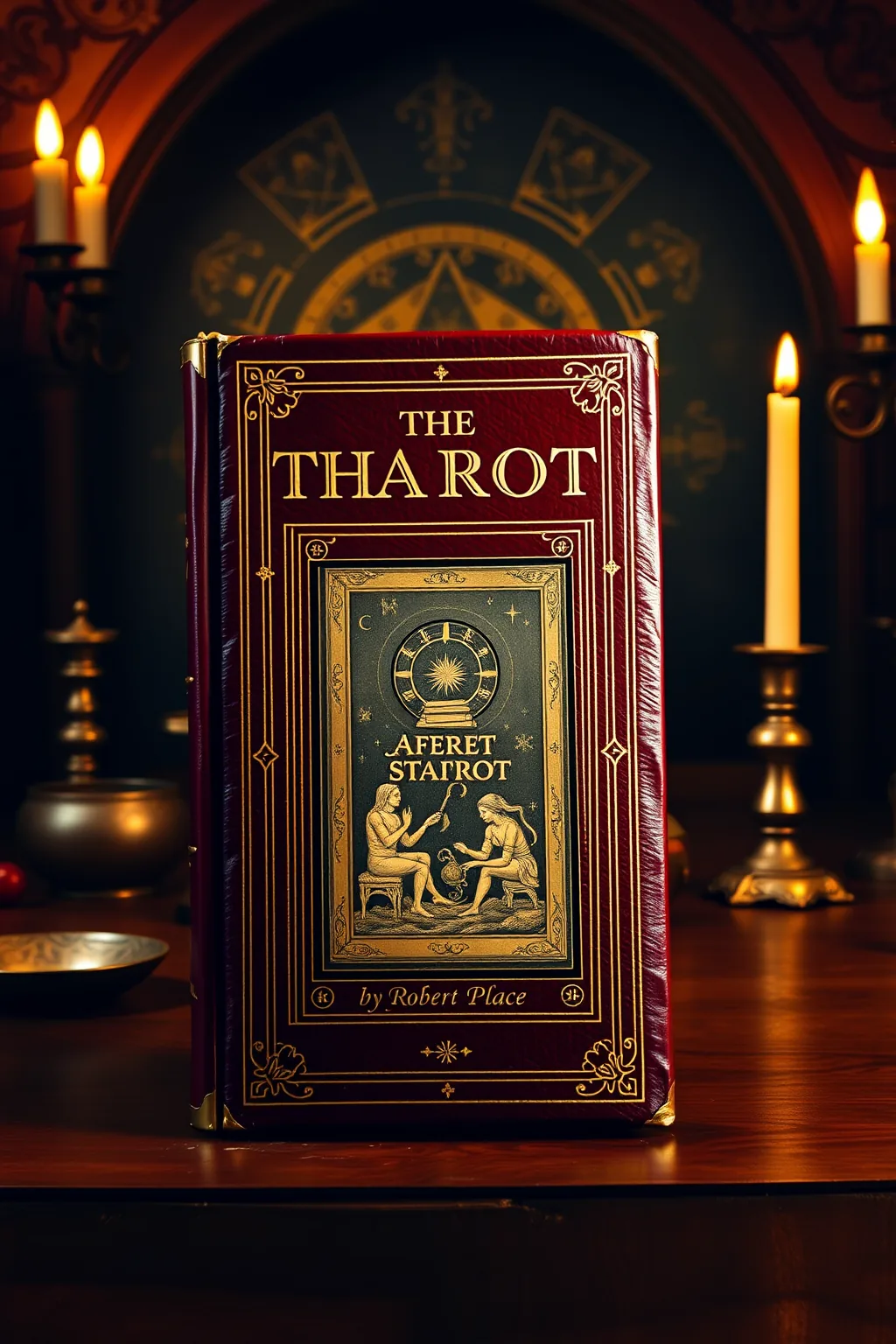
The Tarot
Robert Place's "The Tarot" is a refreshing counterpoint to the more fanciful origin stories often attached to the cards. His rigorous examination of the deck's emergence in 15th-century Italy, particularly its roots in playing cards and the intellectual climate of the Renaissance, is its greatest strength. Place effectively demonstrates the influence of Hermetic and alchemical thought on the early Tarot's symbolism, moving beyond anachronistic attributions. For instance, his discussion of the Fool's potential connection to the concept of *infinitas* as understood by Renaissance philosophers offers a compelling, historically situated interpretation. However, the book's dense academic style, while commendable for its scholarship, might prove challenging for readers seeking immediate practical application or a more narrative approach to the Tarot's history. The focus remains resolutely on historical development rather than modern divinatory systems. Ultimately, "The Tarot" provides an essential, historically grounded foundation for anyone serious about understanding the deck's evolution.
📝 Description
73
Robert Place's 2005 book argues the Tarot originated in 15th-century Italy, not ancient Egypt.
Robert Place's "The Tarot" traces the deck's development from medieval and Renaissance Europe, challenging theories of an Egyptian origin. Instead, Place anchors the Tarot's genesis in the intellectual climate of 15th-century Italy, specifically linking it to early playing card traditions. The book systematically examines the influences of Hermeticism, alchemy, and Neoplatonism on the Tarot's early iconography and structure. Place discusses how these philosophical currents, active in Renaissance humanist circles, shaped the allegorical meaning and symbolic language within the cards. This work views the Tarot not just as a tool for divination, but as a product of specific historical and cultural contexts. It dissects the visual language and symbolism, showing how these elements grew from existing artistic conventions and esoteric thought. Place's research highlights the connections between art, philosophy, and esoteric practices of the period. The book demonstrates how early Tarot decks functioned as a complex visual system reflecting the spiritual and intellectual pursuits of their time.
This book situates the Tarot within the context of Renaissance esotericism, a period where Hermeticism, Neoplatonism, and alchemy were actively studied by humanist scholars. These traditions informed the symbolic language and allegorical structures that Place argues were foundational to the early Tarot deck. Rather than seeing the Tarot as an ancient, rediscovered system, Place presents it as a contemporary creation of its time, deeply imbued with the philosophical and spiritual inquiries then current. The work thus connects the deck's visual elements to the intellectual currents that shaped European thought during the early modern period.
💡 Why Read This Book?
• Gain a historically grounded understanding of the Tarot's origins, focusing on its development in 15th-century Italy rather than speculative ancient claims, as detailed in the book's exploration of early playing card connections. • Understand the specific philosophical underpinnings, such as Hermeticism and Neoplatonism, that shaped the Tarot's symbolic language and structure during the Renaissance. • Appreciate the Tarot as a product of its time, learning how its iconography reflects the intellectual and artistic currents of medieval and Renaissance Europe, moving beyond purely divinatory interpretations.
⭐ Reader Reviews
Honest opinions from readers who have explored this book.
❓ Frequently Asked Questions
When was Robert Place's "The Tarot" first published?
Robert Place's "The Tarot" was first published on March 17, 2005. This edition provides a scholarly examination of the Tarot's historical development.
What historical period does "The Tarot" by Robert Place focus on?
The book primarily focuses on the development of the Tarot deck in Middle Ages and Renaissance Europe, specifically 15th-century Italy, rather than ancient Egyptian origins.
What intellectual influences shaped the early Tarot according to Robert Place?
Place highlights the significant influences of Hermeticism, alchemy, and Neoplatonism on the Tarot's evolution and symbolism during the Renaissance period.
Does "The Tarot" by Robert Place discuss modern Tarot readings?
While the book explores the mystical dimensions, its primary focus is on the historical development and iconography of the Tarot, offering a scholarly perspective rather than a guide to contemporary divination.
What is the central argument of "The Tarot" regarding its origins?
The book argues against ancient origins, positing that the Tarot emerged in medieval and Renaissance Europe, evolving from playing cards and reflecting the era's esoteric and philosophical thought.
Who is Robert Place and what is his expertise?
Robert Place is an author and artist known for his work on Tarot history and esoteric symbolism. His background lends a deep understanding to the historical and symbolic analysis presented in "The Tarot".
🔮 Key Themes & Symbolism
European Renaissance Origins
Place firmly establishes the Tarot's genesis within 15th-century Europe, dismantling popular myths linking it to ancient civilizations. The work meticulously traces its evolution from early playing cards, underscoring the specific cultural and intellectual milieu of Renaissance Italy as the crucible for its creation and symbolic development.
Hermetic and Alchemical Threads
A central theme is the deep integration of Hermetic, alchemical, and Neoplatonic philosophies into the Tarot's foundational structure and imagery. Place demonstrates how these esoteric traditions provided the conceptual framework and symbolic language that imbued the early cards with layers of meaning, reflecting the spiritual quests of the era.
Iconography and Symbolism
The book offers a detailed analysis of the Tarot's visual elements and their historical context. It explores how specific symbols and allegorical figures evolved from existing artistic conventions and esoteric doctrines, presenting the deck as a complex visual system representative of Renaissance thought and mystical inquiry.
Challenging Conventional Misperceptions
Place's work acts as a critical reassessment of common understandings of the Tarot. By grounding the discussion in historical fact and philosophical influence, he cuts through speculative narratives, advocating for a historically accurate appreciation of the deck's development and its intrinsic mystical dimensions.
💬 Memorable Quotes
Direct passages from the work, attributed to the author.
“The Tarot deck emerged in the Middle Ages and Renaissance Europe.”
— This statement directly challenges theories attributing the Tarot's origins to ancient Egypt or other distant pasts, anchoring its development firmly within a specific European historical context.
“The deck's evolution was influenced by Hermetic, alchemical, and Neoplatonic thought.”
— This highlights the intellectual currents that shaped the Tarot's symbolic language and allegorical depth, positioning it as a product of specific esoteric traditions prevalent during its formative years.
“Place mines the influences behind the evolution of the deck.”
— This emphasizes the author's method of deep historical and philosophical research, suggesting a thorough exploration of the intellectual and cultural forces that contributed to the Tarot's creation.
“The work provides a historically grounded portrait of the Tarot's true origins.”
— This asserts the book's commitment to factual accuracy and scholarly rigor, promising readers a reliable account of the Tarot's emergence, free from speculative or unfounded claims.
“The Tarot deck developed not in the far reaches of Egyptian antiquity.”
— A direct refutation of common, but historically unsupported, claims about the Tarot's ancient origins, setting the stage for the book's focus on European historical development.
🌙 Esoteric Significance
Tradition
Place's work firmly belongs within the Western Esoteric Tradition, specifically engaging with Hermeticism and Renaissance Neoplatonism. It positions the Tarot not as an independent divinatory system originating in antiquity, but as a complex symbolic artifact that arose from and reflected the esoteric and philosophical currents prevalent in 15th-century Italy. The book demonstrates how these traditions were synthesized into the visual language of the early Tarot.
Symbolism
Key symbols explored include the Fool, often interpreted through the lens of *infinitas* or divine potential as understood in Neoplatonic thought, and the alchemical process, hinted at in the progression and imagery of the Major Arcana. Place examines how these symbols were not arbitrary but drew from established Hermetic and alchemical iconography, serving as a visual encoding of complex philosophical ideas.
Modern Relevance
Contemporary scholars and practitioners interested in the historical roots of Tarot symbolism, particularly those within Hermetic or alchemical study groups, draw heavily on Place's research. His work informs modern interpretations that seek to reconnect the cards with their Renaissance intellectual context, moving beyond purely psychological or divinatory frameworks to understand their original esoteric purpose.
👥 Who Should Read This Book
• Students of Western Esotericism: Those seeking to understand the historical development and philosophical underpinnings of Tarot within traditions like Hermeticism and Neoplatonism. • Tarot Enthusiasts Focused on History: Individuals who wish to move beyond modern interpretations and explore the deck's origins in 15th-century Italy and its connection to Renaissance thought. • Art Historians and Symbolism Researchers: Scholars interested in how esoteric ideas were visually encoded in the art and artifacts of the late Middle Ages and Renaissance.
📜 Historical Context
Published in 2005, Robert Place's "The Tarot" arrived during a period of continued popular fascination with the Tarot, often fueled by New Age interpretations disconnected from historical context. Place's work directly confronted this by situating the Tarot's birth firmly within 15th-century Italy, a time rich with intellectual ferment. He meticulously explored the deck's probable evolution from contemporary playing cards, distinguishing it from speculative theories linking it to ancient Egypt or Atlantis. Crucially, Place examined the wide impact of Hermeticism, alchemy, and Neoplatonism—philosophical movements gaining traction among Renaissance humanists like Marsilio Ficino. This contrasted sharply with competing schools of thought that either ignored the Tarot or assigned it ahistorical origins. While not a major mainstream event, the book was noted within esoteric scholarship for its rigorous approach, distinguishing it from more generalized occult literature of the era.
📔 Journal Prompts
The influence of Hermeticism on early Tarot symbolism.
The conceptualization of the Fool card within Renaissance philosophical thought.
Tracing the evolution of Tarot iconography from playing cards.
The role of alchemy in shaping the Tarot's allegorical structure.
Comparing historical Tarot origins with contemporary interpretations.
🗂️ Glossary
Hermeticism
A religious, philosophical, and esoteric tradition based on writings attributed to Hermes Trismegistus, influential during the Renaissance and focused on divine wisdom, cosmology, and the interconnectedness of all things.
Alchemy
An ancient tradition focused on the transformation of matter, often symbolic of spiritual purification and enlightenment. It influenced Renaissance philosophy and art, including the imagery found in early Tarot decks.
Neoplatonism
A philosophical system derived from Plato, emphasizing a transcendent divine source and the emanation of reality from it. It was a key intellectual current in Renaissance humanism and influenced esoteric thought.
Iconography
The visual images and symbols used in a work of art or the study or interpretation of these.
Renaissance
A period in European history marking the transition from the Middle Ages to modernity, characterized by a revival of classical art, architecture, and literature, and an explosion of intellectual curiosity.
Playing Cards
A deck of cards used for games. Place's work suggests the Tarot deck evolved from early forms of playing cards used in Europe during the 15th century.
Middle Ages
The period of European history extending from the fall of the Western Roman Empire (5th century) to the beginning of the Renaissance (around the 15th century).