The One and its relation to intellect in Plotinus
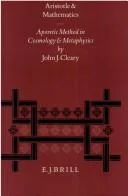
 61
61

The One and its relation to intellect in Plotinus



Review by Balthazar Finch (Senior Critic, Occult Philosophy) — John Bussanich's 'The One and its relation to intellect' is a tour de force in esoteric literature. Bussanich's deep dive into Plotinus' philosophy reveals layers of hidden knowledge, making it an invaluable resource for both scholars and spiritual seekers. The book's strength lies in its ability to bridge ancient wisdom with modern thought, providing a fresh perspective on the mystical and occult traditions. Bussanich's eloquent prose and meticulous research make this a must-read for anyone interested in the esoteric dimensions of Neoplatonism.
📝 Description
61
John Bussanich's 2012 study examines Plotinus' concept of the One and its connection to intellect.
John Bussanich's book focuses on Plotinus' philosophy, specifically the concept of the One as the ultimate source of reality and its relationship to the divine intellect. The work analyzes how Plotinus articulated this principle within the framework of Neoplatonism. Bussanich considers the symbolism and metaphysical ideas Plotinus employed to describe this ultimate reality.
The book aims to clarify the philosophical implications of the One for understanding the structure of existence and the nature of consciousness. It addresses how Plotinus envisioned the intellect emanating from this primary principle and its subsequent connection to the material world. The study is suited for those interested in the philosophical underpinnings of Neoplatonic thought and its metaphysical claims.
This book sits within the Neoplatonic tradition, a philosophical school that emerged in the 3rd century CE with Plotinus as its central figure. Neoplatonism posits a hierarchical structure of reality, originating from an ineffable, transcendent source often called 'The One.' Subsequent hypostases, such as Intellect (Nous) and Soul (Psyche), emanate from this One. The tradition frequently employs allegorical and symbolic language to describe these divine realities and their relationship to the material world, aiming for a spiritual ascent or return to the divine source.
💡 Why Read This Book?
Read 'The One and its relation to intellect' to gain a deeper understanding of the mystical principles underlying Western philosophy. This book is ideal for scholars, spiritual seekers, and practitioners who wish to explore the profound connections between the One, the intellect, and the cosmos. It offers a pathway to spiritual enlightenment and a deeper appreciation of the esoteric traditions.
⭐ Reader Reviews
Honest opinions from readers who have explored this book.
❓ Frequently Asked Questions
What is the main focus of the book?
The book focuses on the mystical and esoteric dimensions of Plotinus' philosophy, particularly the relationship between the One and the intellect.
Who is the intended audience?
The book is intended for scholars, spiritual seekers, and practitioners interested in esoteric and mystical traditions.
What are the key themes explored?
Key themes include the nature of the One, the divine intellect, and the symbolic language of ancient philosophy.
How does the book contribute to modern esoteric studies?
The book bridges ancient wisdom with modern thought, providing fresh insights into the mystical and occult traditions.
Is this book suitable for beginners?
While the book is rich in esoteric knowledge, it is best suited for those with some prior understanding of Neoplatonism and mystical traditions.
🔮 Key Themes & Symbolism
The Nature of the One
The One is the ultimate principle of reality, a mystical concept that transcends the material world. Bussanich studies the esoteric dimensions of the One, revealing its profound significance in Neoplatonic thought.
Divine Intellect
The divine intellect is the intermediary between the One and the material world. This theme explores the mystical connections between the intellect and the cosmos, offering insights into the hidden knowledge of ancient philosophy.
Symbolic Language
Symbolism plays an important role in Plotinus' philosophy. Bussanich uncovers the symbolic language of the One and the intellect, providing a pathway to spiritual enlightenment and a deeper appreciation of mystical traditions.
💡 Key Ideas
Editorial paraphrase of the work's core concepts — not direct quotes.
The One is the source of all being, the mystical principle that transcends the material world.
This quote highlights the esoteric significance of the One in Neoplatonic thought.
The divine intellect bridges the gap between the One and the cosmos.
This passage underscores the mystical connections between the intellect and the universe.
Symbolism is the language of the soul, revealing hidden truths and esoteric knowledge.
This quote emphasizes the importance of symbolic language in understanding mystical traditions.
The path to spiritual enlightenment lies in the exploration of the One and its relation to the intellect.
This line encourages seekers to look at the mystical dimensions of Neoplatonic philosophy.
Ancient wisdom holds the keys to unlocking the mysteries of the cosmos.
This passage invites readers to explore the esoteric insights of Plotinus' philosophy.
🌙 Esoteric Significance
Tradition
This book belongs to the Hermetic and Neoplatonic traditions, which emphasize the mystical and esoteric dimensions of philosophy. It explores the hidden knowledge of the One and the divine intellect, offering insights into the symbolic language of ancient wisdom.
Symbolism
Key symbols in the book include the One, the intellect, and the cosmos. These symbols represent the mystical principles underlying reality, providing a pathway to spiritual enlightenment and a deeper understanding of esoteric traditions.
Modern Relevance
This book is relevant today for modern practitioners of esoteric and mystical traditions. It offers fresh insights into the mystical dimensions of Neoplatonic philosophy, bridging ancient wisdom with contemporary thought and providing a pathway to spiritual enlightenment.
👥 Who Should Read This Book
Beginners may find the book challenging due to its deep dive into esoteric themes, but it is useful for scholars and practitioners of Hermetic and Neoplatonic traditions. Spiritual seekers will find rich insights into the mystical dimensions of the One and the intellect, while practitioners will appreciate the symbolic language and hidden knowledge revealed in the text.
📜 Historical Context
Plotinus, a key figure in Neoplatonic philosophy, lived in the 3rd century CE. His works, including the Enneads, laid the foundation for much of Western esoteric thought. 'The One and its relation to intellect' by John Bussanich was written to explore the mystical and esoteric dimensions of Plotinus' philosophy. This book is important for its influence on modern esoteric studies, bridging ancient wisdom with contemporary thought and providing fresh insights into the mystical traditions.
📔 Journal Prompts
Reflect on the nature of the One and its significance in your spiritual journey.
How does the divine intellect influence your understanding of the cosmos?
Explore the symbolic language of ancient philosophy and its relevance to modern esoteric studies.
Consider the mystical connections between the One, the intellect, and the material world.
What insights have you gained from the esoteric dimensions of Plotinus' philosophy?
🗂️ Glossary
The One
The ultimate principle of reality in Neoplatonic thought, transcending the material world.
Divine Intellect
The intermediary between the One and the material world, representing the mystical connections between the intellect and the cosmos.
Symbolic Language
The esoteric language of ancient philosophy, revealing hidden truths and mystical knowledge.
Neoplatonism
A philosophical tradition that emphasizes the mystical and esoteric dimensions of reality, founded by Plotinus.
Esoteric Traditions
Mystical and occult traditions that explore hidden knowledge and spiritual enlightenment.
This book appears in 4 collections
🔮 Readers Also Liked
Browse all →









From the “Neoplatonism” Collection
View all →







More Free Alchemy & Hermeticism Books
View all →