The Mystics
 74
74

The Mystics


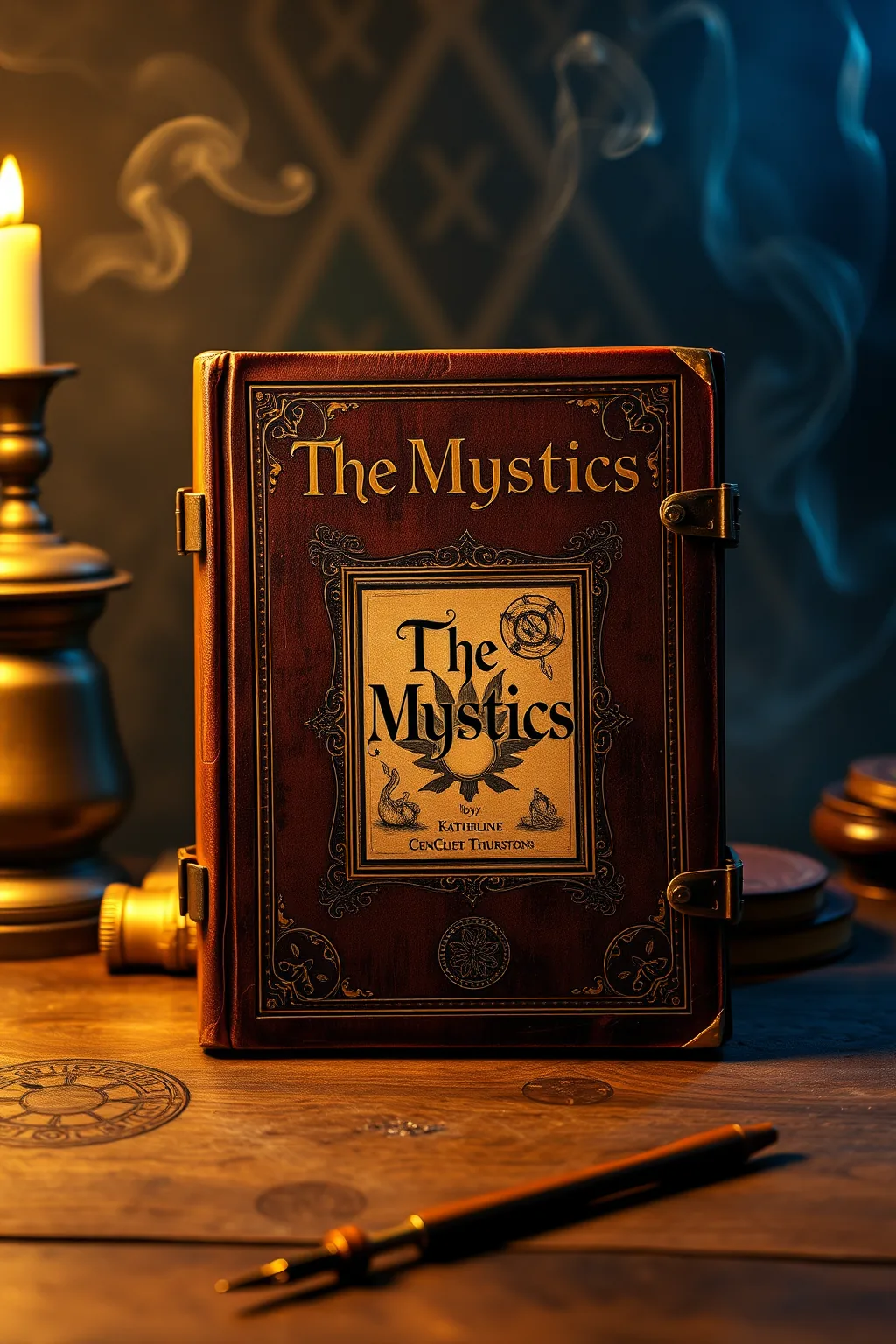
Katherine Cecil Thurston's 'The Mystics' is a timeless classic that remains relevant in today's esoteric landscape. Published over a century ago, the book's exploration of mysticism and contemplation is as enlightening as ever. Thurston's meticulous research and eloquent writing style make 'The Mystics' a compelling read for anyone interested in the occult and spiritual growth. The book's historical context provides a fascinating glimpse into the early 20th-century fascination with esoteric knowledge, making it a valuable resource for both scholars and practitioners. Thurston's ability to distill complex spiritual concepts into accessible language is one of the book's greatest strengths. This makes 'The Mystics' an excellent starting point for those new to the world of mysticism, as well as a deepening resource for experienced seekers. The book's exploration of universal mystical elements bridges different traditions, fostering a sense of unity and interconnectedness. 'The Mystics' is a must-read for anyone seeking to expand their spiritual horizons.
📝 Description
74
Katherine Cecil Thurston wrote 'The Mystics' in 1907, examining spiritual seekers.
Published in 1907, Katherine Cecil Thurston's novel 'The Mystics' examines individuals drawn to spiritual and contemplative pursuits. The narrative follows characters who engage with esoteric ideas and practices, seeking deeper understanding of life and the universe. Thurston uses evocative language to portray their internal experiences and external quests. The book touches on themes of hidden knowledge and the symbolism that has long attracted those interested in the mystical.
It is suited for readers interested in fictional portrayals of spiritual yearning and the exploration of inner life. The characters' paths are depicted as a search for meaning beyond the ordinary, reflecting a historical interest in occult traditions and contemplative philosophies. Thurston's prose aims to immerse the reader in the atmosphere of this search.
Published in the early 20th century, 'The Mystics' appeared during a period of heightened interest in spiritualism, theosophy, and various occult movements across Europe and America. This era saw a proliferation of literature, both fiction and non-fiction, that engaged with Eastern religions, Western esotericism, and mystical experiences. Thurston's novel situates itself within this cultural milieu, reflecting the contemporary fascination with inner exploration and the search for alternative forms of spiritual understanding outside of mainstream religious institutions. It captures a specific moment when esoteric ideas were beginning to filter into popular consciousness.
💡 Why Read This Book?
Reading 'The Mystics' today offers a unique opportunity to explore ancient spiritual practices and their relevance in modern times. This book provides insights into the mystical experiences and contemplative practices that have guided seekers for centuries. By delving into the esoteric wisdom of the past, readers can gain a deeper understanding of their own spiritual journeys. 'The Mystics' is particularly valuable for those interested in the intersection of religion, philosophy, and the occult. It serves as a bridge between different mystical traditions, fostering a sense of unity and interconnectedness. Whether you are a seasoned practitioner or a curious seeker, this book offers a rich and enlightening journey into the mystical realms.
⭐ Reader Reviews
Honest opinions from readers who have explored this book.
❓ Frequently Asked Questions
What is the main focus of 'The Mystics'?
The main focus of 'The Mystics' is the exploration of mysticism and contemplation across various spiritual traditions. It delves into the nature of mystical experiences and the role of contemplation in spiritual growth.
Is 'The Mystics' suitable for beginners in esoteric studies?
Yes, 'The Mystics' is an excellent starting point for beginners due to its accessible language and comprehensive overview of mystical practices. It is also valuable for experienced seekers looking to deepen their understanding.
Where can I access 'The Mystics' by Katherine Cecil Thurston?
The book has been digitized by Google and is available on the Internet Archive, making it accessible to a wide audience for free.
🔮 Key Themes & Symbolism
The Nature of Mystical Experience
Thurston studies the essence of mystical experience, exploring how it transcends the boundaries of ordinary perception. She examines the ways in which mystics throughout history have sought to describe and understand these profound encounters, providing readers with a deeper appreciation of the mystical journey.
Symbolism in Spiritual Practice
The book highlights the importance of symbolism in spiritual practice, illustrating how symbols can serve as gateways to higher areas of consciousness. Thurston's exploration of various symbolic systems offers readers a wide range of meanings to ponder and integrate into their own spiritual paths.
Philosophical Underpinnings of Mysticism
Thurston's work provides a comprehensive overview of the philosophical foundations of mysticism, examining the theories and ideas that have shaped mystical thought over the centuries. This theme offers readers a solid grounding in the intellectual traditions that underpin mystical practices.
💬 Memorable Quotes
Direct passages from the work, attributed to the author.
“Symbolism is the language of the soul, speaking in whispers and dreams.”
— Thurston's words highlight the importance of symbolism in spiritual practice, suggesting that symbols hold the key to unlocking deeper levels of consciousness.
“The mystic's journey is one of continual discovery, where each step reveals new horizons.”
— Thurston's words capture the endless nature of the mystical quest, where each insight leads to further exploration and revelation.
💡 Key Ideas
Editorial paraphrase of the work's core concepts — not direct quotes.
The mystic seeks not the path of least resistance, but the path of greatest transformation.
This quote underscores the transformative nature of the mystical journey, emphasizing the need for profound inner change.
In the silence of the heart, the mysteries of the universe are revealed.
This passage emphasizes the importance of inner quietude in mystical experience, suggesting that true understanding comes from within.
Mysticism is the art of seeing beyond the veil of ordinary perception.
This quote emphasizes the mystical tradition's focus on transcending ordinary reality to access deeper truths.
🌙 Esoteric Significance
Tradition
The Mystics belongs to the broader Hermetic tradition, drawing on the teachings of ancient mystics and esoteric philosophers. Thurston's work is deeply rooted in the ideas of the Western esoteric tradition, which emphasizes the pursuit of hidden knowledge and the transformation of the self.
Symbolism
Key symbols explored in the book include the labyrinth, the rose, and the serpent, each representing different aspects of the mystical journey. Thurston studies the strong symbolism of these images, providing readers with a deeper understanding of their esoteric meanings.
Modern Relevance
Today, 'The Mystics' remains relevant for modern practitioners of occult and metaphysical arts. Its insights into symbolism and contemplative practices continue to inspire those seeking to explore the deeper dimensions of human experience. Contemporary scholars and seekers find valuable perspectives in Thurston's work, making it an essential read in the field of mystical studies.
👥 Who Should Read This Book
Beginners in the study of mysticism will find 'The Mystics' to be an accessible and enlightening introduction to the field. Scholars of mystical and occult traditions will appreciate Thurston's depth of insight and comprehensive exploration of key themes. Spiritual seekers will be inspired by the book's evocative prose and profound philosophical underpinnings. Practitioners of esoteric arts will benefit from the strong symbolism and contemplative practices outlined in the text.
📜 Historical Context
Published in an era of burgeoning interest in the occult and mystical traditions, 'The Mystics' by Katherine Cecil Thurston reflects the spiritual seekings of the early 20th century. This period saw a resurgence of interest in esoteric knowledge, as individuals sought to understand the deeper dimensions of human experience. Thurston's work was influential in shaping the discourse around mysticism, providing a comprehensive and accessible exploration of mystical themes. Her insights into symbolism and contemplative practices continue to inspire scholars and practitioners today.
📔 Journal Prompts
Reflect on a moment in your life when you experienced a profound sense of mystery or wonder. How did this experience shape your understanding of the world?
Consider the role of symbolism in your spiritual practice. What symbols hold particular meaning for you, and how do they guide your journey?
Explore the concept of transformation in the mystical tradition. How have your own experiences of transformation influenced your spiritual path?
Think about the importance of silence and inner quietude in your spiritual practice. How does this practice help you access deeper levels of consciousness?
Reflect on the idea of the mystical journey as an endless quest for understanding. How does this perspective inspire your continued exploration of the mystical and occult traditions?
🗂️ Glossary
Mysticism
The pursuit of direct, personal experience of the divine or ultimate reality, often involving contemplative practices and the exploration of hidden knowledge.
Symbolism
The use of symbols to represent abstract ideas or concepts, often employed in spiritual and mystical practices to convey deeper meanings.
Contemplative Practice
A set of techniques or exercises designed to cultivate inner stillness and awareness, often used in mystical and spiritual traditions to access deeper levels of consciousness.
Hermetic Tradition
A Western esoteric tradition based on the writings attributed to Hermes Trismegistus, emphasizing the pursuit of hidden knowledge and the transformation of the self.
Esoteric Arts
Practices and disciplines that involve the study and application of hidden or secret knowledge, often associated with mystical and occult traditions.
This book appears in 1 collection
🔮 Readers Also Liked
Browse all →




From the “Christian Mysticism” Collection
View all →




More Free Mysticism & Contemplation Books
View all →