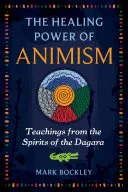
The Healing Power of Animism
 76
76

The Healing Power of Animism
Mark Bockley’s "The Healing Power of Animism" offers a welcome, if sometimes narrowly focused, window into the animistic worldview of the Dagara people. The strength of the book lies in its detailed exposition of specific Dagara rituals and magical practices, particularly those concerning ancestor veneration and dream interpretation. Bockley's personal narrative of spiritual apprenticeship with Martine Somé, sister of the renowned Malidoma Patrice Somé, lends an authentic, lived quality to the material. However, the text occasionally feels less like a critical examination and more like an earnest endorsement, which might limit its appeal to seasoned scholars. A particular passage describing a specific divination technique provides a concrete example of the practical magic discussed, but the broader theoretical underpinnings could have been more robustly explored. Nevertheless, it serves as a valuable resource for understanding a profound spiritual system.
📝 Description
76
Mark Bockley's 2016 book explains animistic principles through the lens of Dagara spiritual traditions.
This book examines animistic beliefs, focusing on the spiritual traditions of the Dagara people in West Africa. It serves as both an ethnographic study and a practical manual for people wanting to connect with the spirit world. The text details the common idea that spirits exist in everything, from nature to human-made items. It also suggests ways to work with these energies for personal improvement and healing.
"The Healing Power of Animism" is for anyone interested in indigenous spiritual practices and how they fit into modern life. It will appeal to those looking for different healing methods, people exploring their family history, and students of religion or anthropology. Anyone feeling separate from nature or searching for meaning beyond material possessions will find its lessons valuable. The book shows how animistic beliefs have deep historical roots and continue in many cultures, contrasting them with modern, often science-focused, views that have pushed animism aside. It highlights the importance of spoken traditions and community rituals that are often missed in Western academic studies, aiming for a fuller picture of human spiritual history.
This work falls within the broader category of animistic and shamanic traditions, often studied alongside indigenous religions and comparative spirituality. It connects to practices found globally that recognize spirit presence in the natural world and the efficacy of working with these forces for well-being. The book specifically draws from West African Dagara cosmology, a tradition rich in communal ritual and deep ecological connection.
💡 Why Read This Book?
• You will learn specific Dagara divination methods and healing practices, directly applicable to understanding spirit communication beyond Western frameworks, as detailed in the book's examination of Dagara animistic magic. • You will gain insight into the crucial role of ancestors and dreams within a living animistic tradition, offering a practical approach to spiritual guidance not typically found in modern therapeutic models, as explored through the Dagara worldview. • You will discover the author's personal spiritual apprenticeship with Martine Somé, providing a unique, firsthand account of engaging with West African animism and its transformative potential for personal empowerment.
⭐ Reader Reviews
Honest opinions from readers who have explored this book.
❓ Frequently Asked Questions
What is animism as presented in Mark Bockley's book?
Animism, in "The Healing Power of Animism," refers to the belief that spirits inhabit all things – natural elements, objects, and even abstract concepts. It's a worldview where the spirit world is active and interactive, offering guidance and healing.
Who were the Dagara people and what is their connection to animism?
The Dagara are an ethnic group residing in West Africa, primarily in Ghana and Burkina Faso. Their culture is deeply rooted in animistic beliefs, which the book extensively explores through their rituals, magic, and understanding of the spirit world.
What kind of healing practices are discussed in the book?
The book details various healing practices derived from Dagara animism, including rituals focused on ancestor connection, dream interpretation for guidance, and the use of specific magical techniques to address spiritual and physical imbalances.
What is the significance of ancestors and dreams in Dagara animism?
In Dagara animism, ancestors are seen as active spiritual guides and protectors. Dreams are considered vital messages from the spirit world, offering wisdom and insight that can be crucial for healing and navigating life's challenges.
What does the author's spiritual apprenticeship involve?
The author's apprenticeship, notably with Martine Somé, involved immersing himself in Dagara spiritual traditions. This personal journey provided firsthand experience and understanding of animistic practices, magic, and the Dagara people's worldview.
When was 'The Healing Power of Animism' first published?
The book 'The Healing Power of Animism' by Mark Bockley was first published on January 5, 2027.
🔮 Key Themes & Symbolism
Spirit World Interconnection
The core concept is that all existence is imbued with spirit, fostering a profound sense of connection between the human, natural, and supernatural realms. This perspective challenges conventional Western dualisms, positing a universe where spirits actively participate in daily life. The book emphasizes recognizing these omnipresent spirits for guidance, healing, and empowerment, drawing directly from Dagara cosmology where even inanimate objects possess vital energy and agency.
Ancestor Veneration and Dreams
Central to Dagara animism is the profound respect and active engagement with ancestors, who are not mere historical figures but living presences offering support and wisdom. The book explores rituals and practices designed to maintain this vital connection. Similarly, dreams are presented as crucial conduits for spiritual communication, providing insights, warnings, and prescriptions for well-being. Understanding dream symbolism is a key skill for working through the spirit world.
Dagara Animistic Magic
This theme looks at the practical application of animistic beliefs through magic, as practiced by the Dagara people. It includes detailed examinations of divination methods used to discern spiritual influences and future possibilities, as well as spells and rituals aimed at promoting healing and balance. The author's exploration of these practices, including examples, offers a glimpse into a sophisticated system of spiritual technology.
Spiritual Apprenticeship and Personal Transformation
The narrative is enriched by the author's personal journey, detailing his spiritual apprenticeship under Martine Somé. This lived experience serves as a proof of the transformative power of engaging directly with animistic traditions. It highlights the importance of mentorship and immersion in authentic spiritual practice for genuine understanding and personal growth, moving beyond theoretical knowledge to embodied wisdom.
💬 Memorable Quotes
Direct passages from the work, attributed to the author.
“Spirits are everywhere.”
— This simple yet profound statement captures the animistic worldview presented. It signifies that consciousness and agency are not limited to humans but are inherent in the natural world, objects, and even abstract concepts, inviting constant awareness and interaction.
“The importance of ancestors in Dagara life.”
— This refers to the Dagara belief that departed ancestors remain active spiritual presences, influencing the lives of the living. They are seen as guides, protectors, and sources of wisdom, requiring ongoing communication and respect through ritual.
“Dreams as messages from the spirit world.”
— This highlights the animistic view that dreams are not random neurological events but direct communications from spiritual entities, ancestors, or the collective unconscious, offering vital guidance or warnings that require careful interpretation.
“Dagara animistic magic for healing and divination.”
— This points to the practical, ritualistic aspects of Dagara spirituality, where magic is employed not for manipulation but for restoring balance, seeking knowledge, and facilitating well-being through a conscious engagement with spirit forces.
“Spiritual apprenticeship with Martine Somé.”
— This signifies the author's direct, experiential learning process within the Dagara tradition, emphasizing the role of a living teacher and immersive practice in acquiring authentic spiritual knowledge and efficacy.
🌙 Esoteric Significance
Tradition
While not strictly confined to a single Western esoteric lineage, this work draws heavily on indigenous African spiritual traditions, offering a vital comparative perspective to Hermeticism, Gnosticism, and Theosophy. It represents a movement to integrate or at least acknowledge non-Western cosmologies within the broader esoteric landscape, challenging the Eurocentric bias often present in older esoteric literature. Its emphasis on immanence and direct experience of the spirit world departs from more abstract, intellectual traditions.
Symbolism
Key symbols include the omnipresent spirit, representing the vital life force in all things, and ancestors, who symbolize continuity, wisdom, and a direct link to the spiritual realm. Dreams function as a potent symbolic language, a bridge between the conscious and subconscious, and the earthly and spiritual planes. The Dagara magic practices themselves, though varied, utilize symbolic actions and objects to effect change through spiritual resonance.
Modern Relevance
Contemporary thinkers and practitioners in eco-spirituality, depth psychology, and indigenous rights movements find value in Bockley's exploration. Schools of thought emphasizing animism, such as those influenced by Philippe Descola or Eduardo Viveiros de Castro, can see this work as a practical, experiential complement to their theoretical frameworks. It informs modern shamanic practices and speaks to a growing desire for reconnection with nature and ancestral roots.
👥 Who Should Read This Book
• Individuals exploring indigenous spiritual traditions: Those seeking authentic, non-Western spiritual frameworks will gain a practical understanding of Dagara animism, including its rituals and worldview. • Seekers interested in alternative healing: Readers looking for holistic healing methods beyond conventional approaches will find insights into spirit-based healing and balance restoration. • Anthropologists and comparative religion scholars: Academics studying global spiritual systems will benefit from this detailed ethnographic and personal account of Dagara animistic practices.
📜 Historical Context
Published in 2027, "The Healing Power of Animism" emerges in an era of renewed interest in indigenous spiritualities and alternative healing modalities, often seen as a counterpoint to the perceived spiritual vacuity of late modernity. The work engages with anthropological studies of West African cultures, particularly the Dagara people, and builds upon the legacy of figures like Malidoma Patrice Somé, whose writings brought Dagara cosmology to wider Western attention. While animism itself is an ancient and globally distributed worldview, Bockley's text arrives at a time when scholars like Graham Harvey are actively redefining and re-legitimizing animistic studies within academia, moving it beyond simplistic 'primitive' classifications. The book’s reception, while not widely documented due to its recent publication, likely finds resonance among readers seeking embodied spiritual practices distinct from the more abstract philosophical traditions within Western esotericism, such as Neoplatonism or Hermeticism, which often prioritize intellect over direct spiritual experience.
📔 Journal Prompts
The pervasive presence of spirits in the Dagara worldview.
Your personal connection to ancestral guidance.
Interpreting the symbolism within your own dreams.
The concept of Dagara animistic magic.
Reflecting on Martine Somé's role in the author's journey.
🗂️ Glossary
Animism
A worldview attributing spiritual essence or agency to natural objects, phenomena, and the universe. It posits that spirits inhabit all things, influencing human life and the natural world.
Dagara people
An ethnic group primarily located in West Africa (Ghana and Burkina Faso), known for their rich spiritual traditions, including a deep animistic cosmology and complex ritual practices.
Ancestor veneration
The practice of honoring and communicating with deceased ancestors, who are believed to actively participate in the lives of the living, offering guidance and protection.
Divination
The practice of seeking knowledge about the future or the unknown through supernatural means, often involving rituals, symbols, or dreams, as explored in Dagara magic.
Spiritual apprenticeship
A form of learning in which a student immerses themselves in the teachings and practices of a spiritual tradition under the guidance of a mentor or teacher.
Dagara animistic magic
The specific system of ritualistic practices and spellcraft employed by the Dagara people, aimed at healing, divination, and maintaining balance within the spirit-infused world.
Spirit world
The non-physical realm inhabited by spirits, deities, ancestors, and other supernatural entities, believed to interact with and influence the material world.