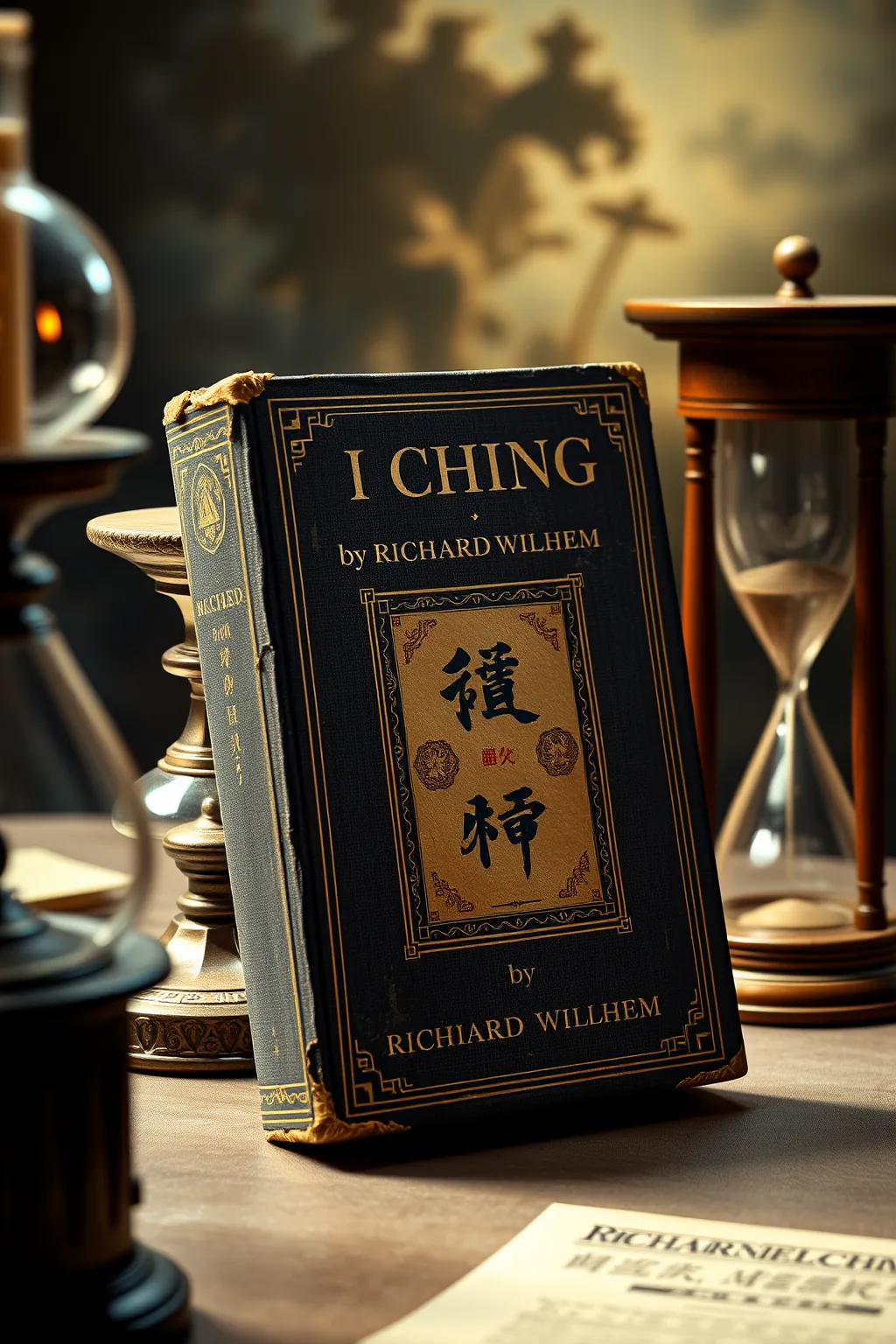
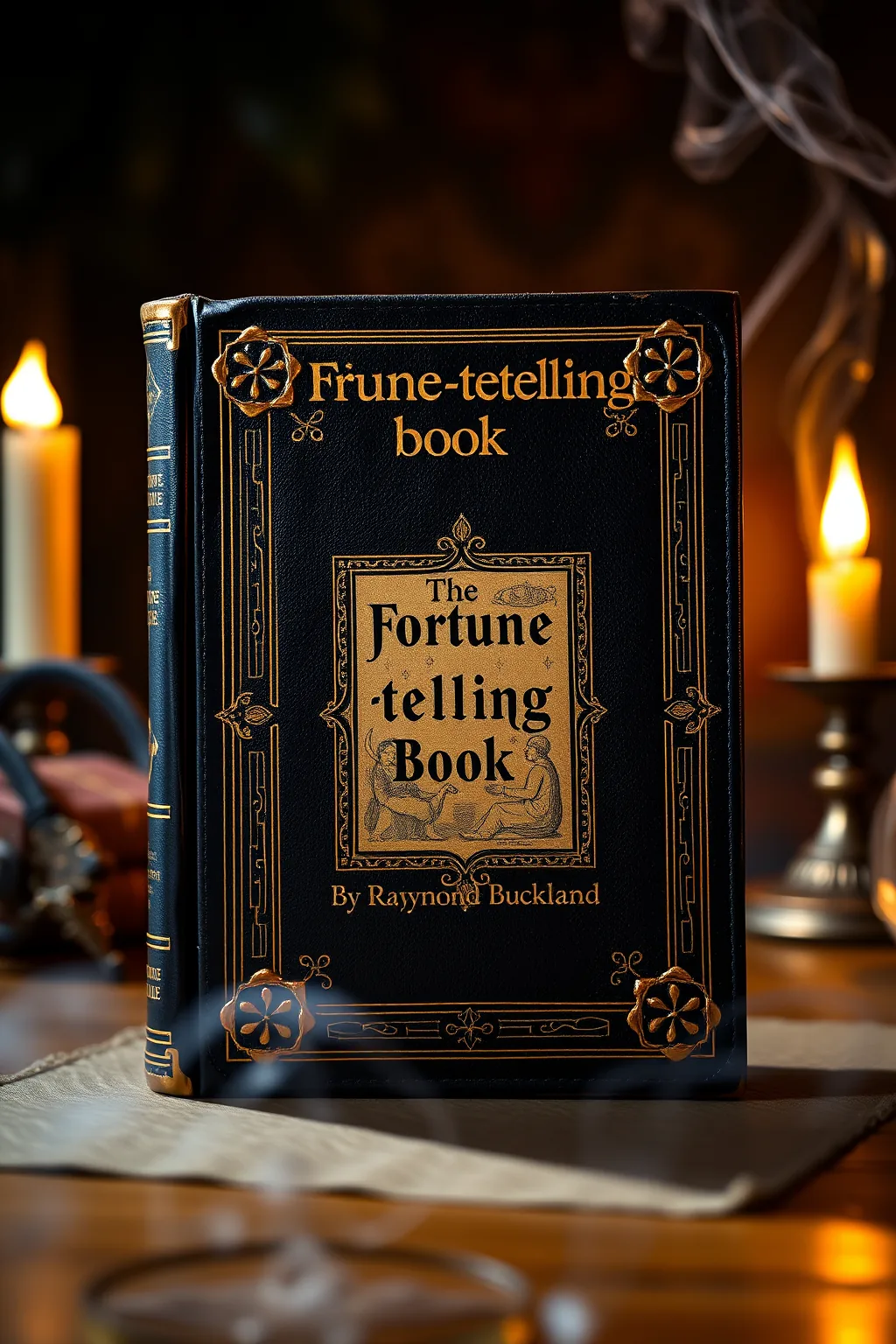
The fortune-telling book
 83
83

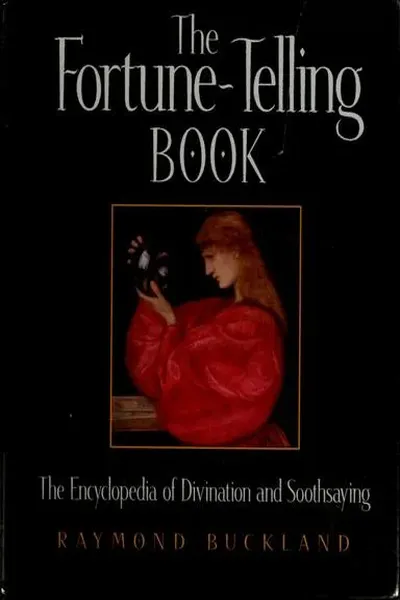
The fortune-telling book
Raymond Buckland's "The Fortune-Telling Book" attempts a grand survey of divinatory arts, offering practical steps for engaging with practices ranging from tarot to scrying. Buckland’s strength lies in his methodical approach; he presents each system with a clarity that makes complex rituals feel approachable for the uninitiated. The section on palmistry, for instance, provides a straightforward guide to interpreting the lines and mounts of the hand, a passage that is both informative and easy to follow. However, the book’s breadth sometimes comes at the expense of depth. While it covers many methods, the exploration of their deeper philosophical underpinnings can feel superficial. For readers seeking a nuanced understanding of the psychological or spiritual dimensions of divination, this book might serve as an initial primer rather than a definitive guide. Nevertheless, for those wishing to learn the mechanics of various fortune-telling systems, Buckland provides a solid, if not exhaustive, foundation. It is a practical handbook for the curious beginner.
📝 Description
83
Published in 2003, Raymond Buckland's 'The Fortune-Telling Book' is a practical guide to divination.
Raymond Buckland's 2003 book details various methods of fortune-telling. It moves past theory to give readers practical advice on interpreting signs, symbols, and the instruments used in prophecy. Buckland aims to make practices used for centuries across different cultures easier to understand. The book gives readers simple techniques to look into future possibilities and understand current situations through symbolic language.
This book suits anyone curious about divination, from beginners wanting an introduction to experienced practitioners aiming to learn more. It appeals to those who like a structured way to learn about scrying, tarot, runes, and palmistry. Readers will appreciate Buckland's clear instructions and historical details on these arts. The book works well for individual study or as a resource for group learning.
Buckland's work fits into the renewed interest in esoteric studies that grew in the late 20th century. Building on earlier occult revivals, authors like Buckland worked to organize and simplify these traditions. His approach often uses Western esoteric traditions, aiming to give a basic grasp of divinatory arts with ancient roots. This distinguishes his work from newer, trend focused interpretations.
💡 Why Read This Book?
• Learn the foundational techniques for interpreting tarot cards, as detailed in Buckland's clear explanations, allowing you to begin practical readings with confidence. • Understand the historical roots and symbolic meanings of runes, a Germanic script with ancient divinatory applications, as presented in the dedicated chapter. • Explore the practice of scrying, including methods for using water or mirrors to gain insight, a technique Buckland outlines with specific instructions for beginners.
⭐ Reader Reviews
Honest opinions from readers who have explored this book.
❓ Frequently Asked Questions
What divinatory methods does Raymond Buckland cover in 'The Fortune-Telling Book'?
Raymond Buckland's book covers a wide array of divinatory methods including tarot, runes, scrying, palmistry, pendulum dowsing, and various forms of omen interpretation, providing practical instructions for each.
Is 'The Fortune-Telling Book' suitable for absolute beginners?
Yes, the book is structured to be accessible to absolute beginners, offering clear, step-by-step guidance on various fortune-telling techniques without assuming prior knowledge.
When was 'The Fortune-Telling Book' first published?
Raymond Buckland's 'The Fortune-Telling Book' was first published in 2003, making it a relatively modern compilation of traditional divinatory practices.
Does the book explain how to interpret symbols in divination?
Absolutely. A central focus of the book is the interpretation of symbols across different divinatory systems, explaining how to understand their meanings in context.
What is the author's background in relation to these subjects?
Raymond Buckland was a renowned author and practitioner in the fields of Wicca and Western esoteric traditions, bringing extensive knowledge and experience to his explanations of divination.
Can I learn to read tarot cards from this book?
Yes, the book includes a dedicated section on tarot, detailing the meanings of the cards and offering guidance on how to perform readings, making it a useful resource for aspiring tarot readers.
🔮 Key Themes & Symbolism
Practical Divination Techniques
The book prioritizes hands-on application of divinatory methods. Buckland details the mechanics of reading tarot spreads, casting runes, interpreting palm lines, and using pendulums. Each technique is presented with instructions for setup, execution, and interpretation, encouraging readers to actively engage with the tools and systems rather than merely studying them theoretically. This focus ensures that the reader can begin practicing these arts immediately after study.
Symbolism in Esotericism
A core element is the exploration of symbolic language inherent in divination. Buckland elucidates how symbols in tarot cards, rune stones, and even the lines on a hand carry layered meanings. The work emphasizes understanding these symbols not just as isolated images but as parts of a coherent symbolic system that reflects universal archetypes and influences. This approach grounds the practice in a rich visual and conceptual vocabulary.
Historical and Traditional Roots
Buckland places significant emphasis on the historical lineage of the divinatory arts he presents. He often references the origins of practices like runic divination or the historical development of tarot. This grounding in tradition aims to provide readers with an appreciation for the longevity and cultural significance of these methods, positioning them as part of an ongoing esoteric heritage rather than fleeting fads.
Intuition and Personal Insight
While providing structured methods, Buckland also stresses the crucial role of intuition in divination. The book suggests that the tools and systems are aids to unlock the practitioner's inner knowing. It encourages developing a personal connection with the divinatory tools and interpreting their messages through a combination of learned symbolism and intuitive perception, fostering self-discovery.
💬 Memorable Quotes
Direct passages from the work, attributed to the author.
“The cards themselves offer a language, but it is the reader who must learn to speak it.”
— This statement highlights the dual nature of tarot reading: the inherent meaning within the cards (the language) and the essential role of the practitioner's skill and intuition in translating that meaning into a coherent message.
“Runes were not merely an alphabet, but a powerful system of symbols tied to the gods and the fate of mankind.”
— This emphasizes the profound spiritual and mythological significance of runes beyond their use as a writing system, connecting them to Norse cosmology and destiny.
“Palmistry reads the hand not as a fixed destiny, but as a map of potentials and tendencies.”
— This interpretation reframes palmistry from deterministic prophecy to a tool for understanding one's inherent character, strengths, and challenges, suggesting a more fluid view of fate.
“Scrying requires patience and a relaxed mind, allowing the inner eye to perceive subtle shifts in the reflective surface.”
— This points to the mental discipline and receptivity needed for successful scrying, emphasizing that it is an internal process facilitated by external tools.
“Every symbol carries a vibration, and understanding that vibration is key to interpretation.”
— This suggests that divinatory symbols are not static but possess an energetic quality that a practitioner must attune to in order to grasp their full meaning.
🌙 Esoteric Significance
Tradition
Buckland's work aligns with the Western Esoteric Tradition, particularly its modern Wiccan and Neopagan expressions. It draws heavily from established practices that have been integrated into these paths, such as tarot and runic divination, which themselves have roots in older European folk magic and occult systems. The book offers a practical, non-dogmatic approach, aiming to equip individuals with tools for personal insight, a common goal within many modern esoteric frameworks that emphasize self-empowerment and experiential learning.
Symbolism
Key symbols explored include the archetypal imagery of the Tarot's Major and Minor Arcana, representing universal life lessons and stages of the soul's journey. Runes are presented not just as letters but as potent symbols imbued with the mythology and cosmology of Germanic peoples, each carrying specific energies and divinatory meanings related to natural forces and fate. The lines and mounts of the palm are also discussed as symbolic indicators of personality traits and life trajectories.
Modern Relevance
Contemporary practitioners of various spiritual paths, particularly those within Neopaganism, Wicca, and general esoteric studies, continue to find Buckland's "The Fortune-Telling Book" a valuable resource. Its clear methodology makes it accessible to newcomers exploring practices like tarot reading or rune casting. Thinkers and groups focused on practical magic, personal development through symbolic systems, and the revival of traditional divinatory arts often reference Buckland's accessible explanations as a foundational text.
👥 Who Should Read This Book
• Novice practitioners of divination seeking a structured introduction to multiple methods like tarot, runes, and scrying. • Students of Western Esotericism interested in the practical application and historical context of traditional fortune-telling arts. • Individuals looking for a clear, step-by-step guide to developing their intuitive abilities through established divinatory systems.
📜 Historical Context
Published in 2003, "The Fortune-Telling Book" emerged during a period of continued interest in esotericism, following the New Age movements of the late 20th century. Buckland, already an established figure in Wicca and Western occultism, sought to compile and clarify various divinatory arts for a contemporary audience. This era saw a diversification of occult literature, with many authors striving for more systematic and accessible presentations of ancient practices. Buckland's work can be seen in dialogue with other popularizers of esoteric knowledge, such as Scott Cunningham, though Buckland often retained a more traditionalist approach. Unlike the more academic or historical examinations of divination, Buckland's book is primarily a practical manual, distinguishing it from scholarly critiques or purely theoretical explorations prevalent in some circles.
📔 Journal Prompts
The symbolic language of the Tarot's Major Arcana and its relation to personal growth.
Interpreting the meaning of a specific rune cast in relation to a current life challenge.
Reflecting on the historical development of pendulum dowsing as a divinatory tool.
Comparing the intuitive process in scrying versus the structured interpretation of palm lines.
The role of personal belief in the efficacy of omens and fortune-telling.
🗂️ Glossary
Tarot
A deck of 78 cards, each with symbolic imagery, used for divination and introspection. It typically includes 22 Major Arcana and 56 Minor Arcana cards.
Runes
Characters from ancient Germanic alphabets, used for writing and as a system of divination, each symbol carrying specific meanings related to mythology and natural forces.
Scrying
A divinatory practice involving gazing into a reflective surface, such as a mirror or bowl of water, to receive visions or insights.
Palmistry
The practice of interpreting the lines, mounts, and shape of the hand to understand personality traits and potential future events.
Pendulum
A weighted object, often suspended from a chain or string, used in dowsing or divination to provide answers through its movements.
Omens
Events or signs believed to foreshadow future occurrences, interpreted through various cultural and traditional frameworks.
Divination
The practice of seeking knowledge of the future or the unknown by supernatural means.
🔮 Readers Also Liked
Browse all →








More by Raymond Buckland
All books →


More Free Divination & Tarot Books
View all →