The earth spirit
 63
63

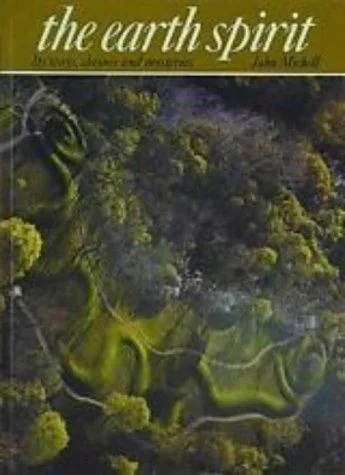
The earth spirit



Celeste Moreau (Divination & Symbolism Reviewer) — John F. Michell's 'The Earth Spirit' is a foundational text for anyone seeking to understand the animistic underpinnings of human spirituality. Michell possesses a rare gift for weaving together disparate threads of mythology, religious history, and geomantic practice into a cohesive and compelling narrative. He meticulously details how the concept of Earth as a living, conscious entity has permeated cultures worldwide, offering profound insights into our innate connection with the natural world. This work is particularly valuable for its accessible yet deeply scholarly exploration of geomancy, demystifying its principles and revealing its enduring relevance. An indispensable read for practitioners of earth-based spirituality, mythographers, and those curious about the sacred dimensions of our planet.
📝 Description
63
John F. Michell's 1975 book argues the earth possesses a living energy influencing human culture.
John F. Michell's 'The Earth Spirit' examines the relationship between human beings and the planet. Published in 1975, the book posits that the earth itself is alive, a concept that Michell connects to the development of myths, religions, and spiritual traditions throughout history. He discusses geomancy, the practice of interpreting the earth's energies, and the geometric patterns found in sacred sites. The book also touches on the idea of Earth as a divine being, a source for spiritual insight and experience.
Michell aims to reintroduce readers to what he sees as an ancient understanding of the planet. He suggests this perspective can offer an alternative to the sense of disconnection prevalent in modern life. The work encourages a renewed appreciation for the natural world and its inherent sacredness. It seeks to reconnect individuals with fundamental forces that tie humanity to the earth.
Published in 1975, 'The Earth Spirit' belongs to the wave of esoteric and countercultural literature that revisited ancient cosmologies and nature-based spirituality. It engages with traditions that view the earth not merely as a physical object but as a sentient entity or a divine presence. Michell's work aligns with the rediscovery of geomancy, ley lines, and earth energies, drawing connections between these concepts and the formation of religious beliefs and sacred architecture across different cultures. It reflects a broader interest in animistic or panpsychist philosophies that attribute consciousness or spirit to the natural world.
💡 Why Read This Book?
Uncover the profound, living energy of our planet and its ancient influence on human spirituality. 'The Earth Spirit' offers a rare synthesis of geomancy, mythology, and religious history, revealing a hidden layer of terrestrial wisdom. Ideal for seekers, scholars, and practitioners interested in earth-based traditions, animism, and the sacred connection between humanity and nature.
⭐ Reader Reviews
Honest opinions from readers who have explored this book.
❓ Frequently Asked Questions
What is geomancy as explored in this book?
Geomancy, in 'The Earth Spirit', refers to the ancient practice of divination and spiritual connection through the patterns and energies of the Earth itself, often involving the interpretation of celestial influences on terrestrial phenomena and sacred landscapes.
Is this book suitable for beginners?
Yes, while scholarly, Michell's prose is engaging and accessible, making it suitable for those new to esoteric studies, provided they approach it with an open mind and a curiosity for ancient wisdom.
What does 'Earth Spirit' signify in this context?
The 'Earth Spirit' refers to the consciousness, life force, or divine essence believed to inhabit and animate the planet, influencing natural phenomena, human destiny, and spiritual understanding.
How does this book relate to modern spirituality?
It offers a crucial historical and philosophical grounding for modern earth-based spiritual movements, encouraging a re-enchantment with nature and a deeper understanding of our interconnectedness with the terrestrial realm.
Does the book discuss specific deities or spirits of the Earth?
While not focusing on a pantheon, it explores the universal concept of the Earth as a divine feminine principle and repository of latent spiritual power, touching upon various cultural manifestations of this idea.
🔮 Key Themes & Symbolism
The Sentience of the Earth
This theme explores the profound concept of the Earth as a living, conscious entity, not merely a physical mass but a vibrant being imbued with a spirit. Michell posits that this animistic worldview, prevalent in ancient cultures, recognized a dynamic intelligence within the terrestrial realm, influencing weather, fertility, and human destiny. It explores how this perception fostered a deep reverence and symbiotic relationship between humanity and nature, a stark contrast to modern desacralized views. The book invites readers to reconsider the planet not as a resource, but as a sacred partner in existence.
Geomancy and Sacred Landscapes
Central to the book is the exploration of geomancy, the ancient art of divining and interacting with the Earth's energies. Michell meticulously details how geomantic principles were applied to understand the 'spirit' of place, influencing everything from architectural design and city planning to agricultural practices and spiritual rituals. It highlights the belief that specific geographical features—mountains, rivers, ley lines—are imbued with power and can serve as conduits for spiritual insight. This theme reveals the intricate symbolic language of the land and how ancient peoples read its messages.
Mythology and Religious Resonance
Michell masterfully connects the concept of the Earth Spirit to the collection of global mythology and religious development. He argues that many creation myths, earth goddesses, and nature cults are direct expressions of this fundamental understanding of a living planet. The book traces how this primal reverence for Earth evolved into various religious traditions, often becoming obscured or reinterpreted, yet never fully extinguished. It underscores the enduring human need to find spiritual meaning in our connection to the natural world and the sacred feminine principle.
💬 Memorable Quotes
Direct passages from the work, attributed to the author.
“Geomancy is the language of the land.”
— This highlights geomancy not just as a divination tool, but as a sophisticated system for understanding and communicating with the Earth's subtle energies and patterns.
“Our ancestors knew the pulse of the planet.”
— This evokes a sense of lost wisdom and connection, suggesting that ancient peoples possessed an intuitive understanding of Earth's rhythms and spiritual significance that we have largely forgotten.
“To know the Earth is to know oneself.”
— This suggests a deep, reciprocal relationship between our inner spiritual landscape and the external environment, implying that self-discovery is intrinsically linked to our connection with the planet.
💡 Key Ideas
Editorial paraphrase of the work's core concepts — not direct quotes.
The Earth is not a mere rock, but a living organism.
This quote expresses the core thesis: challenging the materialistic view of Earth and asserting its inherent vitality and consciousness, a foundational concept in animistic traditions.
The sacred is not above, but beneath.
A powerful inversion of traditional religious focus, this quote emphasizes that the divine and spiritual can be found immanent within the terrestrial realm, rather than solely in transcendental spaces.
🌙 Esoteric Significance
Tradition
This work is deeply rooted in animistic traditions, earth-centered spiritualities, and the ancient practice of geomancy, often associated with Hermeticism and pre-Christian European paganism. It revives the concept of the Earth as a living deity, echoing Gnostic ideas of a living cosmos and panentheistic philosophies where the divine is both within and beyond creation. It speaks to the enduring human impulse to find spiritual meaning immanent in the natural world, a core tenet of many esoteric paths seeking direct communion with universal forces.
Symbolism
Key symbols include the Earth itself as a primary symbol of the Great Mother, fertility, and the unconscious. Sacred landscapes, geographical formations, and ley lines represent the Earth's energetic pathways and spiritual arteries. Geomantic figures, derived from patterns of dots, symbolize the interaction of celestial and terrestrial forces. Water, stone, and trees are also potent symbols of endurance, life, and connection to the Earth's spirit. Michell interprets these symbols as a universal language of terrestrial divinity.
Modern Relevance
In an era of ecological crisis and spiritual disconnection, 'The Earth Spirit' offers vital insights. It provides a philosophical and historical framework for understanding the roots of environmental degradation as a symptom of our severed relationship with the planet. The book encourages a re-enchantment with nature, advocating for a shift in thinking from exploitation to reverence. Its emphasis on geomancy and Earth energies offers practical tools for those seeking to reconnect with the sacred in their local environments, fostering a more sustainable and spiritually grounded existence.
👥 Who Should Read This Book
This book is a treasure for a diverse audience. **Beginners** seeking an accessible introduction to earth-based spirituality and ancient cosmologies will find a clear and compelling narrative. **Scholars** of mythology, religion, and esoteric history will appreciate Michell's meticulous research and unique synthesis of disparate traditions. **Seekers** yearning for a deeper connection with nature and a more profound spiritual understanding of our planet will find inspiration and guidance. **Practitioners** of paganism, Wicca, and other earth-centered paths will discover foundational wisdom and a renewed appreciation for the sacredness of the terrestrial realm.
📜 Historical Context
Published in 1975, 'The Earth Spirit' emerged during a period of burgeoning interest in alternative spiritualities, environmentalism, and a re-evaluation of ancient wisdom traditions. The counterculture movement of the 1960s and 70s fostered a widespread questioning of materialistic scientific paradigms and a search for deeper meaning, often found in indigenous knowledge systems and esoteric philosophies. John F. Michell's work resonated with this zeitgeist, offering a scholarly yet accessible exploration of animism, geomancy, and the sacred feminine, providing intellectual substance to the growing desire for a more harmonious relationship with the Earth. Its influence can be seen in the subsequent development of earth-based spiritualities and the ongoing dialogue about the planet's sentience.
📔 Journal Prompts
Reflect on a time you felt a profound connection to a natural landscape. What elements contributed to this feeling?
How has modern society influenced your perception of the Earth? Consider its transformation from a sacred entity to a resource.
Explore the concept of 'ley lines' in your local area. Do you sense any unusual energies or patterns?
Consider the Earth as a 'living organism.' What responsibilities does this perspective imply for human behavior?
Research a specific earth goddess or nature spirit from a culture that speaks to you. What are their primary attributes and stories?
🗂️ Glossary
Geomancy
An ancient divinatory art and practice that interprets the patterns and energies of the Earth, often involving the casting of figures derived from celestial influences or directly from the terrestrial landscape.
Animism
The belief that spirits inhabit natural objects and phenomena, such as plants, animals, rocks, and weather, attributing consciousness and agency to the non-human world.
Terrestrial
Relating to the Earth or its inhabitants; earthly or worldly, as opposed to celestial or spiritual in a transcendent sense.
Ley Lines
Hypothetical alignments of ancient sites, megaliths, and natural features that are believed to represent channels of spiritual or energetic power across the landscape.
Immanent
Existing or operating within; inherent. In a spiritual context, it refers to divinity or sacredness being present within the material world, rather than solely transcendent.
This book appears in 5 collections
🔮 Readers Also Liked
Browse all →








More by John F. Michell
All books →

From the “Invocation” Collection
View all →






More Free Divination & Tarot Books
View all →