The astrology of the Ottoman Empire
 72
72

The astrology of the Ottoman Empire


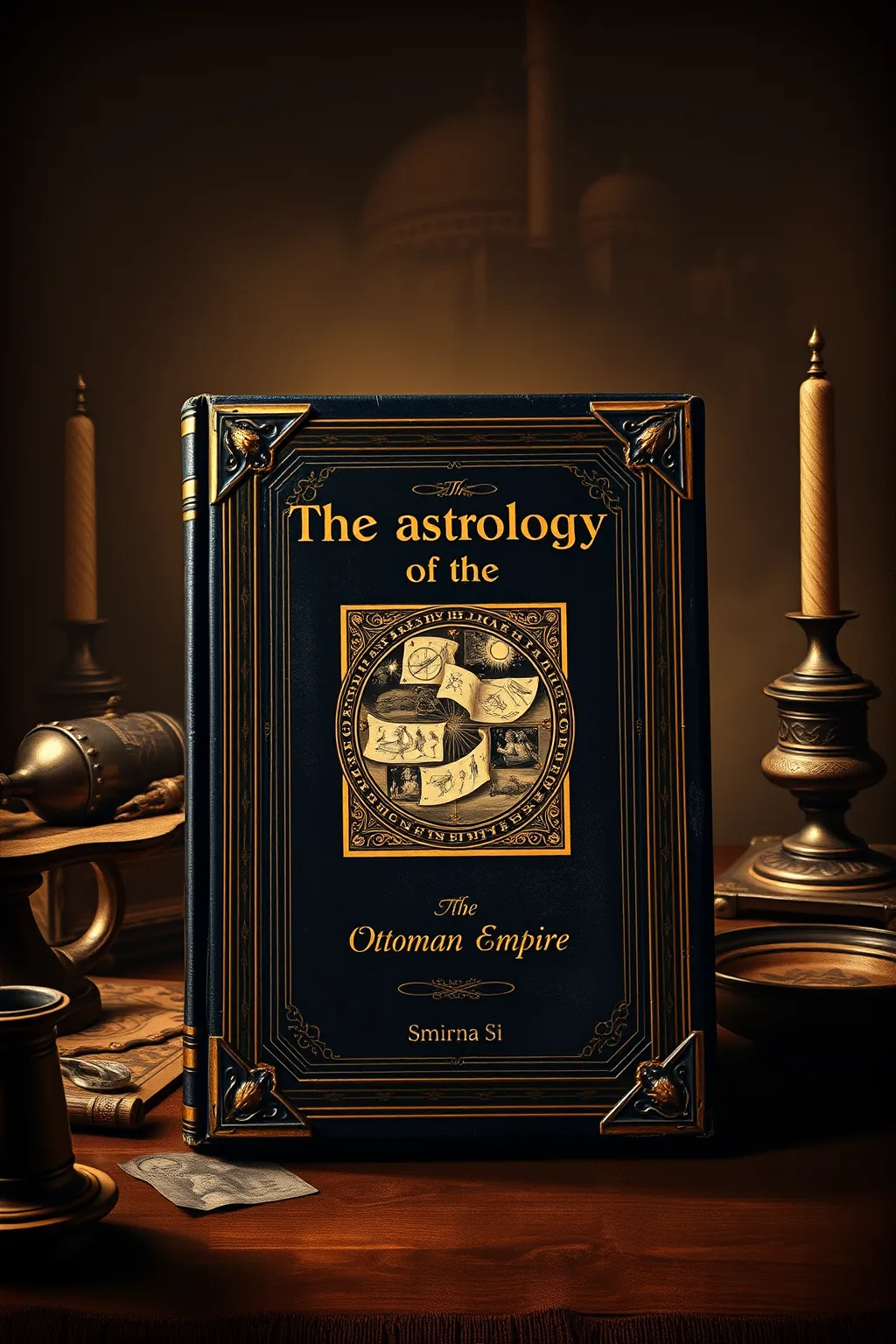
The Astrology of the Ottoman Empire by Smirna Si is a captivating exploration of the esoteric practices that shaped one of history's most influential empires. Si's meticulous research and engaging narrative make this book a standout in the field of occult studies. For modern esoteric seekers, this text offers a unique perspective on how astrology was woven into the fabric of daily life and governance. The book's detailed historical context and rich thematic exploration provide a deep understanding of the Ottoman Empire's astrological beliefs. Si's ability to connect ancient practices with contemporary esoteric thought is particularly noteworthy, making this book a valuable resource for both scholars and enthusiasts. The Astrology of the Ottoman Empire is a must-read for anyone interested in the intersection of history and mysticism.
📝 Description
72
Smirna Si's 2023 book examines astrology's role in Ottoman statecraft and culture.
Smirna Si's work looks at how astrology functioned within the Ottoman Empire. The book details the celestial charts and beliefs that influenced the empire's rulers and society. It covers the symbolic language used in Ottoman astrology and its philosophical connections.
Si presents the ways stars were thought to affect historical events, from the empire's growth to its decline. The text uses specific examples of celestial diagrams and interpretations found in Ottoman sources. It aims to show the cosmic worldview that shaped this civilization.
This book fits within the study of Western esotericism, specifically examining astrological traditions beyond the usual European focus. It connects to broader themes of hermeticism and the use of celestial knowledge in shaping political and social order. By analyzing Ottoman practices, it highlights how astrological systems were adapted and utilized across different cultures and historical periods, contributing to a more global understanding of esoteric thought.
💡 Why Read This Book?
Reading The Astrology of the Ottoman Empire today offers readers a unique opportunity to explore the mystical dimensions of one of history's most powerful empires. This book provides insights into how astrology influenced political decisions, religious practices, and cultural symbolism. For modern esoteric seekers, it offers a bridge between ancient wisdom and contemporary occult studies, enriching their understanding of the esoteric traditions that have shaped human history.
⭐ Reader Reviews
Honest opinions from readers who have explored this book.
❓ Frequently Asked Questions
What makes The Astrology of the Ottoman Empire a unique read?
This book stands out for its detailed exploration of how astrology was integrated into the governance and daily lives of the Ottoman Empire, offering a unique blend of history and mysticism.
Who should read The Astrology of the Ottoman Empire?
This book is ideal for historians, astrologers, and anyone interested in the esoteric dimensions of historical cultures.
What historical insights does the book provide?
The book offers a comprehensive understanding of the Ottoman Empire's astrological beliefs and practices, including their influence on political decisions and religious practices.
🔮 Key Themes & Symbolism
Celestial Influences
Examine the celestial influences that shaped the Ottoman Empire, revealing how the movements of the stars and planets governed its rise and fall. This theme explores the mystical connections between the cosmos and human affairs, offering insights into the hidden forces that guide our world.
Esoteric Symbolism
Uncover the detailed symbolism embedded in Ottoman astrology, from ancient celestial charts to mystical interpretations of planetary alignments. This theme highlights the esoteric meanings behind the symbols, providing a deeper understanding of the occult practices of the era.
Philosophical Significance
Examine the philosophical significance of Ottoman astrology, exploring how it reflects the empire's spiritual and intellectual pursuits. This theme explores the philosophical underpinnings of astrology, offering readers a profound understanding of the mystical traditions that shaped the Ottoman worldview.
💡 Key Ideas
Editorial paraphrase of the work's core concepts — not direct quotes.
The stars whisper secrets to those who listen.
This quote underscores the mystical belief in the power of celestial bodies to reveal hidden knowledge.
Celestial harmony governs the affairs of men.
This line emphasizes the esoteric concept of cosmic order and its influence on human destiny.
The Ottoman sky was a collection of ancient wisdom.
This passage highlights the rich, mystical heritage of Ottoman astrology and its deep connection to esoteric traditions.
Planets align to shape the fate of empires.
This quote explores the mystical belief in the celestial influences that guide the rise and fall of civilizations.
In the stars, we find the elements of divine will.
This line explores the esoteric idea of celestial bodies as reflections of divine intent and their role in human affairs.
🌙 Esoteric Significance
Tradition
This book belongs to the Hermetic tradition, which emphasizes the mystical connection between the microcosm (human affairs) and the macrocosm (the cosmos). It draws on ancient esoteric practices and beliefs, offering readers a deep dive into the occult dimensions of Ottoman astrology.
Symbolism
Key symbols in this book include celestial charts, planetary alignments, and mystical interpretations of astrological phenomena. These symbols represent the hidden knowledge and ancient wisdom that guided the Ottoman Empire, providing readers with a wide range of esoteric meanings.
Modern Relevance
Today, this book remains relevant for modern practitioners of astrology and esoteric studies. It offers insights into the timeless principles of celestial influences and their role in shaping human destiny. Contemporary scholars and seekers can draw on the mystical traditions explored in this volume to deepen their understanding of the occult and its relevance in the modern world.
👥 Who Should Read This Book
Beginners in esoteric studies will find this book an accessible introduction to the mystical dimensions of Ottoman astrology. Scholars of occult history will appreciate the rich historical context and deep esoteric insights. Spiritual seekers will be drawn to the profound philosophical significance and the exploration of hidden knowledge. Practitioners of astrology will benefit from the intricate celestial charts and mystical interpretations of planetary alignments.
📜 Historical Context
The Ottoman Empire, spanning from the 14th to the early 20th century, was a period of profound cultural and intellectual flourishing. During this era, astrology played a central role in shaping the empire's political, military, and spiritual landscape. 'The Astrology of the Ottoman Empire' was written to reveal the hidden celestial influences that governed the empire's destiny. This book's significance lies in its ability to bridge the mystical and historical dimensions of Ottoman astrology, providing readers with a unique perspective on the empire's rise and fall.
📔 Journal Prompts
How do the celestial influences discussed in the book reflect in your own life?
What symbols from Ottoman astrology resonate with you the most?
In what ways does the mystical connection between the microcosm and macrocosm manifest in your spiritual practice?
How can understanding the esoteric dimensions of Ottoman astrology enhance your understanding of modern astrology?
What insights from this book can you apply to your personal journey of spiritual seeking?
🗂️ Glossary
Hermetic Tradition
A mystical and esoteric tradition that emphasizes the connection between the microcosm and macrocosm, often involving the study of celestial influences.
Celestial Charts
Maps of the sky that depict the positions of celestial bodies, used in astrology to interpret their influences on human affairs.
Planetary Alignments
The positioning of planets in relation to each other, believed to have significant astrological implications.
Esoteric Symbolism
Symbols that convey hidden knowledge and mystical meanings, often used in occult and spiritual practices.
Mystical Interpretations
The esoteric meanings and spiritual insights derived from the study of astrological phenomena.
This book appears in 1 collection
🔮 Readers Also Liked
Browse all →








More by Smirna Si
All books →


From the “Astrology” Collection
View all →








More Free Astrology & Cosmology Books
View all →