The astrologer's handbook

 64
64

The astrologer's handbook

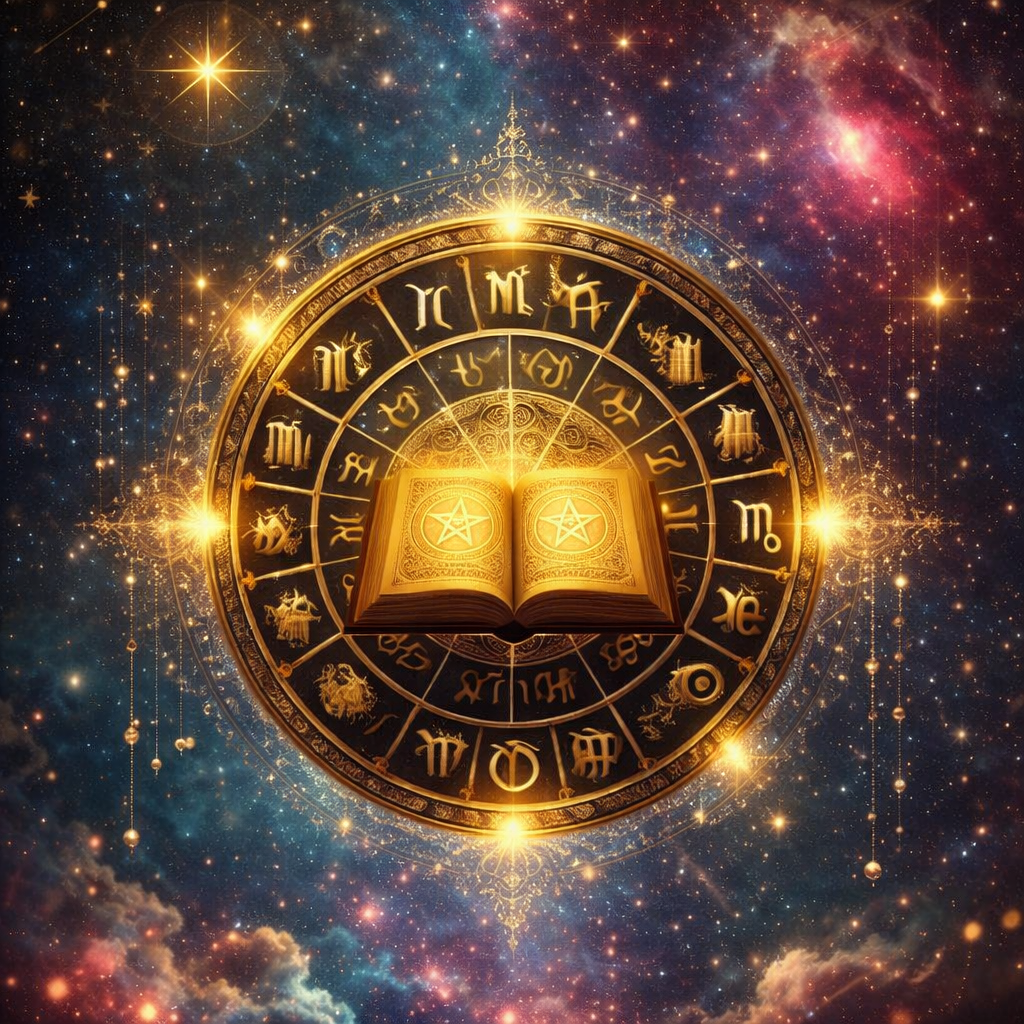

Review by Isolde Whitaker (Sacred Texts Editor) — 'The Astrologer's Handbook' by Julia Parker is a masterful synthesis of esoteric insights and practical astrological knowledge. Parker's deep understanding of the mystical traditions shines through, making this book an invaluable resource for both scholars and spiritual seekers. Her ability to weave together complex astrological concepts with vivid, evocative language sets this work apart. The strength of this handbook lies in its comprehensive approach, covering everything from the basics of astrological charting to the deeper, more arcane practices. It is a must-read for anyone serious about exploring the occult and mystical dimensions of astrology.
📝 Description
64
Julia Parker's 'The Astrologer's Handbook' was published in 1971, detailing astrological principles.
First published in 1971, Julia Parker's 'The Astrologer's Handbook' provides a detailed guide to astrological interpretation. The book covers the fundamentals of chart construction, including the zodiac signs, planets, houses, and aspects. Parker explains how these elements combine to form a unique astrological portrait for an individual. She also discusses predictive techniques, such as transits and progressions. The text encourages a thoughtful approach to astrology, viewing it as a tool for self-understanding and personal growth rather than simple fortune-telling.
The book aims to demystify astrological concepts for a general audience. It details the meanings associated with each planet in various signs and houses, and how planetary aspects create dynamics within a birth chart. Parker's method emphasizes the psychological and spiritual dimensions of astrological symbolism. The handbook also touches on broader astrological themes, such as karma and destiny, as expressed through the celestial map. Its extensive coverage makes it a comprehensive resource for those interested in learning the practical application of astrology.
Published during a resurgence of interest in occult and New Age philosophies, Julia Parker's 'The Astrologer's Handbook' aligns with the mid-20th century esoteric revival. This period saw a renewed focus on ancient wisdom traditions, including astrology, as pathways to spiritual development and self-discovery. The book fits within a lineage of Western esotericism that seeks to understand cosmic influences on human life, drawing from Hermeticism and Neoplatonism. It presents astrology not just as a predictive science but as a symbolic language for exploring consciousness and the human condition, reflecting a broader trend towards integrating psychological insights with spiritual practices.
💡 Why Read This Book?
Why read this book — 'The Astrologer's Handbook' is an indispensable guide for seekers of hidden knowledge, scholars of the esoteric, and practitioners of astrology. Julia Parker's work provides a rich tapestry of celestial wisdom, offering both practical tools and philosophical insights. Whether you are a beginner eager to learn the fundamentals or an experienced astrologer looking to deepen your understanding, this book will illuminate your path.
⭐ Reader Reviews
Honest opinions from readers who have explored this book.
❓ Frequently Asked Questions
Is 'The Astrologer's Handbook' suitable for beginners?
Yes, Julia Parker's work is accessible to beginners, providing clear explanations of astrological principles and practices.
What makes this handbook unique?
This handbook stands out due to its integration of mystical and occult themes, offering a deeper, more spiritual understanding of astrology.
Can this book be used for practical astrological work?
Absolutely, 'The Astrologer's Handbook' includes practical guidance and tools for astrological charting and interpretation.
Does the book cover historical and cultural contexts?
Yes, Parker delves into the historical and cultural significance of astrology, providing a comprehensive view of its evolution.
Is this book part of a series?
No, 'The Astrologer's Handbook' is a standalone work, though it complements other esoteric literature in its depth and scope.
🔮 Key Themes & Symbolism
Celestial Symbolism
Explore the profound symbolism of celestial bodies and their impact on human life. Parker looks at the mystical meanings behind the stars, planets, and constellations, revealing how they reflect and influence our spiritual journeys.
Astrological Charting
Learn the art of astrological charting, from basic principles to advanced techniques. This theme provides a comprehensive guide to interpreting natal charts, understanding planetary alignments, and predicting celestial influences.
Spiritual Astrology
Discover the spiritual dimensions of astrology, where celestial wisdom meets personal growth. Parker's insights into the esoteric traditions of astrology offer a path to deeper self-understanding and spiritual enlightenment.
💬 Memorable Quotes
Direct passages from the work, attributed to the author.
“Astrology is the language of the universe.”
— Parker emphasizes the universal significance of astrology, portraying it as a cosmic language that transcends cultural and temporal boundaries.
“Each planet holds a secret key to our destiny.”
— This phrase highlights the esoteric belief that planetary influences can unlock hidden aspects of our lives and guide us toward our true paths.
“The celestial dance is a symphony of divine order.”
— This metaphorical expression illustrates the harmony and order inherent in the cosmos, reflecting the spiritual harmony sought by astrologers.
“To understand the stars is to understand ourselves.”
— Parker's insight into the self-reflective nature of astrology, suggesting that by studying the heavens, we gain insight into our own souls.
💡 Key Ideas
Editorial paraphrase of the work's core concepts — not direct quotes.
The stars are mirrors reflecting our inner selves.
This quote underscores the mystical connection between the cosmos and the individual, suggesting that astrology reveals our true nature.
🌙 Esoteric Significance
Tradition
This book belongs to the Hermetic tradition, which emphasizes the interconnectedness of the macrocosm and microcosm. Hermeticism sees the universe as a unified whole, where celestial bodies and human beings are intrinsically linked. This perspective is central to Parker's exploration of astrology.
Symbolism
Key symbols in 'The Astrologer's Handbook' include the planets, zodiac signs, and astrological houses, each representing different aspects of the human experience. The symbolism of these celestial bodies is rich with esoteric meaning, reflecting the spiritual and mystical dimensions of astrology.
Modern Relevance
Today, , 'The Astrologer's Handbook' remains relevant to modern practitioners who seek to integrate astrological knowledge into their spiritual practices. It offers a bridge between ancient wisdom and contemporary understanding, providing tools and insights for those who wish to explore the mystical aspects of astrology.
👥 Who Should Read This Book
Beginners will find 'The Astrologer's Handbook' an accessible and enlightening introduction to the world of astrology. Scholars of the esoteric will appreciate Parker's deep dive into mystical traditions and her integration of occult themes. Spiritual seekers will be drawn to the book's philosophical significance and its exploration of the spiritual dimensions of astrology. Practitioners will benefit from the practical tools and techniques offered, enhancing their astrological skills and understanding.
📜 Historical Context
Written in an era where interest in the occult and mystical traditions was resurging, 'The Astrologer's Handbook' by Julia Parker is a product of a time when people sought deeper connections to the universe. The late 20th and early 21st centuries saw a renewed fascination with astrology, fueled by a desire to understand the cosmos and its influence on human life. Parker's work has had a significant impact on contemporary astrology, influencing both practitioners and scholars alike, and has contributed to the ongoing dialogue between science and spirituality.
📔 Journal Prompts
Reflect on how the celestial bodies in your natal chart influence your life.
What symbols in 'The Astrologer's Handbook' resonate with your personal journey?
How does understanding astrology deepen your connection to the universe?
Consider the historical context of astrology and its relevance today.
What insights from 'The Astrologer's Handbook' can you apply to your spiritual practice?
🗂️ Glossary
Hermeticism
A mystical and philosophical tradition that emphasizes the interconnectedness of the universe and the spiritual significance of celestial bodies.
Natal Chart
An astrological chart that maps the positions of the planets at the time of a person's birth, used to gain insights into their personality and life path.
Zodiac
A circle of twelve 30-degree divisions of celestial longitude that are centered upon the ecliptic, the apparent path of the Sun across the celestial sphere over the course of the year.
Planetary Alignments
The arrangement of planets in the sky at a particular time, believed to influence human affairs and natural events.
Celestial Bodies
Natural objects in the sky, such as stars, planets, and constellations, which are studied in astrology for their symbolic and spiritual significance.
This book appears in 1 collection
🔮 Readers Also Liked
Browse all →








More by Julia Parker
All books →

From the “Astrology” Collection
View all →








More Free Astrology & Cosmology Books
View all →