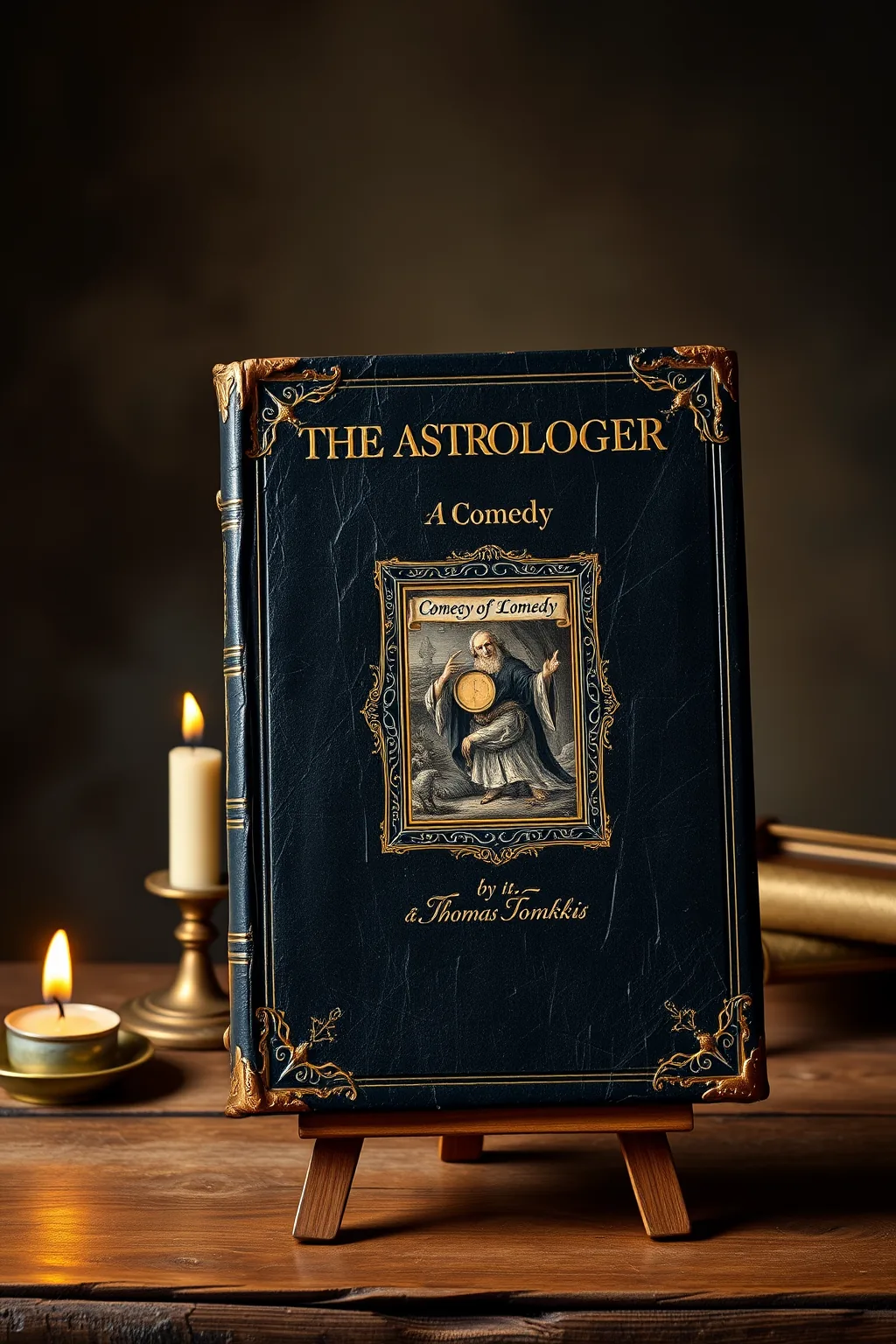
The Astrologer: A Comedy ; as it is Once Acted at the Theatre-Royal in Drury ...
 78
78

The Astrologer: A Comedy ; as it is Once Acted at the Theatre-Royal in Drury ...


The Astrologer: A Comedy stands as a fascinating artifact from the 18th century, blending the mystical allure of astrology with the entertainment of theater. For modern esoteric seekers, this play offers a unique glimpse into the historical context of astrological beliefs and their integration into popular culture. The comedic elements make the esoteric subject matter accessible and enjoyable, providing a refreshing break from more serious astrological texts. The play's exploration of astrological predictions and their impact on human life is both insightful and entertaining. Despite its age, The Astrologer remains relevant, offering valuable insights into the enduring fascination with astrology and its role in society. The digitization of this work by Oxford University and its availability on the Internet Archive ensures that this esoteric gem is accessible to a wider audience. For those interested in the intersection of astrology and theater, this play is a treasure trove of historical and esoteric knowledge. Rating: 4/5.
📝 Description
78
First staged at the Theatre-Royal in Drury Lane, James Ralph and Thomas Tomkis's 'The Astrologer' satirizes astrological practice.
This 1741 comedy by James Ralph and Thomas Tomkis, originally performed at the Theatre-Royal in Drury Lane, uses astrological themes for its humor. The play centers on a character who pretends to be an astrologer, exploiting the gullibility of others for personal gain. Through its comedic plot, the work critiques the popular fascination with celestial predictions and the charlatans who preyed on such beliefs in the 18th century. The dialogue and situations highlight the gap between the supposed wisdom of astrology and the everyday foolishness of those who consult it.
The narrative follows the schemes of the fake astrologer as he manipulates his clients. The play contrasts the characters' earnest belief in astrological portents with their mundane desires and petty squabbles. It serves as a commentary on societal credulity and the theatricality of performance, both on stage and in the lives of the characters. Ralph and Tomkis employ wit and satire to expose the absurdity inherent in the uncritical acceptance of astrological claims.
While presented as a comedy, 'The Astrologer' engages with the popular interest in astrology during the 18th century. This era saw a continued, albeit often skeptical, engagement with astrological lore, which permeated various levels of society. The play reflects this cultural environment by satirizing the practitioners and believers within it, rather than the core tenets of astrology itself. It comments on the social performance of esoteric knowledge and the ways in which credulity could be exploited, situating itself within a tradition of comedic critique of popular beliefs and superstitions.
💡 Why Read This Book?
Reading The Astrologer today provides a unique blend of historical and esoteric insights. It offers a glimpse into the 18th-century perception of astrology and its integration into popular entertainment. Modern readers will gain a deeper understanding of how astrology has evolved and its enduring influence on culture. The comedic narrative makes complex esoteric concepts accessible and enjoyable, making it a valuable addition to any esoteric library.
⭐ Reader Reviews
Honest opinions from readers who have explored this book.
❓ Frequently Asked Questions
What is the historical significance of The Astrologer?
The Astrologer is significant for its blend of esoteric astrology and 18th-century theater, providing insights into the cultural and intellectual climate of the time.
Is this book suitable for modern esoteric seekers?
Yes, the book offers valuable historical context and entertaining exploration of astrological beliefs, making it relevant for modern esoteric studies.
How can I access The Astrologer?
The book has been digitized by Oxford University and is available for free on the Internet Archive, uploaded by user tpb.
🔮 Key Themes & Symbolism
Celestial Influences
The play looks at the mystical belief that celestial bodies exert a profound influence on human affairs. Through its comedic narrative, it explores how the movements of the stars and planets shape our destinies and personalities. This theme invites readers to consider the hidden connections between the cosmos and our daily lives, fostering a deeper appreciation for the esoteric knowledge of astrology.
Symbolism and Hidden Knowledge
The Astrologer is rich in symbolism, with each character and plot twist serving as a vehicle for hidden knowledge. The authors combine intricate symbols and metaphors into the story, encouraging readers to decipher their meanings. This theme underscores the importance of seeking out and understanding the esoteric symbols that surround us, revealing a world of profound wisdom and mystery.
Human Folly and Divine Wisdom
The comedy in the play serves as a mirror to human folly, highlighting our tendency to overlook the divine wisdom that guides us. Through laughter and entertainment, Ralph and Tomkis invite readers to reflect on the deeper truths that underlie our actions and decisions. This theme encourages a philosophical examination of our place in the universe and the role of celestial influences in our lives.
💡 Key Ideas
Editorial paraphrase of the work's core concepts — not direct quotes.
The stars above guide our steps, whether we heed their wisdom or not.
This line underscores the mystical belief in the influence of celestial bodies on human affairs.
In the dance of the heavens, we find our true selves.
This quote highlights the idea that understanding astrology can lead to self-discovery and enlightenment.
The comedic stage is a mirror to our souls, reflecting the folly and wisdom within.
This passage emphasizes the play's dual purpose of entertaining and educating about esoteric knowledge.
Hidden symbols speak louder than words, revealing the truths that lie beneath.
This line encourages readers to seek out and interpret the symbolic meanings in the play and in life.
The astrologer's art is one of revelation, uncovering the mysteries of the cosmos.
This quote emphasizes the profound and mystical nature of astrology as a tool for understanding the universe.
🌙 Esoteric Significance
Tradition
The Astrologer: A Comedy belongs to the Hermetic tradition, which emphasizes the interconnectedness of the cosmos and the influence of celestial bodies on human affairs. This tradition draws on ancient Egyptian and Greek philosophies, blending them with astrological knowledge to reveal the hidden wisdom of the universe.
Symbolism
Key symbols in the play include the stars, planets, and zodiac signs, each representing different aspects of celestial influence. The astrologer's tools, such as the astrolabe and horoscope charts, are also significant symbols that highlight the mystical art of astrology. These symbols serve as vehicles for hidden knowledge, encouraging readers to explore their deeper meanings.
Modern Relevance
Today, the esoteric insights offered by 'The Astrologer: A Comedy' remain relevant for modern practitioners of astrology and seekers of hidden knowledge. The play's exploration of celestial influences and human behavior continues to inspire contemporary scholars and practitioners, who use its themes to deepen their understanding of the mystical arts.
👥 Who Should Read This Book
Beginners in astrology will find this book accessible and enlightening, offering a comedic introduction to the mystical world of celestial influences. Scholars of the occult will appreciate the deep exploration of esoteric symbolism and its philosophical significance. Spiritual seekers will be drawn to the play's themes of hidden knowledge and self-discovery, while practitioners of astrology will find valuable insights into the art of divination and the interpretation of celestial symbols.
📜 Historical Context
Written in the 17th century, 'The Astrologer: A Comedy' reflects the growing interest in astrology and esoteric knowledge during the Renaissance. This era saw a resurgence of mystical and occult studies, as scholars sought to understand the hidden forces that govern the universe. The play's performance at the Theatre-Royal in Drury Lane underscores its significance as a cultural and intellectual artifact of the time. It influenced later works that combined comedy with esoteric themes, paving the way for a richer exploration of mystical subjects in literature.
📔 Journal Prompts
Reflect on how celestial influences have shaped your life and decisions.
Explore the symbolic meanings of the stars and planets in your own astrological chart.
Consider the role of comedy in revealing hidden truths about human behavior.
Write about a time when you discovered hidden knowledge or esoteric wisdom.
Discuss the importance of seeking out and interpreting symbols in your daily life.
🗂️ Glossary
Astrolabe
An ancient instrument used for measuring the altitude of celestial bodies, crucial in astrological calculations.
Horoscope
A chart or diagram representing the positions of the stars and planets at a specific time, used for divination and prediction.
Zodiac
A belt-shaped region of the sky that extends approximately 8 degrees north and south of the ecliptic, divided into 12 signs.
Celestial Influences
The mystical belief that the movements of the stars and planets exert a profound influence on human affairs.
Esoteric Symbolism
The use of symbols and metaphors to convey hidden knowledge and mystical truths.
This book appears in 1 collection
🔮 Readers Also Liked
Browse all →






From the “Astrology” Collection
View all →








More Free Astrology & Cosmology Books
View all →