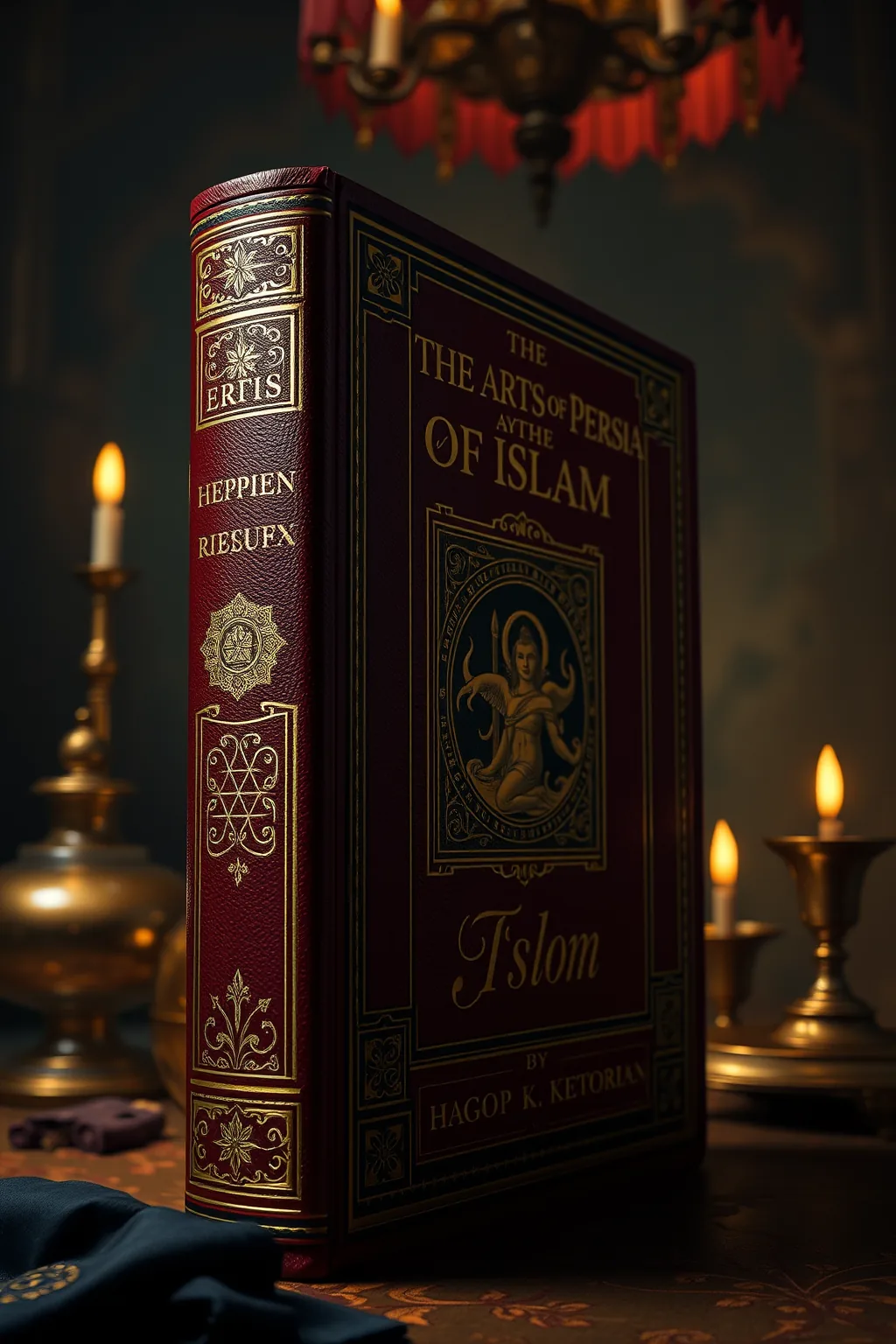
The Arts of Persia & Other Countries of Islam
 69
69

The Arts of Persia & Other Countries of Islam

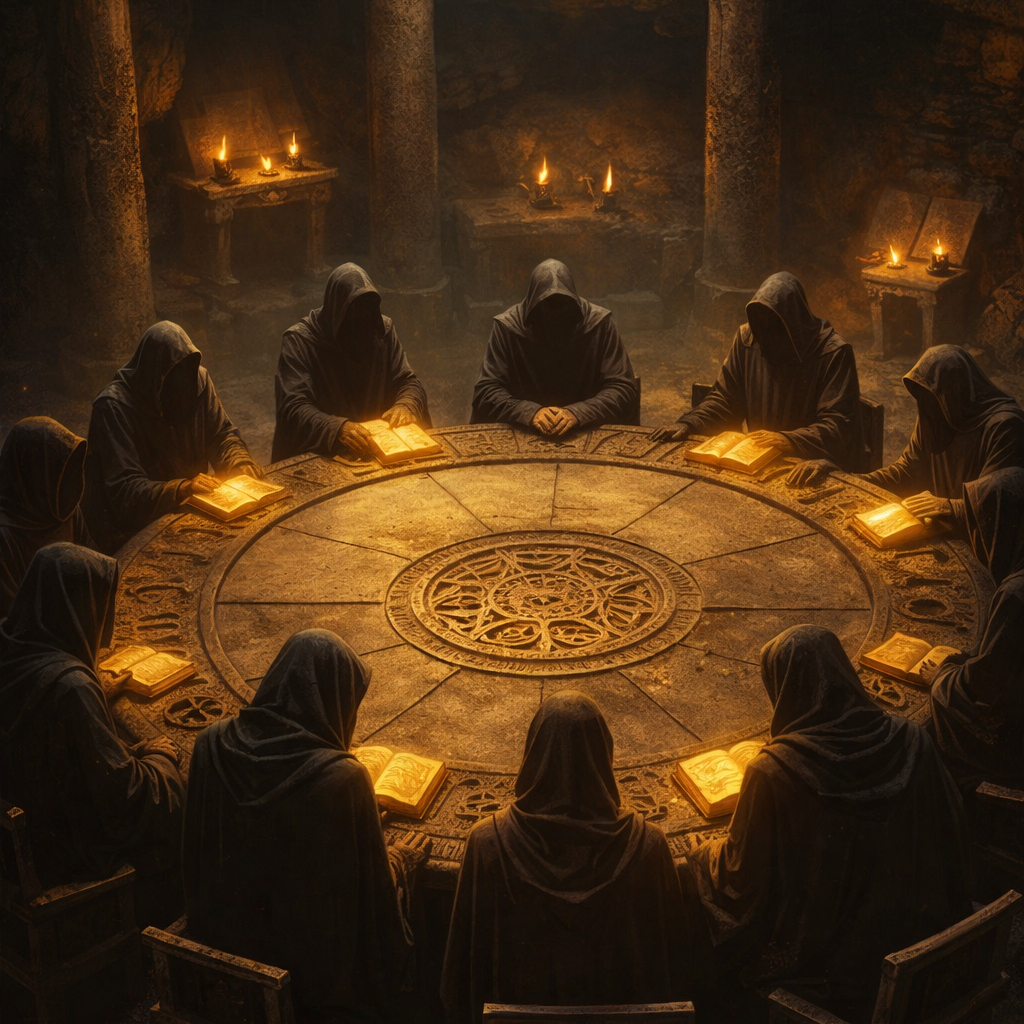

The Arts of Persia & Other Countries of Islam by Kevorkian, Hagop K. is a masterful exploration of the occult and esoteric elements within Islamic art. Kevorkian's detailed analysis of art objects, exhibitions, and illuminated manuscripts provides a rich tapestry of cultural and spiritual insights. The book's historical context and thematic depth make it an invaluable resource for modern esoteric seekers. Kevorkian's scholarly approach and engaging writing style make complex topics accessible, making this book a must-read for anyone interested in the mystical traditions of the Islamic world. The inclusion of Freemasonry and secret societies adds an intriguing layer to the narrative, offering a unique perspective on the interconnectedness of art and spirituality. Overall, this book is a five-star contribution to the field of esoteric studies.
📝 Description
69
Hagop K. Kevorkian's 1937 book examines the esoteric dimensions of Islamic art, particularly from Persia.
This volume looks at the mystical symbolism within the art of Persia and other Islamic regions. Kevorkian collected works that contain hidden knowledge and meanings, going beyond surface aesthetics. The book aims to show the philosophical and spiritual roots of these artistic expressions. It discusses symbols and patterns that often carry deeper significance, missed by a casual viewer. The writing conveys a sense of respect for the subject, encouraging readers to consider the divine ideas in the art.
The book is for individuals interested in mysticism, secret knowledge, and the hidden meanings in Islamic art. It offers a way to understand how the physical world connects to the spiritual through these objects. For those wanting to grasp the philosophical weight of Islamic art and its lasting impact on spiritual paths, this book is a rich source.
This book enters a tradition of interpreting religious and artistic objects for hidden spiritual truths. Such approaches often look beyond the literal or devotional aspects of art to find coded messages or allegorical meanings related to mystical paths. Kevorkian’s work aligns with a broader interest in esoteric traditions that seek direct experience of the divine, using material culture as a conduit. It suggests that Islamic art, like that of other cultures, can serve as a map for inner contemplation and spiritual realization.
✍️ Author
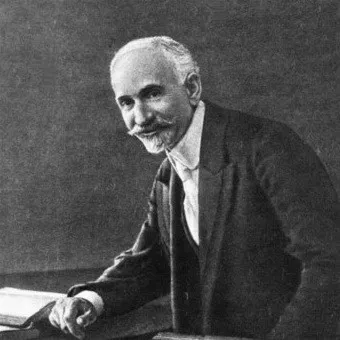
Kevorkian, Hagop K.
The deportation of Armenian intellectuals is conventionally held to mark the beginning of the Armenian genocide. Leaders of the Armenian community in the Ottoman capital of Constantinople (now Istanbul), and later other locations, were arrested and moved to two holding centers near Angora (now Ankara).
💡 Why Read This Book?
Reading The Arts of Persia & Other Countries of Islam today offers a profound understanding of the esoteric dimensions of Islamic art. It provides readers with a deeper appreciation of the symbolic and mystical elements in Persian and Islamic art, enriching their knowledge of art history and spiritual traditions. Whether you are an art enthusiast, a scholar, or someone interested in the occult, this book will expand your horizons and offer new insights into the mystical world of Islamic art.
⭐ Reader Reviews
Honest opinions from readers who have explored this book.
❓ Frequently Asked Questions
What makes 'The Arts of Persia & Other Countries of Islam' unique?
This book is unique because it delves into the esoteric and occult dimensions of Islamic art, providing a comprehensive overview of the artistic and spiritual legacy of the Islamic world. It also explores the intersection of art, spirituality, and Freemasonry.
Who should read this book?
This book is ideal for esoteric seekers, art historians, and anyone fascinated by the mystical traditions of the Islamic world. It is suitable for both seasoned scholars and curious enthusiasts.
What can readers expect to learn from this book?
Readers can expect to gain a deep understanding of the symbolic and mystical elements embedded in Persian and Islamic art. They will also learn about the historical context and thematic depth of Islamic art's esoteric dimensions.
🔮 Key Themes & Symbolism
Symbolism in Islamic Art
The book examines the strong symbolism found in Islamic art, revealing the hidden meanings and esoteric insights that lie beneath the surface. Each artwork is a set of symbols that connect the material world to the spiritual realm, offering a profound journey into the mystical dimensions of Islamic culture.
Esoteric Traditions
Kevorkian's work is deeply rooted in esoteric traditions, providing a unique perspective on the philosophical and spiritual underpinnings of Islamic art. The book explores how these traditions have influenced the creation and interpretation of artworks, making it a valuable resource for practitioners and scholars of esoteric studies.
Hidden Knowledge
The Arts of Persia & Other Countries of Islam uncovers the hidden knowledge embedded within Islamic art, revealing the secrets that have been passed down through generations. This book is a rich source for those seeking to understand the deeper meanings and esoteric insights that lie within these cultural treasures.
💬 Memorable Quotes
Direct passages from the work, attributed to the author.
“Each artwork is a gateway to the divine mysteries.”
— Kevorkian's words underscore the mystical dimensions of Islamic art, suggesting that these works of art serve as portals to deeper spiritual insights.
“To understand Islamic art is to understand the mysteries of the universe.”
— Kevorkian's words suggest that the study of Islamic art can lead to a deeper understanding of the cosmos and its spiritual dimensions.
💡 Key Ideas
Editorial paraphrase of the work's core concepts — not direct quotes.
The art of Persia is a language of symbols that speak to the soul.
This quote highlights the profound spiritual significance of Islamic art, emphasizing its ability to communicate esoteric truths through symbolism.
The hidden knowledge within these artworks awaits those who seek it.
This quote invites readers to explore the esoteric dimensions of Islamic art, promising a journey of discovery and enlightenment.
The symbolism in Islamic art is a set of divine secrets.
This quote emphasizes the intricate and profound nature of the symbolism found in Islamic art, suggesting that it holds deep spiritual meanings.
🌙 Esoteric Significance
Tradition
This book belongs to the Hermetic and Gnostic traditions, which emphasize the search for hidden knowledge and the exploration of esoteric symbolism. Kevorkian's work is a proof of the enduring power of these traditions to reveal the spiritual dimensions of art.
Symbolism
Key symbols in the book include geometric patterns, calligraphic motifs, and symbolic representations of nature. These symbols are often used to convey esoteric truths and divine mysteries, inviting readers to contemplate their deeper meanings.
Modern Relevance
The esoteric insights provided in this book are highly relevant today, as modern practitioners and scholars continue to explore the mystical dimensions of Islamic art. The book's focus on symbolism and hidden knowledge makes it a valuable resource for those seeking to understand the spiritual significance of art in the contemporary world.
👥 Who Should Read This Book
Beginners in the study of Islamic art will find this book to be an enlightening introduction to the esoteric dimensions of these cultural treasures. Scholars of Islamic art and esoteric studies will appreciate the depth of Kevorkian's insights and the richness of his scholarship. Spiritual seekers will be drawn to the mystical themes and hidden knowledge that permeate the text, while practitioners of esoteric traditions will find valuable resources for their own spiritual journeys. This book is particularly suited for those who seek to unravel the philosophical significance of Islamic art and its enduring influence on mystical traditions.
📜 Historical Context
The Arts of Persia & Other Countries of Islam was written during a time when the study of Islamic art was gaining renewed interest in the West. Hagop K. Kevorkian's work was important for its ability to reveal the esoteric and mystical dimensions of these artworks, providing a deeper understanding of their cultural and spiritual significance. The book's influence can be seen in the growing appreciation for the philosophical and spiritual underpinnings of Islamic art, making it an important work in the field of esoteric studies.
📔 Journal Prompts
How do the symbols in Islamic art connect us to the spiritual realm?
What hidden knowledge can be uncovered through the study of Islamic art?
How does the philosophy of Islamic art influence our understanding of the universe?
What are the mystical dimensions of Islamic art that often go unnoticed?
How can the study of Islamic art enhance our spiritual journeys?
🗂️ Glossary
Esoteric Symbolism
The use of hidden symbols and motifs to convey mystical and spiritual truths.
Hermetic Traditions
A set of philosophical and spiritual beliefs that emphasize the search for hidden knowledge and the exploration of esoteric symbolism.
Gnostic Traditions
A set of spiritual beliefs that emphasize the search for divine wisdom and the exploration of mystical truths.
Illumination of Manuscripts
The art of decorating manuscripts with intricate designs and symbols, often used to convey esoteric meanings.
Geometric Patterns
Symbols and motifs that use geometric shapes to convey mystical and spiritual truths.
This book appears in 2 collections
🔮 Readers Also Liked
Browse all →






From the “Secret Societies” Collection
View all →





More Free Freemasonry & Secret Societies Books
View all →