Terror Tarot
 82
82

Terror Tarot
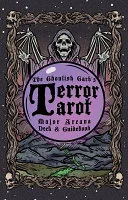
The Terror Tarot deck is a bold and visually arresting departure from the comforting familiarity of many modern tarot decks. Shanna Stoker and The Ghoulish Garb have succeeded in creating a Major Arcana that feels genuinely unsettling, not through cheap jump scares, but through a pervasive sense of unease woven into each illustration. The hand-drawn style, a clear nod to the legacy of Pamela Colman Smith, is executed with impressive detail, making the 'ghoulish' reimagining of each archetype compelling. A particular strength lies in the deliberate choice to make the cards reversible, a practical feature that unexpectedly enhances the thematic exploration of hidden depths or concealed horrors. However, the deck's intense focus on a singular dark aesthetic, while its primary appeal, might prove overwhelming for readers who prefer a more balanced or neutral visual language for their readings. The reimagining of The Tower, for example, is powerfully rendered but leaves little room for the potential for positive rebuilding often found in interpretations of that card. Ultimately, Terror Tarot is a striking artistic statement that offers a unique, albeit intense, perspective on the Major Arcana for those drawn to its particular brand of macabre beauty.
📝 Description
82
Shanna Stoker's Terror Tarot reimagines the 78-card deck with a macabre aesthetic.
Published in 2020, Terror Tarot reinterprets the 78-card tarot deck, focusing on the Major Arcana. While it follows the structure of the Arthur E. Waite and Pamela Colman Smith deck, its artistic style is dramatically different, featuring redrawn and recolored cards with a frightening visual approach. The goal was to infuse traditional symbolism with dread and the unsettling, aiming for a visceral response while keeping the archetypal narratives intact. This deck is for tarot practitioners and collectors drawn to darker themes and gothic or horror art. It suits those familiar with the Waite-Smith system who want a visually distinct deck that questions standard interpretations. Artists and designers interested in unique takes on esoteric imagery will also find value in its detailed, hand-drawn work.
The creation of Terror Tarot coincides with a contemporary revival of interest in traditional tarot, especially the Waite-Smith archetype from the early 20th century. Waite and Smith aimed to make occult symbols accessible, while Terror Tarot uses a horror lens to revisit these same archetypes. This approach has echoes in earlier artists like Austin Osman Spare, who explored dark psychological and occult ideas. The choice of independent publishing allows such specific artistic visions to reach audiences directly.
Terror Tarot emerges from a modern wave of interest in the Waite-Smith tarot tradition, itself a product of early 20th-century occult revivalism. Unlike its predecessors that sought to codify and popularize esoteric symbolism, this deck engages with those same archetypes through a horror and macabre aesthetic. It taps into a lineage of artists who explored darker psychological and occult territories, such as Austin Osman Spare, demonstrating how traditional esoteric structures can be recontextualized for contemporary tastes and artistic expressions.
💡 Why Read This Book?
• Gain a visceral understanding of the Major Arcana's archetypes through a unique horror-inspired lens, as exemplified by the unsettling reimagining of cards like The Devil, first published in 2020. • Explore the psychological depths of tarot symbolism beyond conventional interpretations, specifically engaging with the 'ghoulish' aesthetic developed by Shanna Stoker and The Ghoulish Garb. • Experience a deck designed for practical divination with an artistic edge, featuring reversible cards that enhance the exploration of darker, hidden meanings within the Waite-Smith framework.
⭐ Reader Reviews
Honest opinions from readers who have explored this book.
❓ Frequently Asked Questions
What is the primary artistic style of the Terror Tarot deck?
The Terror Tarot deck features a hand-drawn artistic style, meticulously crafted and colored by its creators, Shanna Stoker and The Ghoulish Garb, aiming for a vibrant and frightening aesthetic.
How does Terror Tarot relate to the traditional Waite-Smith tarot deck?
Terror Tarot is based on the 22 Major Arcana structure established by Arthur E. Waite and Pamela Colman Smith, but reimagines each card's imagery with a dark, ghoulish, and terrifying theme.
What kind of imagery can be expected in Terror Tarot?
Expect deeply unsettling and haunting renditions of traditional tarot archetypes, transforming symbolic aspects from the grave up to evoke a sense of dread and the macabre.
Who would most appreciate the Terror Tarot deck?
This deck is ideal for tarot enthusiasts who enjoy darker aesthetics, gothic art, horror themes, and those seeking to explore the shadow aspects of the Major Arcana.
What makes the physical design of the Terror Tarot deck notable?
The deck features 22 reversible cards with black edges, finished with a lavish coating, contributing to its unique and striking presentation.
When was the Terror Tarot deck first published?
The Terror Tarot deck was first published on November 10, 2020.
🔮 Key Themes & Symbolism
The Subversion of Archetypes
Terror Tarot deliberately twists the familiar narratives of the 22 Major Arcana cards into unsettling, horror-infused visions. This reinterpretation challenges the reader to confront the shadow aspects of each archetype, moving beyond their traditional meanings. For example, the Emperor might be depicted as a tyrannical figure, or The Hermit as one lost in a desolate, haunted landscape. The deck's creators, Shanna Stoker and The Ghoulish Garb, leverage a dark, hand-drawn aesthetic to achieve this, ensuring that the 'frightening rendition' is central to the deck's purpose.
Gothic Aesthetics in Divination
The deck fully embraces a ghoulish and macabre visual language, aligning with gothic and horror traditions. This aesthetic choice is not merely superficial; it aims to evoke specific emotional responses and associations with fear, decay, and the uncanny. The meticulous hand-drawn and colored illustrations are designed to be both beautiful and terrifying, creating a unique atmosphere for readings. This focus on a dark, visually rich style appeals to those who find power and insight in the darker corners of art and symbolism.
The Major Arcana's Journey
Fundamentally, Terror Tarot follows the archetypal journey of the Major Arcana, as established by Arthur E. Waite and Pamela Colman Smith. Each of the 22 cards represents a significant stage or lesson in the soul's progression. The deck's unique contribution is presenting this journey through the lens of terror, suggesting that confronting our deepest fears and darkest impulses is an integral part of spiritual or personal growth.
Independent Artistic Vision
As an independently published work from 2020, Terror Tarot exemplifies a contemporary trend where artists and creators bypass traditional publishing routes to realize unique visions. The three-person team behind the deck, including Shanna Stoker, meticulously designed and executed every aspect of the artwork. This independence allows for niche themes and unconventional aesthetics, like the 'ghoulish' style, to find an audience without compromise.
💬 Memorable Quotes
Direct passages from the work, attributed to the author.
“Embodying the essence of the traditional deck created and popularized by Arthur E. Waite and Pamela Coleman Smith...”
— This phrase grounds the deck's artistic reimagining within the established framework of the Waite-Smith system, indicating that the symbolic core remains, even as the visual presentation undergoes a radical, frightening transformation.
“...this independently published Major Arcana deck features a vibrant and frightening rendition of each card...”
— This highlights the deck's core purpose: to present the traditional Major Arcana in a visually striking, yet unsettling manner, emphasizing its unique aesthetic appeal and departure from conventional tarot imagery.
“...reimagining every symbolic aspect from the grave up.”
— This evocative statement underscores the depth of the artistic overhaul, suggesting that the creators have fundamentally re-envisioned the symbolism, infusing it with themes of death, decay, and the macabre.
“Each beautifully haunting image was meticulously designed, hand-drawn, and colored by our three-person team.”
— This emphasizes the dedication to craftsmanship and the artistic effort invested in creating the deck, assuring potential users of the quality and unique, handcrafted nature of the artwork.
“The 22 reversible, black-edged cards are finished with a lavish...”
— This points to the physical quality and unique features of the deck, highlighting practical elements like reversibility and aesthetic details such as black edging, contributing to its overall 'ghoulish' presentation.
🌙 Esoteric Significance
Tradition
Terror Tarot operates within the Western Esoteric tradition, specifically drawing from the lineage established by the Rider-Waite-Smith tarot system. While adhering to the 22 Major Arcana structure popularized by Arthur E. Waite and Pamela Colman Smith, it departs from their illustrative intent. Instead of aiming for clear, didactic symbolism, it infuses the archetypes with a 'ghoulish' aesthetic, exploring the darker, more unsettling facets of the human psyche and spiritual journey. It fits within contemporary independent tarot creation, which often reinterprets established systems with unique artistic lenses.
Symbolism
The deck's primary symbolic innovation lies in its aesthetic transformation. Traditional symbols are rendered through a lens of horror. For instance, the Death card might incorporate imagery of decay and spectral figures, emphasizing not just transformation but the visceral fear of mortality. The Lovers card could depict a forbidden or tragic union, highlighting the 'frightening' potential of choice and connection. The Tower's destruction might be shown with more explicit, terrifying detail, underscoring the raw power of upheaval.
Modern Relevance
Contemporary practitioners of shadow work, gothic subcultures, and artists interested in the intersection of horror and spirituality find relevance in Terror Tarot. Its dark aesthetic appeals to modern explorations of psychological duality and the confrontational aspects of self-discovery, aligning with trends in dark fantasy art and occult studies that embrace the unsettling. Thinkers and artists who explore liminal spaces, the uncanny, and the catharsis found in confronting fear can draw inspiration from its visual language.
👥 Who Should Read This Book
• Tarot practitioners seeking to explore the shadow aspects of the Major Arcana through a distinct horror aesthetic, moving beyond conventional interpretations of archetypes like The Devil or The Tower. • Collectors of unique and artistically driven tarot decks who appreciate detailed, hand-drawn illustrations with a dark, gothic, or macabre theme, first published in 2020. • Individuals interested in the intersection of occult symbolism and horror genres, looking for a deck that uses frightening imagery to evoke deeper psychological and spiritual insights.
📜 Historical Context
The creation of Terror Tarot in 2020 situates it within a dynamic period for tarot, marked by both a return to classic structures and an explosion of independent artistic expression. The deck directly references the foundational Waite-Smith deck, a central work first published in 1909 that democratized occult symbolism. While Waite and Smith aimed for clarity and esoteric instruction, Terror Tarot, spearheaded by Shanna Stoker and The Ghoulish Garb, injects a potent dose of horror and gothic aesthetics. This artistic direction can be seen as a contemporary echo of earlier darker explorations in occult art, such as the work of Austin Osman Spare, who examined psychological and often disturbing imagery. Unlike the more broadly accessible decks of the mid-20th century or the New Age interpretations that followed, Terror Tarot caters to a specific taste for the macabre. Its independent publishing model bypasses the need for mainstream appeal, allowing a niche artistic vision to flourish, much like early 20th-century occultists often operated outside academic or commercial norms.
📔 Journal Prompts
The 'ghoulish' rendition of The Fool, and its perceived peril.
The symbolic meaning of the black-edged, reversible cards in your own shadow work.
The transformation of the traditional Lovers archetype into a 'frightening' depiction.
Reflecting on the hand-drawn artistry and its contribution to the deck's unsettling atmosphere.
The concept of confronting archetypal fears presented in the Major Arcana reimagined from the grave up.
🗂️ Glossary
Major Arcana
The set of 22 trump cards in a tarot deck, representing significant life lessons, spiritual stages, and archetypal influences on the querent's journey.
Waite-Smith Deck
Refers to the tarot deck created by Arthur Edward Waite and illustrated by Pamela Colman Smith, first published in 1909, known for its symbolic imagery and influential structure.
Ghoulish
Relating to or characteristic of a ghoul; monstrous, terrifying, and often associated with death, decay, and the macabre.
Reversible Cards
Tarot cards designed with artwork that appears consistent regardless of whether they are oriented upright or upside down, often used for aesthetic or practical reasons in readings.
Archetype
A universal, symbolic figure, pattern, or motif that recurs in the collective unconscious and finds expression in myths, dreams, and art, such as those depicted in the Major Arcana.
Esoteric
Intended for or likely to be understood by only a small number of people with a specialized knowledge or interest; often pertaining to mystical or occult subjects.
Shadow Work
A psychological practice involving the exploration and integration of the unconscious, repressed, or disowned aspects of the personality, often associated with darker or less desirable traits.