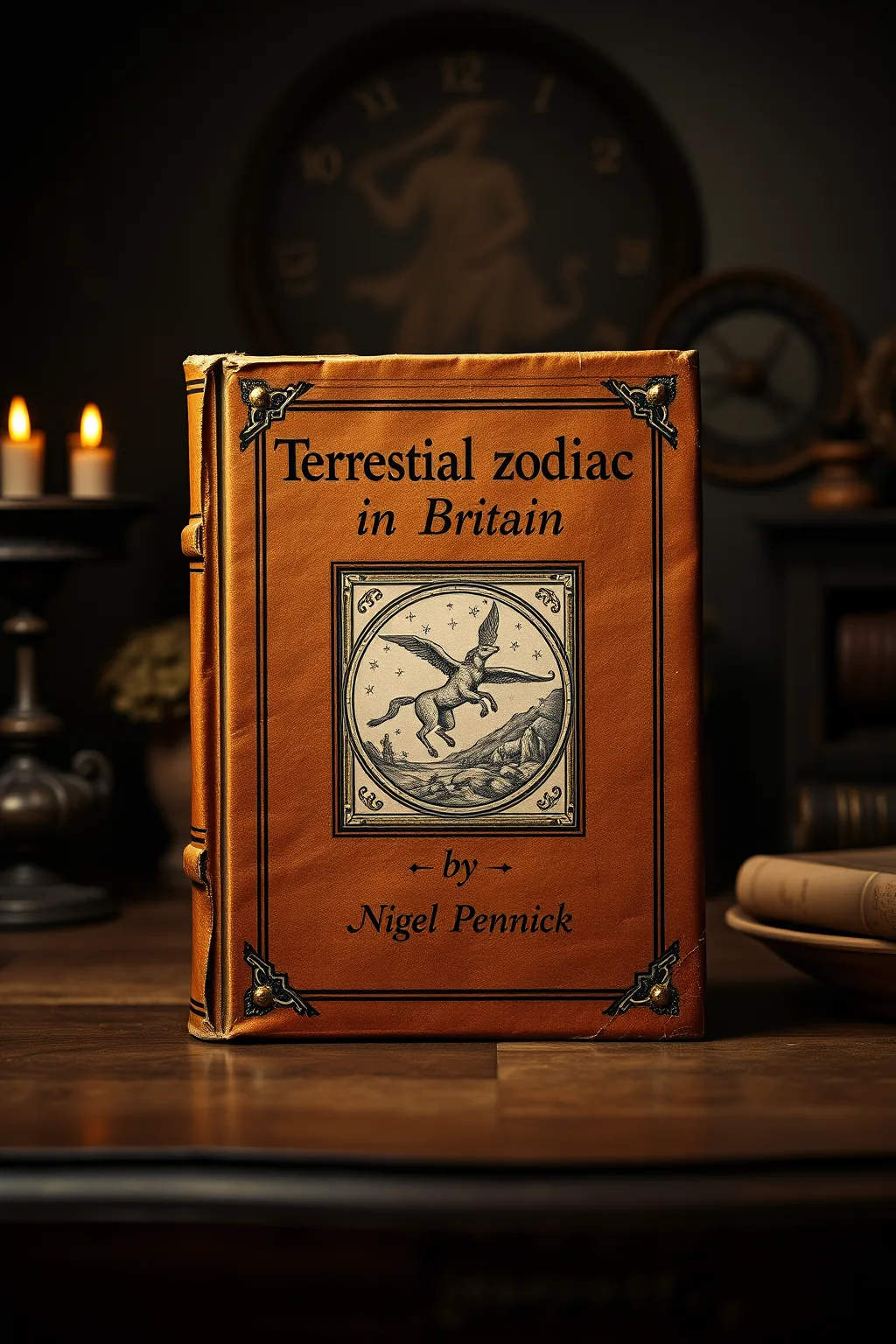
Terrestrial zodiac in Britain
 61
61

Terrestrial zodiac in Britain



Silas Hawthorne, Hermetic Studies Editor — Nigel Pennick's 'Terrestrial Zodiac in Britain' is a masterful unveiling of geomantic secrets and celestial correspondences. Pennick's erudition illuminates the ancient British relationship with the land, revealing how it was perceived as a living zodiacal map. His meticulous research into sacred sites and their astronomical alignments offers profound insights into pre-Christian cosmologies. This work is indispensable for anyone interested in the esoteric geography of Britain, geomancy, or the ancient art of earth-listening. It transcends mere academic study, offering a pathway to deeper spiritual understanding and a reconnection with the planet's latent energies. Highly recommended for serious practitioners and scholars alike.
📝 Description
61
Nigel Pennick's 1988 book examines how ancient Britons mapped the cosmos onto their land.
In 'Terrestrial Zodiac in Britain,' Nigel Pennick investigates the ancient British practice of aligning terrestrial features with celestial patterns. The book details how sacred sites, ley lines, and geographical formations were understood as earthly reflections of stellar arrangements and zodiacal energies. Pennick argues that early Britons viewed the Earth as a conscious entity, interwoven with cosmic intelligence.
This work deciphers the symbolism found in these alignments, suggesting a holistic worldview where the Earth and the heavens were in constant dialogue. It is written for those interested in the connections between geography, mythology, and cosmology in ancient Britain. The author aims to show how this perspective reveals a sacred geometry binding the human scale to the universal.
The book invites readers to consider the metaphysical structure of Britain as perceived by its earliest inhabitants. It covers specific examples of how this terrestrial zodiac was conceived and expressed through landscape features and ritual practices.
This book fits within the tradition of geomancy and earth mysteries, which explore the energetic and symbolic connections between the land and the cosmos. It draws parallels to ancient systems of dowsing and landscape divination found in various cultures. Pennick's work in this area is often associated with the study of earth energies and their relationship to human consciousness and historical sites. The focus is on understanding ancient beliefs about the Earth as a living system influenced by celestial forces.
💡 Why Read This Book?
Uncover the lost art of terrestrial divination and celestial mapping. 'Terrestrial Zodiac in Britain' reveals how sacred sites and landscapes echo cosmic patterns, offering a unique lens for understanding ancient British spirituality. Ideal for geomancers, ley line enthusiasts, and seekers of hidden geographical wisdom who wish to connect with the earth's mystical energies.
⭐ Reader Reviews
Honest opinions from readers who have explored this book.
❓ Frequently Asked Questions
What is a terrestrial zodiac?
A terrestrial zodiac refers to the concept of the Earth's surface and its geographical features being organized and imbued with symbolic meanings mirroring the celestial zodiac. It suggests a sacred geography where landscapes reflect cosmic energies.
How does this book connect to geomancy?
The book explores the foundational principles of geomancy by examining how ancient Britons oriented their sacred sites and perceived the land in relation to celestial influences, a core tenet of geomantic practice.
Is this book suitable for beginners?
While rich in detail, the book's comprehensive exploration of complex esoteric concepts makes it most rewarding for those with some prior interest in mysticism, sacred geography, or ancient symbolism. Beginners may find it a deep dive.
What kind of research methods are used?
Pennick draws upon a synthesis of archaeology, folklore, comparative mythology, and esoteric traditions, meticulously analyzing ancient site alignments and symbolic patterns within the British landscape.
Can the concepts in this book be applied today?
Absolutely. Understanding the terrestrial zodiac can foster a deeper connection with the natural world, enhance personal divination practices, and offer new perspectives on sacred spaces and their energetic potential.
🔮 Key Themes & Symbolism
Sacred Geography and Cosmic Alignment
This theme studies the profound belief that the British landscape was meticulously designed and perceived as a direct reflection of celestial order. Pennick illustrates how ancient peoples charted sacred sites, earthworks, and natural formations to mirror the constellations and zodiacal bands, suggesting a conscious effort to harmonize earthly existence with the cosmic dance. It explores the energetic pathways and symbolic resonance believed to exist between specific locations and stellar influences, transforming the land into a living, breathing astrological chart.
The Earth as a Living Oracle
Beyond mere geographical mapping, this theme posits the Earth itself as an active participant in divination and spiritual communion. The book explores how ancient Britons interpreted the 'language' of the land—its contours, ley lines, and sacred springs—as a form of divine communication. This perspective views terrestrial features not as static elements but as conduits of cosmic wisdom, offering guidance, prophecy, and a means to understand the underlying spiritual currents of existence. It is an invitation to listen deeply to the planet's subtle energies.
Symbolism of Place and Ancestral Wisdom
This theme unearths the body of symbolism embedded within the British Isles' ancient sites and their connection to the terrestrial zodiac. Pennick deciphers the meaning behind specific geographical markers and their association with astrological archetypes, revealing a sophisticated system of knowledge passed down through generations. It highlights how these places served as focal points for ritual, initiation, and the preservation of ancestral wisdom, linking the present generation to the profound spiritual heritage of their forebears and the enduring power of place.
💬 Memorable Quotes
Direct passages from the work, attributed to the author.
“Britain's ancient stones whisper cosmic secrets.”
— Suggests that the ancient megalithic structures and sacred sites are imbued with a hidden, astronomical and astrological knowledge waiting to be deciphered by those who can attune to their silent messages.
“Geomancy is the art of reading the Earth's celestial pulse.”
— Defines geomancy as more than just earth divination; it is an esoteric practice of sensing and interpreting the vital, cosmic energies that flow through the planet, directly influenced by stellar movements.
“Every hill and valley holds a zodiacal sign.”
— Emphasizes the pervasive nature of the terrestrial zodiac, suggesting that the entire landscape, down to its smallest features, carries symbolic astrological significance and can be interpreted as part of a larger cosmic map.
“To walk the land is to walk amongst the stars.”
— This poetic statement highlights the immersive spiritual experience of engaging with the terrestrial zodiac, where the physical act of traversing the landscape becomes a journey through cosmic dimensions and ancient wisdom.
💡 Key Ideas
Editorial paraphrase of the work's core concepts — not direct quotes.
The stars above are mirrored in the earth below.
This quote expresses the core premise: the celestial patterns and zodiacal energies are not confined to the heavens but are imprinted upon the terrestrial plane, creating a profound interconnectedness.
🌙 Esoteric Significance
Tradition
The book deeply draws from the traditions of Western Esotericism, particularly geomancy, astrology, and sacred geography. It aligns with ancient Hermetic principles of 'As Above, So Below,' suggesting that the cosmic order is reflected in the terrestrial realm. This work also connects to Neopagan and Druidic revivals, which often emphasize the spiritual significance of the land and its ancient sites as repositories of power and knowledge.
Symbolism
Key symbols include the zodiacal signs themselves, interpreted not just in the sky but through landforms, stone circles, and the layout of sacred sites. Ley lines function as energetic conduits, mirroring celestial pathways. Natural features like hills, rivers, and springs are imbued with specific astrological and elemental meanings, creating a complex symbolic language that allows the landscape to be read as a cosmic chart.
Modern Relevance
In an age of increasing disconnection from nature, 'Terrestrial Zodiac in Britain' offers a profound re-enchantment of the landscape. It provides practical tools for modern practitioners to engage with geomancy, earth energies, and sacred sites. The book encourages a deeper, more respectful relationship with the planet, fostering an understanding of its inherent spiritual intelligence and our place within its cosmic design.
👥 Who Should Read This Book
This profound exploration is essential for dedicated seekers of ancient wisdom, scholars of comparative mythology and esoteric history, and practitioners of geomancy, ley line studies, and earth-based spirituality. Beginners with a nascent interest in the mystical connections between land and sky will find it an informative, albeit in-depth, introduction. Experienced practitioners will discover new layers of understanding and practical applications for their work. Anyone yearning to perceive the British Isles not just as land, but as a living, breathing cosmic map, will find immense value within these pages.
📜 Historical Context
Pennick's 'Terrestrial Zodiac in Britain' emerges from a rich tradition of Western esotericism that flourished particularly during the late 19th and early 20th centuries, a period marked by a resurgence of interest in ancient paganism, Druidic lore, and mystical interpretations of landscape. This era saw scholars and occultists like Alfred Watkins (Ley Lines) and Lewis Spence (archaeology and mythology) re-examining British prehistory through a more spiritual and symbolic lens. Pennick builds upon this foundation, but grounds his work in a more direct engagement with geomantic principles and astrological correspondences, offering a synthesis that speaks to both historical archaeological findings and contemporary esoteric practices. The book reflects a growing desire to reconnect with ancestral knowledge and perceive the Earth as a sacred, living entity.
📔 Journal Prompts
Meditate on a local geographical feature and consider its potential zodiacal or elemental correspondence. What 'message' does it convey?
Research the history and potential alignments of a local ancient site. How might it have been perceived in relation to the stars by its builders?
Draw a map of your immediate surroundings and overlay potential energetic pathways or symbolic correspondences based on Pennick's principles.
Reflect on the feeling of a place. Does it evoke certain astrological energies or moods? How can you interpret this feeling as a form of terrestrial divination?
Consider how the concept of a 'terrestrial zodiac' might influence your personal relationship with the natural world and your sense of belonging within it.
🗂️ Glossary
Geomancy
An ancient divinatory art that interprets figures formed by casting earth or stones, often believed to represent terrestrial and celestial influences. It is a key method for reading the Earth's energies.
Ley Lines
Perceived straight lines or 'currents' of spiritual or mystical energy that connect ancient sites, monuments, and natural features across the landscape, often thought to mirror celestial alignments.
Sacred Geography
The study and interpretation of places that hold spiritual or religious significance, often viewed as imbued with divine power, cosmic order, or symbolic meaning.
Terrestrial Zodiac
The concept of the Earth's surface and its geographical features being organized and imbued with symbolic meaning that mirrors the celestial zodiac, essentially an astrological map of the land.
Esotericism
A broad category of spiritual traditions, philosophies, and practices that emphasize hidden knowledge, mystical insight, and inner transformation, often distinct from mainstream religious or academic discourse.
This book appears in 5 collections
🔮 Readers Also Liked
Browse all →






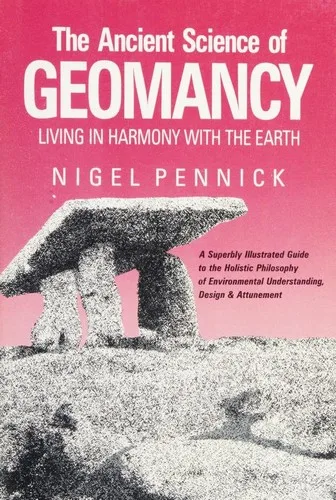
More by Nigel Pennick
All books →




From the “Astrology” Collection
View all →








More Free Divination & Tarot Books
View all →