Tarot for Beginners : How to Do a Basic Tarot Reading for Yourself or a Friend
 61
61

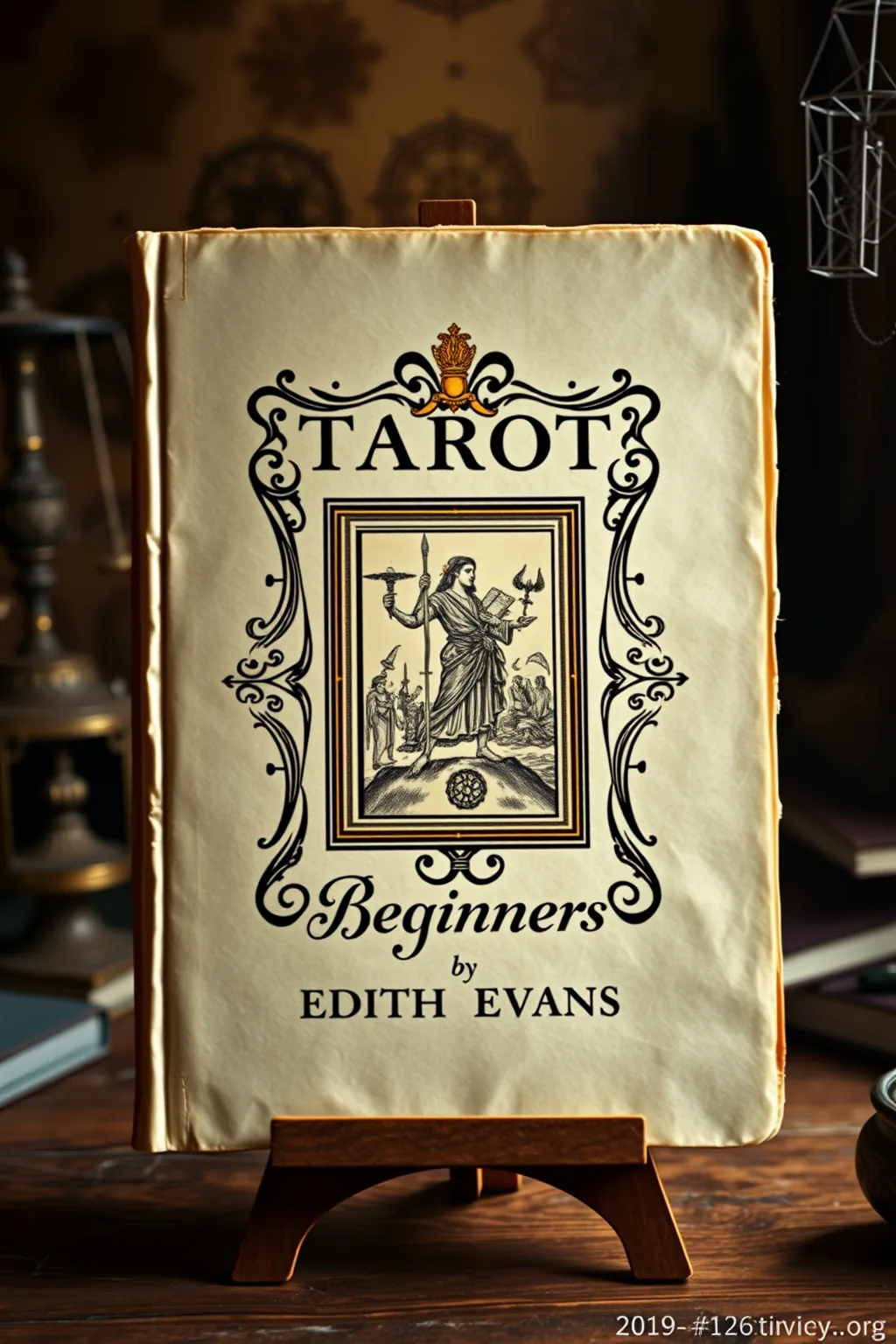
Tarot for Beginners : How to Do a Basic Tarot Reading for Yourself or a Friend



Lorelei Sage (Contemplative Literature Editor) — Edith Evans' "Tarot for Beginners" is a beacon for those drawn to the esoteric currents of the Tarot. With luminous prose, Evans transcends the simplistic mechanics of card interpretation, instead offering a profound engagement with the archetypal energies and hidden meanings that resonate within the deck. Her approach is both reverent and accessible, making complex symbolism understandable without sacrificing its mystical depth. This work is an invaluable primer for anyone seeking to establish a personal, intuitive relationship with the Tarot, moving beyond rote memorization to a genuine understanding of its spiritual and psychological dimensions. An essential addition to any seeker's library.
📝 Description
61
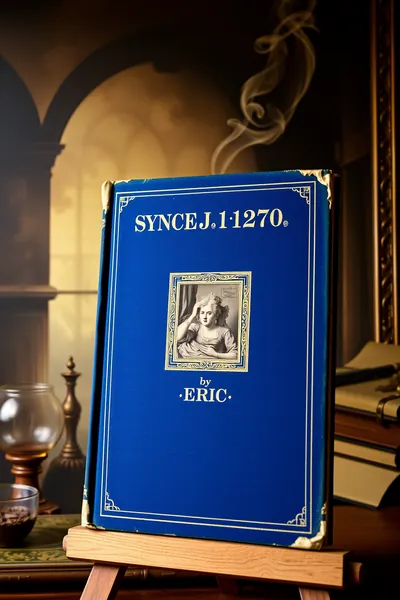
Edith Evans' "Tarot for Beginners" published in 1972 offers a clear entry into reading tarot cards.
This book serves as a direct guide for individuals new to tarot. It breaks down the symbolic language of the seventy-eight cards, covering both the Major and Minor Arcana. Evans focuses on how to interpret the cards for personal insight rather than predicting future events. The text explains how to approach a reading for oneself or for another person. It encourages the development of intuition through the study of tarot imagery and meanings.
Evans presents the tarot as a system for self reflection. She details basic spreads and card meanings, aiming to demystify the process for the novice. The book emphasizes understanding the archetypal figures and their messages. It is structured to build confidence in a new reader's abilities. The goal is to foster a connection with the cards as a tool for inner exploration.
Within the esoteric tradition, this book aligns with practical approaches to divination that emerged in the 20th century. Unlike more complex occult systems, Evans' work focuses on the psychological and intuitive aspects of tarot. It draws from earlier 19th and 20th-century revivalist movements in Western esotericism that sought to make tools like the tarot accessible for personal growth. The book positions tarot as a psychological mirror, a concept that gained traction alongside depth psychology.
💡 Why Read This Book?
Embark on a transformative journey of self-awareness and intuitive awakening. "Tarot for Beginners" offers a clear, yet deeply spiritual, introduction to the ancient art of Tarot. Ideal for seekers longing for inner wisdom, students of occult traditions, and anyone wishing to cultivate a more profound connection with themselves and the universe through symbolic language.
⭐ Reader Reviews
Honest opinions from readers who have explored this book.
❓ Frequently Asked Questions
What is the primary purpose of learning Tarot?
The primary purpose is not just to predict the future, but to gain insight into present circumstances, understand subconscious patterns, and foster personal growth and self-awareness through symbolic interpretation.
Do I need a special deck to start?
While many beautiful and unique decks exist, "Tarot for Beginners" emphasizes understanding the core meanings and symbolism. A Rider-Waite-Smith-based deck is often recommended for its rich imagery and widespread adoption in learning resources, but the principles can be applied universally.
How often should I practice Tarot?
Regular practice, even for a few minutes daily, is more beneficial than infrequent, lengthy sessions. Consistent engagement helps build intuition, familiarity with the cards, and a deeper understanding of their messages for yourself and others.
Can Tarot readings be negative?
Tarot readings reflect energies and potentials, not fixed destinies. While challenging aspects may arise, they are opportunities for growth and transformation, highlighting areas where conscious effort can lead to positive change.
Is Tarot a form of magic?
Tarot is considered a tool of divination and introspection, drawing upon archetypal energies and universal symbolism. While it can be incorporated into magical practices, its core function is to provide guidance and illuminate the inner landscape.
🔮 Key Themes & Symbolism
The Archetypal Journey
This book studies the Tarot as a profound map of the human psyche and spiritual evolution. It explores how the Major Arcana represent universal archetypes and life stages, guiding the reader to recognize these patterns within their own journey. Understanding these archetypal energies provides a framework for navigating life's challenges and opportunities, fostering a deeper comprehension of the self and its place within the cosmic order.
Symbolic Language of the Cards
Evans illuminates the collection of symbolism woven into each Tarot card. From the elemental correspondences in the Minor Arcana to the profound imagery of the Major Arcana, the book teaches how to decipher these visual cues. This symbolic literacy is key to unlocking the intuitive messages of the cards, transforming them from mere pictures into potent conduits of wisdom and insight.
Intuitive Divination and Self-Reflection
Beyond rote memorization, "Tarot for Beginners" champions the development of personal intuition. It presents Tarot not as a rigid system of prediction, but as a contemplative tool for self-reflection and inner dialogue. By learning to connect with the cards on a soul level, readers are empowered to access their own inner knowing, leading to greater clarity, personal empowerment, and a more profound understanding of their life's path.
💬 Memorable Quotes
Direct passages from the work, attributed to the author.
“Each symbol is a key, unlocking the ancient doors of wisdom.”
— This suggests that the diverse imagery in Tarot holds profound, often forgotten, knowledge waiting to be discovered.
“Divination is not about fate, but about unfolding potential.”
— This reframes Tarot reading as a proactive tool for understanding possibilities and making conscious choices rather than passively accepting destiny.
“The Fool's journey is the journey of every soul.”
— This points to the universal nature of the archetypes, suggesting that the lessons of the Tarot are applicable to everyone's life experience.
“Listen to the whispers; the universe speaks through the cards.”
— This encourages an intuitive and receptive approach to Tarot, implying that the messages are subtle and require focused attention to perceive.
💡 Key Ideas
Editorial paraphrase of the work's core concepts — not direct quotes.
The cards are a mirror to the soul, reflecting the hidden landscapes within.
This quote emphasizes Tarot's introspective nature, highlighting its power to reveal subconscious thoughts and feelings.
🌙 Esoteric Significance
Tradition
Rooted in the Western Esoteric Tradition, "Tarot for Beginners" draws heavily from Hermeticism, Kabbalah, and Jungian psychology. It presents Tarot as a symbolic language that maps the archetypal journey of the soul, echoing the alchemical process of transformation and the quest for self-realization. The deck is viewed not merely as a divinatory tool but as a sacred text, a microcosm of the universe and the human experience, designed to facilitate spiritual growth and inner illumination.
Symbolism
The book emphasizes the profound symbolism embedded within each Tarot card, from the celestial imagery of the Major Arcana to the elemental narratives of the Minor Arcana. Key symbols like the Wheel of Fortune, the High Priestess, and the elements (Wands, Cups, Swords, Pentacles) are explored for their deeper meanings, connecting them to universal archetypes, psychological states, and stages of spiritual development. Understanding this rich symbolic lexicon is presented as the gateway to intuitive interpretation.
Modern Relevance
In an age often characterized by disconnection and existential uncertainty, "Tarot for Beginners" offers a timeless pathway to inner wisdom and self-understanding. It reframes Tarot from a mystical curiosity into a practical tool for navigating modern life, fostering intuition, enhancing decision-making, and promoting mental and emotional well-being. The book's accessible approach ensures that ancient esoteric knowledge remains relevant, empowering contemporary individuals to find clarity, purpose, and a deeper connection to their own inner guidance system.
👥 Who Should Read This Book
This guide is a perfect initiation for absolute beginners eager to explore the mystical world of Tarot. It also serves seasoned practitioners seeking to refine their foundational understanding and intuitive connection to the cards. Scholars of esoteric traditions will find value in its clear articulation of archetypal symbolism, while spiritual seekers will discover a profound tool for introspection and self-discovery. Anyone drawn to the power of symbolic language and the quest for inner wisdom will find "Tarot for Beginners" an indispensable companion.
📜 Historical Context
Emerging from a collection of esoteric traditions, the Tarot deck, as we know it, solidified its form in the 18th century, drawing upon cartomancy, Kabbalistic symbolism, and astrological influences. This era saw a burgeoning interest in occultism and hidden knowledge across Europe, with figures like Antoine Court de Gébelin linking the Tarot to ancient Egyptian mysteries. "Tarot for Beginners" taps into this lineage, presenting a modern interpretation of a practice that has served as a spiritual and divinatory tool for centuries. Its continued relevance speaks to a persistent human yearning to connect with deeper truths and understand the unseen forces that shape existence, making it a vital bridge between historical esoteric thought and contemporary seekers.
📔 Journal Prompts
Reflect on the Fool's journey: What new beginnings are calling to you right now?
Choose a card from the Major Arcana that appeals to your current life situation and journal about its message.
How can you integrate the lesson of the 'The Hermit' into your daily life for greater introspection?
Consider the suits of the Minor Arcana (Wands, Cups, Swords, Pentacles) and identify which element you feel most drawn to or challenged by currently.
If you drew a card for advice on a current challenge, what would it be, and how would you interpret it intuitively?
🗂️ Glossary
Arcana
Refers to the two main divisions of the Tarot deck: the Major Arcana (22 cards depicting significant life lessons and archetypal journeys) and the Minor Arcana (56 cards representing daily events and experiences).
Divination
The practice of seeking knowledge of the future or the unknown by supernatural means, often through tools like the Tarot, which are believed to access hidden information or intuitive insights.
Archetype
A universal, inherited pattern of thought or imagery derived from the experiences of the human race, as expressed in myths, art, and literature. In Tarot, archetypes are represented by the Major Arcana cards.
Intuition
The ability to understand something immediately, without the need for conscious reasoning. In Tarot, intuition is key to interpreting the cards beyond their literal meanings.
Cartomancy
The practice of using playing cards or Tarot cards for fortune-telling or divination. Tarot is a specific form of cartomancy that uses a specialized deck.
This book appears in 3 collections
🔮 Readers Also Liked
Browse all →
From the “Tarot” Collection
View all →
More Free Divination & Tarot Books
View all →