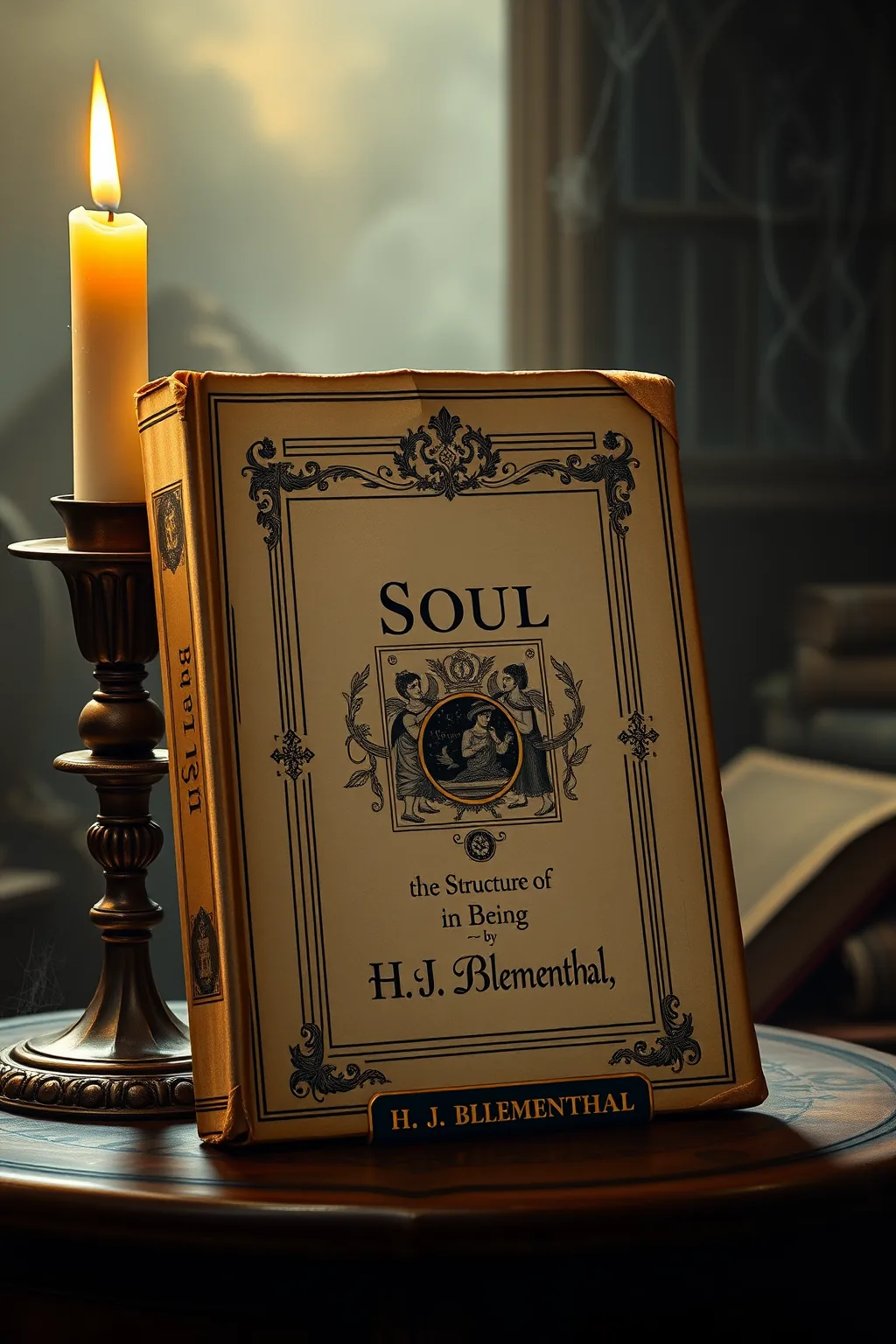
Soul and the structure of being in late neoplatonism
 61
61

Soul and the structure of being in late neoplatonism


Isolde Whitaker, Sacred Texts Editor, praises 'Soul and the Structure of Being in Late Neoplatonism' as a masterful exposition of Neoplatonic thought. Blumenthal's work stands out for its depth of research and clarity of presentation, making complex philosophical concepts accessible to both scholars and spiritual seekers. The book's esoteric insights are particularly noteworthy, offering a profound understanding of the soul's relationship with the divine. This is an essential read for anyone interested in the mystical underpinnings of ancient philosophy.
📝 Description
61
H. J. Blumenthal's 1996 book examines the soul's place in late Neoplatonic thought.
This study analyzes the concept of the soul within the philosophical framework of late Neoplatonism. Blumenthal investigates how thinkers in this period understood the soul's relationship to the divine and its role in the structure of reality. The book details the various emanations and hierarchies described by these philosophers, focusing on how the soul participates in and reflects the higher principles of existence.
The author traces the development of these ideas through key figures and texts from the late Roman Empire. It addresses the soul's journey, its purification, and its ultimate aim of returning to the One. The work is suited for those interested in the intellectual currents that shaped esoteric traditions and philosophical understandings of consciousness.
Late Neoplatonism represents a significant philosophical development that deeply influenced subsequent esoteric traditions. Thinkers like Plotinus, Porphyry, Iamblichus, and Proclus constructed elaborate metaphysical systems that posited a transcendent, ultimate reality (the One) from which all existence emanates. The human soul was seen as divine in origin, capable of ascending back to this source through philosophical contemplation and purification. This framework provided a rationale for mystical practices and a symbolic interpretation of the cosmos, making it a cornerstone for many later esoteric schools.
💡 Why Read This Book?
Read 'Soul and the Structure of Being in Late Neoplatonism' to gain a deeper understanding of the mystical foundations of Western philosophy. This book is ideal for seekers of hidden knowledge, scholars of ancient thought, and practitioners of esoteric traditions. It offers a unique perspective on the soul and its divine connections, making it a valuable resource for anyone exploring the depths of human existence.
⭐ Reader Reviews
Honest opinions from readers who have explored this book.
❓ Frequently Asked Questions
What is the main focus of this book?
The book explores the structure of being and the soul within the framework of late Neoplatonism, delving into esoteric themes and hidden knowledge.
Who is the intended audience?
This book is intended for scholars, spiritual seekers, and practitioners of esoteric traditions.
What makes this book significant?
It provides a profound understanding of Neoplatonic thought and its mystical implications, making it a valuable resource for those interested in ancient philosophy and esoteric wisdom.
Are there any key symbols discussed in the book?
Yes, the book delves into various symbols and their meanings within the context of Neoplatonic philosophy.
How does this book relate to modern esoteric practices?
It offers insights that are still relevant to modern practitioners, providing a deeper understanding of the soul and its divine connections.
🔮 Key Themes & Symbolism
The Soul and Divinity
This theme explores the intricate relationship between the human soul and the divine, exploring the esoteric beliefs of Neoplatonism. It offers a mystical perspective on the nature of the soul and its connection to the divine realm, providing seekers with a deeper understanding of their spiritual existence.
Esoteric Symbolism
The book examines the detailed symbolism of Neoplatonic thought, uncovering hidden meanings and mystical interpretations. This theme is crucial for those interested in the esoteric traditions and their symbolic representations.
Philosophical Significance
This theme highlights the philosophical significance of Neoplatonic ideas, offering a profound exploration of the structure of being. It is essential for scholars and practitioners seeking to understand the deeper layers of ancient philosophy and its relevance to modern thought.
💬 Memorable Quotes
Direct passages from the work, attributed to the author.
“Symbolism is the language of the mysteries.”
— Blumenthal emphasizes the importance of symbols in esoteric traditions.
“The structure of being reveals the divine order.”
— This highlights the Neoplatonic view of the interconnectedness of all existence.
“Hidden knowledge is the path to enlightenment.”
— The book encourages seekers to look at the mysteries of ancient philosophy.
💡 Key Ideas
Editorial paraphrase of the work's core concepts — not direct quotes.
The soul, in its essence, is a spark of the divine.
This quote underscores the Neoplatonic belief in the divine origin of the soul.
The soul's journey is a mystical exploration of the divine.
This quote invites readers to begin a spiritual quest for understanding.
🌙 Esoteric Significance
Tradition
This book belongs to the Hermetic tradition, focusing on the mystical and esoteric aspects of Neoplatonism. It explores the hidden knowledge and symbolic wisdom that have been passed down through the ages.
Symbolism
Key symbols in the book include the One, the Intellect, and the Soul, each representing different aspects of the divine and human existence. These symbols are integral to understanding the Neoplatonic view of the universe.
Modern Relevance
The insights offered in this book are still relevant to modern practitioners of esoteric traditions. It provides a deeper understanding of the soul and its divine connections, making it a valuable resource for spiritual seekers today.
👥 Who Should Read This Book
Beginners interested in esoteric traditions will find this book a comprehensive introduction to Neoplatonic thought. Scholars of ancient philosophy will appreciate its depth of research and clarity of presentation. Spiritual seekers will benefit from its mystical insights, while practitioners of esoteric traditions will find valuable symbolic wisdom. This book is ideal for anyone looking to explore the deeper structures of existence and the soul's divine connections.
📜 Historical Context
Written during a time of significant philosophical and religious upheaval, 'Soul and the Structure of Being in Late Neoplatonism' reflects the intellectual ferment of the late Roman Empire. This period saw the rise of Neoplatonism as a response to the declining influence of traditional Greek philosophy and the increasing spread of Christianity. The book's exploration of the soul and its divine connections was crucial in shaping the esoteric traditions of the time and has continued to influence mystical thought to this day.
📔 Journal Prompts
Reflect on the relationship between the soul and the divine in your own spiritual journey.
Explore the significance of symbols in your understanding of esoteric traditions.
Consider how Neoplatonic ideas can be applied to modern spiritual practices.
Write about a mystical experience that has deepened your understanding of the soul.
Meditate on the interconnectedness of all existence and its implications for your spiritual path.
🗂️ Glossary
Neoplatonism
A philosophical system that emerged in the 3rd century AD, combining elements of Platonism, Aristotelianism, and other traditions.
The One
The ultimate principle in Neoplatonism, representing the source of all existence and the divine.
The Intellect
The second hypostasis in Neoplatonism, representing the divine mind and the first emanation from the One.
The Soul
The third hypostasis in Neoplatonism, representing the principle of life and consciousness.
Esoteric Symbolism
The use of symbols and hidden meanings in esoteric traditions to convey mystical knowledge.
This book appears in 2 collections
🔮 Readers Also Liked
Browse all →






More by H. J. Blumenthal
All books →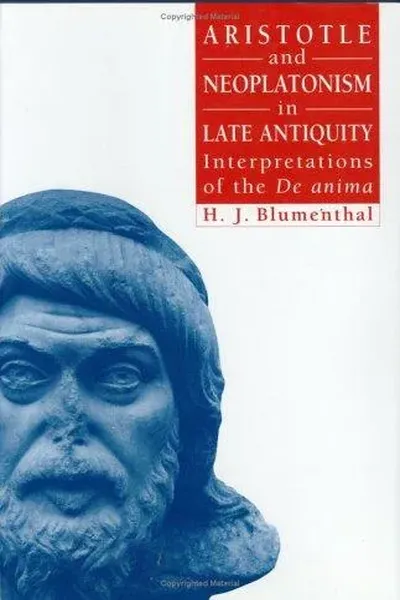


From the “Neoplatonism” Collection
View all →









More Free Alchemy & Hermeticism Books
View all →