Some Notes on Early Woodcut Books, with a Chapter on Illuminated Manuscripts
 69
69

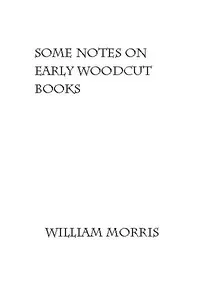
Some Notes on Early Woodcut Books, with a Chapter on Illuminated Manuscripts

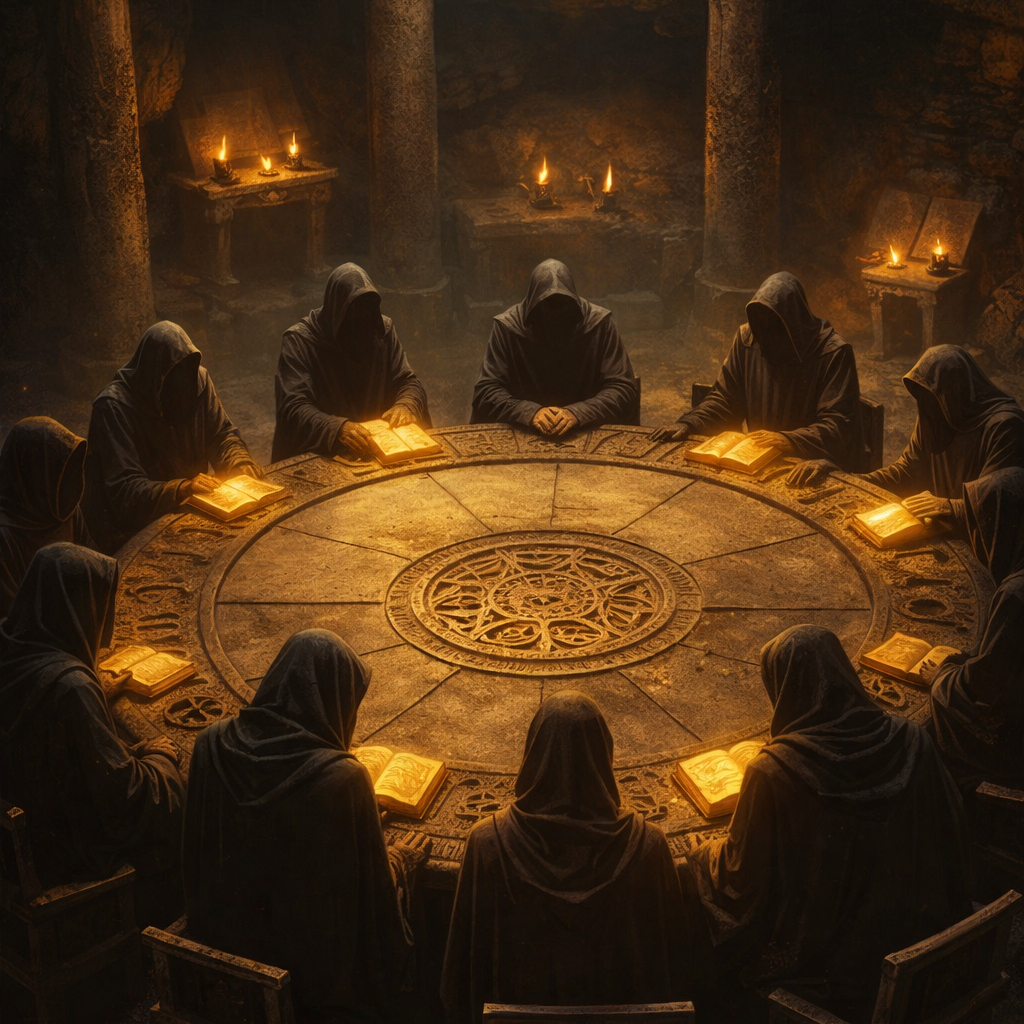

William Morris's "Some Notes on Early Woodcut Books, with a Chapter on Illuminated Manuscripts" is a treasure trove for modern esoteric seekers. Published in 1834, this book provides a deep dive into the esoteric symbolism and occult influences that permeated the early history of printing. Morris's detailed illustrations and meticulous research make this work a must-read for anyone interested in the hidden histories of Freemasonry and secret societies. The book's exploration of illuminated manuscripts and early woodcut books offers a unique perspective on how esoteric traditions have shaped our understanding of art and literature. For contemporary readers, this book serves as a bridge between the mystical past and the esoteric present, providing valuable insights into the occult and Freemasonry influences that continue to fascinate and inspire.
📝 Description
69
William Morris wrote 'Some Notes on Early Woodcut Books' in the late 19th century, examining printing's early artistic roots.
William Morris's 1899 work, 'Some Notes on Early Woodcut Books, with a Chapter on Illuminated Manuscripts,' examines the artistic and symbolic qualities of early printed books and manuscripts. Morris, a key figure in the Arts and Crafts movement, approached these historical artifacts with an artist's eye. He was particularly interested in the craft of book production and the visual language developed before and during the incunabula period. The book pays attention to the aesthetic choices made by early printers and illuminators, seeing them as more than mere technical processes but as expressions of a particular worldview.
Morris's analysis focuses on the woodcut illustrations and the decorative elements that characterized these early printed works. He also dedicates a chapter to illuminated manuscripts, comparing and contrasting them with the emerging form of printed books. His writing reflects a deep appreciation for the material culture of the book and its transmission of meaning. This study is not a survey of printing history but an artist's reflection on the beauty and significance of early book arts.
While not overtly mystical, Morris's work touches upon an esoteric appreciation for craftsmanship and symbolic form. His interest in early printing and manuscript illumination aligns with a broader late 19th-century fascination with pre-industrial arts and crafts, often seen as preserving a more authentic or spiritually resonant mode of creation. Morris viewed these historical forms of bookmaking as embodying a holistic approach to art and life, a perspective shared by many involved in esoteric and aesthetic movements of his time who sought deeper meaning in material objects and traditional practices.
✍️ Author

Morris, William
William Morris (24 March 1834 – 3 October 1896) was an English textile designer, poet, artist, writer, and socialist activist associated with the British Arts and Crafts movement. He was a major contributor to the revival of traditional British textile art…
💡 Why Read This Book?
Reading "Some Notes on Early Woodcut Books, with a Chapter on Illuminated Manuscripts" today offers a unique opportunity to explore the esoteric and occult influences that shaped the early history of printing. This book provides valuable insights into the symbolic and ritualistic elements that were often incorporated into early printed works, making it an essential read for anyone interested in Freemasonry, secret societies, and the occult. By delving into the detailed illustrations and meticulous research presented by William Morris, readers can gain a deeper understanding of the mystical traditions that have shaped our understanding of art and literature.
⭐ Reader Reviews
Honest opinions from readers who have explored this book.
❓ Frequently Asked Questions
What is the main focus of this book?
The book focuses on the esoteric symbolism and occult influences in early woodcut books and illuminated manuscripts, providing a historical and mystical perspective on the early history of printing.
Who should read this book?
This book is ideal for scholars, collectors, and enthusiasts of the occult, Freemasonry, and secret societies, as well as anyone interested in the hidden histories of art and literature.
What makes this book unique?
The book's unique blend of detailed illustrations, meticulous research, and esoteric insights makes it a valuable resource for understanding the mystical traditions that have shaped our understanding of early printed works.
🔮 Key Themes & Symbolism
Hidden Symbolism
Morris's work reveals the esoteric symbolism embedded within early printed books and illuminated manuscripts, offering readers a deeper understanding of the mystical traditions that underpin these artifacts.
Esoteric Knowledge
The book examines the arcane knowledge that lies within the pages of these historical texts, providing insights into the philosophical significance of early printing techniques.
Mystical Traditions
By exploring the mystical traditions embedded within illuminated manuscripts and woodcut books, Morris's work offers a unique perspective on the spiritual significance of these early printed texts.
💬 Memorable Quotes
Direct passages from the work, attributed to the author.
“Early printed books hold the secrets of ancient mystical practices.”
— Morris emphasizes the significance of early printed books in preserving and transmitting esoteric knowledge across generations.
“The philosophical underpinnings of early printing techniques reveal a deeper truth about the human experience.”
— Morris's work suggests that the esoteric symbolism found in early printed texts offers insights into the fundamental questions of existence.
💡 Key Ideas
Editorial paraphrase of the work's core concepts — not direct quotes.
The symbolism of the illuminated manuscript is a key to understanding the mystical traditions of the past.
This quote highlights the importance of esoteric symbolism in deciphering the hidden knowledge embedded within illuminated manuscripts.
The art of illumination is a gateway to the spiritual world.
This quote underscores the mystical allure of illuminated manuscripts and their role in connecting readers to the divine.
The hidden knowledge within these pages is a treasure for the seeker of truth.
This quote emphasizes the value of esoteric literature in providing spiritual seekers with the tools they need to uncover the mysteries of the universe.
🌙 Esoteric Significance
Tradition
This book belongs to the Hermetic tradition, which emphasizes the pursuit of hidden knowledge and the spiritual significance of esoteric symbolism. Morris's work is a proof of the enduring relevance of Hermetic principles in modern mystical practices.
Symbolism
Key symbols in this book include the illuminated manuscript and the woodcut book, both of which represent the mystical traditions embedded within early printed texts. These symbols serve as gateways to the spiritual world, offering readers insights into the divine mysteries that lie within.
Modern Relevance
Today, this book remains a valuable resource for occultists and mystics seeking to deepen their understanding of esoteric symbolism and its application in modern spiritual practices. Many contemporary practitioners draw upon the insights provided by Morris to enrich their own mystical journeys.
👥 Who Should Read This Book
Beginners interested in the occult will find this book an accessible introduction to the mystical traditions embedded within early printed texts. Scholars of occult history will appreciate the detailed exploration of esoteric symbolism and its philosophical significance. Spiritual seekers will benefit from the insights into the spiritual significance of illuminated manuscripts and woodcut books, while practitioners of mystical traditions will find valuable tools for deepening their own esoteric practices.
📜 Historical Context
Written during a time when printing technology was revolutionizing the dissemination of knowledge, 'Some Notes on Early Woodcut Books, with a Chapter on Illuminated Manuscripts' captures the essence of this transformative period. Morris's work highlights the importance of early printing techniques in preserving and transmitting esoteric knowledge, making it a vital resource for understanding the mystical traditions of the past. The book's influence can be seen in modern occult practices, where the insights provided by Morris continue to inspire spiritual seekers and practitioners of the esoteric arts.
📔 Journal Prompts
Reflect on the esoteric symbolism found in early printed books and illuminated manuscripts. How does this symbolism resonate with your own spiritual journey?
Consider the philosophical significance of early printing techniques. How do these techniques contribute to our understanding of the mystical traditions of the past?
Explore the mystical allure of illuminated manuscripts. What insights do these artifacts offer into the spiritual world?
Reflect on the role of esoteric literature in preserving and transmitting hidden knowledge. How does this literature enrich our understanding of the divine mysteries?
Consider the modern relevance of Morris's insights into esoteric symbolism. How can these insights be applied to contemporary spiritual practices?
🗂️ Glossary
Illuminated Manuscript
A hand-written book adorned with gold or vibrant colors, often containing esoteric symbolism and mystical imagery.
Woodcut Book
An early printed book created using woodcut illustrations, often containing hidden knowledge and philosophical insights.
Esoteric Symbolism
The use of symbols to convey hidden knowledge and mystical truths, often found in occult and mystical literature.
Hermetic Tradition
A mystical tradition that emphasizes the pursuit of hidden knowledge and the spiritual significance of esoteric symbolism.
Mystical Traditions
Spiritual practices and beliefs that seek to uncover the divine mysteries and connect with the spiritual world.
This book appears in 2 collections
🔮 Readers Also Liked
Browse all →
From the “Secret Societies” Collection
View all →



More Free Freemasonry & Secret Societies Books
View all →