Silber
 82
82

Silber
Kerstin Gier’s "Silber" offers an intriguing premise: the ability to traverse the dreamscapes of others. The novel’s strength lies in its meticulously crafted rules for this dream-walking, making it feel less like arbitrary magic and more like a skill with tangible consequences. Liv's initial bewilderment and gradual mastery of her abilities are convincingly portrayed. However, the narrative occasionally falters under the weight of its own intricate plot. While the introduction of various factions and their agendas adds depth, it sometimes distracts from Liv’s personal journey. A particularly engaging sequence involves Liv’s first deliberate attempt to alter a dream, highlighting both the power and the ethical tightrope she walks. The translation by Anthea Bell maintains a fluid, accessible prose. Ultimately, "Silber" presents a unique take on the supernatural, grounded by relatable adolescent concerns.
📝 Description
82
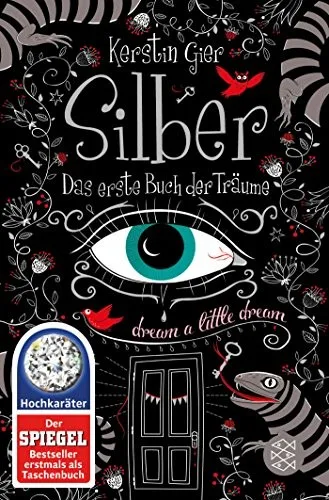
Kerstin Gier's 2016 novel Silber follows Liv, a teenager who can enter the dreams of others.
Liv discovers her ability to enter the dreams of others is not a simple psychic gift but a complex, inherited trait linked to a secret lineage. As she learns to manage this power, she encounters other dream-walkers and uncovers a hidden world operating beneath everyday reality. The narrative follows her personal growth as she navigates the implications of her abilities and the clandestine society that comes with them. The story blends coming-of-age struggles with a larger, hidden conflict.
This young adult fantasy novel appeals to readers who enjoy protagonists discovering extraordinary abilities and learning to manage unfamiliar social dynamics. Those who appreciate magic systems with defined rules and consequences will find the book particularly engaging. The blend of personal growth and a secret conflict offers a read that moves beyond simple escapism.
Published in 2016, Silber touches upon themes of inherited abilities and secret societies. The novel's central concept is 'dream-walking,' the capacity to enter and influence the dreams of others. This skill is depicted as a tangible, hereditary trait with specific parameters and dangers, rather than a vague psychic power. The book also examines 'silber,' a form of dream-fabric or subconscious ether, hinting at a hidden layer of reality accessible through altered states of consciousness.
💡 Why Read This Book?
• Understand the mechanics of 'dream-walking' as presented in Gier's unique framework, learning how the 'silber' acts as a subconscious plane, offering insights into a structured approach to exploring inner worlds distinct from generic psychic abilities. • Experience Liv’s coming-of-age narrative as she navigates the complexities of inherited secret abilities, offering a relatable portrayal of responsibility and self-discovery that goes beyond typical YA fantasy tropes. • Explore the symbolic landscape of dreams, examining how Gier uses dream imagery to reflect characters' hidden desires and fears, providing a specific lens through which to analyze subconscious narratives.
⭐ Reader Reviews
Honest opinions from readers who have explored this book.
❓ Frequently Asked Questions
What is the primary ability explored in Kerstin Gier's Silber?
The primary ability in "Silber" is 'dream-walking,' the capacity for individuals to consciously enter and interact within the dreams of other people. This is depicted as a hereditary trait with specific rules and potential dangers.
Who is the author and translator of Silber?
The original author of "Silber" is Kerstin Gier, and the English translation was completed by Anthea Bell. The book was first published in 2016.
What is 'silber' in the context of the book?
In "Silber," 'silber' refers to a metaphysical substance or plane that dream-walkers navigate. It can be understood as the fabric of the subconscious, a shared dream space where these abilities manifest and can be manipulated.
What age group is Silber intended for?
While "Silber" features a teenage protagonist, its themes and narrative complexity appeal to a broad young adult audience and older readers who enjoy speculative fiction with well-developed world-building.
Does Silber have sequels or a series?
Yes, "Silber" is the first book in a trilogy by Kerstin Gier, followed by "Saphirblau" (Ruby) and "Smaragdgrün" (Emerald), continuing Liv's story and the exploration of dream-walking.
What makes the dream-walking in Silber different from other fantasy stories?
"Silber" differentiates itself by establishing a clear, almost scientific system for dream-walking, including specific rules, limitations, and a unique concept of the 'silber' itself, moving beyond vague psychic powers.
🔮 Key Themes & Symbolism
The Mechanics of Dream-Walking
The novel meticulously defines 'dream-walking' not as an ethereal gift but as a tangible, hereditary skill. Liv learns that entering dreams requires specific techniques and carries inherent risks, including encountering other dream-walkers or becoming trapped. The concept of 'silber,' the subconscious ether connecting dreams, is central to understanding how these abilities function, offering a structured approach to reading through the inner lives of others.
Inherited Legacies and Secrets
Liv's discovery of her dream-walking ability is intertwined with uncovering her family's hidden history. The burden of carrying such a secret, passed down through generations, shapes her perception of herself and her relationships. The narrative explores the ethical considerations of using these powers, particularly when family members have their own agendas related to the 'silber' and its potential.
The Dichotomy of Reality
"Silber" plays with the contrast between the mundane, everyday world and the hidden reality of the dreamscape. Liv's adolescent life, filled with school and social anxieties, becomes increasingly complicated by her nocturnal adventures. This duality highlights how subconscious desires and hidden truths can influence waking life, and how the boundaries between the two are more permeable than typically assumed.
Adolescent Self-Discovery
Fundamentally, the book is a coming-of-age story. Liv grapples with identity, trust, and responsibility as she learns to control her powers. Her journey involves confronting not only external challenges within the dream world but also her own insecurities and the complexities of her family dynamics, making her growth relatable to young readers.
💬 Memorable Quotes
Direct passages from the work, attributed to the author.
“The world isn't split into good and bad people. It’s just people, doing things.”
— This observation reflects a nuanced view of morality, suggesting that actions are often driven by circumstance or personal necessity rather than inherent evil. It challenges simplistic judgments and encourages a deeper consideration of individual motivations.
“Dreams are a lot like people. They’re not always logical or predictable.”
— This highlights the chaotic yet personal nature of the subconscious. It implies that understanding dreams requires embracing their inherent irrationality and recognizing them as reflections of the dreamer's inner world, rather than expecting them to conform to waking logic.
“Sometimes the scariest things are the ones we can’t see.”
— This speaks to the power of the unknown and the anxieties it can generate. In the context of dream-walking, it suggests that the greatest dangers might lie not in the overt threats but in the hidden aspects of the subconscious or the unseen intentions of others.
“The most important thing is to know who you are.”
— This is a quintessential coming-of-age sentiment. It underscores the internal journey of self-discovery, suggesting that true strength and understanding come from recognizing and accepting one's own identity amidst external pressures and discoveries.
💡 Key Ideas
Editorial paraphrase of the work's core concepts — not direct quotes.
You can’t change the past, but you can change the future.
This quote emphasizes agency and forward momentum. It acknowledges the immutability of past events while asserting the power of present choices to shape what is to come, a theme relevant to Liv’s developing control over her abilities.
🌙 Esoteric Significance
Tradition
While not explicitly aligned with a single historical esoteric lineage like Hermeticism or Kabbalah, "Silber" draws from a broad wellspring of concepts related to the subconscious and altered states of consciousness. It echoes Jungian psychology's exploration of the collective unconscious and dream analysis, presenting a more narrative and accessible version of navigating inner psychic landscapes. The idea of a hidden world accessible through specific means appeals to certain Gnostic or mystical traditions that posit veiled realities accessible through initiation or special insight.
Symbolism
The primary symbol is the 'silber' itself, representing the subconscious ether or the fabric of shared dreams. It functions as a liminal space where the boundaries of individual consciousness blur. Another key motif is the act of dream-walking, symbolizing the exploration of hidden aspects of the self and others. Mirrors and reflections also appear, often signifying self-awareness, duality, or the distorted nature of perception within the dreamscape.
Modern Relevance
Contemporary interest in lucid dreaming, consciousness studies, and transpersonal psychology finds a narrative parallel in "Silber." Thinkers and practitioners exploring the potential of the mind, the nature of reality, and the therapeutic applications of altered states can find conceptual resonance in Gier's depiction of dream-walking. The novel's structured approach to reading through the subconscious makes it relevant for discussions on mental exploration and the expanding understanding of human consciousness in the 21st century.
👥 Who Should Read This Book
• Young adults and fantasy enthusiasts seeking a novel take on supernatural abilities, particularly those intrigued by structured magic systems and coming-of-age narratives. • Readers interested in speculative fiction that explores the psychology of dreams and the subconscious, offering a fictional framework for understanding inner worlds. • Fans of Kerstin Gier’s previous works or those who appreciate intricate world-building and character development within the young adult genre.
📜 Historical Context
Published in 2016, Kerstin Gier's "Silber" arrived in a literary environment saturated with young adult fantasy, a genre that had seen explosive growth since the early 2000s. While not directly referencing historical occult movements, the novel’s exploration of inherited, secret abilities and the hidden architecture of dreams touches upon themes that have long fascinated esoteric traditions, from Jungian psychology’s archetypes to more direct explorations of the astral plane. The book’s reception in 2016 occurred in the shadow of massive fantasy franchises, yet its specific focus on the mechanics of dream-walking offered a novel approach. Unlike some earlier works that might have treated such powers more vaguely, Gier’s narrative, translated by Anthea Bell, meticulously outlines the rules and dangers of reading through the 'silber,' the subconscious ether. This systematic approach distinguished it from more purely magical or metaphorical explorations of the mind prevalent in contemporary fiction.
📔 Journal Prompts
Liv's first deliberate attempt to alter a dream: What hidden aspect of yourself might you explore or change within your own dreamscape?
The concept of 'silber': How does the idea of a shared subconscious plane alter your perception of connection with others?
The burden of Liv’s inherited secret: Reflect on a personal truth you've guarded and how its revelation might impact your relationships.
Navigating dream logic versus waking logic: Describe a recurring dream and analyze its symbolic meaning outside of rational thought.
The ethical dilemmas of dream-walking: Consider the potential consequences of influencing another person's subconscious thoughts or emotions.
🗂️ Glossary
Dream-walking
The ability to consciously enter and interact within the dreams of other individuals. This is portrayed as a specific, hereditary skill in "Silber" with defined rules and risks.
Silber
A term used in the novel to denote the subconscious ether or the fabric of shared dreams. It is the medium through which dream-walking occurs and can potentially be manipulated.
Liv
The protagonist of "Silber," a teenage girl who discovers her ability to dream-walk and must learn to navigate this hidden world and its associated dangers.
Inherited Ability
A power or trait passed down through family lineage. In "Silber," dream-walking is presented as such an ability, tied to specific family histories and secrets.
Subconscious Plane
The area of the mind encompassing dreams, hidden desires, and unconscious thoughts. The 'silber' in the novel serves as a narrative representation of this plane.
Anthea Bell
The acclaimed translator of "Silber" into English, responsible for rendering Kerstin Gier's original German narrative into accessible and fluid prose for an international audience.
Dream Logic
The often irrational, symbolic, and non-linear nature of events and connections within a dream. The book contrasts this with the logic of the waking world.
🔮 Readers Also Liked
Browse all →








More by Kerstin Gier, Anthea Bell
All books →


More Free Occult Philosophy Books
View all →