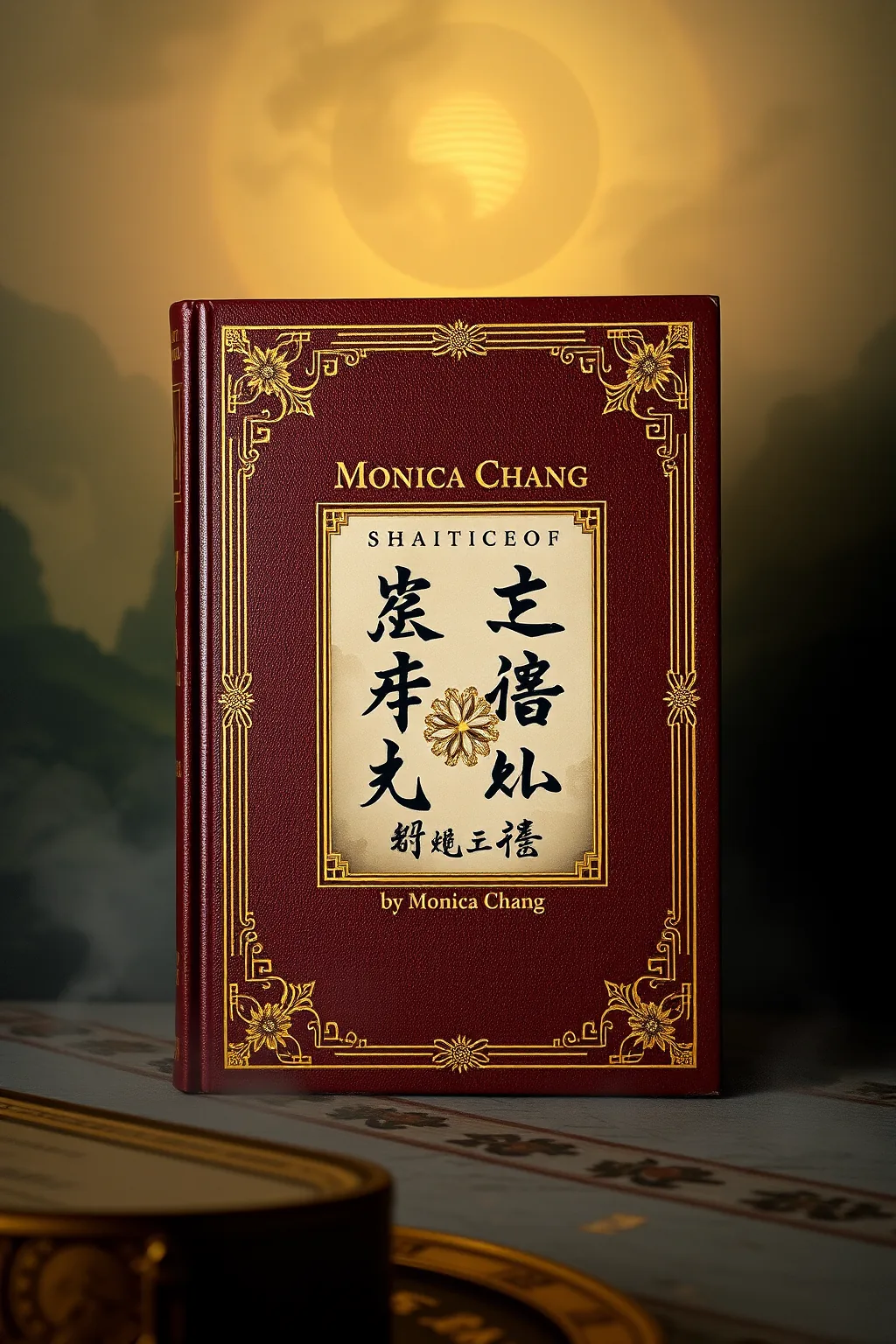
Shih erh sheng hsiao ti ku shih
 75
75

Shih erh sheng hsiao ti ku shih
Monica Chang's "Shih erh sheng hsiao ti ku shih" offers a welcome, if sometimes dry, examination of the stories behind the Chinese zodiac. The strength of the collection lies in its direct presentation of the myths and legends, allowing the reader to engage with the narratives without excessive scholarly interpretation. For instance, the depiction of the Dragon's role in Chinese mythology, often tied to imperial power and celestial control, is presented clearly. However, the work sometimes feels like a straightforward compilation rather than a deep analysis. A significant limitation is the lack of detailed exploration into the evolution of these stories or their varied regional interpretations within China. While the book is factually informative, it could benefit from a more critical engagement with the material. Ultimately, it serves as a competent, foundational resource for understanding the zodiac's narrative core.
📝 Description
75
Monica Chang's Shih erh sheng hsiao ti ku shih, 'The Ancient Stories of the Twelve Zodiac Animals,' details the cultural roots of the Chinese zodiac.
This book collects the cultural and mythological significance of the Chinese zodiac animals. Monica Chang details the narratives and lore tied to each of the twelve animals that form this ancient calendrical system. The work is for readers interested in East Asian folklore, comparative mythology, and the cultural underpinnings of astrology. It appeals to those seeking to understand the stories behind the Chinese zodiac symbols, moving beyond simple astrological interpretations to their narrative origins and societal roles.
The Chinese zodiac system has roots reaching back to the Han Dynasty. This system, deeply embedded in Chinese culture, influences personality assessments and marriage compatibility. It is a fundamental part of East Asian cosmological thought, with the animal cycle's integration into daily life and spiritual practices solidifying over centuries. The core concepts focus on the individual animals: Rat, Ox, Tiger, Rabbit, Dragon, Snake, Horse, Goat, Monkey, Rooster, Dog, and Pig. Each animal carries specific personality traits, elemental associations, and symbolic meanings from ancient Chinese cosmology and folklore. The cyclical nature of the zodiac, repeating every twelve years, represents the passage of time and cosmic order.
The Chinese zodiac is a key element within broader East Asian cosmological traditions. Its twelve animals are not merely markers of time but are imbued with symbolic meanings that connect human lives to cosmic patterns. These associations, drawn from ancient folklore and observation, inform practices ranging from personal character analysis to auspicious timing for events. This book places these narratives within their historical and cultural context, showing how they shaped and continue to shape worldviews in East Asia.
💡 Why Read This Book?
• Gain insight into the specific myths of each Chinese zodiac animal, such as the Rabbit's association with the moon, offering a deeper understanding than generic astrological charts. • Understand the cultural role of the twelve zodiac animals within East Asian societies, appreciating their influence beyond personal horoscopes, a concept evident from its Han Dynasty origins. • Explore the symbolic connections between animals and human characteristics as presented in the book, providing a unique lens for self-reflection rooted in ancient Chinese folklore.
⭐ Reader Reviews
Honest opinions from readers who have explored this book.
❓ Frequently Asked Questions
What are the twelve animals of the Chinese zodiac?
The twelve animals are the Rat, Ox, Tiger, Rabbit, Dragon, Snake, Horse, Goat, Monkey, Rooster, Dog, and Pig. Each animal represents a year in a 12-year cycle and is associated with distinct personality traits and characteristics.
When did the Chinese zodiac system originate?
The Chinese zodiac system has roots that can be traced back to the Han Dynasty, approximately 2,000 years ago, though its exact origins are debated among historians.
What is the significance of the Chinese zodiac in Chinese culture?
The Chinese zodiac is deeply ingrained in Chinese culture, influencing personal identity, relationships, and even major life decisions like marriage and career choices, reflecting a long-standing cosmological framework.
Does "Shih erh sheng hsiao ti ku shih" focus on astrological predictions?
The book primarily focuses on the ancient stories and folklore behind the zodiac animals, rather than providing astrological predictions or interpretations for current years.
Who is the author of "Shih erh sheng hsiao ti ku shih"?
The author is Monica Chang. The book was first published in 1994, bringing these traditional narratives to a wider audience.
Is this book a translation of ancient Chinese texts?
While the title suggests a focus on ancient stories, the book is a compilation and presentation by Monica Chang, first published in 1994, rather than a direct translation of a single ancient text.
🔮 Key Themes & Symbolism
Mythological Origins
The work studies the foundational myths and legends that give rise to each of the twelve zodiac animals. These narratives, often passed down through oral tradition for centuries, explain the characteristics and symbolic significance attributed to the Rat, Ox, Tiger, and the rest of the celestial menagerie. Understanding these stories reveals a deeper cultural cosmology, moving beyond simple animal associations to explore their roles in ancient Chinese thought and storytelling.
Cultural Significance of Animals
Beyond their mythological roots, the book examines the enduring cultural importance of the Chinese zodiac animals. These symbols are not merely decorative but are integral to understanding Chinese identity, societal structure, and personal destiny. The way each animal's traits are perceived and integrated into daily life, from personal temperament to auspicious timings, highlights their pervasive influence since at least the Han Dynasty.
The Twelve-Year Cycle
Central to the text is the concept of the twelve-year cycle, a fundamental aspect of the lunisolar calendar and Chinese cosmology. The repetition of the animal sequence represents the natural rhythm of time and the interconnectedness of all beings within this cosmic order. The book explores how this cyclical understanding shapes perspectives on life events, personal growth, and the flow of fortune.
Folklore and Storytelling
The collection is a proof of the power of folklore and storytelling in preserving cultural heritage. Monica Chang presents these narratives not just as historical artifacts but as vibrant tales that continue to inform and entertain. The book showcases how these stories function as a vehicle for transmitting values, explaining natural phenomena, and reinforcing a shared cultural identity among generations.
💬 Memorable Quotes
Direct passages from the work, attributed to the author.
“The Dragon embodies celestial power and brings forth the rains.”
— This interpretation reflects the traditional Chinese association of the Dragon with control over water, particularly rainfall, essential for agriculture. It also points to the Dragon's elevated status as a symbol of imperial authority and cosmic force.
“The Tiger's ferocity is matched by its courage and leadership potential.”
— This statement captures the common perception of the Tiger in Chinese zodiac lore, recognizing its powerful and potentially dangerous nature while also emphasizing its associated strengths in bravery and command.
💡 Key Ideas
Editorial paraphrase of the work's core concepts — not direct quotes.
The Rat's cunning secured its place at the beginning of the cycle.
This paraphrased concept highlights the narrative often told about how the Rat, through cleverness or trickery, managed to be the first animal to arrive in a legendary race, thus earning its position at the head of the zodiac.
Each animal's story offers a unique perspective on human virtues and flaws.
This paraphrased concept suggests that the narratives surrounding the zodiac animals serve as allegories, illustrating various human qualities – both positive and negative – in a way that provides moral or practical lessons for the reader.
The cyclical nature of the zodiac mirrors the rhythm of the seasons.
This paraphrased concept draws a parallel between the repeating twelve-year animal cycle and the predictable, seasonal changes observed in nature, underscoring the ancient connection between celestial and terrestrial patterns.
🌙 Esoteric Significance
Tradition
The Chinese zodiac belongs to a distinct East Asian cosmological tradition, deeply rooted in Taoist principles, Yin-Yang philosophy, and the Five Elements (Wu Xing). Unlike Western esoteric systems that might focus on individual archetypes in isolation, the Chinese zodiac emphasizes cyclical relationships, elemental interactions, and the concept of Qi (vital energy) flowing through time and space. This work fits within this lineage by presenting the narrative foundations of these cyclical beliefs.
Symbolism
Key symbols include the animals themselves, each representing specific energetic qualities and archetypal human behaviors. For instance, the Dragon is a potent symbol of imperial power, good fortune, and control over weather, while the Rabbit is often associated with longevity and the moon. The cyclical, twelve-year pattern is itself a fundamental symbol of cosmic order and the passage of time, mirroring celestial movements and earthly seasons.
Modern Relevance
Contemporary practitioners of Feng Shui, traditional Chinese medicine, and modern astrology continue to draw upon the symbolic language and cyclical understanding inherent in the Chinese zodiac. Thinkers exploring archetypal psychology and comparative mythology also find value in these ancient narratives. The work's focus on the stories behind the signs provides a accessible entry point for understanding these enduring esoteric principles in today's interconnected world.
👥 Who Should Read This Book
• Individuals interested in comparative mythology and East Asian folklore seeking the narrative origins of the Chinese zodiac animals. • Students of cultural history and traditional belief systems looking to understand the societal impact of the twelve-year animal cycle in China. • Readers curious about the symbolic meanings and archetypal associations of the Rat, Ox, Tiger, and other zodiac creatures beyond simple astrological charts.
📜 Historical Context
Published in 1994, Monica Chang's "Shih erh sheng hsiao ti ku shih" entered a landscape where interest in Eastern philosophies and mythologies was growing, particularly in the West. The Chinese zodiac, with its roots in the Han Dynasty (206 BCE – 220 CE), was already a well-established component of East Asian culture, influencing everything from personal identity to calendrical systems. This period saw a rise in comparative mythology studies, with scholars like Mircea Eliade exploring universal archetypes, though Chang's work focuses specifically on the unique Chinese tradition. While not a direct contemporary of figures like Lin Yutang, whose popular works introduced Chinese culture to a broader audience, Chang's book contributes to this ongoing cultural exchange. Reception of such works often highlighted their role in clarifying Eastern traditions for Western readers, though detailed critical reviews from the time are scarce.
📔 Journal Prompts
The Tiger's ferocity and leadership potential: explore its narrative representation.
Reflect on the cultural significance of the Dragon symbol within Chinese cosmology.
Consider the twelve-year cycle's connection to natural rhythms.
Analyze the folklore surrounding the Rabbit and its lunar associations.
Examine how the Rat's story influences perceptions of the first zodiac sign.
🗂️ Glossary
Chinese Zodiac
A traditional classification scheme based on the lunar calendar that assigns an animal and its reputed qualities to each year in a repeating 12-year cycle.
Sheng Xiao
The Mandarin term for the Chinese zodiac, literally translating to 'birth resemblance' or 'birth signs'.
Han Dynasty
A significant imperial dynasty of China that ruled from 206 BCE to 220 CE, during which many foundational elements of Chinese culture, including aspects of the zodiac, are believed to have developed.
Wu Xing
The Chinese philosophical concept of the Five Elements (Wood, Fire, Earth, Metal, Water), which are believed to be interconnected and interact in constructive and destructive cycles.
Qi
A fundamental concept in Chinese culture and philosophy, often translated as 'vital energy' or 'life force,' believed to flow through all living things and the universe.
Lunar Calendar
A calendar based on the cycles of the Moon's phases, traditionally used in China and forming the basis for the timing of the Chinese zodiac years.
Folklore
The traditional beliefs, customs, and stories of a community, passed through the generations by word of mouth, which are central to the narratives presented in the book.
🔮 Readers Also Liked
Browse all →







More by Monica Chang
All books →

More Free Astrology & Cosmology Books
View all →