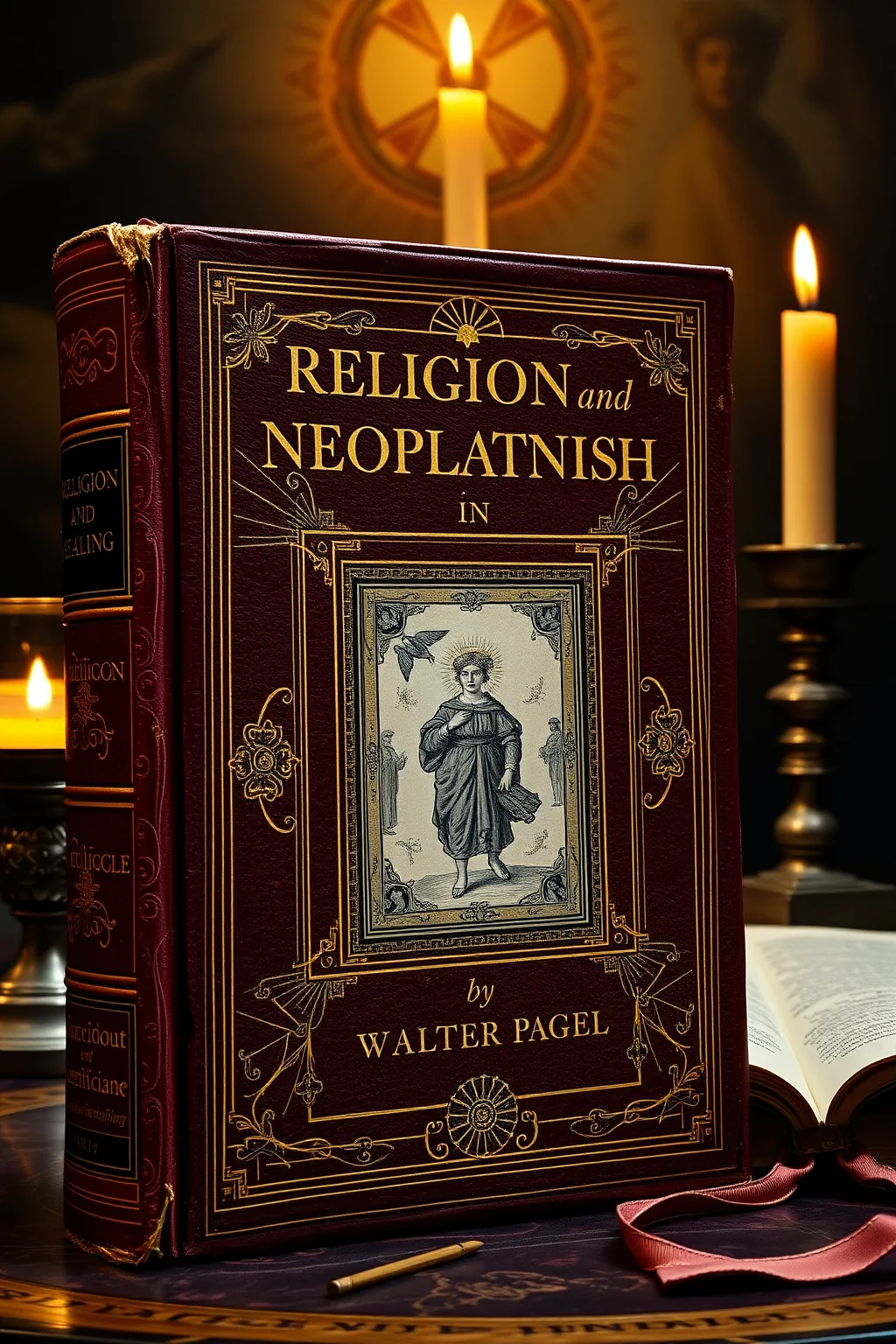
Religion and neoplatonism in Renaissance medicine
 62
62

Religion and neoplatonism in Renaissance medicine



In 'Religion and Neoplatonism in Renaissance Medicine,' Walter Pagel masterfully navigates the complex web of religious and philosophical influences that shaped Renaissance medicine. Pagel's work is a treasure trove of esoteric insights, particularly for those interested in the hermetic and alchemical traditions. His detailed analysis of Neoplatonic thought and its impact on medical practices offers a fresh perspective on the mystical underpinnings of early modern science. Pagel's meticulous research and authoritative tone make this book an essential read for scholars and practitioners of esoteric studies, providing a deeper understanding of the spiritual dimensions of healing.
📝 Description
62
Walter Pagel's 1982 book connects Renaissance medicine to Neoplatonic thought.
Walter Pagel's study examines the deep connections between Renaissance medical theory and Neoplatonic philosophy. He shows how the spiritual and symbolic ideas of Neoplatonism filtered into the medical thinking of figures like Paracelsus. The book details how alchemical and Hermetic traditions, themselves influenced by Neoplatonism, shaped medical practices and understandings of health and disease.
Pagel argues that these philosophical underpinnings were not separate from medical practice but were integral to it. He traces the integration of hidden knowledge and symbolism within the medical texts and approaches of the period. This work reveals a complex intellectual environment where healing was understood through a lens of cosmic harmony and spiritual correspondences.
This book sits within the study of Western esotericism, specifically the Renaissance period. It focuses on how Neoplatonic philosophy, a major current in esoteric thought since antiquity, informed not only religious and mystical traditions but also practical disciplines like medicine. Pagel illuminates the philosophical and symbolic frameworks that underpinned the era's approach to health, disease, and the human body, demonstrating how esoteric ideas were woven into the fabric of intellectual life.
💡 Why Read This Book?
Read 'Religion and Neoplatonism in Renaissance Medicine' to uncover the hidden spiritual and philosophical foundations of Renaissance medicine. Ideal for seekers of esoteric knowledge, scholars of medical history, and practitioners of alchemy and hermeticism, this book offers a unique perspective on the intersection of faith and healing. Discover the rich symbolism and hidden knowledge that influenced medical thought during this transformative period.
⭐ Reader Reviews
Honest opinions from readers who have explored this book.
❓ Frequently Asked Questions
What is the main focus of 'Religion and Neoplatonism in Renaissance Medicine'?
The main focus is the exploration of how Neoplatonic philosophy and religious beliefs influenced medical practices during the Renaissance.
Who would benefit most from reading this book?
Scholars of medical history, practitioners of alchemy and hermeticism, and seekers of esoteric knowledge will find this book particularly enriching.
What makes this book unique?
The book's unique blend of historical analysis and esoteric insights offers a fresh perspective on the mystical underpinnings of Renaissance medicine.
Is this book suitable for beginners?
While it provides deep insights, beginners may find some sections challenging without prior knowledge of Neoplatonic philosophy and Renaissance history.
How does this book contribute to the study of esoteric traditions?
It highlights the role of Neoplatonism and hermeticism in shaping medical thought, providing valuable insights into the esoteric dimensions of Renaissance medicine.
🔮 Key Themes & Symbolism
Neoplatonic Philosophy
Neoplatonism, with its emphasis on the divine and the spiritual, played an important role in shaping the medical practices of the Renaissance. Pagel explores the key concepts of Neoplatonic thought, revealing how these ideas were integrated into the healing arts, offering a deeper understanding of the mystical dimensions of medicine.
Religious Influences
The religious range of the Renaissance was marked by a wide range of beliefs and practices. Pagel examines how these religious influences, particularly those rooted in Christian mysticism, were woven into the fabric of medical thought, providing a unique perspective on the spiritual foundations of healing.
Alchemical Symbolism
Alchemy, with its symbolic language and transformative processes, was a core part of Renaissance medicine. Pagel explores the alchemical symbols and their meanings, revealing how these esoteric practices were used to heal the body and soul, offering insights into the hidden knowledge of the time.
💬 Memorable Quotes
Direct passages from the work, attributed to the author.
“Neoplatonic thought provided a framework for understanding the divine nature of the human body.”
— Pagel's exploration of Neoplatonic philosophy reveals the spiritual dimensions of medical thought, emphasizing the divine connection between the body and the soul.
“Religious beliefs were integral to the medical practices of the Renaissance, shaping the way healers understood and treated the body.”
— Pagel's analysis of religious influences provides a deeper understanding of the spiritual foundations of Renaissance medicine, revealing the mystical underpinnings of healing.
💡 Key Ideas
Editorial paraphrase of the work's core concepts — not direct quotes.
The healing arts of the Renaissance were deeply rooted in the spiritual and philosophical traditions of the past.
This quote underscores the mystical foundations of Renaissance medicine, highlighting the importance of ancient wisdom in the healing process.
The alchemist's quest for transformation mirrored the medical practitioner's pursuit of healing.
This quote illustrates the symbolic language of alchemy and its role in the healing arts, offering insights into the esoteric practices of the time.
The Renaissance saw a convergence of faith and science, where the pursuit of knowledge was deeply intertwined with spiritual inquiry.
This quote highlights the unique intersection of faith and healing in Renaissance medicine, offering a fresh perspective on the mystical dimensions of the time.
🌙 Esoteric Significance
Tradition
This book belongs to the Hermetic and alchemical traditions, exploring the mystical dimensions of Renaissance medicine. Pagel's work reveals how these esoteric traditions influenced medical practices, offering insights into the hidden knowledge of the time.
Symbolism
Key symbols in the book include the alchemical symbols of transformation and the Neoplatonic concepts of the divine and the spiritual. These symbols represent the deeper layers of human understanding and the pursuit of healing, providing a unique perspective on the esoteric dimensions of Renaissance medicine.
Modern Relevance
Today, this book remains relevant for practitioners of alchemy and hermeticism, as well as seekers of esoteric knowledge. Its insights into the mystical underpinnings of Renaissance medicine offer a fresh perspective on the spiritual dimensions of healing, making it an essential read for those interested in the intersection of faith and medicine.
👥 Who Should Read This Book
Beginners may find some sections challenging due to the depth of esoteric knowledge, but those with a basic understanding of Neoplatonic philosophy and Renaissance history will find it accessible. Scholars of medical history and esoteric studies will appreciate the detailed analysis and authoritative tone. Spiritual seekers and practitioners of alchemy and hermeticism will find valuable insights into the mystical dimensions of healing.
📜 Historical Context
The Renaissance was a period of profound intellectual and spiritual awakening, marked by a renewed interest in ancient wisdom and the pursuit of hidden knowledge. Walter Pagel's 'Religion and Neoplatonism in Renaissance Medicine' explores the era's medical practices, revealing how Neoplatonic philosophy and religious beliefs shaped the healing arts. This book was important when written because it offered a fresh perspective on the mystical underpinnings of Renaissance medicine, providing valuable insights into the esoteric traditions that influenced medical thought.
📔 Journal Prompts
Reflect on how Neoplatonic philosophy influenced your understanding of the divine nature of the human body?
How do religious beliefs shape your approach to healing and wellness?
Explore the symbolic language of alchemy and its role in your spiritual journey.
Consider the intersection of faith and science in your own pursuit of knowledge.
How does the convergence of ancient wisdom and modern medicine inform your view on the healing arts?
🗂️ Glossary
Neoplatonism
A philosophical tradition that emphasizes the divine and the spiritual, often associated with the teachings of Plotinus and other Neo-Platonists.
Alchemy
An ancient practice that combines elements of chemistry, physics, and mysticism, often focused on the transformation of substances.
Hermeticism
A philosophical and spiritual tradition based on the writings attributed to Hermes Trismegistus, often involving the pursuit of hidden knowledge.
Esoteric
Relating to knowledge that is intended for a small, select group of people, often involving mystical or occult themes.
Symbolism
The use of symbols to represent ideas or qualities, often in a spiritual or mystical context.
This book appears in 3 collections
🔮 Readers Also Liked
Browse all →





From the “Neoplatonism” Collection
View all →





More Free Alchemy & Hermeticism Books
View all →