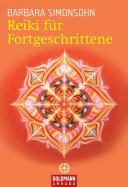
Reiki für Fortgeschrittene
 73
73

Reiki für Fortgeschrittene
Barbara Simonsohn’s "Reiki für Fortgeschrittene" attempts to bridge the gap left by introductory Reiki texts, focusing on the often-opaque master levels. The book’s strength lies in its commitment to providing practical guidance on advanced techniques, a subject where literature is indeed sparse. Simonsohn’s experience as a Reiki teacher is evident in her clear explanations of complex processes. However, the work occasionally feels like a direct continuation rather than a fully standalone exploration, assuming a deep familiarity with her prior "Das authentische Reiki." A notable passage details advanced chakra meditations, which, while instructive, could benefit from more visual aids for readers less attuned to energetic visualization. Despite this limitation, it offers a valuable resource for dedicated practitioners seeking to advance their lineage.
📝 Description
73
Barbara Simonsohn published 'Reiki für Fortgeschrittene' in 2009, expanding on master-level practices.
Barbara Simonsohn's "Reiki für Fortgeschrittene" (Advanced Reiki) builds upon her earlier work, "Das authentische Reiki." This volume addresses practices associated with the master levels of Reiki, a subject less commonly detailed than introductory techniques. It is written for practitioners who have moved beyond the basic stages of Reiki training and wish to incorporate more advanced methods into their practice. The book aims to provide guidance for refining energetic work and deepening one's understanding of Reiki's capabilities. It is particularly relevant for those interested in the symbolic aspects and energetic interventions of higher Reiki degrees.
The text focuses on specific advanced techniques, likely including methods for attunements and distance healing. It also emphasizes the role of chakra meditations as a means for deeper energetic clearing and alignment. Simonsohn encourages the integration of these advanced practices with existing knowledge, suggesting a progression from simple energy transfer to more complex energetic work. The book is intended for those seeking to refine their skills and expand their application of Reiki beyond the foundational principles.
Published in 2009, "Reiki für Fortgeschrittene" contributes to the literature on Japanese energy healing traditions. Reiki, originating in the early 20th century, has developed various lineages and degrees of practice. This book addresses the higher, master levels, which often involve more complex symbolic understanding and teaching methodologies. It falls within the broader spiritual development category, aiming to guide practitioners in refining their connection to universal life force energy for personal growth and healing.
💡 Why Read This Book?
• Gain practical techniques for Reiki master levels, a subject with limited published material since 2009, allowing for deeper personal practice and teaching capabilities. • Enhance your energetic work through specific chakra meditations, building on the foundation laid in "Das authentische Reiki" to refine your connection to subtle energies. • Understand the progression of Reiki practice beyond beginner stages, providing a structured path for those who have mastered the basics and seek further development in their healing art.
⭐ Reader Reviews
Honest opinions from readers who have explored this book.
❓ Frequently Asked Questions
What is the primary focus of "Reiki für Fortgeschrittene"?
This book focuses on advanced Reiki techniques and master-level practices, building upon foundational knowledge from introductory Reiki texts, particularly Simonsohn's "Das authentische Reiki."
Who is Barbara Simonsohn?
Barbara Simonsohn is a recognized Reiki teacher and author who has contributed significantly to the dissemination of Reiki knowledge, especially in German-speaking regions, with her initial book published in 2009.
Is "Reiki für Fortgeschrittene" suitable for beginners?
No, this book is intended for practitioners who have already established a solid foundation in basic Reiki principles and techniques and are looking to advance their practice.
What kind of advanced techniques are covered?
The book delves into advanced methods, including those related to master degrees, and emphasizes enhanced chakra meditations for deeper energetic work.
When was "Reiki für Fortgeschrittene" first published?
The book was first published on January 26, 2009, offering an updated perspective on advanced Reiki practices at that time.
Does this book build on Simonsohn's previous work?
Yes, "Reiki für Fortgeschrittene" is a direct sequel to Simonsohn's earlier book, "Das authentische Reiki," expanding upon the concepts introduced there.
🔮 Key Themes & Symbolism
Master-Level Reiki Practices
This volume addresses the often-under-documented master degrees within the Reiki lineage. It moves beyond basic energy transmission to explore the nuanced techniques and responsibilities associated with higher levels of attunement and teaching. The book aims to clarify these advanced stages, providing concrete steps for practitioners who have mastered foundational skills and are ready to integrate them into a more profound energetic practice.
Advanced Chakra Energetics
Central to the book's advanced teachings are refined chakra meditations. These practices are designed to deepen the practitioner's connection to their own energetic centers and enhance their ability to facilitate healing in others. By focusing on specific energetic pathways, Simonsohn guides readers to unlock new dimensions of personal and therapeutic energy work, moving beyond general energetic flow to targeted energetic restoration.
Integration of Foundational Knowledge
The core philosophy of "Reiki für Fortgeschrittene" is the sophisticated integration of existing Reiki knowledge. It doesn't aim to replace beginner principles but rather to build upon them, showing how advanced techniques complement and deepen the understanding of the initial levels. This approach ensures that practitioners can seamlessly transition from basic healing to more complex energetic applications.
The Role of the Reiki Teacher
As a guide for those progressing towards mastership, the book implicitly addresses the evolving role of the practitioner into that of a teacher. It touches upon the responsibilities and knowledge required to guide others on their Reiki journey, particularly concerning the transmission of advanced techniques and principles.
💬 Memorable Quotes
Direct passages from the work, attributed to the author.
“The master degrees offer little literature, so this second book by Reiki teacher Simonsohn will be welcomed by the professional audience.”
— This statement from the original blurb highlights a key motivation for the book's creation: the scarcity of written material on advanced Reiki levels, positioning it as a vital resource for experienced practitioners.
“Chakra meditations lend...”
— This fragment suggests that specific meditation techniques focused on the body's energy centers are integral to the advanced practices discussed, implying a focus on energetic alignment and enhancement.
💡 Key Ideas
Editorial paraphrase of the work's core concepts — not direct quotes.
Reiki has been the favorite healing method for many practitioners for years.
This paraphrased concept underscores Reiki's sustained popularity and established presence as a preferred healing modality, setting the stage for exploring its deeper applications.
Advanced Reiki deepens the foundational knowledge of the first volume.
This paraphrased concept succinctly describes the book's purpose: to build upon and expand the understanding of basic Reiki principles, moving practitioners to a higher level of proficiency.
An application book for Reiki practitioners who want to build on their foundational knowledge.
This paraphrased concept clearly defines the book's utility as a practical guide for those ready to advance their existing Reiki skills and understanding.
🌙 Esoteric Significance
Tradition
This work fits within the modern esoteric lineage of Japanese energy healing, specifically the Usui Reiki Ryoho tradition as it has been adapted and disseminated globally. It departs from more ancient esoteric systems by focusing on a codified set of symbols and attunement processes rather than drawing directly from Hermetic, Kabbalistic, or Gnostic frameworks, though it can be seen as a contemporary manifestation of the universal human desire for energetic well-being and spiritual connection.
Symbolism
The book likely explores the esoteric symbolism of the Master symbols in Reiki, which represent higher consciousness and the ability to transmit the entire Reiki system. Additionally, the emphasis on chakra meditations points to the symbolism of the seven primary energy centers within the subtle body, representing stages of spiritual development and energetic vitality according to Hindu and Buddhist traditions, adapted for Western practitioners.
Modern Relevance
Contemporary energy healing practitioners, coaches, and wellness professionals who seek to deepen their understanding of energy transmission and attunement often reference advanced Reiki texts. Schools offering advanced Reiki training continue to draw upon the principles and techniques popularized by authors like Simonsohn, indicating its ongoing relevance in shaping modern approaches to energy work and holistic well-being.
👥 Who Should Read This Book
• Existing Reiki practitioners who have completed beginner levels and wish to move towards mastership, seeking detailed guidance on advanced techniques not covered in initial courses. • Therapists and healers in complementary medicine looking to expand their toolkit with sophisticated energy channeling methods and deeper energetic understanding. • Students of esoteric traditions interested in exploring specific, codified energy healing systems that have gained significant global popularity since the late 20th century.
📜 Historical Context
Published in 2009, "Reiki für Fortgeschrittene" emerged during a period of widespread adoption of energy healing practices in Western esotericism. Barbara Simonsohn's work arrived after her initial success with "Das authentische Reiki," a book that had significantly contributed to making Reiki accessible. The early 21st century saw a diversification of spiritual paths, with energy work like Reiki gaining traction alongside more established traditions such as Theosophy and various forms of Western Hermeticism. While competing modalities like Pranic Healing and Qigong offered alternative energy systems, Reiki's perceived simplicity and gentle approach maintained its distinct appeal. The reception of advanced texts like Simonsohn's was generally positive within the practitioner community, filling a void in literature concerning the higher degrees of Reiki, which were often transmitted primarily through direct mentorship rather than extensive written guides.
📔 Journal Prompts
Advanced chakra meditations and their energetic effects.
The role of a Reiki master teacher.
Practical application of master-level Reiki symbols.
Personal integration of advanced Reiki techniques.
Expanding foundational Reiki knowledge.
🗂️ Glossary
Reiki
A Japanese form of alternative medicine called energy healing, developed in 1922 by Mikao Usui. Practitioners use their hands to deliver energy through points of the body, to help facilitate healing.
Chakra
In Hindu and Buddhist traditions, chakras are defined as centers of subtle energy in the body, often depicted as wheels or lotuses, governing physical, emotional, and spiritual well-being.
Master Degree (Reiki)
The highest level of Reiki training, typically involving the ability to attune others to Reiki and often including advanced symbols and techniques for deeper healing and teaching.
Attunement
A process in Reiki where a practitioner, usually at a master level, channels energy to initiate or re-initiate a person's connection to the Reiki energy, often involving specific symbols and techniques.
Das authentische Reiki
The original foundational book by Barbara Simonsohn, published prior to 'Reiki für Fortgeschrittene', which established her approach to authentic Reiki practices.
Usui Reiki Ryoho
The original system of Reiki founded by Mikao Usui, emphasizing a holistic approach to healing through spiritual and energetic practices.
Energy Channeling
The practice of directing universal life force energy (known as 'Reiki' in this context) through the practitioner's body to a recipient for the purpose of healing or balance.