Qi Gong
 76
76

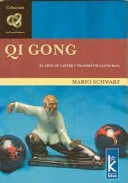
Qi Gong
Mario Schwarz's "Qi Gong" offers a direct confrontation with the mechanics of vital energy, moving beyond mere philosophical discussion to present actionable techniques. The book's strength lies in its clear articulation of how to consciously generate and channel Qi, particularly its detailed breakdown of breath synchronization with subtle movements. A notable limitation, however, is the relative scarcity of advanced theoretical underpinnings for those seeking a deeper philosophical framework beyond the immediate practical application. The section detailing the 'Eight Brocades' sequence, for instance, provides precise instructions but offers minimal historical commentary on the evolution of these ancient exercises. Despite this, Schwarz's pragmatic approach makes the complex subject of Qi cultivation accessible to dedicated novices. It serves as a functional guide for those willing to engage with the energetic body through diligent practice.
📝 Description
76
Mario Schwarz's 2004 book explains how to cultivate and direct vital energy through active manipulation.
Mario Schwarz's "Qi Gong" introduces core principles for cultivating and directing vital energy. The book focuses on the active manipulation of internal forces, distinguishing it from passive contemplation. It outlines methods for generating, transmitting, and harmonizing energy within the practitioner's body. The central aim is to achieve a balanced flow, which Schwarz connects to physical health and mental clarity.
This work is suited for individuals interested in the practical application of energy work, especially those seeking to integrate physical movement with internal energetic cultivation. Schwarz caters to practitioners with some familiarity with Eastern philosophies or body-mind disciplines who wish to deepen their understanding of energetic mechanics. Those experiencing stagnation or seeking enhanced vitality will find the exercises and explanations directly relevant. The book's genesis lies within a broader revival of traditional Chinese health practices in the late 20th century.
Schwarz's work emerges from a lineage of martial arts and Taoist internal alchemy, traditions historically transmitted through oral methods or specialized texts. Published in 2004, it reflects a wider global interest in mind-body practices. The book places 'Qi' as the fundamental life force, detailing its flow through meridians and its concentration in energy centers like the Dan Tian. It emphasizes the interplay of breath, intention, and movement for conscious energy guidance.
💡 Why Read This Book?
• Gain practical methods for generating and directing Qi, specifically through the "Eight Brocades" exercises, allowing for tangible internal energy cultivation. • Understand the concept of energy flow along specific meridians, a core Taoist principle, enabling a more nuanced approach to physical and mental well-being. • Learn to synchronize breath (Qi) with intention (Yi) and movement (Xing), a foundational technique for enhancing internal power and energetic balance as outlined by Schwarz.
⭐ Reader Reviews
Honest opinions from readers who have explored this book.
❓ Frequently Asked Questions
What is the primary goal of Qi Gong as described by Mario Schwarz?
The primary goal is the cultivation, transmission, and balanced flow of vital energy (Qi) within the practitioner's body. This aims to enhance physical health and mental clarity through conscious energetic work.
When was Mario Schwarz's "Qi Gong" first published?
Mario Schwarz's "Qi Gong" was first published on December 15, 2004. This places it within a period of increased global interest in mind-body practices.
What are the key components of energy cultivation discussed in the book?
The book emphasizes three key components: Qi (vital energy), breath, and intention (Yi). It details how to harmonize these elements through specific movements and practices.
Who would benefit most from reading "Qi Gong"?
Individuals interested in practical energy work, those seeking to deepen their understanding of Eastern body-mind disciplines, and practitioners experiencing stagnation or desiring enhanced vitality will find significant benefit.
Does the book explain the historical origins of Qi Gong practices?
While it emerges from traditional lineages, the book's focus is primarily on the practical application of Qi Gong. It provides context within the late 20th-century revival of Chinese health practices but delves less into extensive historical tracing.
What specific exercises are detailed in "Qi Gong"?
The book details foundational exercises, including a focus on the "Eight Brocades" sequence. These are presented as methods for generating and guiding internal energy.
🔮 Key Themes & Symbolism
Energy Generation and Transmission
This book posits that Qi, the vital life force, is not merely a passive concept but an active energy that can be consciously generated and directed. Schwarz outlines specific methods, often involving breath control and subtle physical postures, to build internal Qi reserves. The concept of transmission refers to the ability to move this cultivated energy through the body's energetic pathways, the meridians, promoting health and harmonizing internal systems. This active manipulation is central to achieving energetic balance.
The Triad of Qi, Yi, and Xing
Schwarz emphasizes the interplay of three fundamental elements for effective Qi Gong practice: Qi (vital energy), Yi (intention or mind's focus), and Xing (movement or form). The work explains that true energetic cultivation requires the alignment of these components. Intention guides the Qi, and movement provides a vehicle for its directed flow. This integration is presented as the pathway to mastering internal energy, moving beyond mere physical exercise to a sophisticated mind-body discipline.
Meridians and Energy Centers
Central to the practice is the understanding of the body's energetic map, comprising meridians and primary energy centers like the Dan Tian. The book describes meridians as channels through which Qi circulates, and their blockage or imbalance is linked to physical ailments. By learning to sense and direct Qi through these pathways, practitioners aim to clear blockages, restore natural energetic flow, and promote holistic well-being. The Dan Tian is highlighted as a crucial locus for energy storage and transformation.
Harmonizing Internal Flow
The ultimate objective presented is the achievement of internal energetic harmony. This state signifies a balanced, unobstructed flow of Qi throughout the body, leading to optimal physical vitality, mental clarity, and emotional equilibrium. Schwarz's approach details how consistent practice of Qi Gong techniques facilitates this harmonization, effectively treating energetic stagnation and promoting a resilient, vibrant state of being. The book serves as a guide to attaining this crucial energetic balance.
💬 Memorable Quotes
Direct passages from the work, attributed to the author.
“The art of getting and transmitting energy to ensure its balanced flow.”
— This concise statement expresses the core purpose of Qi Gong as presented by Schwarz. It highlights the active nature of the practice – not just receiving energy but actively working with it to achieve internal equilibrium and vitality.
“Qi is the fundamental life force animating all things.”
— This defines Qi as the ubiquitous energetic substrate of existence. Understanding it as the animating principle is foundational for anyone seeking to engage with energy cultivation practices like those detailed in the book.
“Intention (Yi) directs the flow of Qi.”
— This highlights the critical role of mental focus and will in energy work. It suggests that directed thought is a primary tool for practitioners to guide and manipulate their internal energy.
“Breath synchronization is key to energy cultivation.”
— This points to the breath as a primary conduit and catalyst for Qi. Coordinating breath with movement and intention is presented as a fundamental technique for building and moving vital energy.
“Meridians are the pathways for Qi circulation.”
— This explains the concept of energetic pathways within the body. Understanding these channels is essential for diagnosing and treating energetic imbalances according to traditional Chinese medicine principles.
🌙 Esoteric Significance
Tradition
This work aligns with Taoist internal alchemy and traditional Chinese medicine (TCM) systems. It draws upon the concept of Qi as described in these traditions, focusing on its cultivation and circulation. While not strictly Hermetic or Gnostic, it shares the universal esoteric aim of understanding and manipulating subtle energies for personal transformation and well-being, fitting within a broader spectrum of energetic practices.
Symbolism
Key symbols include Qi itself, representing the vital, animating force. The meridians function as symbolic energetic pathways, akin to energetic circulatory systems. The Dan Tian, a primary energy center, symbolizes a nexus of power and transformation. The "Eight Brocades" exercises, while practical, also carry symbolic weight representing the harmonious integration of body and energy, leading to a balanced state.
Modern Relevance
Contemporary practitioners of somatic therapies, energy healing modalities, and even some forms of athletic training can find relevance in Schwarz's approach. Modern mindfulness and biofeedback research also echo the book's emphasis on intention and internal awareness. Thinkers exploring psychosomatic connections and the scientific validation of energy fields may find the book a practical, if foundational, reference point.
👥 Who Should Read This Book
• Individuals new to energy work seeking a practical introduction to Qi cultivation, particularly those interested in Taoist principles. • Experienced practitioners of martial arts or yoga looking to deepen their understanding of internal energy dynamics and breath control. • Health-conscious individuals interested in holistic approaches to vitality and well-being, aiming to supplement physical fitness with energetic balance.
📜 Historical Context
Mario Schwarz's "Qi Gong," published in 2004, emerged during a significant global resurgence of interest in traditional Chinese medicine and holistic health practices. This period saw established disciplines like Tai Chi and Qigong gain mainstream traction in the West, partly through the influence of figures promoting Eastern philosophies. Schwarz's work taps into this lineage, which traces back centuries through Taoist internal alchemy and martial arts traditions. While competing schools of thought like yoga offered parallel mind-body disciplines, Schwarz's book distinguished itself by focusing on the direct, practical mechanics of Qi generation and transmission. Its publication coincided with a broader academic and popular exploration of consciousness and subtle energies, moving beyond purely physical interpretations of health.
📔 Journal Prompts
The concept of balanced Qi flow in your daily life.
Mapping your personal experience of intention (Yi) guiding physical actions.
Reflecting on the synchronization of breath and movement.
Identifying potential blockages in your energetic pathways.
The relationship between physical form (Xing) and internal energy.
🗂️ Glossary
Qi
The fundamental vital life force or energy that animates all living beings and the universe. Its balanced flow is essential for health and vitality.
Meridians
Invisible channels or pathways within the body through which Qi circulates. Blockages or imbalances in meridians are believed to cause illness.
Dan Tian
A primary energy center located in the lower abdomen, considered a reservoir and processing point for Qi in Taoist practices.
Yi
Intention, will, or mental focus. In Qi Gong, Yi is crucial for directing and guiding Qi effectively.
Movement or form. Refers to the physical postures and movements practiced in Qi Gong that facilitate energy cultivation.
Eight Brocades
A set of eight fundamental Qigong exercises known for their effectiveness in promoting health and balancing Qi circulation.
Transmission
The act of consciously moving or directing Qi within the body or, in advanced practice, potentially externalizing it.