Proclus
 62
62

Proclus



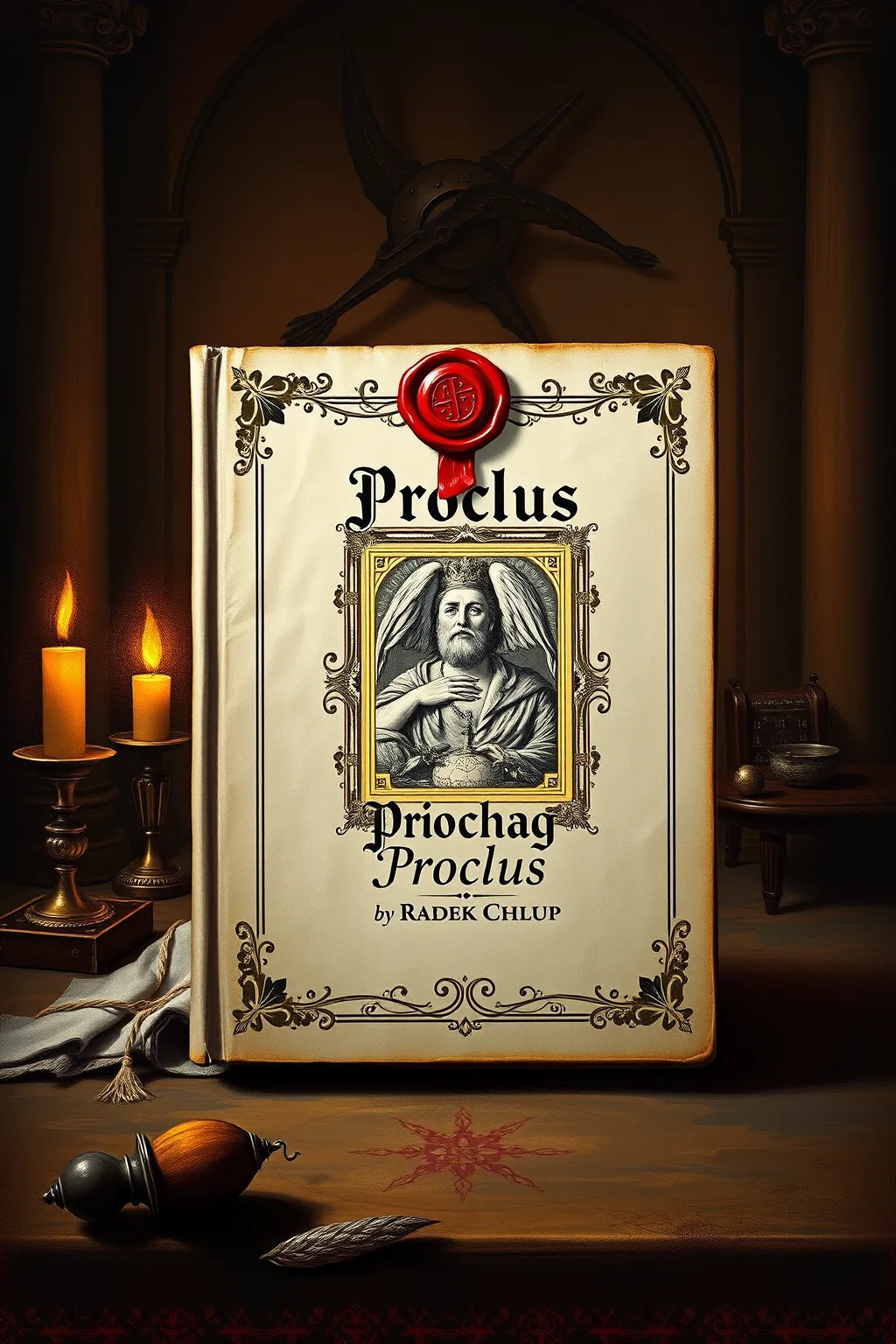
Review by Silas Hawthorne (Hermetic Studies Editor) — 'Proclus' by Radek Chlup is a masterful exposition of Neoplatonic philosophy, meticulously researched and beautifully written. Chlup's deep esoteric insights make this book a treasure trove for those interested in the hidden knowledge of the ancient world. The author's ability to weave together complex philosophical concepts with a mystical and evocative narrative makes 'Proclus' an invaluable resource for scholars and spiritual seekers alike. This book stands out for its clarity and depth, offering readers a profound understanding of the Neoplatonic tradition and its relevance in modern times. For anyone delving into the mysteries of the soul and the divine, 'Proclus' is an essential read.
📝 Description
62
Radek Chlup's 'Proclus' examines the philosophical system of the 5th-century Neoplatonist.
This book examines the philosophy of Proclus, a major figure in late antiquity's Neoplatonism. Chlup details Proclus's complex metaphysical system, which sought to unify Platonic thought with other philosophical and religious traditions. The work covers Proclus's views on the divine, the structure of reality, and the human soul's place within this cosmic order.
Readers will find an account of Proclus's theological doctrines and his methods for understanding them through rigorous philosophical argument. The book addresses how Proclus integrated various streams of thought, creating a comprehensive worldview. It is suited for those interested in the detailed workings of a philosophical system that deeply influenced later esoteric and mystical traditions.
Proclus represents a peak in the development of Neoplatonism, a philosophical school that profoundly shaped Western esoteric thought. His system, detailed in this book, offered a comprehensive metaphysical framework that later mystics and occultists drew upon for centuries. The book places Proclus's ideas within this lineage, showing how his structured cosmology and views on bridging the divine and human realms became a source for various esoteric practices and beliefs.
💡 Why Read This Book?
Why read this book? 'Proclus' by Radek Chlup is a must-read for seekers of hidden knowledge, scholars of ancient philosophy, and practitioners of the occult. This book offers a comprehensive and mystical exploration of Neoplatonic thought, providing deep insights into the nature of reality and the divine. Whether you are a seasoned scholar or a curious beginner, 'Proclus' will guide you through the intricate web of Neoplatonic symbolism and philosophy, enriching your spiritual journey and expanding your understanding of the esoteric traditions.
⭐ Reader Reviews
Honest opinions from readers who have explored this book.
❓ Frequently Asked Questions
What is the main focus of 'Proclus'?
The main focus of 'Proclus' is the exploration of Neoplatonic philosophy through the life and teachings of Proclus, one of antiquity's most influential philosophers.
Who is this book intended for?
This book is intended for scholars of ancient philosophy, spiritual seekers, and practitioners of the occult who are interested in the mystical and esoteric traditions.
What makes 'Proclus' unique?
'Proclus' stands out for its deep esoteric insights and evocative narrative, weaving together complex philosophical concepts with a mystical and spiritual undertone.
How does this book contribute to modern esoteric studies?
'Proclus' provides a comprehensive and accessible exploration of Neoplatonic thought, offering readers a profound understanding of the mystical and divine principles that govern the cosmos.
Can beginners read this book?
While 'Proclus' is a scholarly work, it is written in a way that makes it accessible to beginners interested in ancient philosophy and the esoteric traditions.
🔮 Key Themes & Symbolism
The Nature of the Soul
Proclus' teachings on the soul examine the mystical and esoteric dimensions of human existence, exploring the soul's journey towards divine enlightenment. This theme is central to understanding the Neoplatonic tradition and its relevance in modern spiritual practices.
The Unity of All Things
The concept of the unity of all things is a central to Neoplatonic philosophy, and Chlup's work provides a profound exploration of this theme. Readers will gain insights into the interconnectedness of the cosmos and the divine principles that govern it.
Symbolism and Esoteric Wisdom
Symbolism plays an important role in 'Proclus,' with Chlup tying together complex philosophical concepts through mystical and evocative narratives. This theme is essential for those interested in the hidden knowledge and esoteric traditions of the ancient world.
💬 Memorable Quotes
Direct passages from the work, attributed to the author.
“The path to divine knowledge is hidden in symbolism.”
— Chlup emphasizes the importance of symbolism in uncovering the esoteric wisdom of the ancient world.
💡 Key Ideas
Editorial paraphrase of the work's core concepts — not direct quotes.
The soul, in its essence, is a spark of the divine.
This quote underscores the Neoplatonic belief in the divine nature of the soul and its journey towards enlightenment.
All things are interconnected in the cosmic range.
This line highlights the unity of all things, a central theme in Neoplatonic philosophy.
The mysteries of the cosmos reveal themselves to the seeker.
This quote invites readers to start a spiritual quest to uncover the hidden knowledge of the divine.
The divine principles govern the harmony of the universe.
This line underscores the Neoplatonic belief in the divine order that underlies the cosmos.
🌙 Esoteric Significance
Tradition
'Proclus' belongs to the Hermetic and Neoplatonic traditions, which emphasize the mystical and esoteric dimensions of human experience. These traditions seek to uncover the hidden knowledge of the divine and the cosmos.
Symbolism
Key symbols in 'Proclus' include the soul's journey towards enlightenment, the unity of all things, and the divine principles that govern the cosmos. These symbols are central to the book's exploration of Neoplatonic philosophy.
Modern Relevance
Today, 'Proclus' is relevant to modern practitioners of the occult, spiritual seekers, and scholars of ancient philosophy. Its exploration of Neoplatonic thought provides insights into the mystical and esoteric traditions that continue to influence spiritual practices and intellectual inquiry.
👥 Who Should Read This Book
Beginners interested in ancient philosophy and the esoteric traditions will find 'Proclus' to be an accessible and enlightening read. Scholars of Neoplatonic thought will appreciate the depth and clarity of Chlup's exploration. Spiritual seekers and practitioners of the occult will be drawn to the book's mystical and evocative narrative, which offers a profound understanding of the divine and the cosmos. For those seeking to deepen their spiritual journey, 'Proclus' is an essential resource.
📜 Historical Context
Proclus, a prominent Neoplatonic philosopher, lived and taught in the 5th century AD, a time of significant cultural and intellectual ferment in the late Roman Empire. His teachings were a synthesis of Plato's ideas and other mystical traditions, offering a comprehensive philosophy that addressed the spiritual and intellectual needs of his era. 'Proclus' by Radek Chlup provides a modern exploration of these teachings, highlighting their enduring relevance and influence on esoteric and mystical traditions.
📔 Journal Prompts
Reflect on the concept of the soul's journey towards divine enlightenment as described in 'Proclus'.
Consider the interconnectedness of all things in the cosmic range and its implications for your spiritual practice.
Explore the symbolism in 'Proclus' and how it reveals the hidden knowledge of the divine.
How does the unity of all things influence your understanding of the cosmos and your place in it?
In what ways can the divine principles of Neoplatonic philosophy guide your spiritual quest?
🗂️ Glossary
Neoplatonism
A philosophical tradition that combines Plato's ideas with mystical and esoteric elements, emphasizing the divine and the cosmos.
Esoteric
Relating to hidden knowledge or mystical traditions that are not widely understood or accessible.
Symbolism
The use of symbols to represent abstract ideas or concepts, often in a mystical or esoteric context.
Divine Principles
The fundamental principles that govern the cosmos and the divine, as understood in Neoplatonic philosophy.
Soul's Journey
The spiritual quest of the soul towards enlightenment and union with the divine, a central theme in Neoplatonic thought.
This book appears in 3 collections
🔮 Readers Also Liked
Browse all →







More by Radek Chlup
All books →
From the “Neoplatonism” Collection
View all →







More Free Alchemy & Hermeticism Books
View all →