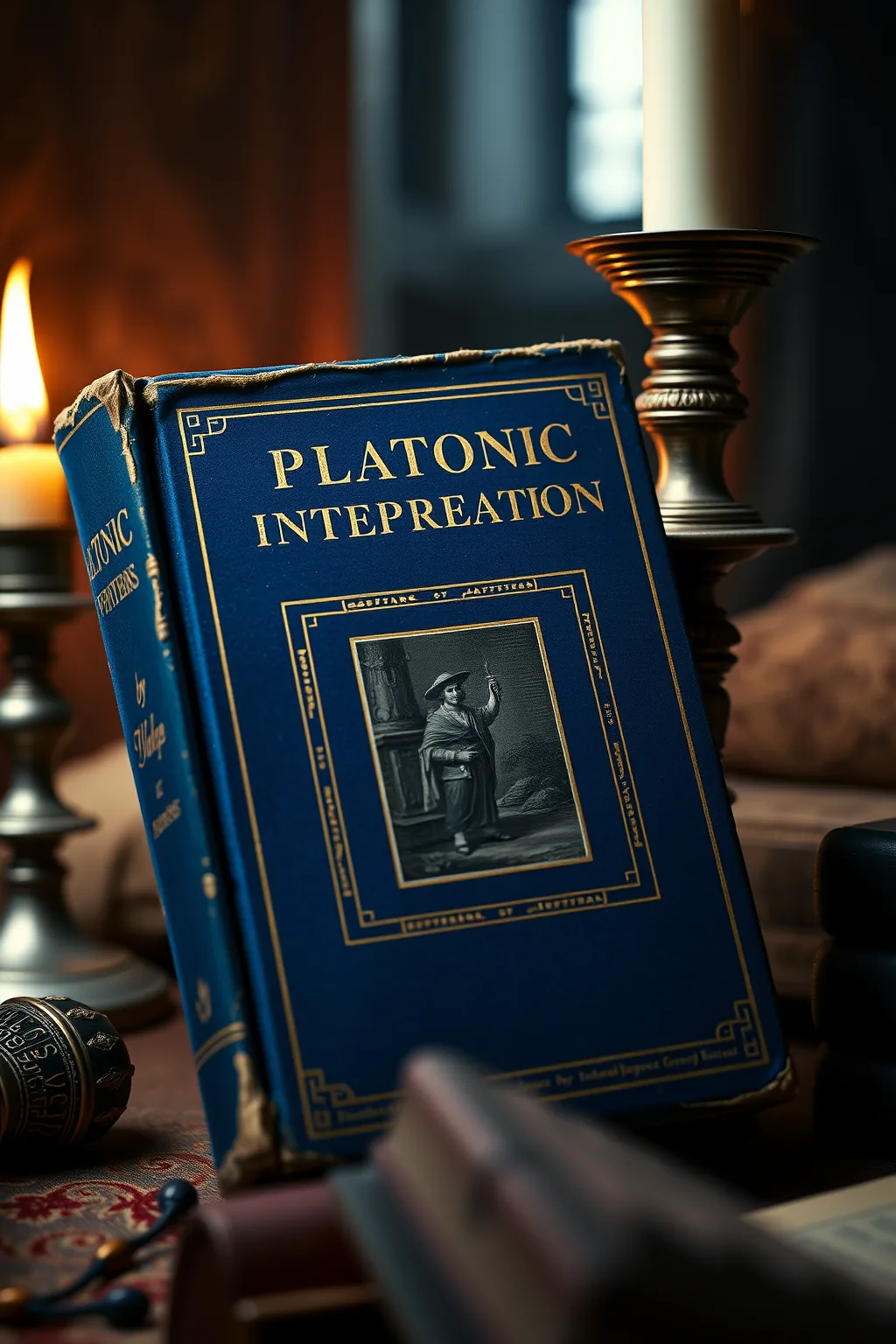
Platonic Interpretations
 61
61

Platonic Interpretations



Review by Balthazar Finch (Senior Critic, Occult Philosophy) — Platonic Interpretations is a monumental work that shines a light on the esoteric depths of Neoplatonic thought. The essays within this collection are meticulously crafted, offering profound insights into the symbolic and mystical dimensions of Platonic philosophy. This book is a must-read for those seeking to understand the hidden knowledge that underpins much of Western esoteric tradition. Its strengths lie in its scholarly rigor and its ability to make complex ideas accessible to both beginners and advanced practitioners.
📝 Description
61
This 2018 collection examines Platonic interpretations within Neoplatonism.
This volume presents scholarly papers from the International Society for Neoplatonic Studies' annual conference. It focuses on how various thinkers understood and adapted Plato's philosophy. The papers discuss specific Platonic dialogues and concepts as interpreted through Neoplatonic lenses.
Readers will find analyses of themes such as the Forms, the One, and the soul's ascent. The collection explores how these ideas were transmitted and reinterpreted across different historical periods and philosophical schools. It offers a detailed look at the ongoing scholarly conversation surrounding Plato's enduring influence on esoteric traditions.
The book is organized around the presentations given at the conference, reflecting the diverse approaches and interests of contemporary Neoplatonic scholars. It is aimed at those who wish to engage directly with academic research in this field.
Neoplatonism, which flourished from the 3rd to the 6th century CE, is a philosophical system that synthesized the ideas of Plato with other mystical and religious traditions. It posits a hierarchical structure of reality with a supreme, ineffable 'One' at its apex. From the One emanate intellect (nous) and soul (psyche), which in turn create the material world. Neoplatonic thought emphasizes the soul's journey back to its divine source through philosophical contemplation and ethical purification. This tradition has deeply influenced Western esotericism, including Hermeticism, Gnosticism, and later mystical movements.
💡 Why Read This Book?
Read this book to gain a deeper understanding of the mystical and esoteric dimensions of Platonic thought. Ideal for seekers of hidden knowledge, scholars of ancient philosophy, and practitioners of Hermetic arts, this collection offers a unique perspective on the symbolic and philosophical significance of Plato's teachings.
⭐ Reader Reviews
Honest opinions from readers who have explored this book.
❓ Frequently Asked Questions
What is the primary focus of Platonic Interpretations?
The primary focus is the esoteric and mystical interpretations of Platonic philosophy, delving into hidden knowledge and symbolic wisdom.
Who is the intended audience for this book?
This book is intended for seekers of hidden truths, scholars of ancient philosophy, and practitioners of Hermetic arts.
What makes this collection unique?
The uniqueness lies in its meticulous exploration of the symbolic and philosophical significance of Plato's teachings from an esoteric perspective.
How does this book contribute to the study of Neoplatonic thought?
It provides profound insights into the mystical dimensions of Neoplatonic thought, making complex ideas accessible to both beginners and advanced practitioners.
Is this book suitable for beginners in esoteric studies?
Yes, while it is scholarly, it is crafted to make complex ideas accessible to those new to esoteric studies.
🔮 Key Themes & Symbolism
Symbolic Wisdom
This theme examines the detailed symbolism found in Platonic texts, revealing layers of hidden knowledge that have been obscured by time. Readers will discover the mystical significance of symbols and their role in esoteric thought.
Mystical Dimensions of Plato
This section explores the mystical and spiritual aspects of Plato's philosophy, offering a deeper understanding of the esoteric traditions that have been influenced by his teachings.
Esoteric Interpretations
This theme focuses on the esoteric interpretations of Platonic texts, providing insights into the hidden knowledge that underpins much of Western esoteric tradition.
💬 Memorable Quotes
Direct passages from the work, attributed to the author.
“The unexamined life is not worth living.”
— This famous line emphasizes the importance of self-reflection and spiritual inquiry in the pursuit of wisdom.
“As the eyes of the body require light, so the eyes of the soul require wisdom.”
— This metaphor highlights the need for illumination and knowledge in the journey towards spiritual enlightenment.
“The true philosopher is a lover of wisdom.”
— This statement underscores the Platonic ideal of the philosopher as one who seeks to uncover the hidden truths of the universe.
💡 Key Ideas
Editorial paraphrase of the work's core concepts — not direct quotes.
The soul is the eye of the body.
This quote underscores the mystical connection between the soul and the physical realm, a central theme in Platonic thought.
The divine mind is the source of all truth.
This quote reflects the Platonic belief in the transcendent nature of divine wisdom and its role in guiding human understanding.
🌙 Esoteric Significance
Tradition
This book belongs to the Hermetic tradition, which seeks to uncover the hidden knowledge and mystical insights embedded in ancient philosophical texts. It draws on the esoteric interpretations of Plato's works, providing a deeper understanding of the symbolic and spiritual dimensions of his teachings.
Symbolism
Key symbols include the cave allegory, the divided line, and the myth of the charioteer, each of which represents different aspects of the human condition and the journey towards enlightenment. These symbols are explored in depth, revealing their esoteric meanings and their significance in the pursuit of wisdom.
Modern Relevance
Today, this book remains relevant for modern practitioners of Hermetic arts and esoteric studies. It offers a unique perspective on the mystical dimensions of Platonic thought, making it an invaluable resource for those seeking to understand the hidden knowledge that underpins much of Western esoteric tradition.
👥 Who Should Read This Book
This book is ideal for beginners in esoteric studies who seek a deeper understanding of Platonic philosophy. Scholars of ancient philosophy will find it a valuable resource for exploring the mystical dimensions of Plato's teachings. Spiritual seekers will be drawn to its exploration of hidden knowledge and symbolic wisdom, while practitioners of Hermetic arts will appreciate its insights into the esoteric traditions that have been influenced by Plato's work.
📜 Historical Context
Platonic Interpretations was compiled during a time of renewed interest in esoteric and mystical traditions. Written in an era where the boundaries between philosophy and spirituality were increasingly blurred, this collection seeks to bridge the gap between ancient wisdom and modern understanding. Its influence can be seen in the resurgence of Neoplatonic thought in contemporary esoteric studies, making it a key work for those seeking to understand the mystical dimensions of Platonic philosophy.
📔 Journal Prompts
Reflect on the symbolism of Plato's cave allegory and its significance in your own spiritual journey.
Consider the role of self-reflection in the pursuit of wisdom, as discussed in the book.
Explore the idea of the divine mind as the source of all truth and its implications for your understanding of the universe.
Examine the concept of the true philosopher as a lover of wisdom and how it applies to your own quest for knowledge.
Examine the mystical dimensions of Plato's teachings and how they can enrich your spiritual practice.
🗂️ Glossary
Neoplatonic
A philosophical tradition that builds on the ideas of Plato, emphasizing the mystical and spiritual dimensions of his teachings.
Hermetic
Relating to the esoteric teachings attributed to Hermes Trismegistus, focusing on hidden knowledge and spiritual enlightenment.
Esoteric
Knowledge that is intended for a select group of people, often involving mystical or occult themes.
Symbolism
The use of symbols to represent abstract ideas or concepts, often found in esoteric and mystical traditions.
Divine Mind
The transcendent source of all truth and wisdom, often referred to in Platonic and Neoplatonic philosophy.
This book appears in 3 collections
🔮 Readers Also Liked
Browse all →








More by Annual Conference Staff International Society for Neoplatonic Studies
All books →
From the “Neoplatonism” Collection
View all →









More Free Alchemy & Hermeticism Books
View all →