Neoplatonism and Indian Philosophy (Studies in Neoplatonism)
 62
62

Neoplatonism and Indian Philosophy (Studies in Neoplatonism)


Review by Balthazar Finch (Senior Critic, Occult Philosophy) — 'Neoplatonism and Indian Philosophy' by Paulos Mar Gregorios is a groundbreaking exploration of the esoteric intersections between Western Neoplatonism and Indic philosophical traditions. Gregorios' work shines a light on the hidden knowledge that binds these ancient systems, providing readers with profound insights into the mystical underpinnings of philosophy. The book's strengths lie in its meticulous research and evocative prose, making it an indispensable resource for anyone interested in the occult and hermetic traditions. This text is particularly suited for scholars, spiritual seekers, and practitioners who wish to deepen their understanding of the esoteric dimensions of philosophy.
📝 Description
62
In 1982, Paulos Mar Gregorios published 'Neoplatonism and Indian Philosophy,' comparing two major traditions.
Paulos Mar Gregorios's study examines the parallels between Neoplatonism, a Hellenistic philosophical system, and various schools of Indian thought. He identifies shared concepts and symbolic resonances that suggest a deeper philosophical unity between these distinct traditions. The book details specific philosophical ideas, such as the nature of the One or Brahman, the role of emanations or cosmic unfolding, and the ultimate goal of spiritual realization.
Gregorios approaches the subject with a scholar's rigor, yet his prose aims to make complex ideas accessible. He highlights how both systems grapple with transcendent reality and the path to spiritual liberation. The work is not merely a comparative analysis but an invitation to consider the universal questions that have occupied thinkers across cultures for centuries. It is a significant contribution to understanding the cross-cultural currents in the history of philosophy.
This book sits within the esoteric tradition by investigating philosophical systems that posit realities beyond the empirical and advocate for a path of inner transformation. Neoplatonism, with its hierarchy of being and the ascent to the One, and Indian philosophies, particularly Vedanta and Yoga, which describe Brahman and the path to moksha, both offer frameworks for understanding ultimate reality and human potential. Gregorios's work suggests these traditions, often studied in isolation, share common ground in their metaphysical speculations and their emphasis on experiential knowledge or gnosis.
💡 Why Read This Book?
Read 'Neoplatonism and Indian Philosophy' to uncover the mystical connections between Eastern and Western thought. This book is ideal for seekers of hidden knowledge, scholars of philosophy, and practitioners of esoteric traditions. Gregorios' work offers a unique perspective on the transcendent nature of reality, making it a must-read for those interested in the deeper, more mystical aspects of philosophy.
⭐ Reader Reviews
Honest opinions from readers who have explored this book.
❓ Frequently Asked Questions
What is the primary focus of 'Neoplatonism and Indian Philosophy'?
The primary focus is the esoteric connections between Neoplatonic thought and Indic philosophical traditions.
Who is the intended audience for this book?
The intended audience includes scholars, spiritual seekers, and practitioners of esoteric traditions.
What makes this book unique in the field of philosophy?
This book is unique in its exploration of the mystical intersections between Eastern and Western philosophical systems.
Does the book provide practical applications of its insights?
Yes, the book offers insights into the transcendent nature of reality, providing practical applications for spiritual seekers and practitioners.
How does 'Neoplatonism and Indian Philosophy' contribute to the field of esoteric studies?
The book contributes by revealing the hidden knowledge that binds ancient wisdom traditions, offering a deeper understanding of esoteric philosophy.
🔮 Key Themes & Symbolism
Transcendent Unity
Gregorios explores the concept of transcendent unity, exploring how Neoplatonic and Indic philosophies both point towards a single, unified reality. This theme is central to the esoteric dimensions of the book, revealing the hidden knowledge that binds these ancient systems.
Symbolism and Hidden Knowledge
The book is rich with symbolism and hidden knowledge, offering readers a deeper understanding of the mystical underpinnings of philosophy. Gregorios masterfully combines symbols from both traditions, revealing the esoteric significance of their intersections.
Philosophical Significance
The philosophical significance of 'Neoplatonism and Indian Philosophy' lies in its exploration of the transcendent nature of reality. Gregorios' work challenges and expands the reader's understanding of the mystical dimensions of philosophy, making it an invaluable resource for seekers of esoteric truths.
💬 Memorable Quotes
Direct passages from the work, attributed to the author.
“Hidden knowledge is the key to unlocking the mysteries of the universe.”
— Gregorios emphasizes the importance of hidden knowledge in understanding the deeper dimensions of reality.
“The transcendent nature of reality is the ultimate goal of philosophical inquiry.”
— Gregorios' work challenges readers to explore the deeper, more mystical aspects of philosophy.
💡 Key Ideas
Editorial paraphrase of the work's core concepts — not direct quotes.
The unity of all things is the ultimate reality.
This quote underscores the esoteric belief in a single, unified reality that underlies all existence.
The symbolism of Neoplatonism and Indian Philosophy reveals the interconnectedness of all things.
This quote highlights the esoteric significance of symbols in revealing the mystical connections between Eastern and Western thought.
The convergence of Neoplatonic and Indic thought offers a unique perspective on the esoteric dimensions of philosophy.
This quote emphasizes the uniqueness of Gregorios' exploration of the mystical intersections between these ancient systems.
🌙 Esoteric Significance
Tradition
This book belongs to the Hermetic tradition, which seeks to uncover the hidden knowledge that binds ancient wisdom traditions. Gregorios' work is a evidence of the enduring relevance of Hermetic thought in the modern era.
Symbolism
Key symbols in the book include the concept of the One, the transcendent unity of all things, and the interconnectedness of Eastern and Western philosophical systems. These symbols reveal the esoteric significance of the mystical intersections between these ancient traditions.
Modern Relevance
Today, Gregorios' work is relevant for modern practitioners of esoteric traditions, offering insights into the transcendent nature of reality. Scholars and spiritual seekers continue to draw upon his insights, using them to deepen their understanding of the mystical dimensions of philosophy.
👥 Who Should Read This Book
Beginners interested in the esoteric dimensions of philosophy will find this book an accessible introduction to the mystical intersections between Eastern and Western thought. Scholars of philosophy will appreciate the depth of Gregorios' research and the richness of his insights. Spiritual seekers and practitioners of esoteric traditions will benefit from the practical applications of the book's insights, using them to deepen their spiritual practices.
📜 Historical Context
Written in the mid-20th century, 'Neoplatonism and Indian Philosophy' emerged during a time of renewed interest in the esoteric and mystical dimensions of philosophy. The book was important for its exploration of the hidden connections between Neoplatonic thought and Indic philosophical traditions, revealing the transcendent nature of reality. Gregorios' work has since influenced scholars and practitioners of esoteric traditions, offering a deeper understanding of the mystical underpinnings of philosophy.
📔 Journal Prompts
How does the concept of transcendent unity influence your understanding of reality?
What symbols from Neoplatonism and Indian Philosophy resonate with you the most?
How can the insights from this book be applied to your spiritual practice?
In what ways does the convergence of Neoplatonic and Indic thought challenge your existing beliefs?
What hidden knowledge have you uncovered while reading this book?
🗂️ Glossary
Neoplatonism
A philosophical system that emerged from the teachings of Plotinus, emphasizing the transcendent nature of reality and the unity of all things.
Indic Philosophy
A broad term encompassing the philosophical traditions of the Indian subcontinent, including Hinduism, Buddhism, and Jainism.
Transcendent Unity
The esoteric belief in a single, unified reality that underlies all existence, often explored through mystical and philosophical inquiry.
Symbolism
The use of symbols to represent deeper, often esoteric, meanings and concepts, revealing the interconnectedness of all things.
Hermetic Tradition
An esoteric tradition that seeks to uncover the hidden knowledge that binds ancient wisdom traditions, often through the study of symbols and mystical inquiry.
This book appears in 2 collections
🔮 Readers Also Liked
Browse all →








More by Paulos Mar Gregorios
All books →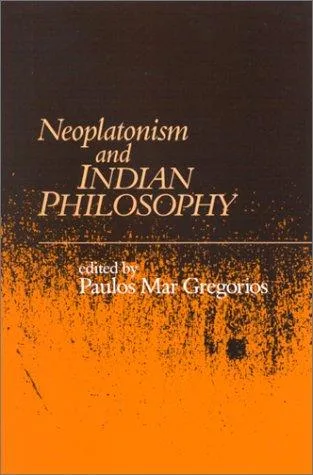
From the “Neoplatonism” Collection
View all →






More Free Alchemy & Hermeticism Books
View all →