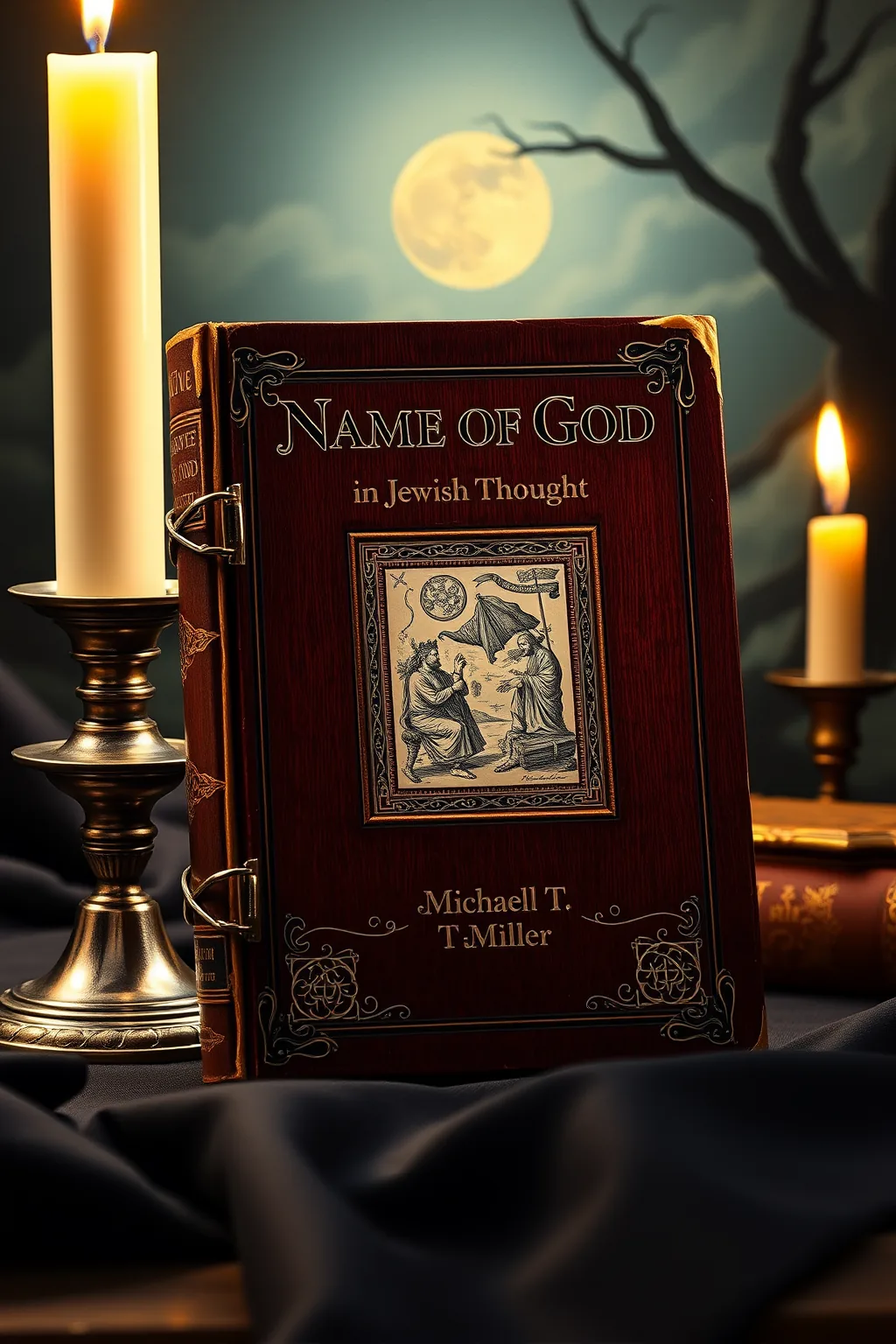
Name of God in Jewish Thought
 62
62

Name of God in Jewish Thought

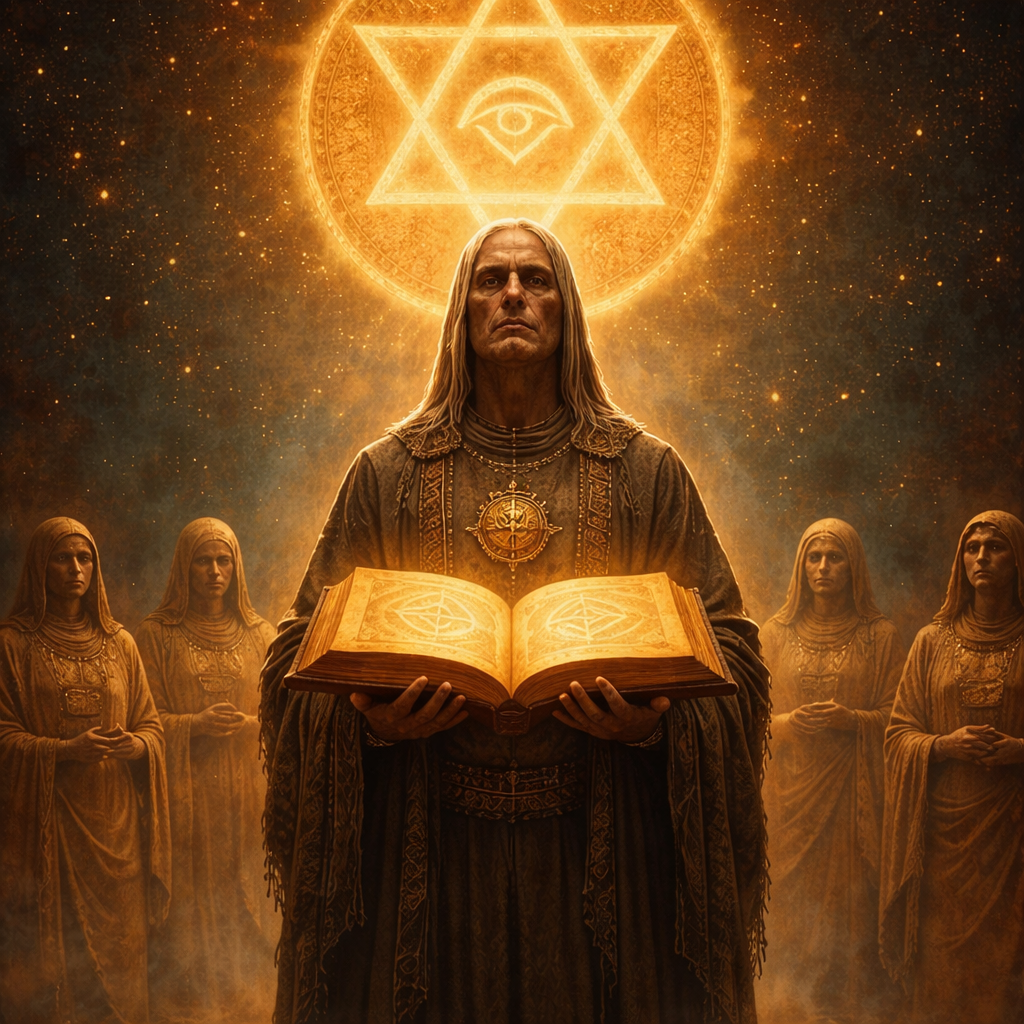

Michael T. Miller’s "Name of God in Jewish Thought" is an indispensable guide to the esoteric nomenclature of the Divine within Jewish tradition. Miller masterfully navigates the complex currents of Kabbalah and rabbinical exegesis, unearthing the profound spiritual and philosophical implications of God's names. His work is characterized by its meticulous scholarship and its ability to convey the deep, often hidden, mystical insights embedded within these sacred appellations. For the serious student of Jewish mysticism, or indeed any seeker of ultimate truths, this book offers a rare and illuminating perspective on the power and significance of the Divine Name. It is a scholarly yet accessible exploration that resonates with ancient wisdom, a vital addition to any esoteric library.
📝 Description
62
Michael T. Miller's 2015 book examines the sacred nomenclature of the Divine in Jewish thought.
Michael T. Miller's "Name of God in Jewish Thought" investigates the various appellations for the Divine within Jewish tradition. The book details the significance of these names in Kabbalistic and rabbinical contexts, uncovering their hidden meanings and connections to spiritual experience. Miller discusses how the utterance of God's Name relates to cosmic realities and divine consciousness. He also addresses the practical use of these names, positing them as tools for spiritual power and awareness. The text invites contemplation of divine revelation through sacred writings.
The book is written for those interested in the core of Jewish mysticism. It aims to shed light on the Creator's essence as understood through His most sacred designations. Miller's work is a resource for scholars, mystics, and individuals seeking a deeper understanding of the Divine.
This work situates itself within the esoteric traditions of Jewish mysticism, particularly Kabbalah. It focuses on the concept of God's ineffable Name, a central theme in Jewish mystical practice and speculation. The text examines how specific divine names are understood to hold mystical power and serve as conduits for spiritual experience. By analyzing ancient Hebrew letters and their combinations, as well as rabbinic interpretations, Miller connects textual study to the pursuit of divine knowledge and connection.
💡 Why Read This Book?
Uncover the hidden power and profound symbolism of God's names within Jewish mystical traditions. This book is for seekers, scholars, and practitioners who wish to deepen their understanding of Kabbalistic principles and the esoteric dimensions of divine revelation. Explore ancient wisdom that can unlock new levels of spiritual insight and connection.
⭐ Reader Reviews
Honest opinions from readers who have explored this book.
❓ Frequently Asked Questions
What is the primary focus of this book?
The book's primary focus is the exploration of the various names of God within Jewish thought, particularly their mystical and Kabbalistic significance, and the understanding of their symbolic and spiritual power.
Is prior knowledge of Kabbalah required to understand this book?
While prior knowledge can enhance the experience, Michael T. Miller's accessible writing style and clear explanations make the book approachable for dedicated beginners interested in the esoteric aspects of Jewish thought.
How does the book discuss the practical application of God's names?
The book delves into how the understanding and contemplation of divine names were historically and mystically used to facilitate spiritual connection, prayer, and even influence the cosmic order.
What is the historical scope of the 'Name of God in Jewish Thought'?
The book examines the concept of God's names across a broad historical spectrum, from ancient rabbinical literature through the development of Kabbalistic traditions, highlighting continuity and evolution.
Can this book be considered a guide to Jewish mysticism?
Yes, it serves as a foundational guide to a crucial aspect of Jewish mysticism, offering profound insights into the divine essence and the esoteric language used to approach it.
🔮 Key Themes & Symbolism
The Ineffable and the Utterable
This theme explores the profound paradox of the Divine: how can the Infinite, the truly Ineffable, be approached through the finite medium of human language and names? The book looks at the historical and mystical attempts within Judaism to bridge this gap, revealing the sacred power vested in specific appellations as conduits to the Divine presence and essence, making the seemingly unknowable, knowable.
Kabbalistic Numerology and Gematria
A core element is the exploration of how Kabbalistic systems, particularly gematria (the practice of assigning numerical values to Hebrew letters), unlock deeper layers of meaning within God's names. This theme illuminates how these numerical correspondences reveal hidden connections between divine attributes, cosmic principles, and the very structure of reality, offering a framework for understanding the intricate set of creation.
The Power of Divine Names in Prayer and Manifestation
This theme examines the practical and spiritual implications of invoking God's names. It discusses how, within esoteric Jewish traditions, the correct pronunciation and contemplation of divine appellations were believed to facilitate profound spiritual communion, influence the celestial realms, and even contribute to the manifestation of divine will in the earthly sphere, empowering the practitioner.
💬 Memorable Quotes
Direct passages from the work, attributed to the author.
“The Name is a vessel for the Divine Light.”
— This suggests that divine appellations are not mere labels, but sacred containers designed to hold and transmit the essence of God's presence and power.
“Through the Name, the hidden becomes revealed.”
— This highlights the transformative power of divine names, acting as keys that unlock concealed spiritual truths and facilitate direct apprehension of the Divine.
“Each letter is a spark of the Infinite.”
— Emphasizes the profound significance of Hebrew letters within divine names, viewing them as fundamental units of creation imbued with divine energy and cosmic meaning.
“To know the Name is to approach the Creator.”
— Underscores the intimate relationship between knowledge of God's appellations and the path to spiritual closeness and communion with the Divine.
“The Name echoes in the chambers of the soul.”
— Suggests that the divine names resonate within the deepest parts of human consciousness, hinting at an inherent connection between the human spirit and the Divine.
🌙 Esoteric Significance
Tradition
This work is deeply rooted in the esoteric tradition of Kabbalah, the mystical interpretive tradition of Judaism. It explores the Zohar, Lurianic Kabbalah, and other key Kabbalistic texts, focusing on the linguistic and symbolic dimensions of divine revelation as a path to spiritual gnosis and communion with the Ein Sof (the Infinite).
Symbolism
Key symbols include the Hebrew alphabet as a divine blueprint, numerical values of letters (gematria) as keys to hidden meanings, the ten Sefirot as divine emanations, and the various sacred names (e.g., YHVH, Elohim, Adonai) as distinct manifestations of God’s attributes and power.
Modern Relevance
In contemporary times, "Name of God in Jewish Thought" offers a profound resource for understanding the enduring power of sacred language and symbolism. It provides a framework for exploring consciousness, the nature of reality, and the human quest for meaning, resonating with modern spiritual seekers interested in contemplative practices and the esoteric dimensions of faith.
👥 Who Should Read This Book
This book is a vital resource for dedicated students of Kabbalah and Jewish mysticism, offering deep dives into sacred nomenclature. Scholars of religion and comparative mysticism will find its rigorous analysis invaluable. Spiritual seekers yearning for a deeper connection to the Divine will be illuminated by its exploration of divine names as pathways to transcendence. Practitioners seeking to enhance their contemplative practices and understanding of esoteric principles will discover practical insights and profound wisdom within its pages.
📜 Historical Context
Michael T. Miller's "Name of God in Jewish Thought" emerges from a collection of Jewish intellectual and spiritual history, spanning from the early rabbinical period to the flowering of Kabbalah in medieval Spain and beyond. The work engages with texts and traditions that developed during eras of both profound persecution and intellectual flourishing, where the exploration of divine mysteries became a vital means of preserving spiritual identity and seeking solace. The medieval period, in particular, saw an explosion of Kabbalistic literature, driven by a desire to understand God's immanence in the world and the divine mechanics of creation. Miller situates his analysis within this dynamic context, where concepts like the Sefirot, gematria, and mystical meditation were meticulously developed, offering a profound commentary on how the understanding of God's names evolved as a central pillar of Jewish esoteric thought.
📔 Journal Prompts
Reflect on a time you felt a profound sense of the Divine. What words or concepts came to mind, if any?
Consider the concept of a name as a reflection of essence. How does this apply to human names and, more importantly, divine names?
Explore the idea of 'uttering' the Divine. What does it mean to speak God's name, and what potential power does this hold?
How might understanding the numerical values of letters (gematria) offer a new perspective on the interconnectedness of creation?
Meditate on one of the divine names discussed in the book. What feelings, images, or insights arise within you?
🗂️ Glossary
Kabbalah
The esoteric mystical tradition of Judaism, concerned with divine mysteries, the nature of God, creation, and the soul, often employing symbolic interpretation of scripture.
Gematria
A system of Jewish numerology that assigns numerical values to Hebrew letters, used to interpret biblical passages and reveal hidden connections between words and concepts.
Ein Sof
The Kabbalistic term for the 'Infinite' or 'Without End,' representing God in His absolute, unknowable, and transcendent essence before any emanation.
Sefirot
The ten divine emanations or attributes through which the Infinite (Ein Sof) reveals itself and interacts with creation, forming the structure of the Kabbalistic Tree of Life.
Tetragrammaton
The four-letter Hebrew name of God (YHVH), considered the most sacred and personal name, often pronounced with reverence or substituted with other appellations.
This book appears in 1 collection
🔮 Readers Also Liked
Browse all →








From the “Kabbalah” Collection
View all →







More Free Kabbalah & Jewish Mysticism Books
View all →