Mysticism and transcendence in later neoplatonism.
 61
61

Mysticism and transcendence in later neoplatonism.



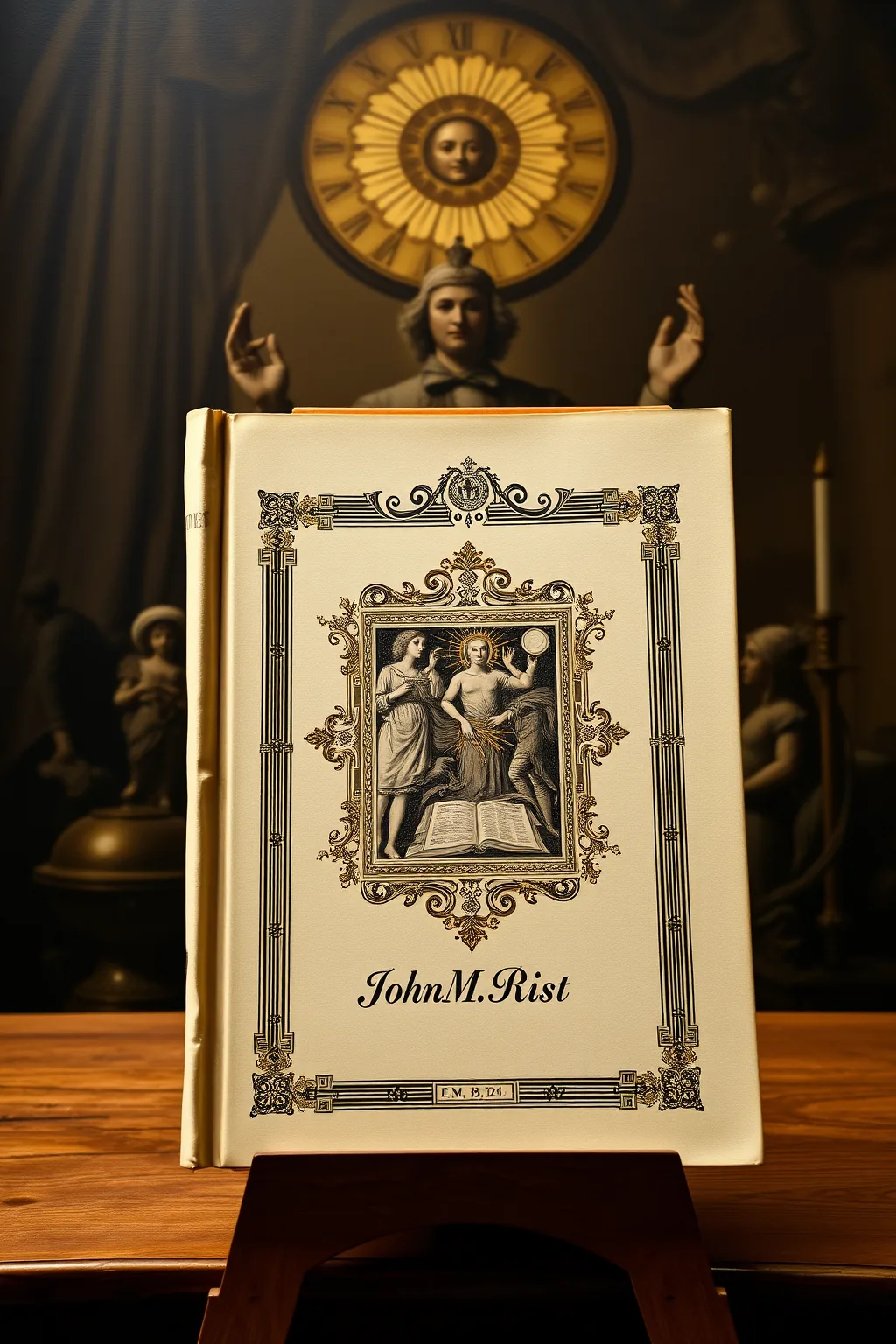
In 'Mysticism and Transcendence in Later Neoplatonism,' John M. Rist masterfully navigates the mystical undercurrents of Neoplatonic philosophy. This work is a treasure trove of esoteric insights, providing a comprehensive exploration of the transcendental experiences that define this philosophical tradition. Rist's scholarship is both rigorous and evocative, making it an essential read for those interested in the occult and mystical dimensions of ancient thought. The book's strength lies in its ability to bridge the gap between academic rigor and spiritual exploration, making it accessible to both scholars and spiritual seekers.
📝 Description
61
John M. Rist's 1992 book examines mysticism and transcendence in later Neoplatonism.
In 'Mysticism and Transcendence in Later Neoplatonism,' John M. Rist investigates the philosophical ideas of thinkers like Plotinus, Porphyry, and Iamblichus. He focuses on how these philosophers approached concepts of the divine, the soul's ascent, and ultimate reality. The book considers their attempts to describe experiences that lie beyond ordinary human comprehension. Rist analyzes their arguments about the nature of being and the possibility of union with the One.
The work details the philosophical frameworks developed to articulate these mystical states. It traces the evolution of Neoplatonic thought on transcendence, showing how it differed across various schools and periods. Rist's analysis connects these philosophical discussions to the broader spiritual currents of the ancient world. The text aims to clarify the intellectual underpinnings of a tradition deeply concerned with spiritual realization.
This book is situated within the study of later Neoplatonism, a philosophical system that emerged in the Roman Empire and profoundly influenced Western esotericism. Neoplatonism offered a metaphysical framework for understanding mystical experiences and the ultimate nature of reality, often positing a hierarchical structure of existence culminating in an ineffable divine principle. Thinkers in this tradition developed complex philosophical arguments and contemplative practices aimed at achieving union with this ultimate source. Rist's work engages directly with these philosophical underpinnings, making it relevant for understanding the intellectual roots of various esoteric traditions.
💡 Why Read This Book?
Read 'Mysticism and Transcendence in Later Neoplatonism' to uncover the hidden mysteries of Neoplatonic philosophy. Ideal for seekers of esoteric knowledge, scholars of ancient wisdom, and practitioners of the occult, this book offers profound insights into the mystical experiences that have shaped Western thought. Discover the symbolism and hidden teachings that can deepen your spiritual journey and expand your understanding of the divine.
⭐ Reader Reviews
Honest opinions from readers who have explored this book.
❓ Frequently Asked Questions
What is the primary focus of 'Mysticism and Transcendence in Later Neoplatonism'?
The book focuses on the mystical and transcendental aspects of Neoplatonic philosophy, exploring the esoteric teachings and experiences of later Neoplatonic thinkers.
Who would benefit most from reading this book?
Scholars of ancient philosophy, seekers of esoteric knowledge, and practitioners of the occult will find this book particularly enlightening.
Does the book require prior knowledge of Neoplatonism?
While prior knowledge can enhance understanding, the book is accessible to readers with a basic interest in mystical and esoteric themes.
What makes this book unique in the field of Neoplatonic studies?
Rist's work stands out for its deep exploration of the mystical and transcendental dimensions, providing a fresh perspective on well-known philosophical ideas.
Can this book be read for spiritual growth?
Yes, the book offers profound insights into mystical experiences, making it a valuable resource for spiritual seekers and practitioners.
🔮 Key Themes & Symbolism
Transcendental Experiences
The book studies the transcendental experiences described by later Neoplatonic thinkers, offering a mystical angle on philosophical concepts. Readers will explore the esoteric paths to spiritual enlightenment and the hidden knowledge that underpins these experiences.
Esoteric Teachings
Rist reveals the esoteric teachings that have shaped Western thought, providing a deep dive into the mystical dimensions of Neoplatonism. This theme highlights the hidden wisdom and symbolism that define this philosophical tradition.
Symbolism and Hidden Knowledge
The book explores the strong symbolism and hidden knowledge embedded in Neoplatonic philosophy, offering readers a glimpse into the esoteric world of ancient thinkers. This theme is crucial for understanding the mystical undercurrents of Neoplatonic thought.
💡 Key Ideas
Editorial paraphrase of the work's core concepts — not direct quotes.
The journey to the divine begins with the transcendence of the self.
This quote underscores the mystical path to spiritual enlightenment, emphasizing the need to transcend personal limitations.
Neoplatonism reveals the hidden wisdom that connects all beings.
This line highlights the esoteric teachings that unify diverse philosophical and spiritual traditions.
Symbolism is the language of the divine, speaking to the soul.
This quote emphasizes the importance of symbolism in understanding the mystical dimensions of Neoplatonism.
The true seeker of knowledge studies the mysteries of the unseen.
This passage invites readers to explore the hidden knowledge and esoteric teachings that define Neoplatonic philosophy.
Transcendence is the ultimate goal of the mystical journey.
This quote underscores the transcendental experiences that lie at the heart of Neoplatonic thought.
🌙 Esoteric Significance
Tradition
This book belongs to the Hermetic tradition, which emphasizes the pursuit of hidden knowledge and spiritual enlightenment. It draws on Neoplatonic ideas to explore the mystical dimensions of philosophy, making it a valuable resource for practitioners of the occult and seekers of esoteric wisdom.
Symbolism
Key symbols in the book include the divine ascent, the transcendence of the self, and the unification of all beings. These symbols represent the esoteric paths to spiritual enlightenment and the hidden knowledge that underpins Neoplatonic thought.
Modern Relevance
Today, this book remains relevant for modern practitioners of the occult and seekers of esoteric knowledge. Its exploration of mystical experiences and transcendental insights offers a profound understanding of the divine, making it a valuable resource for spiritual growth and philosophical inquiry.
👥 Who Should Read This Book
Beginners interested in esoteric traditions will find this book accessible and enlightening, providing a solid foundation for further exploration. Scholars of ancient philosophy will appreciate the depth of Rist's analysis and the fresh perspective on well-known ideas. Spiritual seekers will benefit from the clear insights into mystical experiences, while practitioners of the occult will find valuable resources for deepening their spiritual practices.
📜 Historical Context
Written during a time when Neoplatonic ideas were influencing both pagan and early Christian thought, 'Mysticism and Transcendence in Later Neoplatonism' provides a crucial bridge between ancient philosophical traditions and emerging spiritual movements. The book's exploration of mystical experiences and esoteric teachings was particularly important in an era marked by religious and philosophical transitions. Its influence can be seen in the works of later mystics and philosophers, who continued to draw on Neoplatonic ideas to deepen their understanding of the divine.
📔 Journal Prompts
How do the transcendental experiences described in the book resonate with your own spiritual journey?
What esoteric teachings from Neoplatonism have you found particularly enlightening?
In what ways does the symbolism in the book deepen your understanding of the divine?
How can the mystical dimensions of Neoplatonism enhance your spiritual practices?
What hidden knowledge from the book has expanded your perspective on ancient philosophy?
🗂️ Glossary
Neoplatonism
A philosophical tradition that emerged in the 3rd century AD, combining elements of Plato's ideas with mystical and esoteric teachings.
Transcendental Experiences
Mystical encounters that involve the transcendence of the self and a connection to the divine.
Esoteric Teachings
Hidden knowledge and wisdom that are revealed to those who seek spiritual enlightenment.
Symbolism
The use of symbols to represent mystical and esoteric concepts, often found in ancient philosophical and spiritual traditions.
Divine Ascent
The mystical journey of the soul towards union with the divine, a central theme in Neoplatonic thought.
This book appears in 6 collections
🔮 Readers Also Liked
Browse all →







More by John M. Rist
All books →

From the “Christian Mysticism” Collection
View all →








More Free Alchemy & Hermeticism Books
View all →