Mamamélis
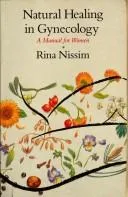
 76
76

Mamamélis
Rina Nissim's Mamamélis, a collection first appearing in 1985, presents a deeply personal and often evocative exploration of feminine divinity. Nissim writes with an earnestness that is both its greatest strength and, at times, a slight limitation. Her prose, while lyrical, occasionally borders on the devotional, which may not resonate with readers seeking purely academic analysis. However, her passionate articulation of the sacred feminine, particularly in passages discussing the reclaiming of female archetypes suppressed by patriarchal religions, is compelling. The concept of 'Mamamélis' itself, as a multifaceted, immanent divine feminine force, is presented with a conviction that invites contemplation. While the book lacks the rigorous historical citation of some academic works on Goddess spirituality, its strength lies in its spiritual testimony and the emotional truth it conveys. For those open to a more intuitive and experiential engagement with divinity, Mamamélis offers a potent and affirming perspective.
📝 Description
76
Rina Nissim's 1985 book Mamamélis offers reflections on women's spirituality outside patriarchal religion.
Mamamélis is a collection of essays by Rina Nissim, first published in 1985. The book examines women's spirituality and the sacred feminine, focusing on paths to divinity that exist apart from patriarchal religious structures. Nissim's writing is personal and often poetic, detailing how archetypal feminine energies manifest in women's lives.
This work speaks to readers interested in Goddess spirituality, feminist theology, and ecofeminism. It is especially useful for those looking to understand and reclaim feminine aspects of the divine that mainstream religious traditions have often marginalized or suppressed. Those who prefer an introspective and experiential approach to spiritual matters will find Mamamélis rewarding.
Published in 1985, Mamamélis appeared during a significant growth period for the Goddess movement and feminist spirituality in the West. This time saw renewed interest in pre-Christian goddesses, earth-based spiritualities, and matriarchal societies. Nissim's work engaged with a wider conversation alongside figures like Starhawk and Merlin Stone, who were also articulating the importance of the divine feminine. The book provided an alternative to dominant monotheistic and patriarchal views of the sacred.
💡 Why Read This Book?
• Gain insight into the concept of 'Mamamélis' as an immanent, multifaceted divine feminine, a core idea explored by Rina Nissim, which challenges traditional patriarchal notions of divinity. • Understand the historical context of 1985 and the burgeoning Goddess movement, recognizing how this work contributed to a Western spiritual discourse seeking to reclaim suppressed feminine archetypes. • Connect with a spiritual perspective that emphasizes the sacredness of the body and intuition, offering a counterpoint to ascetic or disembodied spiritual practices found in some traditions.
⭐ Reader Reviews
Honest opinions from readers who have explored this book.
❓ Frequently Asked Questions
When was Mamamélis first published, and what was the cultural climate like?
Mamamélis was first published in 1985. This period was marked by a significant rise in the Goddess movement and feminist spirituality in Western cultures, with a growing interest in pre-Christian deities and earth-based spiritualities.
What is the central idea or figure explored in Mamamélis?
The central idea revolves around 'Mamamélis,' a concept representing the immanent, multifaceted divine feminine. It's an exploration of the sacred feminine that exists within nature, individuals, and the cycles of life, often presented as a counterpoint to transcendent, patriarchal deities.
Who is Rina Nissim, the author of Mamamélis?
Rina Nissim is an author and spiritual thinker known for her contributions to feminist spirituality and Goddess traditions. Her work, including Mamamélis, often focuses on reclaiming and celebrating the divine feminine.
Does Mamamélis offer practical exercises or rituals?
While primarily a collection of reflections and essays, Mamamélis often inspires a personal connection to the themes it explores. Readers may find themselves drawn to personal contemplation or practices that align with the book's focus on nature, intuition, and the sacred feminine.
How does Mamamélis relate to the broader Goddess spirituality movement?
Mamamélis is intrinsically linked to the Goddess spirituality movement that gained momentum in the late 20th century. It contributes to the discourse by articulating specific aspects of the divine feminine and challenging patriarchal religious frameworks, echoing sentiments found in the works of contemporaries.
Is Mamamélis a historical text or a contemporary spiritual guide?
Mamamélis is a work that emerged from a specific historical moment (1985) within the Goddess movement, but its themes of immanent divinity and the sacred feminine continue to hold relevance for contemporary spiritual seekers interested in these paths.
🔮 Key Themes & Symbolism
The Immanent Divine Feminine
Mamamélis centers on the concept of the divine feminine not as a distant, transcendent deity, but as an immanent force present within all of creation. This challenges patriarchal religious structures that often position God as external and male. Nissim explores how this immanent divinity manifests through nature, the cycles of life, and the very essence of women's being, encouraging readers to recognize and connect with this pervasive sacred energy in their own lives and surroundings.
Archetypes of the Great Mother
The work studies the archetypal imagery of the Great Mother, a figure encompassing creation, nurturing, destruction, and rebirth. Nissim examines how these powerful feminine archetypes have been suppressed or distorted within dominant religious narratives. By bringing these primal feminine energies to the forefront, the book aims to help individuals, particularly women, reclaim a holistic understanding of their own power and connection to the earth and cosmic cycles.
Sacredness of the Body and Intuition
A significant theme in Mamamélis is the affirmation of the body and intuitive knowing as sacred conduits for spiritual experience. This stands in contrast to spiritual traditions that emphasize asceticism or intellectual understanding above embodied wisdom. Nissim argues for the inherent divinity within female physicality and the power of instinctual knowledge, encouraging readers to trust their inner guidance and celebrate the wholeness of their being.
Challenging Patriarchal Religion
Mamamélis offers a critique of patriarchal religious systems that have historically marginalized or demonized feminine aspects of the divine. Nissim advocates for the re-evaluation and re-integration of these suppressed energies, suggesting that a more balanced and complete understanding of the sacred requires acknowledging and honoring the divine feminine. The book provides a spiritual framework for those seeking alternatives to male-dominated religious doctrines.
💬 Memorable Quotes
Direct passages from the work, attributed to the author.
“Nature is the first temple of the Mother.”
— This highlights the book's ecospiritual perspective, identifying the natural world as the primary locus of divine feminine energy. It suggests that true connection to the sacred feminine begins with observing and honoring the earth, a foundational idea in Goddess traditions.
“Reclaiming the ancient goddesses is reclaiming ourselves.”
— This interpretation emphasizes the personal and psychological dimension of Goddess spirituality. It suggests that reconnecting with mythological feminine figures is a path to self-discovery and empowerment for women, linking personal identity to ancient feminine archetypes.
“Intuition is the whisper of the immanent divine.”
— This interpretation underscores the value placed on inner knowing within Mamamélis. It positions intuition not as mere guesswork, but as a direct channel to the divine feminine that resides within, a key element in accessing spiritual truth outside of dogma.
💡 Key Ideas
Editorial paraphrase of the work's core concepts — not direct quotes.
The divine feminine is not a concept to be grasped, but a presence to be felt.
This paraphrased concept highlights the book's emphasis on experiential spirituality. It suggests that understanding the sacred feminine, 'Mamamélis,' comes not through intellectual study alone, but through embodied feeling and intuitive connection, a core tenet of Nissim's approach.
Patriarchal structures often seek to disembody the divine.
This paraphrased concept points to Nissim's critique of religions that emphasize a transcendent, non-corporeal God, often associated with male imagery. The work argues for the sacredness of the physical and the immanent divine within the body.
🌙 Esoteric Significance
Tradition
Mamamélis is deeply rooted in the modern Goddess spirituality and Neo-Pagan movements, particularly those influenced by feminist theology and earth-based spiritualities. It departs from more rigid, ritual-focused traditions by emphasizing personal revelation and immanence. While it shares thematic concerns with Hermeticism regarding divine presence, its focus is specifically on the feminine principle, often viewed through lenses of matriarchal history and ecological interconnectedness, rather than the more gender-balanced or male-centric Hermetic corpus.
Symbolism
Central symbols in Mamamélis include the Great Mother archetype, representing the totality of creation, nurturing, and cyclical transformation (birth, death, rebirth). The moon, often associated with feminine cycles and intuition, is another key motif. The earth itself is presented as a sacred symbol of immanent divinity, a living body of the Goddess, emphasizing connection and embodiment over transcendence.
Modern Relevance
Contemporary practitioners of Goddess spirituality, ecofeminist scholars, and those involved in somatic or trauma-informed spiritual practices often draw on the ideas articulated in Mamamélis. Thinkers exploring embodied divinity, the reclamation of suppressed feminine narratives in religion and culture, and the spiritual significance of natural cycles find Nissim's work a foundational text for understanding the immanent sacred feminine.
👥 Who Should Read This Book
• Individuals exploring Goddess spirituality and feminist theology seeking to understand the concept of the immanent divine feminine beyond patriarchal interpretations. • Seekers interested in ecospiritual perspectives who wish to explore the sacredness of nature and the earth as manifestations of divinity. • Readers drawn to personal, intuitive spiritual paths who want to affirm the validity of embodied wisdom and archetypal feminine energies.
📜 Historical Context
When Mamamélis was first published in 1985, the Western spiritual landscape was experiencing a significant resurgence of interest in Goddess spirituality and feminist theology. This era, following the initial waves of second-wave feminism, saw a proliferation of books and movements dedicated to reclaiming the divine feminine, often drawing on archaeological findings, mythology, and pre-patriarchal cultures. Rina Nissim's work emerged alongside figures like Merlin Stone, whose 'When God Was a Woman' (1976) had already begun to popularize the idea of ancient matriarchal societies and female deities, and Starhawk, whose 'The Spiral Dance' (1979) was a seminal text for Wicca and Goddess worship. The intellectual currents included ecofeminism and a growing critique of Western patriarchal religious traditions. Mamamélis contributed to this discourse by offering a more personal and poetic articulation of immanent divinity, moving beyond purely historical or academic arguments to focus on lived spiritual experience and archetypal understanding. The reception was largely within these burgeoning alternative spiritual communities, providing an affirming voice for those seeking alternatives to dominant monotheistic faiths.
📔 Journal Prompts
The presence of Mamamélis in nature.
Reflecting on the Great Mother archetype's influence.
The body as a temple of the divine feminine.
Moments of intuitive knowing.
Challenging patriarchal religious assumptions in personal belief.
🗂️ Glossary
Mamamélis
A term used by Rina Nissim to represent the immanent, complex divine feminine principle, encompassing creation, nurturing, and the cycles of life and death.
Immanence
The concept that divinity resides within the world and individuals, rather than existing solely as a transcendent, external being. It emphasizes the sacredness of creation itself.
Sacred Feminine
The divine principle understood through feminine archetypes, energies, and symbolism. It emphasizes qualities like nurturing, intuition, creativity, and cyclical power, often contrasted with patriarchal religious interpretations.
Patriarchal Religion
Religious systems and structures characterized by male dominance in leadership, theology, and interpretation, often leading to the marginalization or suppression of feminine divine aspects.
Great Mother
A primal feminine archetype representing the source of all life, encompassing aspects of creation, nurturing, destruction, and rebirth. It is a central figure in many Goddess traditions.
Archetype
A universal, archaic pattern or image that is part of the collective unconscious. In Mamamélis, feminine archetypes are explored as fundamental aspects of the divine feminine.
Intuition
The ability to understand something immediately, without the need for conscious reasoning. In the context of Mamamélis, it is presented as a vital channel for connecting with the immanent divine.
🔮 Readers Also Liked
Browse all →









More Free Occult Philosophy Books
View all →