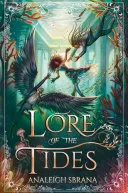
Lore of the Tides
 80
80

Lore of the Tides
Analeigh Sbrana’s Lore of the Tides delivers a potent continuation of Lore Alemeyu's story, escalating the magical stakes considerably. The author excels at portraying Lore’s isolation and vulnerability as she finds herself captive at sea, a stark contrast to the wilder settings of her previous adventures. The distrust from the ship's crew, coupled with a personal betrayal by a Fae confidante, creates palpable tension. A particularly effective sequence involves Lore attempting to subtly use her Fae abilities to assess her captors, only to be met with outright hostility, highlighting the deep-seated prejudice she faces. However, the pacing occasionally falters in the middle sections as the quest for the sun book becomes somewhat circuitous, with plot points feeling slightly repetitive before accelerating towards the climax. Despite this, Sbrana’s exploration of Fae magic’s darker implications and the psychological toll of Lore’s predicament is compelling. Lore of the Tides is a solid, if slightly uneven, fantasy installment.
📝 Description
80
Analeigh Sbrana's 2025 novel, Lore of the Tides, begins with a protagonist imprisoned on a ship.
Lore of the Tides, published in 2025, follows Lore Alemeyu, who finds herself captive aboard a ship. Facing a hostile crew and the sting of betrayal, her situation escalates as she embarks on a perilous quest for the sun book. This artifact holds the potential for great harm if misused, threatening her world.
The narrative builds upon the Fae magic previously introduced in Sbrana's Lore of the Wilds. Here, the stakes are raised, and new magical challenges emerge. This installment is for readers who appreciate complex fantasy narratives rich with magical lore and character-driven conflicts. It will appeal to those drawn to quest stories, political maneuvering within magical societies, and protagonists pushed to their limits.
Fans of Sbrana's earlier work will discover a satisfying continuation of the Lore Alemeyu saga. The book delves deeper into the aspects of Fae magic and their repercussions. It aligns with contemporary fantasy's exploration of varied mythologies and magical systems, specifically concerning Fae lore and the ethics of wielding powerful artifacts.
Lore of the Tides engages with themes common in speculative fiction that examines the balance of power and the ethics of magic. The 'sun book' functions as a central element, representing forbidden knowledge or power capable of destabilizing the established order. The narrative structure, continuing a previous installment, allows for the development of complex world-building and character arcs, a common technique in serialized fantasy.
💡 Why Read This Book?
• Gain insight into the intricate workings of Fae magic as depicted by Analeigh Sbrana, understanding its potential dangers and how it interacts with the human world, particularly in the context of the 'sun book'. • Experience Lore Alemeyu's personal growth through adversity, observing her resilience and strategic thinking when imprisoned on a ship and betrayed by a Fae ally. • Explore themes of trust and prejudice as Lore navigates suspicion from her captors and the consequences of her Fae heritage, offering a nuanced look at inter-species relations.
⭐ Reader Reviews
Honest opinions from readers who have explored this book.
❓ Frequently Asked Questions
What is the significance of the 'sun book' in Lore of the Tides?
The 'sun book' is a central artifact in Lore of the Tides, representing a powerful and potentially dangerous object. Its quest drives much of the plot, as its misuse could have catastrophic consequences for Lore's world and its inhabitants.
How does Lore of the Tides build on Lore of the Wilds?
Lore of the Tides continues the narrative of Lore Alemeyu, expanding on the Fae magic introduced in the previous book. It raises the stakes significantly, placing Lore in a perilous situation and exploring the repercussions of her magical abilities.
What kind of challenges does Lore face in this book?
Lore faces immediate challenges of captivity aboard a ship, mistrust from the crew due to her magic, and betrayal by a Fae she relied on. She must also undertake a dangerous quest for the sun book.
Is Lore of the Tides a standalone novel?
No, Lore of the Tides is presented as the conclusion to a narrative arc that began in Analeigh Sbrana's previous work, Lore of the Wilds. It is recommended to read the earlier book for full context.
What are the primary themes explored in Lore of the Tides?
The book explores themes of trust, betrayal, prejudice against magic users, and the consequences of wielding powerful artifacts. It also delves into the complexities of Fae magic and inter-species relations.
When was Lore of the Tides first published?
Lore of the Tides was first published on July 8, 2025, by Analeigh Sbrana.
🔮 Key Themes & Symbolism
Fae Magic and Its Perils
The work meticulously details the nature of Fae magic, presenting it not as an inherent good or evil, but as a force with potent consequences. Lore's own abilities are a source of both power and alienation, making her a target for suspicion. The narrative emphasizes that wielding such magic often comes with a heavy price, affecting not only the user but also those around them, especially when Fae entities are involved.
Trust and Betrayal
Central to Lore's experience in Lore of the Tides is the theme of trust, particularly in the face of deep-seated prejudice. Her captors distrust her magic, and a Fae she believed she could rely on betrays her. This creates a profound sense of isolation and forces Lore to re-evaluate her alliances and her own judgment, highlighting the fragility of relationships in high-stakes environments.
The Quest for Forbidden Knowledge
The pursuit of the 'sun book' serves as the primary plot driver, symbolizing the dangerous allure of forbidden knowledge or immense power. The book's potential to destabilize Lore's world underscores the ethical considerations surrounding such artifacts. The quest itself tests Lore's resolve and forces her to confront the moral ambiguities inherent in seeking out powerful, potentially destructive items.
Captivity and Resilience
Lore's imprisonment on a ship in the middle of the ocean represents a significant shift from her previous environments. This enforced stillness and vulnerability allow for an intense exploration of her inner strength and resilience. Facing constant danger and distrust, she must find ways to survive and strategize, demonstrating her capacity to adapt and endure under extreme duress.
💬 Memorable Quotes
Direct passages from the work, attributed to the author.
“A Fae’s promise, she now understood, was a thing as shifting as the tides themselves.”
— This interpretation of betrayal highlights Lore's disillusionment. It suggests a profound lesson learned about the unreliable nature of trust, particularly when dealing with beings whose loyalties or understanding of commitment may differ vastly from humans.
“The sun book pulsed with a heat that promised power, but whispered of ruin.”
— This metaphorical description conveys the dual nature of the artifact. It represents immense potential and the allure of power, yet simultaneously warns of the catastrophic consequences that its acquisition or misuse might bring.
“To escape the sea, she first had to face the storm within herself.”
— This suggests an internal journey intertwined with the external quest. Lore's physical predicament on the ocean mirrors an inner struggle, implying that overcoming her own doubts or mastering her Fae nature is crucial to her eventual freedom.
💡 Key Ideas
Editorial paraphrase of the work's core concepts — not direct quotes.
She woke to the rocking of a ship, the salt spray a harsh kiss on her face, a prisoner of the vast, indifferent ocean.
This passage vividly captures Lore's sudden disorientation and the dire circumstances she finds herself in. It immediately establishes the oceanic setting and her captive status, setting a tone of peril and isolation for the narrative.
Their eyes held no wonder for her Fae blood, only suspicion and the glint of fear.
This quote articulates the core conflict of prejudice Lore faces. It contrasts the inherent nature of her Fae heritage with the hostile reactions it provokes from humans, emphasizing the societal barriers she must overcome.
🌙 Esoteric Significance
Tradition
While not explicitly aligned with a single historical esoteric tradition, Lore of the Tides engages with archetypal themes common in Western esotericism, particularly concerning the interaction between the mundane and the magical realms. The Fae, as depicted, can be seen as analogous to elemental spirits or otherworldly beings often discussed in Hermetic and magical traditions. The narrative explores the inherent dangers of interacting with such forces and the potential for corruption when seeking forbidden knowledge, a recurring motif in occult literature.
Symbolism
The 'sun book' functions as a potent symbol of hidden knowledge and power, akin to the Emerald Tablet in Hermetic lore, representing transformative potential but also significant risk. The ocean itself serves as a symbol of the subconscious, the unknown, and the elemental forces that govern existence, mirroring the chaotic yet life-giving nature of magic. Lore's Fae blood symbolizes an innate connection to the otherworldly, a source of both unique abilities and societal ostracization.
Modern Relevance
Contemporary authors and practitioners exploring themes of liminality, the ethics of power, and the intersection of human and non-human intelligence find resonance in Sbrana's work. Modern fantasy writers continue to draw inspiration from nuanced portrayals of magical societies and the personal cost of wielding extraordinary abilities. The book’s examination of prejudice against those with different powers also speaks to ongoing societal dialogues about acceptance and understanding in diverse communities.
👥 Who Should Read This Book
• Fans of intricate Fae lore and complex magical systems seeking a continuation of Analeigh Sbrana’s established world. • Readers interested in character-driven fantasy narratives that explore themes of betrayal, resilience, and the ethical dilemmas of power. • Adventurous readers who enjoy high-stakes quests set against dramatic natural backdrops, like the perilous open ocean.
📜 Historical Context
Analeigh Sbrana’s Lore of the Tides, published in 2025, arrives in an era of speculative fiction where authors increasingly dissect the ethical dimensions of magic and power. The book's focus on Fae lore and its potentially destabilizing artifacts speaks to contemporary anxieties about unchecked technological or magical advancement. While not directly engaging with specific philosophical movements, its exploration of power, trust, and the consequences of knowledge echoes themes found in speculative works examining societal structures and individual responsibility. Sbrana's narrative builds upon the groundwork laid by authors like Holly Black, who have popularized intricate Fae societies in young adult and adult fantasy, and explores similar concepts of political intrigue and inherent magical conflict. The work’s serialized nature, following Lore of the Wilds, aligns with modern publishing trends favouring expansive world-building and character arcs developed across multiple volumes.
📔 Journal Prompts
Lore Alemeyu's distrust of Fae promises, as evidenced by her understanding of the shifting tides.
The crew's fear and suspicion directed at Lore's Fae magic.
The symbolic weight of the 'sun book' and the potential for ruin it represents.
Lore's experience of captivity aboard the ship and her internal resilience.
The consequences of betrayal by a Fae confidante on Lore's perspective.
🗂️ Glossary
Fae magic
Refers to the magical abilities and practices associated with the Fae, often depicted as potent, sometimes capricious, and distinct from human magical traditions. It carries inherent risks and can evoke fear or distrust.
Sun book
A central artifact in Lore of the Tides. It represents a source of immense power and potentially dangerous knowledge, the pursuit of which drives the plot and poses a significant threat.
Lore Alemeyu
The protagonist of the book, possessing Fae magic. Her journey in Lore of the Tides involves navigating captivity, betrayal, and a quest for the sun book.
Sea captivity
Lore's state of being imprisoned on a ship at sea, representing a physical and psychological confinement that tests her resolve and forces her to confront her circumstances.
Fae betrayal
The act of a Fae character breaking trust with Lore, a significant plot point that underscores the unreliable nature of certain alliances and the personal cost of her journey.
Hostile crew
The ship's crew members who exhibit distrust and fear towards Lore due to her magical abilities, creating an antagonistic environment for her.
Esoteric Literature
Texts and writings concerned with mystical, spiritual, or occult knowledge, often exploring hidden meanings, symbolism, and non-mainstream philosophical or religious ideas.