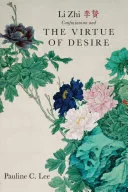
Li Zhi, Confucianism, and the Virtue of Desire
 71
71

Li Zhi, Confucianism, and the Virtue of Desire
Pauline C. Lee's "Li Zhi, Confucianism, and the Virtue of Desire" presents a compelling argument for Li Zhi's enduring significance. Lee masterfully navigates Li Zhi’s often-inflammatory prose, highlighting his persistent critique of societal hypocrisy and his unorthodox views on desire. The book's strength lies in its meticulous reconstruction of Li Zhi's thought within its late Ming context, revealing how his ideas challenged the prevailing Neo-Confucian orthodoxy of figures like Zhu Xi. A particular triumph is Lee's exposition of Li Zhi’s concept of "truthful nature" (zhenxing), which diverges sharply from later interpretations. However, the dense academic prose, while accurate, may present a barrier for readers less familiar with Chinese philosophy. The section on Li Zhi's reception could benefit from further exploration of specific criticisms leveled against him by contemporaries. Nevertheless, Lee’s work solidifies Li Zhi's position as a vital, albeit challenging, voice in Chinese intellectual history.
📝 Description
71
Pauline C. Lee's 2012 book analyzes Li Zhi's critique of Ming Dynasty Confucianism.
Pauline C. Lee's work examines the philosophy of Li Zhi (1527–1602), a Ming Dynasty thinker known for challenging established intellectual norms. The book argues that Li Zhi remains a relevant voice questioning orthodoxies. Lee places Li Zhi's thought within the late Ming Dynasty's intellectual ferment, a time of social unease and reassessment of Neo-Confucianism. Li Zhi's titles, such as "A Book to Hide" and "A Book to Burn," suggest the controversies his ideas provoked, even among followers of the Zhu Xi school.
The core of the book is Li Zhi's reinterpretation of Confucianism, particularly his views on human desire. Lee shows how Li Zhi attempted to harmonize Confucian ethics with an acknowledgment of natural human emotions. This approach contrasted with prevalent interpretations that emphasized asceticism or suppression of feelings. The book is primarily for scholars of Chinese intellectual history, comparative philosophy, and religious studies. It also appeals to those interested in heterodox thought, Confucianism beyond its Neo-Confucian forms, and the philosophical treatment of desire.
Li Zhi's reinterpretation of Confucianism, particularly concerning human desire, positions him within a tradition of thinkers who sought to reconcile orthodox philosophical systems with lived human experience. While not strictly 'esoteric' in a mystical sense, his challenge to the prevailing Zhu Xi school's emphasis on suppressing natural inclinations can be seen as an internal critique that opened space for more complex understandings of human nature within the broad Confucian tradition. His work questioned the accepted boundaries of orthodox thought, which is a common characteristic in movements that push philosophical or religious boundaries.
💡 Why Read This Book?
• Understand Li Zhi’s unique critique of Neo-Confucianism by examining his specific writings, such as "A Book to Hide," and how they deviated from Zhu Xi's interpretations. • Explore the philosophical concept of desire through Li Zhi's lens, learning how he argued for its integration within ethical frameworks, a departure from suppression. • Gain insight into the intellectual climate of the late Ming Dynasty (circa 16th century), understanding the societal pressures and philosophical debates that shaped Li Zhi's controversial work.
⭐ Reader Reviews
Honest opinions from readers who have explored this book.
❓ Frequently Asked Questions
Who was Li Zhi and why was he controversial in 16th-century China?
Li Zhi (1527–1602) was a Ming Dynasty scholar and writer known for his sharp social criticism and unconventional interpretations of Confucianism. His ideas, which challenged established orthodoxies and embraced human desires, led to significant controversy and even censorship.
What is Pauline C. Lee's main argument about Li Zhi?
Lee argues that Li Zhi, despite being often dismissed for lacking a constructive vision, actually offered a profound critique of societal hypocrisy and a compelling re-evaluation of human nature and desire within Confucianism.
How does this book connect Li Zhi to Confucianism?
The book details how Li Zhi engaged with, and often subverted, traditional Confucian tenets. It focuses on his reinterpretation of concepts like "truthful nature" and his views on desire, contrasting them with the dominant Neo-Confucian thought of his era.
What does 'the virtue of desire' mean in the context of this book?
It refers to Li Zhi's idea that natural human desires, rather than being inherently corrupt and needing suppression, could be understood and integrated ethically within a Confucian framework, suggesting a 'virtue' in acknowledging and understanding them.
When was Li Zhi alive and what was the intellectual climate like?
Li Zhi lived from 1527 to 1602, during the late Ming Dynasty. This was a period of intellectual ferment, societal anxieties, and a questioning of established Neo-Confucian doctrines, creating fertile ground for Li Zhi's heterodox views.
What specific works of Li Zhi are discussed?
The book references Li Zhi's provocative titles such as "A Book to Hide" and "A Book to Burn," indicating the contentious nature and reception of his writings during his lifetime.
🔮 Key Themes & Symbolism
Critique of Orthodox Confucianism
Li Zhi's writings, particularly those with titles like "A Book to Hide," represent a direct challenge to the rigid interpretations of Neo-Confucianism that dominated the late Ming period. He questioned the sincerity of scholars who espoused ascetic ideals while living hypocritically, advocating for a more authentic expression of human nature. This theme explores how Li Zhi used his literary platform to expose societal artifice and call for intellectual honesty, setting him apart from contemporaries deeply invested in maintaining the status quo.
Re-evaluating Human Desire
Central to Li Zhi's philosophy is his controversial stance on desire. Unlike many Confucian thinkers who emphasized the suppression of desires to achieve moral cultivation, Li Zhi argued for the recognition and understanding of natural human inclinations. This theme examines how he integrated the concept of desire into his understanding of "truthful nature" (zhenxing), suggesting that desires, when properly understood, are not inherently immoral but a fundamental aspect of human experience that can be ethically navigated.
The Nature of "Truthful Nature"
Li Zhi proposed a concept of "truthful nature" (zhenxing) that departed significantly from orthodox interpretations. He believed that true human nature was inherently good and that attempts to artificially mold it through rigid social codes led to hypocrisy and suffering. This theme explores how Li Zhi's understanding of zhenxing emphasized authenticity and natural expression, providing a philosophical basis for his critique of societal conventions and his defense of individual feeling and desire.
Literary Style and Reception
The provocative titles of Li Zhi's works, such as "A Book to Burn," underscore the inflammatory nature of his ideas and their reception. This theme explores the intersection of Li Zhi's biting literary style, his visionary yet controversial thought, and the societal and intellectual backlash he faced. It examines how his writing generated both a devoted readership and significant opposition, highlighting the risks associated with challenging deeply entrenched philosophical and social norms in 16th-century China.
💬 Memorable Quotes
Direct passages from the work, attributed to the author.
“Li Zhi's writings, including "A Book to Hide" and "A Book to Burn," were both inspiring and inflammatory.”
— This highlights the dual nature of Li Zhi's impact during the late Ming Dynasty. His bold critiques and unconventional ideas resonated with many seeking authenticity, while simultaneously provoking strong opposition from those invested in traditional Confucian orthodoxy.
“Li Zhi has long been acknowledged as an important figure in Chinese cultural history.”
— Despite controversies and periods of obscurity, Li Zhi's intellectual contributions have endured. This acknowledges his lasting significance as a social critic and philosopher whose ideas continue to be studied and debated in understanding Chinese thought.
“While esteemed as a stinging social critic, Li Zhi’s ideas have been dismissed as lacking a deeper or constructive vision.”
— This points to a common scholarly debate surrounding Li Zhi. While his critical acumen is widely recognized, the constructive and systematic nature of his philosophical proposals, particularly regarding desire and ethics, remains a subject of interpretation and contention.
“Pauline C. Lee analyzes Li Zhi's reinterpretation of Confucianism, particularly his views on human nature and desire.”
— This concisely states the central thesis of Lee's work. It emphasizes her focus on how Li Zhi challenged orthodox Confucianism by proposing a more naturalistic understanding of human beings and their inherent desires.
“Li Zhi's readership was devoted, drawn to his shrewd and visionary writings.”
— This emphasizes the personal connection Li Zhi forged with his audience. His sharp intellect and forward-thinking perspectives, even when controversial, captivated readers who were perhaps disillusioned with the prevailing intellectual climate.
🌙 Esoteric Significance
Tradition
While not strictly part of a Western esoteric lineage like Hermeticism or Kabbalah, Li Zhi's work can be seen as engaging with a form of 'esotericism' within Chinese philosophical traditions – specifically, a heterodox or marginalized stream of thought that challenges dominant orthodoxies. His focus on the authentic expression of human nature and the integration of natural desires can be interpreted as a form of inner alchemy, seeking genuine spiritual or ethical realization through acceptance rather than suppression, diverging from the more outwardly disciplined path of mainstream Neo-Confucianism.
Symbolism
The titles "A Book to Hide" and "A Book to Burn" function as potent symbolic statements. "Hiding" suggests the suppression of knowledge or the need for discretion in expressing dangerous ideas, hinting at an 'inner' or hidden truth. "Burning" symbolizes the destruction of false doctrines or the ultimate rejection of conventional wisdom, perhaps even a self-purifying act. These titles, more than specific motifs within the text, symbolize Li Zhi's radical stance and the perilous nature of his intellectual project.
Modern Relevance
Contemporary thinkers interested in critical theory, post-structuralism, and the philosophy of emotion find resonance in Li Zhi's challenge to established power structures and his defense of 'natural' human impulses against artificial social constraints. His work informs discussions on authenticity, the critique of hypocrisy, and the re-evaluation of desire in philosophical and psychological contexts, offering an East Asian perspective that complements Western explorations of these themes.
👥 Who Should Read This Book
• Scholars of Chinese Intellectual History seeking a nuanced understanding of Ming Dynasty philosophical debates and heterodox thinkers. • Students of Comparative Religion and Philosophy interested in how different traditions approach the concept of human desire and ethical living. • Readers fascinated by social critics and iconoclasts who challenged their eras' dominant ideologies, offering alternative perspectives on authenticity and societal norms.
📜 Historical Context
The late Ming Dynasty (16th century) was a period of profound intellectual and social flux in China. While Neo-Confucianism, particularly the Zhu Xi school, held considerable sway, its rigid doctrines faced increasing scrutiny. Figures like Li Zhi emerged as challenging voices, questioning the sincerity of established scholars and the efficacy of ascetic moral codes. This era saw a burgeoning interest in individual expression and a critical examination of societal norms, partly fueled by economic prosperity and increased contact with Jesuit missionaries, though Li Zhi’s critique was rooted in indigenous philosophical traditions. His controversial ideas, which embraced human desire and natural inclinations, stood in stark contrast to the prevailing emphasis on suppressing such impulses for moral cultivation. The reception of Li Zhi's work, including titles that suggested censorship, like "A Book to Burn," illustrates the tension between heterodox thought and orthodox power structures of the time. Contemporaries who engaged with or criticized his work often did so within the framework of established Neo-Confucian debates.
📔 Journal Prompts
Li Zhi's "truthful nature" (zhenxing) and its divergence from orthodox Confucianism.
The symbolic weight of titles like "A Book to Hide" and "A Book to Burn."
How Li Zhi's views on desire challenge traditional Confucian moral cultivation.
The societal context of the late Ming Dynasty and its impact on Li Zhi's reception.
Authenticity versus societal expectation in Li Zhi's critique of hypocrisy.
🗂️ Glossary
Neo-Confucianism
A philosophical movement that synthesized Confucianism with elements of Taoism and Buddhism, becoming the dominant orthodox ideology in China from the Song Dynasty onwards. It emphasized moral cultivation, cosmology, and the study of canonical texts.
Li Zhi (1527–1602)
A Ming Dynasty scholar, writer, and social critic known for his controversial interpretations of Confucianism and his direct challenge to established intellectual and social norms of his time.
Zhu Xi school
The most influential branch of Neo-Confucianism, founded by the philosopher Zhu Xi (1130–1200). It emphasized principles (li) and vital force (qi), and its doctrines became state orthodoxy for centuries.
A Book to Hide
One of Li Zhi's provocative works, whose title suggests the clandestine or controversial nature of its contents and hints at the risks associated with his philosophical positions during the Ming Dynasty.
A Book to Burn
Another of Li Zhi's famously titled works, implying radical dissent or a desire to destroy conventional thought, highlighting the inflammatory impact of his writings on the established intellectual order.
zhenxing (truthful nature)
A concept Li Zhi explored, suggesting an innate, authentic human nature that he believed was often corrupted or suppressed by societal conventions and rigid moral doctrines. His interpretation differed significantly from orthodox Neo-Confucian views.
Ming Dynasty
A dynastic period in China that lasted from 1368 to 1644. The late Ming was characterized by significant economic growth, cultural dynamism, and intellectual challenges to traditional thought.