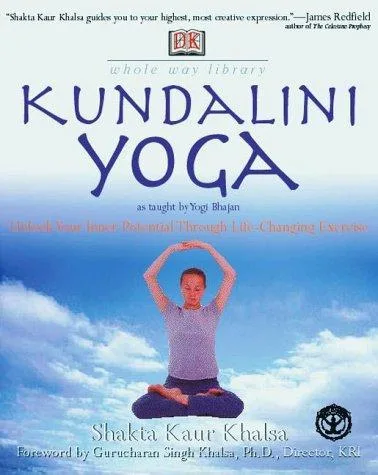
Kundalini Yoga
 73
73

Kundalini Yoga
Shakta Kaur Khalsa's "Kundalini Yoga" provides a structured entry point into a practice that can often seem opaque to newcomers. The book's strength lies in its systematic approach, breaking down complex energetic concepts and meditative techniques into digestible components. Khalsa’s explanation of the chakra system, for instance, is clear and grounded, avoiding overly mystical jargon that can alienate those new to esoteric studies. However, the text sometimes leans towards a prescriptive tone, particularly when detailing specific kriyas (sets of exercises). While this offers clarity, it can occasionally feel less like an exploration and more like a manual, potentially limiting the intuitive discovery some practitioners seek. A particularly illuminating section details the use of the "Sat Kriya," explaining its foundational role in building core energy. It serves as a solid, if somewhat conventional, introduction to a potent spiritual technology.
📝 Description
73
Shakta Kaur Khalsa's Kundalini Yoga, published in 2000, details a yoga system focused on energetic transformation.
This book serves as an introduction to Kundalini Yoga, a branch emphasizing breathwork, meditation, and mantra alongside physical postures. It is not just a physical exercise system but a path toward spiritual awakening and energetic transformation. The text acts as a guide for practitioners and a text for understanding the philosophy of Kundalini Yoga, also known as the 'yoga of awareness.'
The work is for individuals seeking a deeper understanding of Kundalini Yoga beyond the physical poses. It suits beginners curious about the practice's energetic and meditative aspects, and those with some yoga experience looking for a more spiritually focused path. Readers interested in the connection between Eastern philosophies and modern self-development will find its explanations valuable.
Kundalini Yoga, or the 'yoga of awareness,' has ancient roots but was popularized in the West by Yogi Bhajan starting in the late 1960s. Shakta Kaur Khalsa's book emerged during a late 20th-century revival of interest in yoga traditions. It codifies practices that were often transmitted orally or within specific lineages, making them accessible. The book reflects a wider cultural engagement with Eastern spirituality during that period.
💡 Why Read This Book?
• Learn the foundational principles of Kundalini Yoga, including the role of prana and the chakra system, as explained by Khalsa, to understand its energetic architecture. • Discover specific meditative techniques and breathwork (pranayama) outlined in the book, offering practical tools for cultivating mental focus and spiritual awareness. • Gain insight into the historical dissemination of Kundalini Yoga in the West, understanding its context beyond the teachings of Yogi Bhajan.
⭐ Reader Reviews
Honest opinions from readers who have explored this book.
❓ Frequently Asked Questions
What is the primary focus of Kundalini Yoga as presented by Shakta Kaur Khalsa?
Khalsa's "Kundalini Yoga" emphasizes the practice as a path to spiritual awakening and energetic transformation, integrating breathwork, meditation, and mantra alongside physical postures.
Who is Yogi Bhajan and what is his connection to Kundalini Yoga?
Yogi Bhajan is widely credited with bringing Kundalini Yoga to the West in the late 1960s. His teachings form the basis for much of the modern practice, including many of the kriyas detailed in Khalsa's book.
Are there specific exercises or sets of practices detailed in the book?
Yes, the book details specific kriyas, which are organized sets of exercises designed to achieve particular energetic or mental effects, such as the foundational 'Sat Kriya'.
What are chakras and how does Kundalini Yoga address them?
Chakras are energy centers within the subtle body. Kundalini Yoga, as described by Khalsa, aims to balance and activate these chakras through specific yogic techniques to promote well-being and spiritual growth.
When was Kundalini Yoga first published by Shakta Kaur Khalsa?
Shakta Kaur Khalsa's book on Kundalini Yoga was first published in the year 2000, contributing to the growing body of literature on the subject in the late 20th century.
What is prana in the context of Kundalini Yoga?
Prana refers to the vital life force energy. Kundalini Yoga focuses on harnessing and directing prana through practices like breathwork and meditation to enhance vitality and consciousness.
🔮 Key Themes & Symbolism
Energetic Anatomy
The book maps the subtle body, detailing the flow of prana through nadis and the energetic significance of the chakras. Khalsa explains how Kundalini Yoga practices are designed to awaken and balance these centers, leading to a more vibrant life force. This exploration moves beyond physical sensation to address the unseen energetic architecture that influences well-being and consciousness.
Consciousness and Awareness
Central to Kundalini Yoga is the cultivation of heightened awareness, often termed the 'yoga of awareness.' The text presents meditation, mantra, and breathwork as potent tools for shifting consciousness, breaking through mental patterns, and accessing deeper states of being. It positions the practice as a direct method for expanding perception and self-understanding.
The Role of Mantra and Sound
Khalsa highlights the vibrational power of mantra in Kundalini Yoga. These sacred sounds are not just words but frequencies that can alter mental states and influence energy. The book explores how specific mantras are used in conjunction with breath and posture to create profound internal shifts, serving as a key element in the practice's transformative potential.
The Serpent Power
The term 'Kundalini' itself refers to a coiled, dormant energy often symbolized as a serpent at the base of the spine. The book elucidates the process of awakening this energy and guiding its ascent through the central channel, leading to expanded consciousness and spiritual realization. This concept forms the dynamic core of the practice described.
💬 Memorable Quotes
Direct passages from the work, attributed to the author.
“Prana is the life force that animates all beings.”
— This simple statement underscores the fundamental concept that Kundalini Yoga seeks to manipulate and enhance, viewing the breath and its energy as the very essence of existence and vitality.
“The chakras are centers of psychic energy.”
— This highlights the energetic and psychological functions of the chakras, suggesting that their balance directly impacts one's mental, emotional, and spiritual state, a core focus of the practices described.
“Mantra vibrates the consciousness.”
— This concisely explains the mechanism by which mantras work in Kundalini Yoga: not just as words, but as sonic tools that actively alter and elevate one's state of awareness.
“Awareness is the primary goal of this practice.”
— This emphasizes the philosophical underpinning of Kundalini Yoga as presented, framing the physical and energetic techniques as means to achieve a higher state of conscious perception and self-knowledge.
💡 Key Ideas
Editorial paraphrase of the work's core concepts — not direct quotes.
The Sat Kriya is foundational for building core energy.
This paraphrased concept points to a specific, named practice within the book and its essential function in developing the fundamental energetic capacity required for deeper yogic work.
🌙 Esoteric Significance
Tradition
This work aligns with the Tantric traditions of India, specifically the Shakta lineage which reveres the Divine Feminine energy (Shakti), often identified with Kundalini. It is also deeply influenced by the yogic path as systematized and brought to the West by Yogi Bhajan, integrating practices aimed at awakening the dormant spiritual energy (Kundalini) for enlightenment.
Symbolism
Key symbols include the coiled serpent representing the latent divine energy at the base of the spine, and the lotus flower, often depicted with many petals, symbolizing the chakras ascending and blossoming as Kundalini rises. The number five, frequently appearing in kriyas and meditations, can symbolize the five elements (earth, water, fire, air, ether) or the five koshas (layers of being).
Modern Relevance
Contemporary practitioners of somatic therapies, mindfulness, and energy work often draw upon the principles and techniques found in Kundalini Yoga. Thinkers and teachers exploring consciousness studies, breathwork modalities, and the intersection of ancient wisdom with modern psychology find Khalsa's codification of these practices a valuable resource for understanding its systematic approach to energetic and mental transformation.
👥 Who Should Read This Book
['• Aspiring Kundalini Yoga practitioners seeking a structured introduction to its philosophy, techniques, and core concepts like prana and chakras.', '• Students of comparative religion and esoteric traditions interested in the lineage and specific practices of Kundalini Yoga as taught in the West.', '• Individuals exploring breathwork, meditation, and mantra as tools for personal growth and spiritual development, looking for practical guidance.']
📜 Historical Context
Shakta Kaur Khalsa's "Kundalini Yoga," published in 2000, arrived during a period of intense global interest in yoga and Eastern spiritual traditions. The late 20th century saw a significant popularization of practices like Hatha Yoga and meditation, often disseminated through Western teachers and texts. Khalsa's work builds upon the foundation laid by Yogi Bhajan, who began teaching Kundalini Yoga in the United States in 1969. His organization, 3HO (Healthy, Happy, Holy Organization), played a key role in establishing Kundalini Yoga centers worldwide. While many competing schools of yoga offered their own interpretations and techniques, Kundalini Yoga, with its emphasis on breath, mantra, and specific kriyas, carved out a distinct niche. Its emergence within this era reflects a broader societal trend of seeking alternative paths to well-being and spiritual fulfillment, moving beyond purely physical or Western psychological frameworks.
📔 Journal Prompts
The concept of prana and its circulation.
Balancing the energetic centers of the chakras.
The vibrational impact of mantra repetition.
The awakening of Kundalini energy.
Cultivating awareness through specific kriyas.
🗂️ Glossary
Prana
The vital life force energy believed to permeate the universe, particularly harnessed and directed through yogic practices like breath control.
Chakras
Seven primary energy centers located along the spine in the subtle body, believed to influence physical, emotional, and spiritual well-being when balanced.
Mantra
A sacred sound, syllable, word, or group of words that is repeated, chanted, or used in meditation to invoke spiritual qualities or alter consciousness.
Kriya
A specific, organized set of yogic exercises, including postures, breathwork, and mantra, designed to produce a particular energetic or mental effect.
Nadis
Subtle energy channels throughout the body through which prana flows, analogous to nerves or meridians in other energetic systems.
Sat Kriya
A fundamental Kundalini Yoga exercise often described as essential for building core energy and establishing a stable energetic foundation for practice.
Yogi Bhajan
The Indian yogi credited with popularizing Kundalini Yoga in the Western hemisphere, beginning in the late 1960s, and establishing the 3HO organization.
🔮 Readers Also Liked
Browse all →








More by Shakta Kaur Khalsa
All books →



More Free Occult Philosophy Books
View all →