Kundalini awakening
 79
79

Kundalini awakening
Selby's "Kundalini Awakening" provides a structured, if somewhat dry, exposition on a subject that often elicits sensationalism. The book’s strength lies in its systematic breakdown of the kundalini process, presenting it as a series of developmental stages rather than an unpredictable explosion of power. Selby’s caution regarding the potential challenges is a notable aspect, offering a grounded perspective often missing in more evangelistic texts. However, the prose can be dense, occasionally reading more like a technical manual than an invitation to spiritual exploration. A particularly effective section details the subtle energetic blockages within the nadis, explaining how they impede the flow and what practices might help clear them. While it lacks the evocative language of some spiritual teachers, its factual, step-by-step methodology offers a clear roadmap for the diligent student. It’s a competent, if not particularly inspiring, guide to a powerful phenomenon.
📝 Description
79
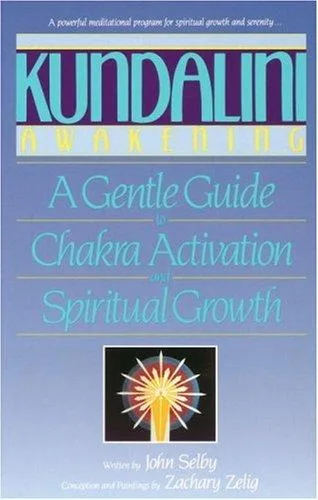
Published in 1992, John Selby's Kundalini Awakening details a systematic approach to this potent spiritual energy.
John Selby's 1992 book, Kundalini Awakening, details the energy system believed to reside at the base of the spine. The work moves beyond theory to guide readers through practical considerations and potential experiences linked to kundalini activation. It is suited for individuals seriously engaged with esoteric practices and yoga philosophy, particularly those seeking a deeper understanding of subtle body anatomy. This text requires some familiarity with yogic terminology and a readiness for introspection into consciousness and energy. It is not an introductory text but rather for dedicated students of inner sciences.
Selby's work emerged in the early 1990s, a period of growing Western interest in Eastern spiritual traditions. It contributed to a body of literature attempting to explain complex yogic concepts to a Western audience. The book discusses kundalini as a dormant divine energy, detailing the chakras and nadis. It also addresses the potential physical and psychological manifestations of awakening this energy, stressing a gradual and balanced approach.
John Selby's Kundalini Awakening is situated within the Western adaptation of yogic and tantric traditions that gained traction in the late 20th century. It addresses concepts like kundalini, chakras, and nadis, which are central to classical Hatha Yoga and Tantra, but aims to present them in a structured, accessible manner for a contemporary audience. The book reflects a broader trend of seeking experiential spiritual understanding beyond purely philosophical or ritualistic frameworks, focusing on the direct cultivation and awareness of internal energetic processes.
💡 Why Read This Book?
• You will learn about the theoretical framework and practical steps for understanding kundalini energy, as detailed in Selby's systematic approach, offering a structured path distinct from more intuitive or anecdotal accounts. • You will gain insight into the energetic anatomy of the subtle body, specifically the function and interaction of the chakras and nadis, as presented in Chapter 3, 'The Chakras and the Ascent'. • You will appreciate the necessity of a balanced and cautious approach to spiritual energy work, learning about potential obstacles and safe practices outlined in Selby's cautionary sections.
⭐ Reader Reviews
Honest opinions from readers who have explored this book.
❓ Frequently Asked Questions
What is kundalini energy according to John Selby's book?
John Selby describes kundalini as a potent, dormant spiritual energy located at the base of the spine, often depicted as a coiled serpent. Its awakening is seen as central to spiritual realization and expanded consciousness.
When was John Selby's Kundalini Awakening first published?
The original publication date for John Selby's "Kundalini Awakening" was 1992. This places it within a period of increasing Western interest in Eastern esoteric traditions.
Does the book discuss the chakras and nadis?
Yes, "Kundalini Awakening" extensively discusses the chakras as subtle energy centers along the spine and the nadis as energetic channels, explaining their role in the flow of kundalini energy.
Is this book suitable for beginners in yoga?
While it covers fundamental concepts, the book is more suited for those with some existing background in yoga or esoteric studies, as it delves into complex energetic and psychological aspects.
What are the potential dangers of kundalini awakening mentioned?
Selby cautions against forceful or premature attempts at awakening, highlighting potential imbalances in the subtle body and psychological distress if the process is not approached with proper preparation and guidance.
What is the author's approach to kundalini?
Selby advocates for a gradual, systematic, and balanced approach to kundalini awakening, emphasizing preparation, understanding of energetic pathways, and mindful practice to ensure a safe and integrated experience.
🔮 Key Themes & Symbolism
The Serpent Power
The central theme is kundalini, conceptualized as a dormant, primal energy coiled at the base of the spine. Selby presents it not as a myth but as a tangible force whose awakening is key to higher consciousness. The book explores the metaphor of the coiled serpent, symbolizing immense potential energy waiting to be activated and guided upward through the energetic pathways of the body.
Chakras and Nadis
Understanding the subtle body's architecture is crucial. Selby details the seven primary chakras, described as vortexes of energy along the spinal column, and the nadis, the network of subtle channels through which prana (life force) and kundalini flow. The book elucidates how blockages in these nadis can impede the energy's ascent, leading to imbalances.
Stages of Awakening
Rather than a singular event, Selby frames kundalini awakening as a process with discernible stages. The book outlines the progression of this energy through the chakras, detailing the potential psychic, emotional, and physical experiences that may accompany its upward journey and integration into higher states of awareness.
Balanced Practice
A significant theme is the emphasis on a gradual and balanced approach. Selby warns against practices that force the awakening, advocating for methods that build inner strength, mental clarity, and energetic equilibrium to ensure the safe and harmonious integration of this powerful force.
💬 Memorable Quotes
Direct passages from the work, attributed to the author.
“Kundalini is the latent spiritual force within us all.”
— This statement frames kundalini not as an external phenomenon but as an inherent potential residing within the individual, accessible through specific practices and inner work.
“The chakras are centers of consciousness and energy flow.”
— This highlights the dual nature of the chakras as both energetic hubs and focal points for awareness, essential for understanding how they influence psychological states and spiritual development.
“Blockages in the nadis prevent the free flow of energy.”
— This points to the practical challenges in spiritual practice, suggesting that purification and clearing of the subtle energetic channels are necessary prerequisites for the safe and effective rise of kundalini.
“Awakening requires preparation and patience.”
— This conveys Selby's cautious methodology, emphasizing that the profound transformation associated with kundalini is best approached through diligent, gradual effort rather than hasty pursuit.
“The serpent power represents immense potential.”
— This interpretation underscores the symbolic power of kundalini, portraying it as a reservoir of primal energy whose controlled release can lead to extraordinary states of being and profound spiritual insight.
🌙 Esoteric Significance
Tradition
This work fits within the broader esoteric tradition of exploring subtle energy systems, drawing heavily from yogic and Tantric philosophies. It translates concepts traditionally rooted in Indian spirituality into a framework more readily understood by Western practitioners. While acknowledging its roots, Selby's approach emphasizes a practical, experiential understanding, aligning with a Western hermetic inclination towards systematization and psychological correlation.
Symbolism
The primary symbol is the coiled serpent at the base of the spine, representing dormant potential energy. The seven chakras are also key symbols, depicted as lotus-like energy centers along the central channel (Sushumna nadi), each associated with different levels of consciousness and psychic faculties. The three main nadis—Ida, Pingala, and Sushumna—are vital symbolic pathways for the energy's ascent.
Modern Relevance
Selby's systematic approach continues to inform contemporary discussions on kundalini within various yoga lineages and Western esoteric circles. Practitioners and teachers interested in the energetic and psychological dimensions of spiritual awakening often refer to this work for its clear articulation of the process, its emphasis on balance, and its cautionary notes regarding potential challenges.
👥 Who Should Read This Book
• Serious yoga practitioners seeking to understand the energetic and psychological dimensions of their practice beyond physical postures, particularly those interested in subtle body anatomy. • Students of esoteric traditions interested in the cross-cultural exploration of consciousness and spiritual energy systems, especially those curious about the yogic concept of kundalini. • Individuals engaged in self-inquiry and personal development who are prepared for a detailed, systematic exploration of inner states and the potential transformative power of awakened energy.
📜 Historical Context
Published in 1992, John Selby's "Kundalini Awakening" emerged during a period of burgeoning interest in Eastern spirituality within the West. The early 1990s saw a continuation of the trends from the 70s and 80s, where practices like yoga and meditation moved from fringe movements into more mainstream consciousness, often adapted for Western psychological and therapeutic frameworks. Selby's work contributed to this discourse by offering a structured, systematic approach to kundalini, a concept often shrouded in mystery or presented sensationally. At this time, authors like Swami Satyananda Saraswati were also publishing comprehensive works on kundalini and tantra, though often from a more traditional Indian perspective. Selby's book can be seen as part of a Western hermeneutic effort to translate these complex energies and practices into accessible language and conceptual models for a Western audience, seeking to integrate them with psychological understanding.
📔 Journal Prompts
The dormant kundalini energy at the base of the spine.
Experiences related to the activation of the Muladhara chakra.
The flow and potential blockages within the Ida and Pingala nadis.
Manifestations of energy associated with the Manipura chakra.
Your personal preparedness for engaging with kundalini concepts.
🗂️ Glossary
Kundalini
A powerful, dormant spiritual energy believed to reside at the base of the spine, often symbolized as a coiled serpent. Its awakening is considered central to spiritual realization.
Chakras
Subtle energy centers located along the spine, often visualized as lotuses or wheels. Each chakra is associated with specific psychological states, physical functions, and spiritual potentials.
Nadis
Energetic channels or pathways within the subtle body through which prana (life force) and kundalini energy flow. The three main nadis are Ida, Pingala, and Sushumna.
Sushumna Nadi
The central channel running along the spinal column, through which kundalini energy is said to ascend during spiritual awakening, passing through the chakras.
Ida Nadi
One of the three major nadis, typically associated with the left side of the body, lunar energy, and parasympathetic nervous system functions.
Pingala Nadi
One of the three major nadis, typically associated with the right side of the body, solar energy, and sympathetic nervous system functions.
Prana
The vital life force or energy that permeates all living beings, circulated through the nadis and essential for maintaining physical and mental vitality.
🔮 Readers Also Liked
Browse all →









More Free Spiritual Development Books
View all →