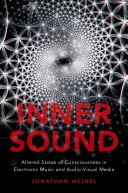
Inner Sound
 78
78

Inner Sound
Jonathan Weinel’s "Inner Sound" presents a compelling argument for the latent esoteric potential within contemporary electronic arts. The book’s strength lies in its rigorous examination of how digital technologies, from VR to sophisticated sound design, can be harnessed to articulate and even induce altered states of consciousness. Weinel avoids sensationalism, instead offering a critical analysis grounded in technological capabilities and historical precedent. A particularly salient point is the discussion of how early electronic music pioneers, even without explicit esoteric intent, laid groundwork for this kind of intentional psychoacoustic manipulation. However, the work occasionally leans heavily on technical descriptions, which might alienate readers less familiar with the specifics of digital audio synthesis or VR implementation. Despite this, the core thesis—that the digital realm offers a new canvas for exploring the inner landscape—is powerfully conveyed. "Inner Sound" is a vital text for understanding the evolving relationship between technology, art, and consciousness.
📝 Description
78
Jonathan Weinel's 2018 book, "Inner Sound," posits that electronic music and digital art can simulate subjective states.
Published in 2018, "Inner Sound" by Jonathan Weinel examines how modern audio-visual technologies, especially those with immersive qualities like VR and high-fidelity sound, can be used to represent and simulate internal human experiences. This includes phenomena often found in mystical traditions or psychological studies, such as altered consciousness and hallucinations. The book investigates how digital media can map the psyche, not just depict it. Weinel focuses on how intentionally designed audio-visual environments can evoke specific perceptual and cognitive shifts. He draws parallels between these digital methods and historical esoteric practices that used sound and visual manipulation for spiritual or psychological purposes.
Weinel places these contemporary technological capabilities within a history of human efforts to influence consciousness through art and sound. He references early electronic music innovators and the field of psychoacoustics. The argument is that while the tools are new, the fundamental drive to use structured sensory input for introspection is ancient. This ancient impulse is seen in practices like shamanic drumming, ritual chanting, and the contemplative use of visual patterns. Ultimately, "Inner Sound" suggests that digital art and sound can form a new kind of esoteric practice. The book considers how carefully crafted electronic experiences might lead to greater self-understanding, altered perception, and potentially a form of digital gnosis, connecting technology and inner exploration.
This work situates the use of electronic sound and digital art within a long tradition of esoteric practices aimed at altering consciousness. It connects contemporary technological interfaces to historical methods like shamanic drumming, mantra, and contemplative visual arts, all of which employ structured sensory input to induce specific mental states. Weinel suggests that digital media offers novel, yet conceptually related, pathways for self-exploration and attaining insights akin to traditional mystical experiences, proposing a modern analogue to ancient quests for knowledge through altered perception.
💡 Why Read This Book?
• Gain a new perspective on how electronic music and digital art, as discussed in relation to psychoacoustics from the mid-20th century onwards, can be intentionally used to model or evoke altered states of consciousness. • Understand the historical lineage connecting ancient sonic rituals to modern technological explorations of the psyche, as Weinel traces this through specific developments in electronic music and VR. • Discover the potential of digital media not just for entertainment, but as a tool for self-exploration and potentially even a form of contemporary gnosis, a concept explored through the deliberate design of audio-visual experiences.
⭐ Reader Reviews
Honest opinions from readers who have explored this book.
❓ Frequently Asked Questions
What is the primary focus of Jonathan Weinel's "Inner Sound"?
"Inner Sound" explores how modern electronic music and digital art, especially immersive technologies like VR, can be used to represent and potentially induce subjective internal conscious states, such as hallucinations and altered states.
When was "Inner Sound" first published?
The book "Inner Sound" by Jonathan Weinel was first published in 2018.
Does the book discuss specific technologies?
Yes, the work references developments in electronic music, digital art, and immersive technologies such as virtual reality goggles and high-quality loudspeakers.
What kind of internal states does the book address?
It focuses on subjective internal conscious states, including the experience of hallucinations and altered states of consciousness.
What is the relationship between technology and consciousness in this book?
The book investigates the potential for digital technology to accurately simulate or evoke encounters with consciousness, moving beyond representation to experience.
Is "Inner Sound" related to historical esoteric practices?
The work situates modern technological possibilities within a historical framework of humanity's attempts to influence consciousness through art and sound, drawing parallels to ancient practices.
🔮 Key Themes & Symbolism
Digital Representation of Psyche
The core of "Inner Sound" lies in its examination of how advanced digital technologies, particularly in audio-visual art, can transcend mere depiction to actively model subjective conscious experiences. Weinel explores the idea that specific sonic frequencies, visual patterns, and immersive environments can be designed to interface with the brain, simulating states like hallucinations or deep meditative awareness. This goes beyond passive observation, suggesting a proactive role for technology in shaping internal perception and potentially offering new avenues for psychological exploration or even spiritual practice.
Psychoacoustics and Immersion
Weinel explores the principles of psychoacoustics, the study of how humans respond to sound, and applies them to the context of modern digital tools. The book highlights how high-fidelity loudspeakers and virtual reality systems create potent immersive experiences. By carefully manipulating auditory and visual stimuli within these technologies, artists and technologists can craft environments designed to evoke specific psychological and physiological responses, potentially mirroring profound inner states experienced in traditional contemplative or shamanic practices.
Technological Esotericism
The work posits a nascent form of 'technological esotericism,' where digital tools become instruments for inner exploration akin to ancient mandalas, chants, or sensory deprivation techniques. "Inner Sound" investigates how the deliberate construction of digital audio-visual artworks can serve as a modern analogue to older methods of altering consciousness for insight or spiritual growth. It suggests that the precision and immersive power of contemporary technology offer unprecedented potential for mapping and interacting with the inner landscape.
The Simulation of Altered States
A central theme is the feasibility of using digital technology to simulate altered states of consciousness. Weinel discusses how the interplay between electronic music composition and visual art, especially within immersive platforms developed since the early 2000s, allows for the creation of experiences that mirror subjective phenomena. This includes the possibility of creating accurate simulations of hallucinations or profound shifts in self-awareness, opening up new research and artistic frontiers in understanding the mind.
💬 Memorable Quotes
Direct passages from the work, attributed to the author.
“Developments in electronic music and art have enabled new possibilities for creating audio-visual artworks.”
— This statement frames the book's core premise: that technological advancement in the arts is not just about aesthetics but about expanding the capacity to represent and interact with internal human experience.
“With this new potential has come the possibility for representing subjective internal conscious states.”
— This highlights the shift from external representation to internal mapping, suggesting that digital media can now serve as a mirror or even a gateway to the subjective world of the mind.
“The potential for accurate simulations of conscious encounters such as Altered States.”
— This points to the book's ambition: to explore how technology can move beyond mere suggestion to provide concrete, verifiable simulations of profound psychological phenomena.
“Combined with immersive technologies such as virtual reality goggles and high-quality loudspeakers.”
— This identifies the specific technological tools that Weinel believes are crucial for achieving the book's proposed simulation capabilities, emphasizing sensory engagement.
“Representing subjective internal conscious states, such as the experience of hallucinations, using digital technology.”
— This concisely states the book's central investigation into the application of digital tools for exploring the most elusive aspects of human consciousness.
🌙 Esoteric Significance
Tradition
While not explicitly aligning with a single esoteric lineage, "Inner Sound" taps into the Hermetic and Gnostic traditions' interest in inner exploration and the potential for gnosis (knowledge) through unconventional means. It views technology as a modern vehicle for achieving insights traditionally sought through meditation, ritual, or altered states. The work departs from classical Hermeticism by focusing on digital tools rather than alchemical processes or celestial correspondences, yet shares the fundamental goal of accessing deeper levels of consciousness and understanding.
Symbolism
The book implicitly utilizes the 'sound' itself as a primary symbol, akin to the 'logos' or divine vibration found in many mystical traditions. Digital frequencies and patterns function as modern 'mantras' or 'yantras,' designed to focus the mind and induce specific states. The concept of 'immersion,' particularly through VR, can be seen as symbolizing a dissolution of ego boundaries and a merging with a constructed reality, echoing mystical union or the dissolution of self in divine consciousness.
Modern Relevance
Contemporary thinkers and practitioners in fields like neuro-aesthetics, virtual reality therapy, and sound healing draw upon the principles Weinel outlines. Artists exploring biofeedback and generative art, as well as researchers investigating the psychological effects of immersive media, find resonance in his work. The book is relevant to modern esoteric practitioners seeking to integrate technological advancements into their contemplative practices or seeking new frameworks for understanding consciousness beyond traditional paradigms.
👥 Who Should Read This Book
• Digital artists and electronic musicians seeking to understand the psychological and potentially esoteric applications of their craft beyond pure aesthetics. • Researchers and enthusiasts of consciousness studies interested in novel methods for exploring altered states and subjective experience through technology. • Individuals interested in the intersection of mysticism, technology, and art, looking for contemporary interpretations of ancient quests for inner knowledge.
📜 Historical Context
Published in 2018, Jonathan Weinel's "Inner Sound" emerged during a period of rapid advancement in digital art, virtual reality, and electronic music production. This era saw the maturation of technologies first explored by pioneers like Karlheinz Stockhausen in the 1950s and 60s with his electronic music studios, pushing the boundaries of sonic manipulation. The intellectual climate was increasingly open to interdisciplinary approaches, bridging art, psychology, and technology. While not directly engaging in a polemic with a specific competing school of thought, Weinel’s work implicitly contrasts with purely aesthetic or technologically deterministic views of digital media. It stands in dialogue with early explorations in psychoacoustics and the use of sound for therapeutic or altered-state induction, building upon decades of research that often remained on the fringes of mainstream academia. The book’s focus on simulating consciousness can be seen as a continuation of the counter-cultural and experimental spirit that influenced early electronic music composers.
📔 Journal Prompts
The potential for digital audio-visual art to simulate hallucinations.
Immersive technologies as modern tools for altered states.
The concept of 'technological esotericism' in practice.
Mapping subjective conscious states with electronic sound.
The historical lineage connecting sonic rituals to digital soundscapes.
🗂️ Glossary
Psychoacoustics
The branch of psychology concerned with the effects of sound on human perception and behavior. It explores how we hear, interpret, and react to auditory stimuli.
Altered States of Consciousness (ASCs)
Any mental state significantly different from a normal waking consciousness, often induced by meditation, sensory deprivation, or psychoactive substances, and in this context, by technology.
Immersive Technologies
Technologies, such as virtual reality (VR) and augmented reality (AR), that aim to create a sense of presence and engagement within a simulated or enhanced environment.
Gnosis
In esoteric traditions, knowledge of spiritual mysteries, often understood as intuitive or experiential rather than intellectual. It implies a direct apprehension of truth.
Audio-visual Artworks
Art that combines sound and visual elements, often in a synchronized or interdependent manner, to create a unified sensory experience.
Subjective Internal Conscious States
Personal, first-person experiences of awareness, perception, emotion, and cognition that are unique to the individual experiencing them.
Digital Technology
The use of digital systems, including computers and software, for creating, storing, processing, and transmitting information, applied here to art and sound.