Illuminati
 82
82

Illuminati
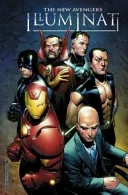
The 2008 publication of *Illuminati* by Bendis and Reed offers a stark, often cynical, perspective on power. Rather than exploring the esoteric origins often associated with the name, it grounds the Illuminati in a tangible, albeit fictional, modern-day corporate-political landscape. The strength lies in its depiction of the characters' internal conflicts and the sheer, chilling efficiency of the organization. However, the narrative sometimes feels constrained by its commitment to portraying a hyper-competent, almost infallible entity, which can limit dramatic tension. The scene where Iron Man confronts the organization's machinations, for instance, highlights the overwhelming odds, but the resolution feels somewhat preordained. It's a competent, if not revolutionary, take on a familiar theme.
📝 Description
82
Published in 2008, Brian Michael Bendis and Brian Reed's Illuminati imagines a secret cabal shaping global events.
This narrative centers on the Illuminati, a clandestine group of powerful individuals who secretly manipulate global affairs. The story details their covert operations and the immense power they wield behind the scenes. It functions as a fictional exploration of conspiracy theories, presenting a world where unseen forces shape the destinies of nations and individuals.
Readers interested in espionage, political thrillers, and the darker undercurrents of power structures will find this book engaging. It appeals to those who enjoy complex plots involving secret societies and the philosophical implications of absolute control. The narrative structure also suits fans of serialized storytelling, offering a contained arc within a larger fictional universe.
Emerging in 2008, the book arrived during a period of heightened global uncertainty and a resurgence of interest in conspiracy narratives. The portrayal of a shadowy cabal influencing world affairs tapped into contemporary anxieties about hidden agendas and institutional power. This era also saw a significant online proliferation of conspiracy theories, making the concept of a hidden order controlling events resonate with a public grappling with complex global issues.
💡 Why Read This Book?
• Understand the mechanics of covert influence as depicted in the 2008 narrative, gaining insight into fictional strategies of global control. • Analyze the ethical dilemmas faced by characters wielding immense power, as explored through the actions of figures like Iron Man. • Examine the symbolic representation of secret societies in modern fiction, contrasting with historical accounts.
⭐ Reader Reviews
Honest opinions from readers who have explored this book.
❓ Frequently Asked Questions
What is the Illuminati organization in this book?
In the 2008 publication, the Illuminati is a secret cabal of powerful individuals, including figures like Iron Man and Professor X, who operate behind the scenes to manipulate global events and maintain order according to their own agenda.
Who are the main characters involved with the Illuminati?
The book features a formidable lineup of Marvel Comics characters who are either part of the Illuminati or confronting them, including Iron Man, Professor X, Black Bolt, the Sub-Mariner, and Mister Fantastic.
What is the primary goal of the Illuminati in this story?
Their primary goal is to secretly guide and control global affairs, addressing threats that they deem too significant or too sensitive for public knowledge or conventional handling, ensuring their vision of stability prevails.
Is this book related to the historical Bavarian Illuminati?
While sharing the name, this 2008 work fictionalizes the concept, using the historical Illuminati as a thematic inspiration rather than a direct historical account. It focuses on a modern, fictional iteration within the Marvel universe.
What kind of threats does the Illuminati handle?
The Illuminati confronts threats that are beyond the scope of ordinary heroes or governments, often involving cosmic dangers, advanced alien technology, or clandestine operations that could destabilize the world if exposed.
What makes this portrayal of the Illuminati unique?
Its uniqueness stems from integrating the concept into the established Marvel Comics universe, allowing iconic superheroes to form and operate as a secret society, blending superheroics with political intrigue and conspiracy.
🔮 Key Themes & Symbolism
The Nature of Control
The work explores the seductive allure and inherent dangers of absolute control. The Illuminati, as depicted in the 2008 narrative, believe their secret machinations are necessary for global stability, justifying morally ambiguous actions. This theme questions whether order achieved through hidden manipulation is truly superior to a world with open, albeit potentially chaotic, decision-making processes. It forces readers to consider the ethical weight of power and the fine line between protection and tyranny when wielded by an unseen hand.
Secrecy and Trust
Central to the narrative is the concept of secrecy as both a shield and a weapon. The Illuminati's effectiveness hinges on their ability to operate undetected, making trust within the organization paramount. The story examines the psychological toll of constant vigilance and the potential for betrayal when loyalty is tested. This clandestine existence raises questions about the necessity of transparency versus the efficacy of hidden operations, particularly when dealing with existential threats.
Heroism Redefined
This book recontextualizes heroism by presenting characters like Iron Man and Professor X not just as public defenders, but as architects of a hidden global policy. Their actions, undertaken in secret, challenge traditional notions of heroism, suggesting that true leadership sometimes requires operating outside public scrutiny. The narrative probes the difficult choices these figures make, highlighting the burden of responsibility that comes with extraordinary power and the isolation it can engender.
Conspiracy and Reality
By drawing on the mystique of the historical Illuminati, the work taps into enduring fascination with conspiracy theories. It blurs the lines between fictional narrative and the widespread belief in shadowy organizations influencing world events. The story plays with the idea that some conspiracies, however outlandish they may seem, might hold kernels of truth, prompting readers to question the official narratives they encounter in their own lives.
💬 Memorable Quotes
Direct passages from the work, attributed to the author.
“They are the ones who protect us from the things we cannot protect ourselves from.”
— This statement, reflecting a core belief of the Illuminati's supporters or members, posits that the organization's clandestine actions are a necessary form of guardianship, shielding humanity from dangers beyond its comprehension or capacity to handle.
“Knowledge is power, and some knowledge is too dangerous to share.”
— This reflects the Illuminati's strategic hoarding of information. They believe that certain truths or discoveries could cause chaos if widely known, thus necessitating their control over sensitive data and advanced technologies.
“The greatest threat is not from without, but from within.”
— This interpretation points to the internal dangers the Illuminati faces, such as dissent, betrayal, or the corrupting influence of their own power, suggesting that their greatest challenges come from within their own ranks or ideology.
💡 Key Ideas
Editorial paraphrase of the work's core concepts — not direct quotes.
The world is a dangerous place. Someone has to make the hard decisions.
This paraphrase captures the pragmatic, often ruthless, philosophy driving the Illuminati's agenda. It suggests that maintaining order and safety requires difficult, unpopular choices that public figures might shy away from, justifying the organization's covert methods.
We operate in the shadows so that others may live in the light.
This quote captures the Illuminati's self-perception as unseen protectors. It highlights the stark contrast between their hidden existence and the public peace they aim to preserve, framing their secrecy as a noble sacrifice.
🌙 Esoteric Significance
Tradition
While not strictly adhering to any single esoteric lineage, the work draws heavily from the popular mystique surrounding the historical Bavarian Illuminati, a group often associated with Enlightenment-era radicalism and alleged secret control. It reinterprets this historical notion through a modern, fictional lens, blending elements of conspiracy theory and superhero narratives rather than engaging with specific Gnostic or Hermetic doctrines.
Symbolism
The name 'Illuminati' itself serves as a primary symbol, evoking notions of hidden knowledge, enlightenment, and secret power. The use of iconic Marvel characters like Iron Man and Professor X imbues the narrative with symbolism of technological advancement, intellectual prowess, and hidden potential. Their clandestine meetings and operations symbolize the unseen forces that shape the world, operating beyond the visible structures of government.
Modern Relevance
Contemporary thinkers and practitioners in fields ranging from political science fiction to critical media studies often reference fictional portrayals like this one to discuss the enduring power of conspiracy narratives. The work remains relevant in discussions about power structures, the ethics of governance, and the psychological appeal of believing in hidden agents who impose order on a chaotic world.
👥 Who Should Read This Book
• Fans of Marvel Comics seeking a deeper exploration of their favorite characters' roles in clandestine operations. • Readers interested in fictional narratives about secret societies and global manipulation, offering a unique perspective on power dynamics. • Students of modern conspiracy culture, examining how historical concepts are adapted and reinterpreted in contemporary storytelling.
📜 Historical Context
Published in 2008, *Illuminati* emerged during a period ripe for conspiracy narratives. The global financial crisis, ongoing conflicts, and the proliferation of online information (and misinformation) created fertile ground for stories about hidden powers manipulating events. This era saw a renewed public interest in secret societies, often fueled by popular culture and the perceived opacity of global institutions. The book's focus on a cabal of powerful individuals making decisions behind the scenes resonated with contemporary anxieties about who truly held power. It arrived in the wake of authors like Dan Brown, whose *The Da Vinci Code* (2003) had reignited public fascination with historical conspiracies and secret groups. While not directly engaging with academic discourse, the work tapped into a broader cultural zeitgeist that questioned authority and sought hidden explanations for complex world events.
📔 Journal Prompts
The Iron Man's perspective on the Illuminati's methods.
Reflecting on Professor X's role within the organization.
The ethical implications of the Sub-Mariner's involvement.
Analyzing the symbolism of Black Bolt's power in secret.
Mister Fantastic's strategic contributions to the Illuminati.
🗂️ Glossary
Illuminati
In this context, a fictional secret society composed of powerful Marvel Comics characters who secretly manipulate global events to ensure stability and protect humanity from existential threats.
Cabal
A group of secret plotters, referring to the Illuminati and their clandestine network of operations and influence across various global sectors.
Conspiracy Theory
A belief that a secret, powerful group is manipulating events. This book explores such themes within a fictional superhero narrative.
Covert Operations
Secret actions undertaken by the Illuminati, often involving espionage, political maneuvering, or intervention in global crises without public knowledge.
Existential Threat
A danger that poses a risk to the survival of humanity or civilization, which the Illuminati aims to neutralize.
Global Stability
The state of peace and order on a worldwide scale, which the Illuminati claims to be working towards through its hidden interventions.
Secret Society
An organization whose membership and activities are concealed from the public, characteristic of the Illuminati's operational model.
This book appears in 1 collection
🔮 Readers Also Liked
Browse all →






From the “Illuminati” Collection
View all →






More Free Freemasonry & Secret Societies Books
View all →