Horoscopes Chinois

 73
73

Horoscopes Chinois
Paula Delsol's Horoscopes Chinois offers a structured introduction to the Chinese zodiac, avoiding the sensationalism that often clouds astrological texts. The strength of this work lies in its systematic approach, detailing the perceived characteristics of each of the twelve animal signs with a consistent tone. However, the original 1969 publication means some of the nuanced interpretations or more recent academic findings on Chinese cosmology might be absent. A particularly insightful section might explore the compatibility between, for instance, the Rooster and the Ox, highlighting how perceived shared or contrasting traits create harmonious or challenging relationships. The book serves as a solid foundational text for neophytes, though seasoned practitioners might seek more intricate analyses of elemental interactions.
📝 Description
73
Paula Delsol's Horoscopes Chinois, published in 1969, examines the Chinese zodiac.
This book details the Chinese zodiac, a system that assigns one of twelve animals to each year based on the lunar calendar. Unlike Western astrology, which relies on planetary positions, the Chinese system uses a repeating twelve-year cycle of animals. Delsol looks at the individual characteristics, compatibility, and influences of each animal sign. The work goes beyond simple predictions to discuss the deeper symbolic meanings tied to each creature. It provides a framework for understanding personality and fate through this ancient Chinese tradition.
Horoscopes Chinois is for readers interested in comparative astrology and Eastern philosophy. It appeals to those who want to grasp the cultural and historical roots of the Chinese zodiac, moving past surface-level astrological trends. Individuals curious about how different cultures view time, personality, and destiny will find this book valuable. It also serves practitioners of esoteric studies aiming to expand their knowledge of non-Western divinatory arts and their cosmological underpinnings.
Published in 1969, Horoscopes Chinois arrived during a period of growing Western engagement with Eastern thought, influenced by figures like Alan Watts and the Beat Generation's interest in Zen Buddhism. This era saw increased availability of translated texts and academic works on non-Western spiritual and philosophical systems in Europe and America. The book emerged as comparative mythology and religious studies gained academic ground, fostering cross-cultural understanding of symbolic systems and divinatory practices.
💡 Why Read This Book?
• Gain a foundational understanding of the twelve Chinese zodiac animals, as presented in a 1969 publication, offering a glimpse into earlier Western interpretations of this system. • Learn about the attributed characteristics and compatibilities of specific animals, such as the Dragon and the Monkey, allowing for self-reflection through an ancient Eastern lens. • Explore the concept of the lunar calendar's role in assigning these animal signs, providing context for how this cyclical system differs from solar-based Western astrology.
⭐ Reader Reviews
Honest opinions from readers who have explored this book.
❓ Frequently Asked Questions
When was Horoscopes Chinois first published?
Horoscopes Chinois by Paula Delsol was first published in 1969, placing it within a period of increasing Western interest in Eastern philosophies and esoteric systems.
What are the twelve animals of the Chinese zodiac?
The twelve animals of the Chinese zodiac, as explored in the book, are the Rat, Ox, Tiger, Rabbit, Dragon, Snake, Horse, Goat, Monkey, Rooster, Dog, and Pig, each associated with a year in a repeating twelve-year cycle.
How does the Chinese zodiac differ from Western astrology?
The Chinese zodiac is based on a twelve-year cycle of lunar years, with each year assigned an animal sign, whereas Western astrology is typically based on the sun's position relative to twelve constellations over a twelve-month solar cycle.
Does the book discuss compatibility between zodiac signs?
Yes, the book examines the compatibility between different animal signs, positing that certain pairings are naturally more harmonious or challenging based on their inherent characteristics.
What is the significance of the year of publication, 1969?
The 1969 publication date situates the book within a cultural moment of growing Western fascination with Eastern spirituality and esoteric traditions, making it a representative text of that era's engagement with the subject.
Are the Five Elements discussed in Horoscopes Chinois?
While the primary focus is on the twelve animal signs, the work likely touches upon the Five Elements (Wood, Fire, Earth, Metal, Water) as they interact with the animal signs to refine astrological interpretations.
🔮 Key Themes & Symbolism
The Twelve Animal Archetypes
The central theme revolves around the twelve distinct animal archetypes of the Chinese zodiac: Rat, Ox, Tiger, Rabbit, Dragon, Snake, Horse, Goat, Monkey, Rooster, Dog, and Pig. Each animal is presented not merely as a yearly designation but as a repository of specific personality traits, strengths, weaknesses, and inherent tendencies. The book explores how these archetypes manifest in individuals born under their influence, providing a framework for self-understanding and the interpretation of others' characters. This cyclical system offers a different lens on human nature than the solar-focused Western astrological traditions.
Lunar Cycles and Timekeeping
A fundamental concept is the reliance on the lunar calendar for assigning zodiac signs. Unlike the solar year that dictates Western astrology, the Chinese system is intrinsically linked to the cycles of the moon, marking time through a sequence of lunations culminating in the New Year. The book likely details how this lunar reckoning shapes the rhythm of the year and the placement of the animal signs, offering a contrasting perspective on temporal awareness and its astrological significance. This connection to natural celestial cycles underscores the book's esoteric grounding.
Interpersonal Compatibility
Beyond individual characteristics, Horoscopes Chinois studies the complex dynamics of compatibility between the twelve animal signs. This aspect of the system explores how the inherent natures of different animals interact, leading to potential harmony, conflict, or complementary relationships. The book likely provides insights into which signs are considered natural allies, rivals, or neutral parties, offering practical guidance for understanding relationships, from friendships to romantic partnerships, through the lens of this ancient astrological framework.
The Influence of Elements and Yin/Yang
While primarily focused on the animals, the work implicitly or explicitly engages with the broader cosmological principles of Chinese philosophy, such as Yin and Yang and the Five Elements (Wood, Fire, Earth, Metal, Water). These concepts serve to further refine the astrological interpretations, adding layers of complexity to each animal's profile. The interaction of an animal sign with its associated element and Yin/Yang polarity can significantly alter its expression, providing a more nuanced understanding of destiny and character.
💬 Memorable Quotes
Direct passages from the work, attributed to the author.
“Each animal possesses a unique set of virtues and vices that color the lives of those born under its sign.”
— This statement captures the core idea that the twelve zodiac animals are not arbitrary labels but embody distinct psychological and behavioral patterns influencing human experience and personality.
“The lunar year dictates the procession of the zodiacal creatures.”
— This highlights the fundamental difference between the Chinese zodiac and its Western counterpart, emphasizing the cyclical, moon-based structure that governs the assignment of animal signs.
“Understanding the interplay between signs reveals the patterns of human connection.”
— This points to the book's exploration of compatibility, suggesting that the astrological relationships between zodiac animals offer insights into the dynamics of interpersonal relationships and social harmony.
“The Dragon year promises dynamism, while the Rabbit year may favor quiet contemplation.”
— This illustrates how different animal signs are associated with distinct energies and life orientations, suggesting that the year of one's birth influences the prevailing cosmic atmosphere and personal inclinations.
“The ancient wisdom of the stars is written in the language of animals.”
— This metaphorical statement frames the Chinese zodiac as a divinatory system where animal symbolism serves as the key to unlocking celestial messages about fate and character.
🌙 Esoteric Significance
Tradition
The work is situated within the broader sphere of comparative esoteric studies, specifically focusing on a divinatory system deeply rooted in Chinese cosmology and folk religion. While not directly tied to Western Hermeticism or Kabbalah, it shares with these traditions a belief in celestial influence on terrestrial affairs and the use of symbolic systems to interpret cosmic order and human destiny. It represents an Eastern branch of ancient wisdom literature, offering a cyclical and animalistic framework for understanding the human condition, distinct from the planetary and elemental focus of many Western esoteric paths.
Symbolism
The primary symbolism lies in the twelve animal figures: Rat, Ox, Tiger, Rabbit, Dragon, Snake, Horse, Goat, Monkey, Rooster, Dog, and Pig. Each animal embodies specific archetypal qualities derived from its perceived nature and behavior in the natural world. For instance, the Dragon often symbolizes power and good fortune, while the Rabbit might represent gentleness and caution. The cyclical nature of the twelve-year progression itself is symbolic of cosmic order, renewal, and the inherent patterns of life. The interplay with the Five Elements (Wood, Fire, Earth, Metal, Water) adds another layer of symbolic meaning, connecting the animal signs to fundamental forces.
Modern Relevance
Contemporary practitioners of astrology, particularly those interested in cross-cultural comparisons, frequently reference the Chinese zodiac. Modern esoteric authors and astrologers often integrate its principles into their work, sometimes blending it with Western systems or exploring its psychological archetypes. Thinkers exploring Jungian psychology and archetypal symbolism may find resonance in the animal figures as representations of fundamental human drives and personality structures. The enduring popularity of the Chinese zodiac in popular culture and its continued use for personal reflection indicate its persistent relevance.
👥 Who Should Read This Book
• Aspiring astrologers seeking to broaden their understanding beyond Western zodiac systems, offering a distinct lunar-based framework. • Individuals interested in comparative mythology and cultural studies who want to explore how different societies interpret time and human character. • Readers curious about ancient Chinese philosophy and its application to personal understanding and interpersonal dynamics, presented through accessible animal archetypes.
📜 Historical Context
Published in 1969, Paula Delsol's Horoscopes Chinois emerged during a period of significant Western engagement with Eastern esoteric traditions. The post-war era, particularly the 1960s, saw a surge of interest in non-Western philosophies, mysticism, and astrological systems, fueled by counter-cultural movements and a desire for alternative spiritual frameworks. This contrasted sharply with the prevailing rationalist scientific outlook. Figures like Lin Yutang, whose works on Chinese culture became more accessible, helped introduce concepts like the Chinese zodiac to a broader audience. The book's appearance reflects a growing intellectual curiosity that challenged the dominance of Western thought, seeking wisdom in ancient Chinese cosmology. While not facing overt censorship, its reception was part of a broader cultural shift exploring previously marginalized spiritual and philosophical systems.
📔 Journal Prompts
The Rat's resourcefulness and the Ox's steadfastness: how do these qualities manifest in your own approach to challenges?
Reflect on the Dragon's perceived dynamism versus the Rabbit's perceived gentleness – where do you find yourself on this spectrum?
Consider the compatibility dynamics between two animal signs you frequently interact with.
How does the concept of a twelve-year cycle influence your perception of personal growth and life phases?
Explore the symbolic meaning of an animal sign that holds personal significance for you.
🗂️ Glossary
Chinese Zodiac
An astrological system based on a twelve-year cycle, with each year represented by an animal and its perceived characteristics. It is rooted in lunar reckoning and Chinese cosmology.
Lunar Calendar
A calendar system based on the cycles of the moon's phases. The Chinese zodiac is fundamentally linked to this calendar, with years beginning and ending according to lunar observations.
Animal Signs
The twelve creatures (Rat, Ox, Tiger, Rabbit, Dragon, Snake, Horse, Goat, Monkey, Rooster, Dog, Pig) assigned to each year in the Chinese zodiac cycle, each embodying specific traits.
Compatibility
In the context of the Chinese zodiac, this refers to the potential for harmonious or conflicting relationships between individuals born under different animal signs, based on their attributed characteristics.
Yin and Yang
Fundamental principles in Chinese philosophy representing complementary, interconnected, and interdependent forces. In astrology, they help refine the interpretation of each animal sign.
Five Elements
The classical Chinese elements: Wood, Fire, Earth, Metal, and Water. These are believed to interact with the animal signs, adding further layers of complexity and nuance to astrological interpretations.
Archetype
A universal, symbolic pattern or model of behavior or personality. In the Chinese zodiac, each animal represents a distinct set of archetypal human characteristics.
🔮 Readers Also Liked
Browse all →







![Anonymous [notes on astrology in medical practice], undated](/img/thumb/anonymous-notes-on-astrology-in-medical-practice-undated.webp)
More by Paula Delsol
All books →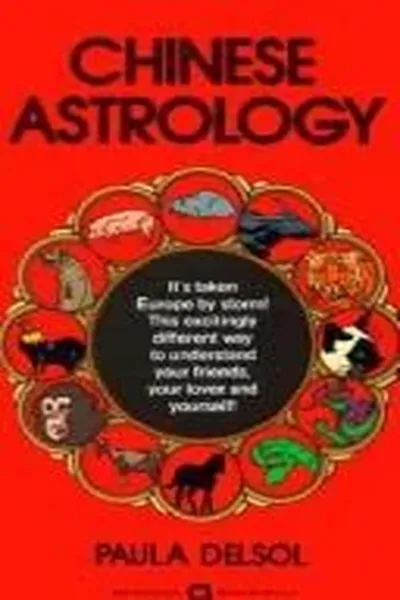


More Free Astrology & Cosmology Books
View all →