Herbal healing for women
 83
83

Herbal healing for women
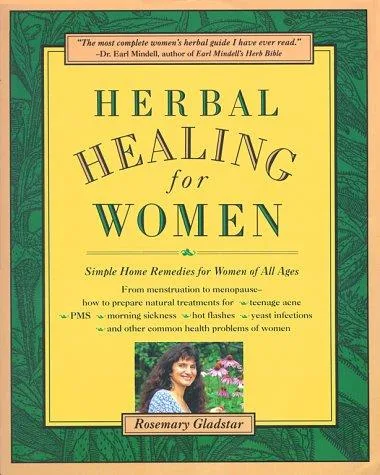
Rosemary Gladstar's Herbal Healing for Women is less a scholarly treatise and more a practical, deeply felt guide, grounded in the author's extensive personal experience. Its strength lies in its accessibility; Gladstar's prose feels like a conversation with a wise, experienced friend, demystifying complex botanical information. She offers concrete recipes and clear instructions, particularly for common ailments. However, for readers seeking in-depth theoretical frameworks or advanced phytochemical analysis, the book might feel somewhat elementary. The passage detailing the preparation of calendula oil, for instance, is wonderfully straightforward, yet lacks the chemical breakdown some might expect from a modern herbal text. Despite this, Gladstar’s enduring influence on contemporary herbalism is undeniable, making this work a vital reference for its practical, empowering approach to women's health.
📝 Description
83
Rosemary Gladstar's Herbal Healing for Women, first published in 1993, connects women with plant medicine for health.
This book offers practical advice on using herbs for women's health concerns. Gladstar details how to identify, prepare, and administer medicinal plants for various life stages, including menstruation, pregnancy, and menopause. The text focuses on a holistic approach, treating health as a connection between the physical, emotional, and spiritual self. It emphasizes the use of common, accessible herbs and explains their preparation in clear terms. The author aims to empower women to take an active role in their own well-being through plant knowledge.
It is written for women interested in natural health and plant-based remedies. Whether new to herbalism or seeking to deepen their understanding of female physiology, readers will find guidance. The book appeals to those drawn to self-care, ancestral healing methods, and building a closer relationship with the natural world.
Emerging in 1993 during a revival of interest in natural health and women's wellness, Herbal Healing for Women draws on folk herbalism and feminist health activism. It provides a comprehensive guide, addressing a gap in mainstream medicine that often neglected women's health experiences. The book reflects a growing movement towards accessible, plant-based healing traditions, connecting women to the earth's remedies and encouraging self-reliance.
💡 Why Read This Book?
• Understand the foundational principles of women's herbalism as presented by Rosemary Gladstar, learning specific preparations for menstrual cycle support, drawing on her decades of practice since the book's 1993 publication. • Gain practical, hands-on knowledge of common medicinal plants, including how to identify and use herbs like Nettle and Raspberry Leaf for everyday female wellness. • Cultivate a personal connection to plant medicine by learning to prepare simple, effective remedies, fostering self-reliance in managing common women's health concerns.
⭐ Reader Reviews
Honest opinions from readers who have explored this book.
❓ Frequently Asked Questions
What specific health concerns does Herbal Healing for Women address?
The book addresses a broad spectrum of women's health concerns, including menstrual irregularities, pregnancy and childbirth support, menopausal symptoms, and common infections, offering plant-based remedies for each.
Is Herbal Healing for Women suitable for beginners?
Yes, the book is highly suitable for beginners. Rosemary Gladstar explains herb identification, preparation methods, and dosage in clear, accessible language, making it easy for newcomers to start using herbs.
What is the historical significance of this book's publication in 1993?
Published in 1993, the book arrived during a significant period of resurgence for natural health and women's wellness movements, providing a comprehensive, practical guide that empowered many women.
Does the book discuss the energetic properties of herbs?
Yes, Gladstar often discusses the energetic and spiritual properties of plants, encouraging a holistic approach that considers the vital force of herbs beyond their physical constituents.
Where can I find Rosemary Gladstar's other works or teachings?
Rosemary Gladstar is a prolific author and educator. Her other notable works include 'Medicinal Herbs: A Beginner's Guide' and 'Rosemary Gladstar's Family Herbal'. She also founded the Sage Mountain Botanical Sanctuary.
Are the herbs mentioned in the book commonly available?
Gladstar emphasizes the use of readily available and often wild-harvested herbs, making the remedies practical and accessible for many readers, even in urban environments.
🔮 Key Themes & Symbolism
Empowerment Through Plant Knowledge
This work champions the idea that women can reclaim agency over their health by understanding and utilizing the power of plants. Gladstar emphasizes accessible, everyday herbs, moving away from reliance on synthesized medicine. The book details how to identify, harvest, and prepare remedies, fostering a direct connection between women and the natural world. This approach empowers individuals to become their own healers, particularly for common gynecological and general wellness concerns, reflecting a broader movement towards self-sufficiency and natural living.
Holistic Feminine Well-being
Herbal Healing for Women views women's health through a holistic lens, acknowledging the intricate connection between physical, emotional, and spiritual states. It moves beyond symptom management to address the root causes of imbalance, viewing the menstrual cycle, pregnancy, and menopause not as medical problems but as natural, vital phases of life. The book encourages a respectful, nurturing relationship with one's body and the plant allies that support these transitions, integrating traditional wisdom with contemporary needs.
Accessible Home Apothecary
Gladstar's approach is rooted in practicality, focusing on creating a home apothecary with common, easily obtainable herbs. The book provides clear, step-by-step instructions for making teas, tinctures, salves, and poultices. This emphasis on simple preparations makes herbal medicine attainable for everyone, regardless of their prior experience or access to specialized ingredients. It clarifies the process, encouraging readers to build confidence in their ability to create effective remedies for themselves and their families.
Respect for Nature's Cycles
A core tenet of the book is the importance of aligning with nature's rhythms. This includes understanding the optimal times for harvesting herbs to capture their full potency and respecting the seasons. Gladstar encourages readers to observe the natural world and integrate its cycles into their healing practices. This mindful approach fosters a deeper appreciation for the earth's bounty and promotes sustainable harvesting, ensuring the continued availability of these plant allies for future generations.
💬 Memorable Quotes
Direct passages from the work, attributed to the author.
“The herbs are our allies, and they are here to help us.”
— This statement captures the book's core philosophy: viewing plants not merely as botanical specimens but as sentient beings offering support and healing. It suggests a reciprocal relationship where respect and understanding unlock their therapeutic potential.
“Women have always turned to the green world for healing.”
— This highlights the historical and ancestral connection between women and herbal medicine. It positions the practice as a continuation of ancient traditions, validating contemporary use within a lineage of feminine wisdom and self-care.
“Listen to your body; it knows what it needs.”
— This emphasizes the importance of intuition and self-awareness in the healing process. It encourages readers to trust their inner wisdom, viewing herbal remedies as tools to support the body's innate ability to heal.
“Preparation is key to unlocking the plant's medicine.”
— This underscores the practical aspect of herbalism presented in the book. It suggests that the way an herb is processed—whether as a tea, tincture, or salve—significantly influences its therapeutic efficacy.
“The energy of the plant is as important as its chemical constituents.”
— This points to the holistic and energetic approach to healing. It suggests that beyond the physical compounds, the vital force or 'spirit' of an herb contributes to its overall healing power, a concept often explored in folk herbalism.
🌙 Esoteric Significance
Tradition
While not strictly aligned with a single esoteric lineage like Hermeticism or Kabbalah, Herbal Healing for Women draws heavily from the deep roots of folk herbalism and animistic traditions. It embodies a worldview where plants possess vital life force and consciousness, echoing pre-Christian European nature-based spiritualities. This perspective aligns with modern paganism and earth-centered spiritualities, emphasizing a sacred relationship with the natural world and viewing healing as a spiritual practice intertwined with ecological awareness.
Symbolism
The book frequently utilizes the symbolism of the feminine divine as reflected in nature. Plants like the Nettle, often seen as a protective 'witch's herb,' symbolize resilience and hidden strength. The Moon, implicitly referenced through menstrual cycle discussions, represents cyclical change, intuition, and the feminine principle. The act of preparing remedies itself becomes symbolic of nurturing, transformation, and the alchemical process of turning raw nature into potent medicine.
Modern Relevance
Gladstar's work continues to be highly relevant today, influencing contemporary herbalists, wellness bloggers, and practitioners of earth-based spiritualities. Her emphasis on accessible, sustainable herbalism appeals to current movements focused on environmentalism, decolonization of medicine, and holistic well-being. Thinkers and practitioners in fields ranging from ecopsychology to somatic experiencing often reference or are indirectly influenced by the foundational knowledge and empowering ethos Gladstar established.
👥 Who Should Read This Book
['• Women interested in natural approaches to their reproductive health cycles, seeking practical guidance on using herbs for menstruation, pregnancy, and menopause.', '• Aspiring herbalists and folk medicine enthusiasts looking for a foundational text that clarifies plant identification, preparation, and application.', "• Individuals exploring earth-based spiritualities or pagan traditions who wish to deepen their connection with plant allies and nature's cycles."]
📜 Historical Context
Rosemary Gladstar's Herbal Healing for Women, first published in 1993, emerged during a potent era for natural health and feminist activism. The book tapped into a growing movement seeking alternatives to conventional medicine, particularly concerning women's reproductive health. This period saw a rise in women's health clinics and a greater emphasis on patient empowerment. While contemporaries like Susun Weed were also exploring similar themes, Gladstar's work distinguished itself with its comprehensive, accessible approach to home herbalism. The book arrived without significant controversy but was embraced by grassroots health communities, becoming a cornerstone text for a generation of herbalists and women seeking self-directed healing. Its publication predated the widespread internet, making such comprehensive guides particularly vital for disseminating knowledge.
📔 Journal Prompts
Reflect on the concept of 'plant allies' and how it shifts your perception of the natural world.
Consider the preparation methods for common remedies like infusions and tinctures described in the book.
Explore the symbolic meanings of menstrual cycles and menopause through an herbal lens.
Identify three common plants in your local environment and research their traditional uses for women's health.
How does the idea of a 'home apothecary' align with your current self-care practices?
🗂️ Glossary
Infusion
A tea made by steeping plant material (usually leaves and flowers) in hot water for a short period, typically 10-20 minutes, to extract volatile oils and water-soluble constituents.
Decoction
A strong tea made by simmering tougher plant parts (roots, bark, seeds) in water for a longer duration, usually 20-40 minutes, to extract medicinal compounds.
Tincture
A concentrated liquid herbal extract made by soaking plant material in alcohol or glycerin, which preserves the herb and extracts a broad range of medicinal compounds.
Maceration
A process of softening or breaking down a substance by soaking it, often used for preparing herbs in oil or alcohol to extract their properties over an extended period.
Poultice
A soft mass of plant material, sometimes mixed with a binder, applied directly to the skin to relieve soreness, inflammation, or infection.
Emmenagogue
A substance (typically an herb) that stimulates or increases menstrual flow. Use requires careful knowledge and application.
Galactagogue
A substance (typically an herb) that promotes or increases the flow of milk in nursing mothers.
🔮 Readers Also Liked
Browse all →








More by Rosemary Gladstar
All books →
More Free Occult Philosophy Books
View all →