Harry Potter
 72
72

Harry Potter
The British Library's 'Harry Potter: A History of Magic' presents a meticulously organized exploration of the Hogwarts curriculum, drawing on the institution's vast resources. Its strength lies in contextualizing the fictional subjects within historical and cultural frameworks, often highlighting real-world parallels. For instance, the detailed look at potions and their historical alchemical roots offers genuine academic interest. However, the book occasionally leans too heavily on describing the exhibition's displays rather than offering deeper analytical commentary on the magical concepts themselves. A limitation is its primary function as a companion piece; it assumes a significant existing familiarity with the Potter universe. The section on Divination, while visually rich, could have benefited from a more critical examination of scrying traditions beyond their fictional portrayal. It functions best as a curated guide for those already invested in the lore, offering a behind-the-scenes glimpse into the creation and curation of a major exhibition.
📝 Description
72
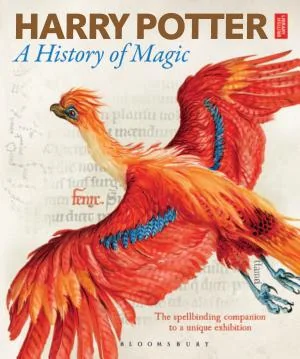
This official companion to the British Library's Harry Potter exhibition was published in 2017.
This volume accompanies the British Library's exhibition on the Harry Potter phenomenon. It is a collaborative work, drawing on expertise from Bloomsbury, J.K. Rowling, and the exhibition's curators. The book systematically examines the subjects taught at Hogwarts School of Witchcraft and Wizardry. Each chapter focuses on a specific area of study, presenting a structured look at the fictional curriculum.
Within its pages, the book showcases a diverse collection of artifacts. These items come from the British Library's extensive archives and other notable collections, offering tangible links to the magical world. Readers encounter subjects from Alchemy and Potions to Herbology and the Care of Magical Creatures. The presentation aims to illuminate the educational framework of Hogwarts.
While not a treatise on occult practices, this book examines the structured, formalized magical education presented in the Harry Potter series. It details subjects like Alchemy and Herbology, which have roots in historical and alchemical traditions. The book explores how these concepts are adapted into a fictional academic setting, mirroring, in a simplified way, the way ancient texts and practices were often codified and taught within specific schools or lineages. It highlights the internal logic and categorization of magic as a discipline.
💡 Why Read This Book?
• Understand the foundational magical subjects like Alchemy and Potions by examining their historical and symbolic underpinnings, as detailed in the chapters dedicated to Hogwarts' curriculum. • Appreciate the curatorial process behind major cultural exhibitions by seeing how artifacts from the British Library's collections were selected to represent fictional magical concepts. • Gain a deeper perspective on the integration of magical lore with real-world historical practices, as presented through the book's focus on subjects like Herbology and Care of Magical Creatures.
⭐ Reader Reviews
Honest opinions from readers who have explored this book.
❓ Frequently Asked Questions
When was 'Harry Potter: A History of Magic' first published by the British Library?
The book 'Harry Potter: A History of Magic' was first published in 2017, coinciding with the British Library's major exhibition of the same name.
What kind of artifacts are featured in the 'Harry Potter: A History of Magic' book?
The book showcases a variety of artifacts, including historical manuscripts, magical objects, and original artwork, drawn from the British Library's collections and other institutions.
Does the book explain the real-world origins of magical subjects like Potions?
Yes, the book explores the subjects studied at Hogwarts, often drawing connections to real-world historical practices such as alchemy and herbalism that influenced the magical curriculum.
Who collaborated on the creation of 'Harry Potter: A History of Magic'?
The book is a collaboration between Bloomsbury, J.K. Rowling, and the curators of the British Library exhibition.
What specific Hogwarts subjects are covered in the book?
The book covers a range of Hogwarts subjects, including Alchemy, Potions, Herbology, and Care of Magical Creatures, among others.
Is this book essential for understanding the Harry Potter series?
While not essential for understanding the core narrative of the Harry Potter series, this book offers a unique, in-depth look at the world-building and the historical/cultural inspirations behind it.
🔮 Key Themes & Symbolism
Alchemical Foundations
The work examines alchemy not merely as a proto-science but as a philosophical and spiritual discipline. It highlights how concepts like transmutation and the Philosopher's Stone, central to alchemical pursuits, are echoed in the magical studies at Hogwarts. The book draws parallels between historical alchemical texts and the fictional development of magical substances and transformations, offering a lens through which to view the series' magical elements as rooted in ancient traditions of spiritual and material change.
Divinatory Arts and Foresight
This theme looks at the practice of divination as depicted through subjects like Divination class. It explores various methods of foretelling the future, from crystal gazing and tea leaf reading to astrological predictions, linking these to historical practices. The book positions these arts as ways of perceiving hidden patterns and potential futures, a concept central to many esoteric traditions seeking to understand cosmic influences and personal destiny.
Herbology and Magical Botanicals
The book investigates Herbology by showcasing magical plants and their properties, drawing connections to historical herbalism and folklore. It examines how plants were perceived in different cultures not just for medicinal purposes but for their symbolic and spiritual significance. This section illuminates the deep-rooted human relationship with the natural world and its perceived magical energies, extending into the fictional area of wizarding botany.
Care of Magical Creatures
This theme explores the relationship between wizards and magical beasts, framing it within historical accounts of mythical creatures and folklore. It touches upon the human tendency to categorize, understand, and sometimes fear or revere the unknown elements of nature. The book implicitly examines the ethics of interacting with powerful, often misunderstood beings, a concept relevant to many esoteric traditions that emphasize harmony with all life forms.
💬 Memorable Quotes
Direct passages from the work, attributed to the author.
“The book highlights the historical context of subjects like alchemy and potions.”
— This points to the work's effort to ground fictional magic in real-world historical disciplines, suggesting that the magical curriculum at Hogwarts draws inspiration from ancient practices and philosophies.
“Artifacts from the British Library are showcased to illustrate magical concepts.”
— This indicates the book's method of using tangible historical objects as visual and conceptual aids to explain the elements of the wizarding world, bridging the gap between fictional lore and historical evidence.
“The exhibition explores the curriculum of Hogwarts School of Witchcraft and Wizardry.”
— This suggests the book is structured around the academic subjects taught at Hogwarts, providing an organized overview of the magical education system presented in the series.
“Readers are taken on a journey through the subjects studied at Hogwarts.”
— This implies a narrative flow to the book, guiding the reader sequentially through different areas of magical study, akin to a guided tour of an academic institution.
“The work is a collaboration between Bloomsbury, J.K. Rowling, and the British Library curators.”
— This emphasizes the official nature and the diverse expertise contributing to the book, lending it authority and a comprehensive perspective on the Potter universe.
🌙 Esoteric Significance
Tradition
This work intersects with the Hermetic tradition by exploring concepts such as transmutation (alchemy) and the hidden correspondences between the mundane and magical worlds. It also touches upon Gnostic themes of hidden knowledge and the journey of the soul through various stages of understanding. While not a primary text within these traditions, it acts as a popularizer, translating complex esoteric ideas into an accessible narrative framework for a wide audience.
Symbolism
The Philosopher's Stone, a central alchemical symbol of perfection and transformation, resonates throughout the discussions of advanced magical study. The Mandrake, a potent magical plant in Herbology, carries symbolic weight rooted in folklore, representing both life and danger. Furthermore, the concept of the 'Care of Magical Creatures' can be seen as symbolic of humanity's relationship with the untamed and the hidden aspects of the psyche, often represented by monstrous or powerful beings in myth.
Modern Relevance
Contemporary interest in world-building, fantasy literature analysis, and the historical study of magic and folklore continues to draw from the comprehensive approach exemplified by this book. Thinkers and practitioners in fields like comparative mythology and the history of magic find value in its accessible presentation of complex subjects, making it a reference point for understanding how fictional narratives engage with ancient esoteric motifs.
👥 Who Should Read This Book
• Enthusiasts of the Harry Potter universe seeking a deeper understanding of the lore's historical and cultural inspirations. • Students of comparative mythology and folklore interested in how ancient stories and beliefs are reinterpreted in modern fiction. • Curators and exhibition designers looking for case studies on how to present literary and cultural phenomena through tangible artifacts and scholarly context.
📜 Historical Context
Published in 2017, 'Harry Potter: A History of Magic' emerged during a period of intense cultural saturation for J.K. Rowling's creation, long after the final novel's release in 2007. The book's significance lies in its positioning within the esteemed British Library, lending an air of academic legitimacy to the study of a fictional world. This initiative can be seen as part of a broader trend in the 21st century to analyze and archive popular culture with the same rigor applied to historical texts. While not directly engaging with contemporary esoteric movements, the book’s exploration of alchemy, divination, and magical botany taps into perennial interests within Western esotericism. Its reception was largely positive, lauded for its visual presentation and the insights it offered into the creative process and the historical influences underpinning the series, particularly its connection to the British Isles' folklore and magical traditions.
📔 Journal Prompts
The symbolic significance of the Philosopher's Stone in alchemical pursuits.
Connections between historical herbalism and the magical plants of Herbology.
The ethical considerations in the Care of Magical Creatures.
Reflections on divination techniques as presented in the book.
The role of alchemy in shaping the fictional magical curriculum.
🗂️ Glossary
Alchemy
An ancient philosophical and protoscientific tradition practiced throughout Europe and the Middle East, aimed at the purification, perfection, and completion of certain materials. It is often associated with the quest for the Philosopher's Stone.
Potions
In the context of Hogwarts, these are magically brewed concoctions with specific effects, drawing on ingredients and techniques often inspired by historical alchemy and herbalism.
Herbology
The study of magical plants and fungi, focusing on their properties, care, and uses in potions and other magical applications, rooted in historical knowledge of botany and folklore.
Care of Magical Creatures
A Hogwarts subject dedicated to the study, understanding, and management of magical beasts and beings, reflecting historical human fascination with and categorization of the unknown.
Divination
The practice of attempting to foresee the future or gain insight into hidden knowledge through various methods, such as astrology, crystal gazing, or reading omens.
Hogwarts School of Witchcraft and Wizardry
The fictional educational institution in the Harry Potter series where young witches and wizards are trained in magical arts and sciences.
The British Library
The national library of the United Kingdom, holding a vast collection of manuscripts, books, maps, and other artifacts, which provided many of the historical reference points for the book.
🔮 Readers Also Liked
Browse all →








More Free Occult Philosophy Books
View all →