Handwriting and Palmistry
 78
78

Handwriting and Palmistry
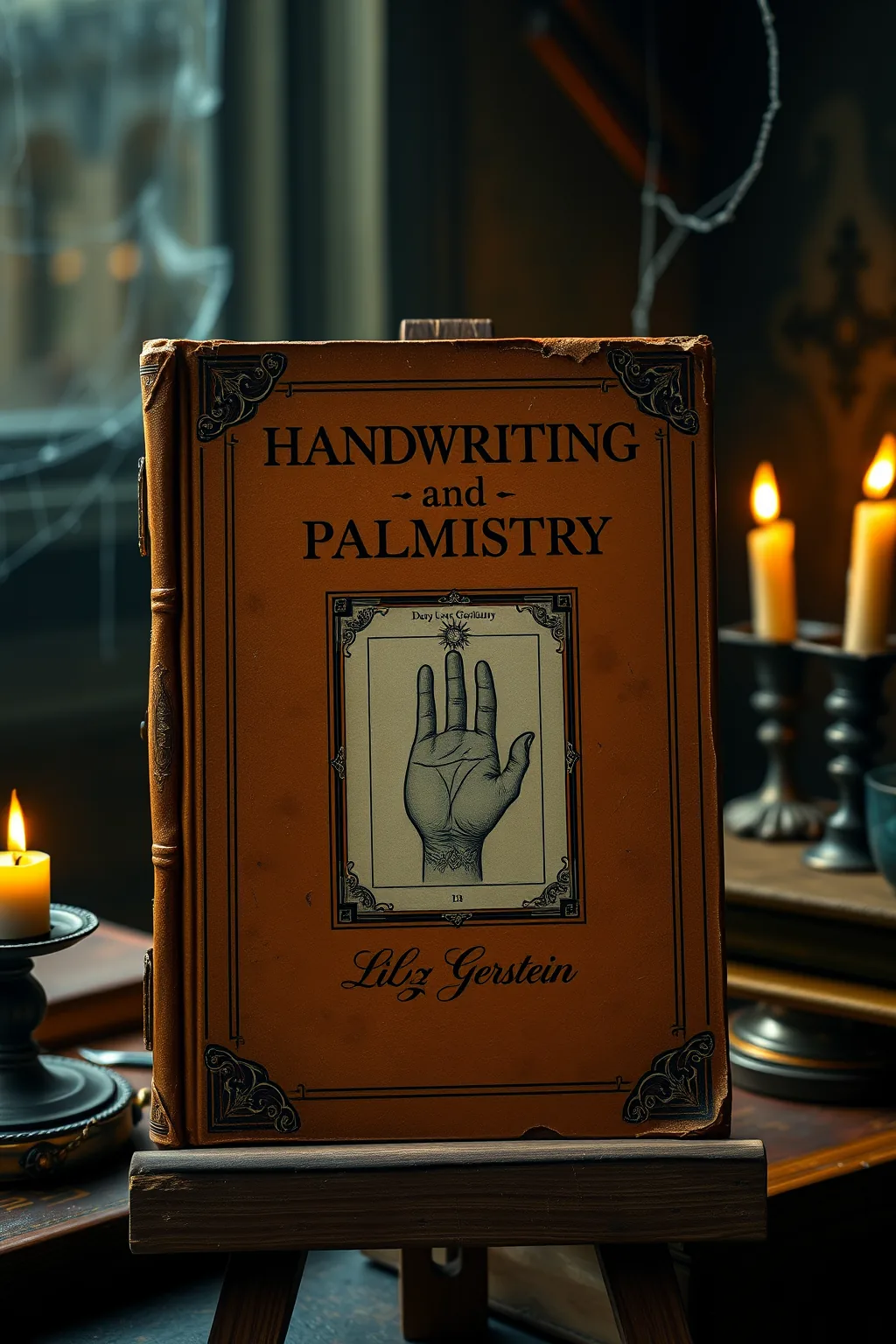
Liz Gerstein’s Handwriting and Palmistry offers a systematic approach to two classic divination arts. The strength of this 1993 publication lies in its detailed breakdown of interpretative elements, moving beyond simple caricatures of palm readers or scribblers. Gerstein presents graphology and chiromancy as coherent systems deserving of serious study. However, the work sometimes feels more descriptive than deeply analytical, particularly when bridging historical practices to modern psychological understanding. A passage detailing the interpretation of the ‘headline’ on the palm, connecting its length and formation to cognitive styles and life choices, exemplifies the book’s methodical approach, though it could benefit from more nuanced discussion of psychological integration. Ultimately, it serves as a solid, if somewhat dry, primer for understanding these traditional divinatory methods.
📝 Description
78
Liz Gerstein's Handwriting and Palmistry explains how to read character and predict trends from hands and writing.
This book details two ancient methods for understanding people: graphology and chiromancy. Gerstein presents these disciplines as systematic approaches, not just casual pastimes. The work is for anyone interested in physiognomic divination, especially those exploring the link between outward appearance and inner life. It will appeal to students of esoteric practices, amateur psychologists, and individuals curious about how external signs might mirror internal states or life paths.
Gerstein covers the interpretation of hand features like lines, mounts, and palm shapes. She also details the analysis of handwriting, including letter structure, slant, size, and pressure. The core idea is that predictable patterns in these physical marks correspond to consistent traits in personality, emotions, and life events. The book makes these complex analyses accessible, breaking them down into manageable components.
The study of handwriting and palmistry has a long history within Western esotericism. These practices align with traditions that seek hidden knowledge through symbolic interpretation of the physical world. While modern graphology developed in the late 19th century and palmistry has historical proponents like Jean-Baptiste-Melchior Morand in the 18th century, Gerstein situates these divinatory arts within a contemporary esoteric framework. The book connects these specific practices to a broader interest in physiognomy and the idea that the body reflects the spirit.
💡 Why Read This Book?
• Understand the foundational principles of graphology, learning how to analyze letter shapes, slant, and pressure as indicators of personality traits, a technique explored in detail within the book's sections on handwriting analysis. • Gain practical skills in chiromancy by studying palm mounts, line formations, and hand shapes, as presented through specific interpretive charts and examples within the text. • Appreciate the historical lineage of these arts, tracing their development from ancient roots to the late 20th century, contextualized by Gerstein's 1993 publication date and its place in esoteric literature.
⭐ Reader Reviews
Honest opinions from readers who have explored this book.
❓ Frequently Asked Questions
When was Liz Gerstein's Handwriting and Palmistry first published?
Liz Gerstein's Handwriting and Palmistry was first published in 1993, making it a contemporary work in the field of esoteric studies.
What are the main subjects covered in Handwriting and Palmistry?
The book primarily covers graphology, the study of handwriting for character analysis, and chiromancy, the practice of palm reading.
Does the book offer practical advice for beginners?
Yes, the work aims to provide a systematic approach, breaking down interpretations of handwriting and palm features into understandable components for new students.
What is the historical context of the practices discussed?
The book touches upon the long history of these divinatory arts, which have roots stretching back centuries, and their evolution into more formalized systems.
Is Handwriting and Palmistry considered an academic text or an esoteric guide?
It functions as an esoteric guide, presenting systematic interpretations within a mystical or metaphysical framework rather than a strictly academic psychological one.
Can I use this book to predict the future?
While the book explores predictive aspects of palmistry and handwriting, its primary focus is on character analysis and understanding potential life trends.
🔮 Key Themes & Symbolism
Graphology's Microcosm
The book posits handwriting as a direct projection of the psyche onto paper. It details how specific characteristics – the loop of a 'g', the pressure of a stroke, the overall slant – serve as symbolic representations of a person's inner world. Gerstein explains how variations in letter formation, spacing, and alignment can offer insights into an individual's temperament, intellectual processes, and emotional state, aligning with the broader esoteric principle that the microcosm (individual) reflects the macrocosm (universal patterns).
Chiromancy's Macrocosm
Palmistry is presented as a map of an individual's life path and inherent potentials. The work examines the major and minor lines, the mounts on the palm, and the overall shape of the hand, correlating these features with different aspects of life such as career, relationships, and health. This perspective aligns with ancient divinatory traditions that sought to understand destiny and character through the lines and forms present on the hand, viewing it as a physical manifestation of cosmic influences.
The Interconnectedness of Signs
A central theme is the synergistic relationship between handwriting and palmistry. The book suggests that a holistic understanding is achieved when both disciplines are employed. For instance, the characteristics revealed in a person's palm might be further illuminated or nuanced by the analysis of their script. This approach emphasizes the esoteric belief in the interconnectedness of all signs and symbols, suggesting that multiple layers of interpretation can reveal a more complete portrait of an individual.
Systematic Divination
Gerstein aims to explain these arts by presenting them as structured systems rather than random guesswork. The work systematically categorizes interpretations for various features of both handwriting and palms, providing readers with a framework for analysis. This emphasis on method and order reflects a desire to elevate these practices from popular superstition to disciplines with discernible rules and principles, akin to other systematic esoteric traditions.
💬 Memorable Quotes
Direct passages from the work, attributed to the author.
“The slant of writing indicates the direction of emotional energy.”
— This concise statement highlights the core principle of graphology as presented in the book: that physical attributes of handwriting directly correspond to psychological states and tendencies.
“The headline’s length and clarity reveal cognitive approach.”
— This refers to a specific element in palmistry, the headline on the palm, and its interpretative significance for understanding a person's mental faculties and problem-solving methods.
“Handwriting is the soul’s signature.”
— An interpretation of the fundamental idea that script is a unique and revealing expression of an individual's inner essence and personality.
“Consistent patterns in script mirror consistent character traits.”
— This emphasizes the systematic nature of graphology, suggesting that recurring features in handwriting are reliable indicators of stable personality characteristics.
💡 Key Ideas
Editorial paraphrase of the work's core concepts — not direct quotes.
The mounts of the hand are sensitive zones of potential.
This paraphrased concept points to the significance of the fleshy pads on the palm in chiromancy, viewed as areas that express latent talents or tendencies.
🌙 Esoteric Significance
Tradition
This work aligns with the Western Esoteric tradition, particularly within the broader streams of Hermeticism and Renaissance occult philosophy, which sought correspondences between the human body, the cosmos, and symbolic systems. It shares roots with physiognomy and chiromancy, ancient practices aimed at discerning character and fate through physical form. Gerstein's approach reframes these as systematic tools for self-knowledge, fitting into a lineage that views the physical world as a symbolic language of spiritual truths.
Symbolism
Key symbols include the lines of the palm (e.g., the Heart Line, Head Line) which are interpreted as pathways of emotional and intellectual life, representing the flow of energy and experience. The mounts (e.g., Mount of Venus, Mount of Jupiter) symbolize specific human potentials and temperaments, acting as energetic centers. In graphology, letter formations themselves, like the loop of an 'l' or the dot of an 'i', become symbolic micro-expressions of the writer's personality.
Modern Relevance
Contemporary practitioners of divination, self-help coaches focusing on personality typing, and even some artistic communities exploring symbolic representation can find value in Gerstein's systematic approach. While explicit occult study has shifted, the underlying interest in 'reading' people through subtle cues—whether in handwriting, body language, or digital footprints—persists. The book's structured methodology offers a foundation for understanding these enduring human desires for self-discovery and insight into others.
👥 Who Should Read This Book
• Aspiring graphologists and chiromancers seeking a structured introduction to the foundational principles and interpretive techniques of these divination arts. • Students of esoteric philosophy interested in exploring historical methods of character analysis and their place within broader occult traditions. • Individuals curious about self-understanding and interpersonal dynamics, looking for systematic, albeit esoteric, frameworks to analyze personality and potential.
📜 Historical Context
Published in 1993, Liz Gerstein's Handwriting and Palmistry emerged during a period when esoteric studies, though often marginalized, were experiencing renewed interest, particularly among those seeking alternative frameworks for understanding human nature. This era saw a resurgence of interest in comparative mysticism and occult traditions, partly fueled by accessibility to older texts and new syntheses. Gerstein’s work can be seen in dialogue with late 20th-century authors who explored divination and esoteric psychology, such as those influenced by the New Age movement, while also drawing on the long historical lineages of graphology and chiromancy. While figures like the French abbé Louis Alphonse Cahagnet explored similar themes in the 19th century, Gerstein's approach reflects a more modern synthesis, avoiding the more overtly spiritualist claims that characterized some earlier works, and instead focusing on psychological correlations.
📔 Journal Prompts
The pressure and slant of your handwriting: how do they reflect your current energetic state?
Analyze the headline on your dominant hand: what interpretations align with your cognitive style?
Consider the Mount of Venus: what potentials does its prominence suggest for your life path?
Your signature’s characteristics: how do they project your public persona versus your private self?
The relationship between the 'loop' of a letter and your emotional expression.
🗂️ Glossary
Graphology
The study of handwriting and its connection to personality traits and character.
Chiromancy
The practice of divination or fortune-telling through the examination of the palm of the hand.
Headline (Palmistry)
A major line on the palm, typically running horizontally across the middle of the hand, interpreted as relating to mental faculties and intellect.
Mounts (Palmistry)
The fleshy, raised areas on the palm, named after classical deities, believed to indicate specific character traits and potentials.
Slant (Handwriting)
The angle at which handwriting is written, often interpreted as indicating the writer's emotional orientation and expressiveness.
Pressure (Handwriting)
The force applied to the writing instrument, which graphologists interpret as reflecting energy levels and emotional intensity.
Line of Heart (Palmistry)
A major line on the palm, typically running horizontally below the fingers, interpreted as relating to one's emotional life and romantic relationships.
🔮 Readers Also Liked
Browse all →








More by Liz Gerstein
All books →


More Free Occult Philosophy Books
View all →