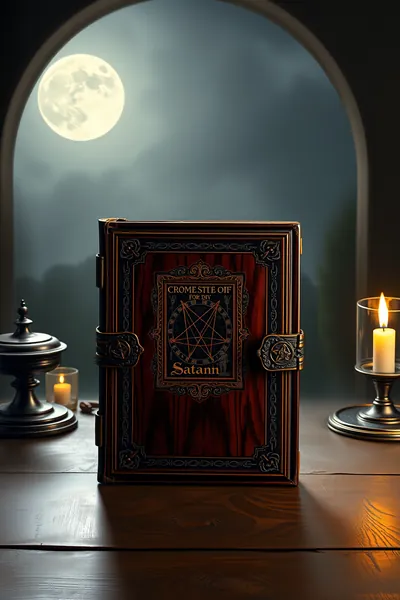
Grimoire of Armadel

 76
76

Grimoire of Armadel
The Grimoire of Armadel, as presented by S. L. MacGregor Mathers, offers a structured, if somewhat austere, approach to ceremonial magic. Its strength lies in its detailed procedural outlines, which provide a clear framework for aspiring practitioners interested in Golden Dawn-derived practices. The specific angelic invocations and the associated seals, for instance, are presented with a precision that commands respect for the discipline involved. However, the work can feel overly rigid to those accustomed to more fluid or intuitive magical systems. The language, while precise, sometimes lacks the evocative quality found in older grimoires, demanding significant interpretive effort from the reader. A notable passage detailing the preparation of the 'wand of the square' exemplifies this functional, almost technical, approach to the sacred. Ultimately, the Armadel serves as a valuable, albeit demanding, manual for a particular branch of ritualistic practice.
📝 Description
76
S. L. MacGregor Mathers compiled the Grimoire of Armadel, a collection of magical texts, in the late 19th century.
The Grimoire of Armadel contains magical texts, focusing on ceremonial magic and the summoning of angelic beings. S. L. MacGregor Mathers, a key figure in the Hermetic Order of the Golden Dawn, compiled and translated these writings. The book details specific rituals, chants, and the required preparations for interacting with spiritual entities. Success often depends on a methodical approach and exact execution.
This grimoire is for serious students and practitioners of Western esotericism. It is particularly relevant for those interested in ceremonial magic, angelic conjuration, and the Golden Dawn system. Readers seeking to understand the practical methods of ritualistic magic, as organized by influential occultists, will find it valuable. Students of comparative religion and the history of magic can also gain insight from its specific techniques and the historical context from which it arose.
The Grimoire of Armadel emerged from the late Victorian occult revival. S. L. MacGregor Mathers, along with figures like Aleister Crowley and William Wynn Westcott, was central to establishing organizations such as the Hermetic Order of the Golden Dawn. This period saw a revival of interest in Hermeticism, Kabbalah, and Rosicrucianism, often influenced by Theosophy. The grimoire reflects this milieu by presenting a structured magical system, distinct from more improvisational practices. Its principles have influenced subsequent magical orders and practitioners connected to the Golden Dawn lineage.
💡 Why Read This Book?
• Understand specific methods for angelic invocation, including the use of divine names and seals, as detailed within the Grimoire of Armadel, offering a concrete system distinct from other magical texts. • Gain insight into the practical magical applications championed by S. L. MacGregor Mathers and the Hermetic Order of the Golden Dawn, providing historical context for early 20th-century occultism. • Learn the precise ritualistic preparations and conjurations outlined in the text, enabling a deeper study of ceremonial magic's structured disciplines, as presented in its early 2000s edition.
⭐ Reader Reviews
Honest opinions from readers who have explored this book.
❓ Frequently Asked Questions
What is the primary focus of the Grimoire of Armadel?
The Grimoire of Armadel primarily focuses on ceremonial magic, specifically the invocation of angelic intelligences. It details rituals, divine names, and symbolic seals intended for practitioners seeking to engage with the spiritual realm through structured magical operations.
Who compiled and translated the Grimoire of Armadel?
The compilation and translation of the Grimoire of Armadel are attributed to S. L. MacGregor Mathers, a significant figure in the Hermetic Order of the Golden Dawn. His work brought these texts to a wider audience in the modern era.
What is the historical significance of S. L. MacGregor Mathers?
S. L. MacGregor Mathers was a co-founder of the Hermetic Order of the Golden Dawn in 1888. He was a key figure in the late Victorian occult revival, instrumental in systematizing and disseminating various esoteric traditions.
Does the Grimoire of Armadel contain practical rituals?
Yes, the Grimoire of Armadel contains practical rituals, including detailed instructions for conjurations, the use of specific divine names, and the preparation of magical tools and sacred spaces.
What esoteric traditions influenced the Grimoire of Armadel?
The Grimoire of Armadel is influenced by Western esoteric traditions, particularly ceremonial magic, Kabbalah, and Hermeticism, as systematized and practiced by the Hermetic Order of the Golden Dawn.
When was the Grimoire of Armadel first published in its modern form?
The Grimoire of Armadel, in its widely accessible modern form compiled by S. L. MacGregor Mathers, was first published in 2001.
🔮 Key Themes & Symbolism
Angelic Invocation and Hierarchy
The grimoire details specific methods for invoking angelic beings, drawing upon a structured understanding of celestial hierarchies. It presents divine names and angelic seals believed to facilitate communication and command over these entities. The work emphasizes that successful invocation requires adherence to precise ritualistic protocols, including the creation of a consecrated space and the correct recitation of conjurations, reflecting a belief in the efficacy of divinely sanctioned names and symbols.
Ceremonial Magic Framework
Central to the Grimoire of Armadel is the concept of ceremonial magic as a disciplined art. It outlines the necessary preparations, tools, and mental states required for ritual work. This includes the construction of magical circles, the consecration of implements, and the importance of purity and intention. The text serves as a manual for practitioners seeking to engage with spiritual forces in a controlled and systematic manner, as understood within the Golden Dawn tradition.
The Power of Divine Names and Seals
A core tenet of the grimoire is the potent efficacy of divine names and symbolic seals (sigils). These elements are presented not merely as representations but as active keys to accessing spiritual power and influencing the angelic realm. The accurate use of these symbols and names is paramount, forming the basis of the magical operations described, which aim to achieve specific results through directed spiritual interaction.
Esoteric Pedagogy of the Golden Dawn
As a work associated with S. L. MacGregor Mathers, the Grimoire of Armadel reflects the pedagogical approach of the Hermetic Order of the Golden Dawn. It offers codified knowledge and practical techniques intended for students of the occult. The emphasis on structure, symbolism, and ritual progression aligns with the Order's aim to revive and systematize Western magical traditions for modern practitioners.
💬 Memorable Quotes
Direct passages from the work, attributed to the author.
“Prepare the Circle with utmost care, for it is the boundary between the mundane and the divine.”
— This interpretation stresses the critical importance of ritual space in ceremonial magic. The magical circle is presented not just as a physical barrier but as a consecrated zone essential for safely and effectively interacting with spiritual forces.
“The Seal of [Angel's Name] must be drawn with precision, as it holds the essence of their power.”
— This reflects the grimoire's emphasis on the precise use of sigils. The seal is understood as a symbolic representation imbued with the power of the angelic being, requiring accurate replication for the invocation to be effective.
“Purify thyself in body and spirit before commencing the Great Work.”
— This captures the requirement for personal purity and spiritual readiness. The grimoire implies that the magician's own state of being is integral to the success of the magical operations, demanding a disciplined approach to personal conduct.
“Offerings are made to appease and gain favour from the celestial intelligences.”
— This points to the practice of making offerings within the rituals. It suggests a transactional aspect to the magic, where symbolic gifts are presented to establish a positive relationship with the invoked entities.
💡 Key Ideas
Editorial paraphrase of the work's core concepts — not direct quotes.
The names of God, and the names of Angels, are the keys to the Gates of Heaven.
This paraphrased concept highlights the grimoire's belief in the inherent power of divine nomenclature. It suggests that correctly pronouncing or invoking these sacred names acts as a direct means to access higher spiritual realms and their inhabitants.
🌙 Esoteric Significance
Tradition
The Grimoire of Armadel is firmly rooted in the Western Esoteric Tradition, specifically within the lineage of ceremonial magic as practiced and systematized by the Hermetic Order of the Golden Dawn. It draws heavily on Kabbalistic angelic hierarchies and Hermetic principles concerning the power of divine names and symbols. This work fits within the tradition by providing a practical, ritualistic manual for invoking angelic intelligences, a core practice within Golden Dawn-derived systems.
Symbolism
Key symbols include angelic seals or sigils, which are presented as unique identifiers and conduits of power for specific celestial beings. Divine names, particularly those of God and the archangels, are central, acting as keys to unlock spiritual forces. The magical circle is another crucial symbol, representing a consecrated space that separates the mundane world from the sacred field of invocation, ensuring protection and focus for the practitioner.
Modern Relevance
Contemporary practitioners of ceremonial magic, particularly those following Golden Dawn-derived traditions (such as the Stella Matutina or successor organizations), continue to utilize the Grimoire of Armadel. Its structured approach to angelic invocation influences modern magical theory and practice, offering a codified system for those interested in disciplined spiritual work and the exploration of angelic consciousness.
👥 Who Should Read This Book
• Aspiring ceremonial magicians interested in the Golden Dawn tradition, seeking a structured grimoire for angelic invocation and ritual practice. • Scholars of Western esotericism studying the history of occultism and magical texts from the late 19th and early 20th centuries. • Experienced practitioners looking to deepen their understanding of divine names, angelic seals, and the precise execution of ritual conjurations.
📜 Historical Context
The Grimoire of Armadel, while containing ancient principles, gained prominence through its modern compilation by S. L. MacGregor Mathers, a central figure in the late 19th-century occult revival. The Hermetic Order of the Golden Dawn, founded in 1888 by Mathers, William Wynn Westcott, and Samuel Liddell MacGregor Mathers, sought to systematically organize and practice Western esoteric traditions, including Hermeticism, Kabbalah, and Rosicrucianism. This period was marked by intense intellectual curiosity regarding ancient mysteries, fueled by archaeological discoveries and a reaction against purely materialistic philosophies. Competing schools of thought, such as Theosophy championed by Helena Blavatsky, also gained traction, offering alternative frameworks for understanding spiritual realities. Mathers' work, including the dissemination of texts like the Armadel, contributed to a more structured and ritualistic approach to magic, influencing subsequent generations of occultists and esoteric orders that branched off from or were inspired by the Golden Dawn's teachings.
📔 Journal Prompts
Reflect on the concept of Divine Names as presented in the Armadel and their perceived efficacy.
Consider the symbolic significance of the magical circle as described in the grimoire's ritual framework.
Analyze the requirements for personal purity before engaging in the 'Great Work' as outlined.
Examine the role of angelic seals and their connection to specific celestial intelligences.
Evaluate the structure of the rituals and their potential impact on the practitioner's state of consciousness.
🗂️ Glossary
Angelic Intelligence
A spiritual being within a celestial hierarchy, believed to be an intermediary between the divine and the human realms, often invoked for knowledge or assistance in magical practices.
Ceremonial Magic
A structured form of magic involving elaborate rituals, specific incantations, symbolic gestures, and the use of consecrated tools and spaces to achieve spiritual or material ends.
Conjuration
A formal invocation or summoning, typically involving spoken prayers or commands directed towards spiritual entities.
Divine Name
A name attributed to God or a divine being, believed to possess inherent power and efficacy when used in prayer or magical operations.
Golden Dawn
A late 19th-century secret society dedicated to the study and practice of occultism, ceremonial magic, and esoteric philosophy, significantly influencing modern Western esotericism.
Grimoire
A textbook of magic or occultism, typically containing instructions on spell-casting, divination, and the invocation of spirits.
Sigil
A symbolic representation or seal, often an abstract design, believed to hold magical significance and power when associated with a specific deity, spirit, or intention.
🔮 Readers Also Liked
Browse all →









More Free Occult Philosophy Books
View all →