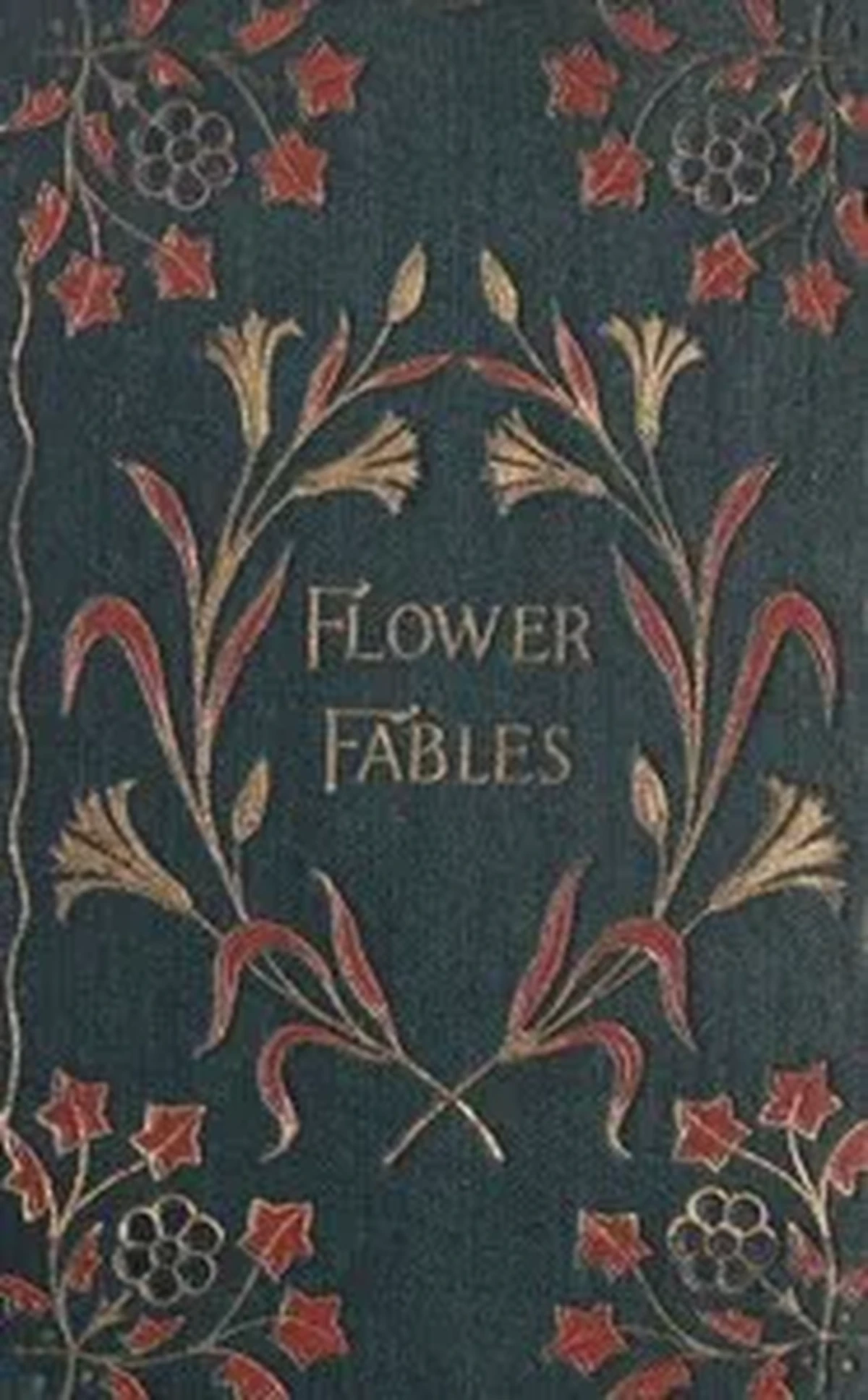
Flower Fables
 74
74

Flower Fables
Louisa May Alcott's *Flower Fables*, presented here from its 1954 publication, offers a distinct window into an author better known for domestic realism. The collection's strength lies in its unadorned simplicity, a quality that allows the elemental moral lessons to shine through with clarity. However, this same directness can sometimes verge on the saccharine for a modern adult reader. The fable of "The Lily and the Rose," for instance, clearly illustrates the perils of pride through the flowers' interactions, a point made with little subtlety. While charming, the absence of the nuanced character development found in Alcott's later works leaves these tales feeling somewhat ephemeral. It functions best as a historical curiosity and a gentle reminder of foundational virtues.
Verdict: A slight but illustrative collection showcasing Alcott's early narrative voice.
📝 Description
74
Louisa May Alcott's Flower Fables, first published in 1954, contains allegorical tales.
This collection presents short, allegorical stories attributed to Louisa May Alcott. The narratives, often featuring personified flowers and woodland creatures, convey moral lessons and gentle philosophical observations through a simple, child-like perspective. Alcott's writing here is direct, aiming to impart wisdom without complex symbolism. The work adapts the tradition of fable-writing to explore themes of nature, kindness, and the fleeting beauty of the natural world.
Flower Fables appeals to readers interested in allegorical storytelling or those who appreciate literature with a moral undercurrent. It is particularly suited for those interested in Alcott's early works or thematic precursors to her more famous novels. Readers who enjoy nature-inspired stories and a straightforward writing style will find value. The book also serves as an accessible introduction to classic literature for younger readers or a brief reflective read for adults.
While Alcott's work is not typically categorized as esoteric, Flower Fables operates within a tradition that imbues the natural world with symbolic meaning. The personification of flora and fauna suggests a worldview where non-human elements possess inherent virtues and lessons. This aligns with certain nature-based philosophies that find spiritual or moral guidance in the environment, often seen in children's literature that subtly introduces such concepts.
💡 Why Read This Book?
• Gain insight into Louisa May Alcott's early narrative style, predating her 1868 novel *Little Women*, by examining the allegorical structure of "The Lily and the Rose." • Understand the tradition of Victorian-era moral fables through the direct, personified characterizations of flowers and their inherent virtues. • Appreciate the simple, nature-focused ethics presented, offering a brief respite from complex narratives and a connection to early American children's literature.
⭐ Reader Reviews
Honest opinions from readers who have explored this book.
❓ Frequently Asked Questions
When was Louisa May Alcott's Flower Fables first published?
Flower Fables was first published in 1954. This date is significantly later than most of Alcott's major works, suggesting it may be a compilation of earlier writings or a posthumous release.
What kind of stories are in Flower Fables?
The book contains short, allegorical tales, often featuring personified flowers and nature spirits. These stories are designed to convey simple moral lessons in a gentle, accessible manner, typical of classic fables.
Are these stories considered part of Alcott's main literary output?
While attributed to Louisa May Alcott, Flower Fables represents an earlier or less prominent facet of her writing, distinct from her more famous novels like *Little Women* (1868). Its 1954 publication date further separates it from her peak writing period.
What are the main themes in Flower Fables?
Key themes include the virtues of kindness, humility, friendship, and the appreciation of nature's beauty. The stories often explore the consequences of negative traits like vanity or selfishness through simple allegories.
Is Flower Fables suitable for children?
Yes, the simple language, clear morals, and nature-focused content make Flower Fables appropriate for younger readers or as a read-aloud book for families.
Does Flower Fables connect to Alcott's later, more famous works?
It provides a glimpse into Alcott's early thematic interests in morality and nature, which subtly inform her later, more complex character studies, though the style is considerably different.
🔮 Key Themes & Symbolism
Personified Nature
The collection frequently employs personification, giving human-like qualities and voices to flowers such as lilies and roses. This technique allows Alcott to explore abstract concepts like vanity or kindness through tangible, relatable characters. Each flower's narrative arc, as seen in "The Lily and the Rose," serves as a miniature allegory, demonstrating the direct link between natural forms and inherent virtues or vices. This approach aligns with a broader tradition of nature allegory in literature, where the natural world becomes a mirror for human experience and moral instruction.
Moral Instruction
Central to Flower Fables is its didactic purpose. Each story is crafted to impart a clear moral lesson, often stated explicitly at the conclusion. Themes of humility, friendship, and the acceptance of one's place are paramount. For example, a tale might illustrate the folly of boastfulness through a proud bloom's interactions. This emphasis on direct moral teaching reflects the pedagogical aims common in 19th-century children's literature, where stories were designed not only for entertainment but also for character development.
Ephemeral Beauty
The transient nature of flowers serves as a recurring motif, symbolizing the fleeting quality of beauty and life itself. The fables implicitly encourage an appreciation for the present moment and the delicate wonders of the natural world before they fade. This theme underscores a gentle melancholy, a recognition of natural cycles of growth and decay. The collection invites readers to find value and meaning not in permanence, but in the delicate, transient moments of existence.
Simplicity of Form
Flower Fables utilizes a straightforward narrative structure, characteristic of early allegorical writing. The plots are uncomplicated, focusing on a single, clear conflict or interaction. This formal simplicity ensures that the moral or philosophical message remains accessible, particularly to younger audiences. The language employed is direct and unadorned, avoiding complex sentence structures or vocabulary, which further enhances the clarity and immediate impact of the tales.
💬 Memorable Quotes
Direct passages from the work, attributed to the author.
“Every flower has its own beauty, and its own use.”
— This statement emphasizes the theme of inherent worth and diversity in nature. It suggests that each individual, like each flower, possesses unique qualities and purposes, advocating for acceptance and appreciation of differences.
“The little Violet was content to be small and hidden.”
— This highlights the virtue of contentment and humility. The Violet's quiet existence, contrasted with more flamboyant blooms, suggests that true happiness can be found in simplicity and a lack of ostentation.
“Friendship is the sweetest blossom in the garden of life.”
— This metaphor equates friendship with a beautiful flower, underscoring its preciousness and vital role in human experience. It positions companionship as a source of joy and fulfillment, essential for a flourishing life.
💡 Key Ideas
Editorial paraphrase of the work's core concepts — not direct quotes.
The proud Lily bowed her head, ashamed to see how much she had been admired.
This line expresses the moral lesson of humility. It illustrates how excessive pride can lead to self-awareness and shame when confronted with genuine admiration, suggesting that true worth is found not in seeking praise but in inner virtue.
The Rose learned that beauty alone does not bring happiness.
This quote directly addresses the theme that external qualities like physical beauty are insufficient for true contentment. It implies that inner qualities or relationships are more crucial for happiness than superficial attributes.
🌙 Esoteric Significance
Tradition
While not explicitly aligned with a specific esoteric lineage like Hermeticism or Kabbalah, *Flower Fables* draws from the universal tradition of nature allegory and nature worship found in many spiritual paths. Its personification of flora echoes animistic beliefs and the Romantic era's reverence for the natural world. The collection’s focus on inherent virtues within nature can be seen as a simplified manifestation of panentheistic or pantheistic views, where the divine is immanent in all living things. It serves as an accessible entry point to contemplating the spiritual significance of the natural world, a theme present across various mystical traditions.
Symbolism
The primary symbols are the flowers themselves, each representing specific virtues or vices. The Lily often symbolizes purity or pride, depending on its narrative context, while the Rose frequently embodies beauty, love, or vanity. The Violet, often depicted as small and unassuming, represents humility and quiet contentment. These floral symbols function as archetypes within the fables, allowing for a direct, almost alchemical, transformation of abstract qualities into concrete natural forms for moral and spiritual contemplation.
Modern Relevance
Contemporary eco-spiritual movements and nature-based witchcraft often draw inspiration from literature that emphasizes the inherent spirituality of the natural world. *Flower Fables*, with its direct engagement with floral symbolism and nature's virtues, appeals to modern practitioners seeking to reconnect with earth-based spirituality. Thinkers and writers in ecopsychology and those exploring mindfulness through nature also find value in its gentle reminders of nature's lessons. The book's simplicity makes its core message accessible for those exploring spiritual paths that prioritize a harmonious relationship with the environment.
👥 Who Should Read This Book
• Aspiring writers of allegorical or children's literature seeking models of simple narrative structure and clear moral messaging. • Students of 19th-century American literature interested in the breadth of Louisa May Alcott's work beyond her famous novels. • Readers drawn to nature-based spirituality or eco-conscious philosophy who appreciate literature that personifies and celebrates the natural world.
📜 Historical Context
Published in 1954, *Flower Fables* emerges decades after Louisa May Alcott's most celebrated period of writing, which largely spanned the mid-to-late 19th century, including the debut of *Little Women* in 1868. This later publication date places it within a literary environment influenced by mid-century modernism, yet the work itself firmly adheres to Victorian sensibilities regarding children's literature and moral instruction. The collection's style, characterized by simple allegories and personified nature, harkens back to earlier traditions of fable-writing, potentially serving a nostalgic market or rounding out Alcott's collected works. While Alcott's contemporaries like Mark Twain were exploring more complex social satire, Alcott's enduring appeal ensured a continued readership for her distinct, gentler voice. The work's reception in 1954 likely tapped into a consistent demand for Alcott's oeuvre, rather than engaging with contemporary literary debates.
📔 Journal Prompts
The proud Lily's shame, as described in "The Lily and the Rose," invites reflection on self-perception.
Consider the Violet's contentment; how does this contrast with the pursuit of admiration?
Reflect on the symbolism of the Rose; what does its beauty represent in your life?
Analyze the directness of the moral lessons; how effective is simple allegory for conveying truth?
Explore the idea that 'every flower has its own beauty, and its own use' in relation to personal strengths.
🗂️ Glossary
Allegory
A story, poem, or picture that can be interpreted to reveal a hidden meaning, typically a moral or political one. In Flower Fables, flowers and creatures represent abstract qualities or human behaviors.
Personification
The attribution of a personal nature or human characteristics to something nonhuman, or the representation of an abstract quality in human form. Used extensively in Flower Fables with flowers.
Fable
A short story, typically with animals as characters, conveying a moral. Flower Fables adapts this form using personified flora.
Moral
A lesson, especially one concerning what is right or prudent, that can be derived from a story, a piece of information, or an experience. Central to the purpose of each tale in Flower Fables.
Ephemeral
Lasting for a very short time; short-lived. Often used to describe the beauty and existence of flowers, a recurring theme.
Didactic
Intended to teach, particularly in having moral instruction as an ulterior motive. Describes the primary function of the fables in this collection.
Victorian Era
The period of Queen Victoria's rule, from 1837 to 1901, characterized by significant industrial, cultural, political, scientific, and military changes. Influential context for Alcott's writing style.
🔮 Readers Also Liked
Browse all →









More by Louisa May Alcott
All books →

More Free Occult Philosophy Books
View all →