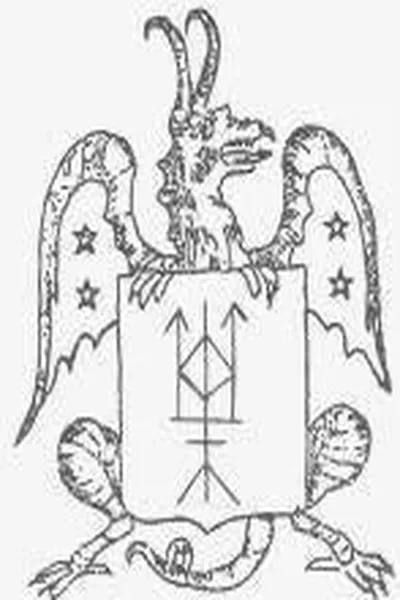
Enträtselte Vorzeit

 82
82

Enträtselte Vorzeit
Karl Friedrich Kohlenberg’s Enträtselte Vorzeit offers a rigorous examination of pre-Christian European spiritual traditions, moving beyond superficial folklore to uncover their esoteric architecture. Kohlenberg’s strength lies in his meticulous dissection of symbolic systems, particularly his analysis of how concepts like the World Tree (Yggdrasil) served as a central cosmological axis. A limitation, however, is the dense prose, which at times obscures the very clarity it seeks to achieve. The section on runic divination, for instance, while informative, demands significant prior knowledge. Yet, the book provides a valuable scholarly perspective for those seeking to understand the deep currents of European esotericism. It stands as a significant, if challenging, contribution to the field.
📝 Description
82
Karl Friedrich Kohlenberg's Enträtselte Vorzeit, published in 1996, examines pre-Christian European mythologies.
This 1996 book analyzes the symbolic language and ritual practices of ancient European cultures, focusing on their esoteric meaning. Kohlenberg argues that these early belief systems were not just historical remnants but reflected a hidden spiritual order. The work connects these ancient traditions to later occult movements and philosophical thought, showing how their archetypal patterns persist in human consciousness. It is intended for readers already familiar with comparative mythology and Western esotericism, not for beginners. The book offers a deep look into the roots of European mystical thought and the evolution of spiritual symbolism.
Enträtselte Vorzeit was released during a time of growing interest in pre-Christian European heritage, including Celtic, Germanic, and Norse traditions. This period also saw a rise in Neo-Paganism and academic study of esoteric influences. Kohlenberg's contribution to this discourse centered on the hermetic and symbolic aspects of these ancient systems. The book engages with scholarship that sought to reassess pre-Christian European spirituality, often as an alternative to Abrahamic religious frameworks. It stands within a tradition of historical and mythological analysis that values the symbolic dimensions of belief.
This book situates itself within the study of Western esotericism, specifically examining the symbolic and hermetic dimensions of pre-Christian European spiritual traditions. It follows a scholarly interest in understanding these ancient belief systems not just as historical data, but as expressions of a deeper, often hidden, spiritual reality. Kohlenberg connects these early mythologies to later occult practices and philosophies, suggesting an unbroken thread of symbolic understanding. The work contributes to a re-evaluation of European spiritual heritage, emphasizing its esoteric underpinnings.
💡 Why Read This Book?
• Gain a structured understanding of pre-Christian European mythologies, moving beyond popular interpretations to grasp their esoteric frameworks, as exemplified by Kohlenberg's analysis of the Yggdrasil. • Discover the symbolic language of ancient European cultures, learning how concepts like the World Tree and specific runic meanings functioned within their cosmologies. • Explore the historical lineage of Western esotericism by examining how ancient European spiritual ideas informed later occult traditions and philosophical inquiries.
⭐ Reader Reviews
Honest opinions from readers who have explored this book.
❓ Frequently Asked Questions
What specific pre-Christian European traditions does Enträtselte Vorzeit focus on?
The book primarily examines Norse, Germanic, and Celtic mythologies, exploring their esoteric dimensions and symbolic systems. It looks at concepts like the World Tree and runic magic.
When was Enträtselte Vorzeit originally published and by whom?
Enträtselte Vorzeit was first published in 1996 by Karl Friedrich Kohlenberg, offering a scholarly perspective on ancient European spiritual heritage.
Does the book discuss practical occult techniques or theoretical concepts?
While it analyzes theoretical concepts and symbolic systems from ancient European traditions, the focus is on understanding their esoteric meaning rather than providing practical instruction for modern occult practices.
What is the significance of Yggdrasil in the context of the book?
Yggdrasil, the World Tree in Norse cosmology, is presented as a key symbol representing the cosmic axis and the interconnectedness of different realms, central to understanding the ancient European worldview explored in the book.
Is Enträtselte Vorzeit suitable for beginners in esotericism?
The book is geared towards readers with some existing knowledge of mythology and esoteric studies due to its scholarly depth and detailed analysis of complex symbolic systems.
🔮 Key Themes & Symbolism
Cosmological Frameworks
The book meticulously reconstructs the cosmological frameworks of ancient European peoples, with a particular emphasis on Norse and Germanic traditions. Central to this is the concept of Yggdrasil, the World Tree, which Kohlenberg presents not merely as a mythological element but as a profound symbol of cosmic order, connecting the nine worlds and serving as the axis mundi. This theme explores how these ancient peoples perceived the universe, their place within it, and the interconnectedness of the material and spiritual realms, providing a foundation for understanding their subsequent esoteric developments.
Symbolic Language of Runes
A significant portion of Enträtselte Vorzeit is dedicated to deciphering the symbolic language embedded within the runic alphabets. Kohlenberg moves beyond their use as mere scripts to explore their deeper magical and divinatory significance. Each rune is examined for its archetypal meaning, its connection to deities, natural forces, and human experiences. The work posits that these symbols were not arbitrary but formed a complex system for understanding and interacting with the forces of creation and destiny, offering a unique perspective on ancient Germanic spirituality and its hermetic applications.
Vestiges of Ancient Spirituality
Kohlenberg argues that remnants of pre-Christian European spirituality persist in later cultural and esoteric traditions. The book traces the lineage of certain symbols, rituals, and archetypal figures, demonstrating how they influenced medieval mysticism, Renaissance Hermeticism, and even modern occult movements. This theme highlights the enduring power of ancient European pagan worldviews, suggesting that their essence was not entirely extinguished but transformed and preserved, continuing to inform the Western esoteric tradition in subtle yet significant ways.
The Sacred Feminine
The book investigates the role and representation of the divine feminine in various pre-Christian European cultures. Kohlenberg examines how goddesses and feminine archetypes were central to creation myths, fertility rites, and concepts of fate. He analyzes their symbolism, their connection to natural cycles, and their transformation or suppression in the face of later patriarchal religious shifts. This exploration aims to reclaim and understand the significance of these powerful feminine principles within the ancient spiritual landscape and their potential relevance today.
💬 Memorable Quotes
Direct passages from the work, attributed to the author.
“The World Tree's roots anchor the cosmos, its branches touch the heavens.”
— This interpretation highlights the central role of Yggdrasil as a cosmic axis, connecting all planes of existence and representing the fundamental structure of the universe in Norse cosmology.
“Ancient symbols echo through the ages, shaping hidden currents of thought.”
— This interpretation points to the enduring influence of pre-Christian European symbolism on later esoteric traditions and philosophical movements, suggesting a continuous, albeit often concealed, spiritual lineage.
“The divine feminine was woven into the fabric of creation and destiny.”
— This interpretation underscores the importance of goddesses and feminine archetypes in ancient European mythologies, linking them to fundamental concepts of creation, fertility, and fate.
“Understanding the old ways offers a map to forgotten spiritual landscapes.”
— This concept suggests that studying ancient European spiritual practices and beliefs can provide valuable insights and a framework for exploring esoteric knowledge and consciousness.
💡 Key Ideas
Editorial paraphrase of the work's core concepts — not direct quotes.
Each rune is a key, unlocking aspects of primal forces.
This paraphrased concept emphasizes the symbolic power and divinatory function of runes, suggesting they were tools for understanding and interacting with fundamental energies of existence.
🌙 Esoteric Significance
Tradition
Enträtselte Vorzeit primarily engages with the Western Esoteric tradition, specifically drawing from its roots in Northern European mythologies (Norse, Germanic, Celtic). It seeks to reconstruct and interpret the esoteric dimensions of these pre-Christian belief systems, viewing them as foundational to later Hermetic, Gnostic, and alchemical traditions within the West. The work departs from purely historical accounts by emphasizing the symbolic and magical applications of these ancient cosmologies, positioning them as a vital, often obscured, source of Western occult knowledge.
Symbolism
Key symbols analyzed include Yggdrasil, the World Tree, representing the cosmic axis, interconnectedness, and the structure of reality in Norse cosmology. The book also deeply explores the symbolism of runes, not just as letters but as potent carriers of archetypal energies, magical forces, and divinatory wisdom. Furthermore, it examines motifs related to the sacred feminine, such as specific goddesses and their connection to natural cycles, fertility, and fate, revealing their integral role in ancient European spiritual understanding.
Modern Relevance
Contemporary practitioners of Heathenry, Asatru, and various forms of Neo-Paganism often draw upon Kohlenberg's interpretations for their understanding of ancient cosmologies and symbolism. His work is also relevant to scholars and practitioners of Western esotericism seeking to connect modern magical systems to their pre-Christian European roots. Thinkers exploring archetypal psychology and comparative mythology find value in his detailed analysis of enduring symbols like the World Tree and runic magic.
👥 Who Should Read This Book
• Students of comparative mythology and religious history seeking to understand the esoteric underpinnings of pre-Christian European cultures, particularly Norse and Germanic traditions. • Practitioners and scholars of Western esotericism interested in the foundational myths and symbols that influenced later occult philosophies and magical systems. • Readers with an existing interest in ancient European spirituality who wish to delve deeper into the symbolic language, cosmological frameworks, and potential magical applications discussed by Kohlenberg.
📜 Historical Context
Published in 1996, Karl Friedrich Kohlenberg's Enträtselte Vorzeit arrived during a period of significant resurgence in academic and popular interest in pre-Christian European mythologies and esoteric traditions. This era saw the rise of various Neo-Pagan movements and a growing desire to reconnect with indigenous European spiritual roots, often as a counterpoint to the perceived dominance of Abrahamic religions. Kohlenberg's work situated itself within this discourse, offering a scholarly yet symbolically-attuned analysis that differed from purely historical or folkloric approaches. It contributed to a broader intellectual current that sought to understand the continuity of esoteric thought, engaging with figures like Mircea Eliade and his work on comparative religion, while maintaining a distinct focus on the hermetic and magical dimensions often overlooked by mainstream scholarship. The book's reception contributed to a more nuanced understanding of how ancient European cosmologies informed later occult philosophies.
📔 Journal Prompts
Reflect on the concept of the World Tree (Yggdrasil) as a cosmic map.
Analyze the symbolic meaning of a chosen rune and its potential application.
Consider the enduring influence of pre-Christian feminine archetypes in modern spirituality.
Map the connections between ancient cosmological ideas and contemporary personal beliefs.
Explore the idea of 'forgotten spiritual landscapes' and how they might be rediscovered.
🗂️ Glossary
Yggdrasil
In Norse mythology, the immense and central sacred tree that connects the nine worlds of the cosmos, serving as the axis mundi and a symbol of cosmic order and interconnectedness.
Runes
Characters from ancient Germanic alphabets, believed by esotericists to possess inherent magical, divinatory, and symbolic power beyond their linguistic function.
Axis Mundi
A concept found in many religions and mythologies that represents the central point or connection between the heavens, the earth, and the underworld; often symbolized by a tree, mountain, or pillar.
Cosmology
The study or theory of the origin, history, and structure of the universe; in this context, referring to the ancient understanding of the universe's layout and workings.
Esotericism
Belief systems and practices that focus on hidden knowledge, spiritual enlightenment, and the direct experience of the divine, often transmitted through secret teachings or initiatory paths.
Sacred Feminine
Archetypal representations of the divine through feminine principles, often associated with creation, fertility, nurturing, wisdom, and the cycles of nature and life.
Pre-Christian
Referring to the religious, cultural, and social practices and beliefs that existed in Europe before the widespread adoption of Christianity.
🔮 Readers Also Liked
Browse all →








More Free Occult Philosophy Books
View all →