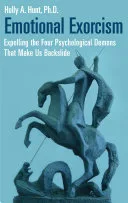
Emotional Exorcism
 71
71

Emotional Exorcism
Holly A. Hunt's Emotional Exorcism, first published in 2009, attempts to provide a research-backed framework for overcoming persistent negative emotions. The core idea of identifying and "expelling" psychological "demons" is compelling, offering a more active stance than passive acceptance. Hunt’s focus on avoiding self-blame when backsliding occurs is a significant strength, acknowledging the reality of the struggle. However, the "demons" themselves, while named, can sometimes feel like archetypes rather than deeply specific psychological constructs, potentially leaving some readers wanting more granular detail. The passage discussing the "demon of Perfectionism" provides a clear example of how the model functions, illustrating the practical application of Hunt's theories. Ultimately, the book offers a useful, albeit sometimes generalized, toolkit for those actively seeking to confront their internal struggles without succumbing to shame.
📝 Description
71
Published in 2009, Emotional Exorcism by Holly A. Hunt Ph.D. offers a structured method for confronting negative emotions.
Emotional Exorcism by Holly A. Hunt Ph.D. presents a structured approach to confronting and releasing persistent negative emotional states. It moves beyond superficial coping mechanisms to address the underlying psychological "demons" that contribute to recurring distress. The work offers practical methodologies, rooted in research, for individuals struggling with feelings of sadness, anxiety, anger, or addictive tendencies.
This book is for anyone experiencing chronic emotional difficulties that impede personal growth and well-being. It is particularly relevant for individuals who feel stuck in negative patterns of behavior and thought, finding themselves repeatedly "backsliding" into old habits. Those seeking scientifically informed tools for emotional self-mastery will find value here.
The central thesis revolves around identifying and dislodging what Hunt terms the "Four Psychological Demons." These are not literal entities but rather powerful, ingrained patterns of negative thought and behavior that act as obstacles to emotional freedom. The book provides a model for understanding how these "demons" manifest and offers actionable strategies for their expulsion, emphasizing self-compassion rather than self-recrimination during the process.
Published in 2009, Emotional Exorcism emerged during a period when the integration of psychological research with self-help methodologies was gaining momentum. While the field of psychotherapy was already diverse, Hunt's work specifically targeted the common experience of relapse into negative states, offering a framework distinct from purely behavioral or purely cognitive approaches. Its focus on naming and expelling specific "demons" aligns with a broader trend in popular psychology to demystify and empower individuals. The book's approach, while framed in psychological terms, touches on themes common in spiritual traditions that address inner obstacles and the process of purification.
💡 Why Read This Book?
• Learn a research-grounded method for confronting and releasing the "Four Psychological Demons" that contribute to emotional backsliding, as detailed in the book's core framework. • Gain practical tools to address persistent sadness, anxiety, anger, or addictive behaviors without resorting to self-criticism, a key principle emphasized by Dr. Hunt. • Understand the concept of "emotional exorcism" as a process of active expulsion, offering a distinct approach compared to passive coping strategies first published in 2009.
⭐ Reader Reviews
Honest opinions from readers who have explored this book.
❓ Frequently Asked Questions
What are the "Four Psychological Demons" mentioned in Emotional Exorcism?
Emotional Exorcism identifies four primary psychological "demons": Perfectionism, Self-Doubt, Anger, and Addiction. Dr. Hunt presents these as ingrained patterns that hinder emotional progress and offers strategies for their expulsion.
Is Emotional Exorcism based on scientific research?
Yes, the book is described as research-grounded, offering a model and tools developed with a basis in psychological studies. Dr. Holly Hunt Ph.D. developed this approach.
What is the main goal of "emotional exorcism" as described by Holly A. Hunt?
The goal is to help individuals expel persistent negative emotions and psychological patterns without self-recrimination, enabling them to overcome distress and avoid backsliding into old habits.
When was Emotional Exorcism first published?
Emotional Exorcism by Holly A. Hunt Ph.D. was first published on June 30, 2009.
Who would benefit most from reading this book?
Individuals struggling with chronic sadness, anxiety, anger, or addictive behaviors, and those who frequently find themselves "backsliding" into negative habits, would find this book particularly helpful.
Does the book offer ways to deal with self-doubt?
Yes, the book specifically addresses "Self-Doubt" as one of the "Four Psychological Demons." It provides strategies to confront and overcome this pattern.
🔮 Key Themes & Symbolism
The Four Psychological Demons
The central concept is the identification and expulsion of four specific "demons": Perfectionism, Self-Doubt, Anger, and Addiction. These are presented not as literal entities but as deeply ingrained psychological patterns that cause individuals to "backslide" into negative behaviors and emotional states. Hunt's model provides a framework for understanding how these patterns operate and offers practical steps for dislodging them, moving beyond mere symptom management to address root causes.
Self-Compassion in Healing
A crucial element of Emotional Exorcism is the emphasis on avoiding self-recrimination when facing setbacks. Hunt advocates for a compassionate approach to personal growth, recognizing that "backsliding" is a common part of the process. This perspective aims to reduce shame and foster a more sustainable path to emotional well-being, allowing readers to learn from their experiences rather than be demoralized by them.
Research-Grounded Self-Help
The book positions itself as a scientifically informed guide, distinguishing it from purely anecdotal or spiritual self-help literature. By grounding its methodologies in research, Emotional Exorcism seeks to provide readers with reliable and effective tools for psychological self-mastery. This approach appeals to those who seek practical, evidence-based strategies for managing their emotional lives.
Active Expulsion of Negative Patterns
Rather than focusing solely on coping or managing negative emotions, the book promotes an active "exorcism" of detrimental psychological patterns. This implies a decisive and intentional process of dislodging these "demons." The work provides readers with actionable techniques designed to actively dismantle these obstacles to emotional freedom and personal development.
💬 Memorable Quotes
Direct passages from the work, attributed to the author.
“Expelling the Four Psychological Demons That Make Us Backslide.”
— This subtitle captures the book's core promise: a systematic method to overcome recurring negative patterns without self-blame, fostering lasting emotional freedom.
“Offers all those in emotional distress a new way to face one's demons and banish them once and for all.”
— This highlights the book's aim to provide a decisive and empowering approach for individuals suffering from persistent emotional pain, suggesting a path to permanent resolution.
“Overcome our problems without beating up on ourselves for backsliding to negative habits.”
— This emphasizes the crucial aspect of self-compassion within Hunt's methodology, recognizing that relapses are common and advocating for a supportive, rather than punitive, approach to healing.
“A powerful, research-grounded model and tools.”
— This signifies that the book's strategies are not merely theoretical but are intended to be practical and effective, backed by empirical evidence and designed for real-world application.
“Face one's demons and banish them once and for all.”
— This evocative phrase underscores the active, confrontational, and ultimately liberating nature of the process described in the book, promising a definitive end to recurring emotional struggles.
🌙 Esoteric Significance
Tradition
While not strictly aligned with a single esoteric lineage like Hermeticism or Kabbalah, Emotional Exorcism draws upon the broader Western psychological and self-help tradition that often incorporates symbolic language. Its concept of "demons" can be seen as a modern, psychological interpretation of archetypal "shadow" figures or negative spiritual influences found in various occult traditions, recontextualized within a therapeutic framework.
Symbolism
The core symbolism lies in the "Four Psychological Demons" themselves. These act as potent metaphors for internal struggles: Perfectionism (the unattainable ideal), Self-Doubt (the inner critic), Anger (unprocessed rage or frustration), and Addiction (compulsive escape). "Exorcism" serves as a symbol of active expulsion and liberation from these binding internal forces, suggesting a decisive confrontation rather than passive endurance.
Modern Relevance
The work's emphasis on actively confronting and dislodging negative patterns without self-blame speaks to contemporary therapeutic modalities that prioritize self-compassion and behavioral change. Concepts similar to Hunt's "demons" appear in modern mindfulness practices and cognitive restructuring techniques, which also aim to identify and reframe unhelpful thought patterns and behaviors.
👥 Who Should Read This Book
• Individuals struggling with recurring patterns of sadness, anxiety, or anger who feel "stuck" in their emotional state. • Readers seeking practical, research-based tools to address addictive behaviors and overcome the tendency to "backslide" into old habits. • Those who appreciate a direct, metaphorical approach to psychological challenges and prefer active strategies for self-improvement over passive coping.
📜 Historical Context
Published in June 2009, Emotional Exorcism emerged during a period of significant public interest in self-help and personal development, often blending psychological principles with accessible language. The early 21st century saw a proliferation of books aiming to explain complex psychological issues for a lay audience. While contemporary figures like Brene Brown were exploring vulnerability and shame, and authors like Mark Manson would later gain traction with a more direct, sometimes contrarian, approach, Hunt's work carved a niche by framing emotional struggles as "demons" to be actively "exorcised." This framing, while potentially metaphorical, offered a distinct angle compared to purely cognitive behavioral therapy (CBT) models or more introspective psychodynamic approaches prevalent at the time. The work's emphasis on research grounding positioned it against more esoteric or purely anecdotal self-help guides.
📔 Journal Prompts
Reflect on the "demon" of Perfectionism and its specific manifestations in your life since 2009.
Identify a recent instance of "backsliding" into a negative habit and analyze the role of Self-Doubt.
How can the concept of "emotional exorcism" be applied to releasing persistent anger?
Explore the connection between Addiction and the "Four Psychological Demons" in your personal experience.
What personal "demons" do you believe Holly A. Hunt Ph.D. would identify based on your current challenges?
🗂️ Glossary
Emotional Exorcism
A process described by Holly A. Hunt Ph.D. for actively expelling persistent negative psychological patterns or "demons" that cause emotional distress and recurring negative habits.
Four Psychological Demons
The core concept identifying four primary patterns of negative thought and behavior: Perfectionism, Self-Doubt, Anger, and Addiction, which hinder emotional well-being.
Backsliding
The act of reverting to old, negative habits or emotional states after making progress towards healing or self-improvement, a key phenomenon addressed in the book.
Perfectionism
One of the "Four Psychological Demons"; an ingrained pattern characterized by setting impossibly high standards and experiencing distress when they are not met.
Self-Doubt
Another of the "Four Psychological Demons"; a persistent lack of confidence in one's own abilities, worth, or judgment, often leading to inaction or anxiety.
Addiction
Presented as one of the "Four Psychological Demons"; compulsive engagement in behaviors or use of substances despite harmful consequences, often as an escape mechanism.
Research-Grounded
Indicates that the methodologies and tools presented in the book are based on scientific research and empirical evidence, rather than solely on anecdote or intuition.