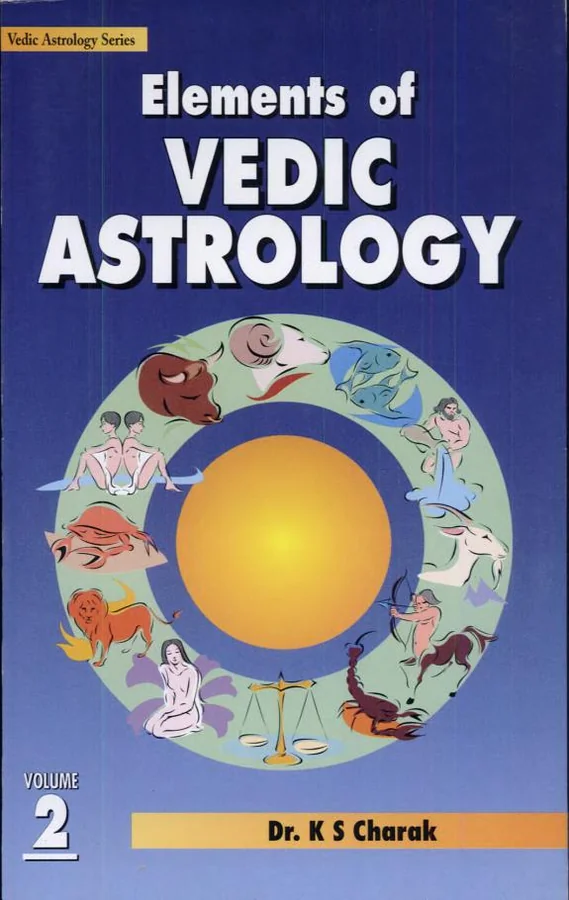
Elements of Vedic Astrology
 78
78

Elements of Vedic Astrology
K. S. Charak’s 'Elements of Vedic Astrology' provides a solid, if somewhat dry, foundation in Jyotish. Unlike many contemporary astrological texts that prioritize dramatic pronouncements, Charak’s approach is scholarly and measured. The strength lies in its clear exposition of fundamental principles, particularly the detailed breakdown of the Dasha systems and the nuanced discussion of yogas. A notable passage is its explanation of how the Navamsa chart modifies the interpretation of the main birth chart, offering a crucial layer of detail often glossed over. However, the book’s limitation is its lack of illustrative case studies; real-world examples would significantly enhance the reader's ability to apply the theoretical knowledge. Despite this, it serves as a dependable primer for serious students of the subject. It is a functional guide for understanding the mechanics of Vedic astrology.
📝 Description
78
First published in 1996, K. S. Charak's Elements of Vedic Astrology offers a systematic introduction to Jyotish.
This book provides a structured entry into Jyotish, the traditional Indian system of astrology. Charak's work aims to make the core principles and techniques of Vedic astrology understandable for those new to the subject, as well as for those with some existing knowledge. It concentrates on the essential ideas that form the basis of astrological interpretation within the Vedic tradition.
Elements of Vedic Astrology is suited for individuals who want a methodical way to learn this system. It is a resource for students of comparative spiritual systems, practitioners who wish to use astrological understanding in their spiritual work, and anyone interested in the astrological frameworks that have influenced South Asian cultures. The book's organized approach is helpful for readers preparing to study more specialized texts.
Published in 1996, this book arrived as interest in Eastern spiritual systems grew globally. Following the spread of yoga and meditation practices, attention turned to related fields like Vedic astrology. Charak's text offered a specific approach within a context where Western astrology was more common. Its appearance encouraged wider engagement with Jyotish as a distinct interpretive system, separate from Western astrological traditions.
💡 Why Read This Book?
• Gain a structured understanding of the 9 planets (Grahas) and 12 signs (Rashis) as presented in Vedic astrology, moving beyond generalized planetary archetypes to specific Jyotish correlations. • Learn the mechanics of the Vimshottari Dasha system, a unique planetary period calculation crucial for timing events in Vedic astrology, offering predictive accuracy. • Comprehend the function of the Navamsa (D9) chart and its essential role in assessing marital harmony and deeper destiny, a concept central to comprehensive Jyotish analysis.
⭐ Reader Reviews
Honest opinions from readers who have explored this book.
❓ Frequently Asked Questions
What distinguishes Vedic astrology from Western astrology?
Vedic astrology, or Jyotish, primarily uses the sidereal zodiac, which aligns with the fixed stars, whereas Western astrology typically employs the tropical zodiac, based on the seasons. Jyotish also places significant emphasis on planetary periods (Dashas) and specific yogas.
Who is K. S. Charak and what is his contribution to Vedic astrology?
K. S. Charak is a recognized author and practitioner in the field of Vedic astrology. His work, including 'Elements of Vedic Astrology' (first published 1996), is noted for its systematic and comprehensive approach to teaching Jyotish principles.
What is the significance of the Navamsa chart in Vedic astrology?
The Navamsa chart, also known as the D9 chart, is considered a miniature or divisional chart in Vedic astrology. It is crucial for understanding marital relationships, inner strengths, and the ultimate unfolding of one's destiny, offering a deeper layer of interpretation.
What are 'Dashas' in Vedic astrology?
Dashas are planetary periods, a unique system in Vedic astrology used to predict the timing of events. The Vimshottari Dasha system, one of the most common, calculates specific periods ruled by planets throughout a person's life.
Is 'Elements of Vedic Astrology' suitable for absolute beginners?
Yes, the book is designed to introduce the fundamental concepts of Vedic astrology systematically. It explains core elements like planets, signs, and houses, making it accessible for those new to Jyotish, though a consistent study is recommended.
What are 'Yogas' in the context of Vedic astrology?
Yogas are specific combinations of planets within a birth chart that indicate particular strengths, weaknesses, or life events. The book explains how these planetary arrangements, such as Raja Yogas or Dhana Yogas, influence an individual's destiny.
🔮 Key Themes & Symbolism
Planetary Influences (Grahas)
The text meticulously details the nature and effects of the nine classical planets (Surya, Chandra, Mangala, Budha, Guru, Shukra, Shani, Rahu, Ketu) within the Vedic astrological framework. It explores their manifestation not only in the birth chart (Rashi chart) but also how they operate during their specific Dasha periods. Understanding the Grahas is presented as foundational to interpreting any astrological chart, guiding practitioners on how to analyze their inherent qualities and potential impacts on different life areas.
The Dasha System
A central to Vedic astrological prediction is the Dasha system, which outlines the sequence of planetary periods governing an individual's life. 'Elements of Vedic Astrology' focuses significantly on the Vimshottari Dasha, explaining its calculation based on the birth star (Nakshatra). This system is crucial for timing events and understanding the waxing and waning influences of planets throughout a lifetime, providing a framework for astrological forecasting.
Divisional Charts (Vargas)
Beyond the primary birth chart, Vedic astrology utilizes numerous divisional charts (Vargas) to examine specific areas of life in greater detail. The book highlights the paramount importance of the Navamsa (D9) chart, particularly for assessing marital compatibility, inner disposition, and the potential for spiritual growth. It explains how these subsidiary charts offer a refined perspective, complementing the main chart's interpretation.
Yogas and Planetary Combinations
The concept of Yogas, or specific planetary configurations, is central to understanding the destiny indicated in a Vedic horoscope. Charak's work elaborates on various types of Yogas, such as those indicating wealth (Dhana Yogas), status (Raja Yogas), or challenges. Learning to identify and interpret these combinations allows for a more nuanced understanding of the unique potentials and challenges presented by an individual's birth chart.
💬 Memorable Quotes
Direct passages from the work, attributed to the author.
“The Grahas are the active agents of karma.”
— This succinctly captures the Vedic astrological view that planets are not mere symbols but dynamic forces influencing the unfolding of one's destiny and karmic patterns.
“The Navamsa chart reveals the strength and character of the planets as they truly are.”
— This highlights the profound significance of the D9 chart in Vedic astrology, suggesting it offers a deeper, more authentic assessment of planetary influences beyond the surface-level indications of the main birth chart.
“Dashas indicate the periods when specific karmic fruits ripen.”
— This interpretation emphasizes the predictive power of the Dasha system, framing it as a mechanism that delineates the timing for the manifestation of past actions (karma) in an individual's life.
“A yoga is a specific planetary combination that yields a particular result.”
— This straightforward definition underscores the importance of recognizing patterns within the birth chart, as specific planetary arrangements are believed to directly correlate with distinct life outcomes or potentials.
“The Ascendant (Lagna) is the doorway through which the cosmos enters the native's life.”
— This metaphorical description emphasizes the critical role of the Ascendant in Vedic astrology, positioning it as the primary point of entry for all planetary influences and the foundation of personality and life experiences.
🌙 Esoteric Significance
Tradition
Rooted firmly in the Vedic tradition, this work aligns with the ancient Indian system of Jyotish, which is considered one of the six Vedangas (auxiliary limbs of Vedic knowledge). It draws upon millennia of astrological observation and philosophical interpretation, linking celestial movements to karmic cycles and human destiny as understood within Hinduism. The book adheres to the principles of the Sidereal zodiac and emphasizes concepts like karma, dharma, and moksha as they relate to astrological configurations.
Symbolism
Key symbols include the Grahas (planets), each representing specific energies and archetypes derived from Hindu mythology and cosmology. The Rashis (zodiac signs) are symbolic divisions of the sky, each imbued with characteristics reflecting natural elements and psychological tendencies. The Bhavas (houses) symbolize distinct areas of life experience, from self and relationships to career and spirituality, providing a framework for mapping celestial influences onto human existence.
Modern Relevance
Contemporary practitioners and scholars of Jyotish continue to reference K. S. Charak's foundational work. Its systematic approach makes it a valuable resource for modern students seeking to understand the core mechanics of Vedic astrology without relying solely on fragmented online information or less rigorous texts. Thinkers and astrologers interested in comparative astrology or integrating Vedic principles into psychological or spiritual counseling find its clear exposition of concepts like Dashas and Vargas particularly useful.
👥 Who Should Read This Book
• Students of Comparative Astrology: Individuals seeking to understand the differences and similarities between Jyotish and Western astrological systems will benefit from its clear presentation of Vedic principles. • Aspiring Jyotish Practitioners: Those beginning their formal study of Vedic astrology can use this book as a structured curriculum to grasp fundamental concepts like planets, signs, houses, and Dashas. • Spiritual Seekers Exploring Destiny: Readers interested in how ancient Indian traditions interpret karma and destiny through celestial mapping will find its explanations of yogas and Vargas insightful.
📜 Historical Context
Published in 1996, 'Elements of Vedic Astrology' arrived during a significant period of Western engagement with Eastern philosophical traditions. The latter half of the 20th century saw a surge in interest in yoga, meditation, and Indic religions, creating fertile ground for the study of Jyotish. Charak's work offered a structured, scholarly counterpoint to more esoteric or popularized astrological texts available at the time. It contributed to the growing academic and popular recognition of Vedic astrology as a distinct and complex system, separate from its Western tropical counterpart. While figures like K. N. Rao were also publishing influential works on Jyotish around this time, Charak’s book focused on providing a clear, foundational exposition, making the principles accessible to a broader audience seeking systematic knowledge.
📔 Journal Prompts
The influence of the Grahas: How might understanding the 'active agents of karma' alter your perception of daily challenges?
Reflecting on Dashas: Consider the concept of 'periods when specific karmic fruits ripen'; how does this framework apply to your life stage?
The Navamsa's deeper truth: How does the idea that the 'Navamsa chart reveals the strength and character of the planets as they truly are' challenge your self-understanding?
Interpreting Yogas: Explore the potential meaning of specific planetary combinations and their role in shaping life outcomes.
The Ascendant as a doorway: How does viewing the Lagna as the 'doorway through which the cosmos enters the native's life' change your perspective on your birth chart?
🗂️ Glossary
Jyotish
The traditional Indian system of astrology, derived from Sanskrit words meaning 'light' or 'celestial body'. It is considered a Vedanga, or auxiliary discipline of Vedic knowledge.
Graha
Literally 'seizer' or 'planet' in Vedic astrology. Refers to the seven classical planets (Sun to Saturn) plus the lunar nodes (Rahu and Ketu), understood as active influences on earthly life.
Rashi
The twelve zodiacal signs used in Vedic astrology, corresponding to the Sidereal zodiac. Each Rashi has distinct characteristics and influences.
Bhava
A house in the astrological chart, representing a specific area of life experience such as self, family, career, or spirituality. There are typically 12 Bhavas.
Dasha
A system of planetary periods used in Vedic astrology to time life events. The Vimshottari Dasha is the most commonly used system.
Navamsa (D9)
A divisional chart in Vedic astrology, calculated by dividing each Rashi into nine equal parts. It is particularly important for assessing marriage, relationships, and inner disposition.
Yoga
A specific combination or formation of planets within a birth chart that produces a particular result or influence on the native's life.
This book appears in 1 collection
🔮 Readers Also Liked
Browse all →








From the “Vedic Astrology” Collection
View all →









More Free Astrology & Cosmology Books
View all →