Drugs
 77
77

Drugs
R. R. Pinger's "Drugs" (1997) offers a welcome departure from standard pharmacological texts by insisting on the social and cultural dimensions of substance use. The author's commitment to organizing the material around how drugs function *in society*, rather than solely *in the body*, is its signal strength. This provides a valuable lens for understanding prevention and intervention strategies beyond mere biological responses. However, the book sometimes struggles to fully elaborate on the esoteric or metaphysical implications hinted at by its placement within the Esoteric Library's collection. For instance, the discussion of 'holistic health' feels more aligned with general wellness discourse than with deeper esoteric traditions. A more sustained engagement with how altered states of consciousness, induced by various substances, might interface with spiritual or mystical exploration would have elevated its contribution to the esoteric field. Nevertheless, its structured approach to societal drug dynamics remains a solid contribution.
📝 Description
77
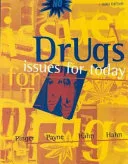
R. R. Pinger's "Drugs," published in 1997, presented a framework for psychoactive substances beyond biochemistry.
This 1997 book by R. R. Pinger offers an alternative way to understand psychoactive substances. It moves past a simple biochemical or pharmacological view. Instead, the book examines how drugs fit into social structures and personal belief systems. It aims for a complete picture, looking at the psychological, social, and cultural sides of drug use and misuse. The goal is to give readers a full understanding of prevention, intervention, and treatment approaches.
The text is for students and professionals who want a wider context for talking about drug use. It appeals to those interested in how substances affect society, not just their physical effects. People in sociology, public health, psychology, and comparative studies of human behavior will find its structure useful for analyzing drug issues from different viewpoints.
Published in the late 1990s, "Drugs" appeared when public health discussions about substance abuse were changing. While medical and psychological models were common, Pinger's work connects with a growing interest in social factors of health and how culture shapes health habits. The book's focus on societal use patterns contrasts with the more clinical views common then, like disease models.
Within occult philosophy, Pinger's "Drugs" stands apart by examining psychoactive substances not merely as chemical agents but as elements deeply woven into the fabric of consciousness and societal ritual. It acknowledges the historical and cultural roles drugs have played in altered states of perception and spiritual practices. The book's approach suggests that understanding these substances requires looking beyond their mundane effects to their potential to alter consciousness, a common area of inquiry in esoteric traditions concerned with the nature of reality and human experience.
💡 Why Read This Book?
• Gain a framework for analyzing drug use through societal integration rather than solely biochemical reactions, as presented in the book's societal-use-focused organization. • Understand prevention and intervention strategies that consider the psychological and cultural influences on drug behavior, moving beyond purely medical models. • Explore the concept of 'holistic health' as it pertains to substance use, by examining how societal factors intersect with individual well-being.
⭐ Reader Reviews
Honest opinions from readers who have explored this book.
❓ Frequently Asked Questions
What is the primary focus of R. R. Pinger's 'Drugs'?
The book's primary focus is on understanding drug use and abuse through a societal and holistic health lens, emphasizing how drugs function within society rather than solely how they interact with the human body.
When was R. R. Pinger's 'Drugs' first published?
R. R. Pinger's 'Drugs' was first published in 1997.
Who is the author of 'Drugs'?
The author of 'Drugs' is R. R. Pinger.
What are the main areas covered regarding drug use in the book?
The book covers the fundamentals of prevention, intervention, and treatment, organized with a clearer, more logical structure that emphasizes societal use.
What kind of organization does the book use for its subject matter?
It uses an organization that emphasizes how drugs are used in society, offering a distinct perspective compared to texts focusing solely on the body's reaction.
What is the overall approach to health presented in the book?
The book introduces a holistic health approach as it relates to drug use and abuse, considering broader social and psychological factors.
🔮 Key Themes & Symbolism
Societal Integration of Drugs
This theme explores how psychoactive substances become embedded within cultural practices, social rituals, and economic systems. Pinger's work moves beyond individual pathology to examine the collective role drugs play in society. It suggests that understanding drug use requires analyzing its function within social structures, influencing everything from community norms to individual identity formation. The emphasis is on the 'how' and 'why' drugs are utilized across different groups and contexts, rather than a purely clinical breakdown of their effects.
Holistic Health and Substance Use
The book posits a model of holistic health where well-being is intrinsically linked to one's relationship with psychoactive substances. This approach integrates psychological, social, and environmental factors into the assessment of drug use and abuse. It argues that effective prevention, intervention, and treatment must address the whole person within their complex environment, rather than focusing solely on the physiological impact of drugs. This perspective encourages a broader understanding of health outcomes.
Logic of Prevention and Intervention
Pinger reconfigures the logic behind drug prevention and intervention strategies. By prioritizing societal context, the book suggests more effective approaches can be developed. The emphasis shifts from purely deterrent or abstinence-based models to strategies that acknowledge and work with the realities of drug use within communities. This involves understanding the motivations, societal pressures, and cultural meanings associated with substance use to foster more sustainable and impactful interventions.
Comparative Drug Models
The work implicitly or explicitly engages in a comparison between different models for understanding drugs. It contrasts its societal-focused, holistic approach with more traditional biomedical or pharmacological frameworks. This comparative element is crucial for highlighting the limitations of narrow perspectives and advocating for a more comprehensive, multi-faceted understanding of drug phenomena. It encourages readers to question existing paradigms and consider alternative analytical tools.
💬 Memorable Quotes
Direct passages from the work, attributed to the author.
“drugs are used in society rather than how drugs work with the body”
— This expresses the book's core thesis: shifting the analytical focus from internal physiology to external social dynamics and cultural integration of psychoactive substances.
“fundamentals of prevention, intervention and treatment”
— These three pillars form the practical application of the book's theoretical framework, suggesting that effective strategies must be rooted in a societal understanding of drug use.
“holistic health as it relates to drug use and abuse”
— This highlights the book's aim to connect individual well-being with broader social and environmental factors concerning substance consumption.
“clearer, more logical organization”
— Refers to the book's structural departure from traditional scientific texts, prioritizing a societal-use framework for enhanced comprehension.
“introduction focusing on holistic health”
— Indicates the book's foundational role in presenting a comprehensive view of health that encompasses more than just physical states, especially regarding drugs.
🌙 Esoteric Significance
Tradition
While not explicitly rooted in a single esoteric lineage, "Drugs" can be seen as engaging with themes relevant to Hermeticism and Gnosticism, particularly concerning the nature of perception, altered states, and the relationship between the material world and inner experience. Its holistic approach reflects the Hermetic principle of 'As Above, So Below,' suggesting that societal structures reflect and influence individual consciousness. The work departs from traditional esoteric focus on ritual or direct spiritual ascent, instead examining how psychoactive substances, often viewed as tools for altering consciousness, intersect with societal norms.
Symbolism
Within the context of holistic health and societal function, the 'drug' itself can be interpreted symbolically. It represents a force that alters perception and consciousness, capable of both integration and disruption within a social or personal system. The book's organization, prioritizing societal use, symbolically elevates the collective consciousness and cultural context over the individual's biological response. This framing suggests that the true 'work' is understanding how these substances are woven into the fabric of human experience and societal evolution.
Modern Relevance
Contemporary discussions on harm reduction, the therapeutic potential of psychedelics, and the social equity of drug policy resonate with Pinger's societal-focused framework. Thinkers and practitioners exploring the intersection of consciousness studies, public health, and social justice find value in its emphasis on context. The book's approach provides a foundational perspective for understanding how cultural attitudes and societal structures shape our relationship with psychoactive substances, influencing modern research into entheogens and addiction treatment.
👥 Who Should Read This Book
• Students of sociology and cultural studies seeking to understand the social construction of drug use and its impact on community dynamics. • Public health professionals interested in developing intervention strategies that account for psychological, social, and environmental factors beyond purely medical models. • Individuals exploring alternative perspectives on addiction and well-being who wish to move beyond conventional, body-centric explanations of substance abuse.
📜 Historical Context
Published in 1997, R. R. Pinger's "Drugs" emerged in an era where the 'War on Drugs' was a significant policy and cultural force in the United States. While medical and psychological approaches dominated mainstream discourse on addiction, often framed through disease models championed by figures like Dr. Alan Leshner, then Director of the National Institute on Drug Abuse, Pinger's work offered a counter-narrative. The book's emphasis on societal integration and holistic health aligns with nascent interdisciplinary studies that began examining social determinants of health and the cultural construction of illness. It provided a perspective distinct from the biologically reductionist or purely criminal justice-oriented responses common at the time, contributing to a more nuanced academic conversation about substance use and its broader implications.
📔 Journal Prompts
Societal integration of drugs: How does the perceived 'use' of a substance shape its impact?
Holistic health in the context of drug use: Reflect on the interplay between personal, social, and environmental factors.
Prevention logic: Analyze a societal drug use pattern and propose an intervention based on its context.
Comparative drug models: Contrast the societal framework with a purely biological explanation for a specific substance.
The body versus society: Evaluate the implications of Pinger's organizational choice for understanding addiction.
🗂️ Glossary
Holistic Health
An approach to health that considers the entire person—mind, body, and spirit—within their social and environmental context, emphasizing interconnectedness and balance.
Societal Integration
The process by which a phenomenon, such as drug use, becomes incorporated into the norms, practices, and structures of a society.
Prevention
Strategies and measures designed to stop drug use from occurring or to avert the onset of drug-related problems.
Intervention
Actions taken to modify the course of drug use or its consequences, often involving support, counseling, or treatment.
Treatment
Medical or psychological programs and therapies aimed at helping individuals overcome drug dependence or abuse.
Psychoactive Substances
Chemicals that affect the brain, leading to changes in mood, perception, consciousness, cognition, and behavior.
Body-Centric Model
An approach that primarily focuses on the biological and physiological effects of drugs on the human body.