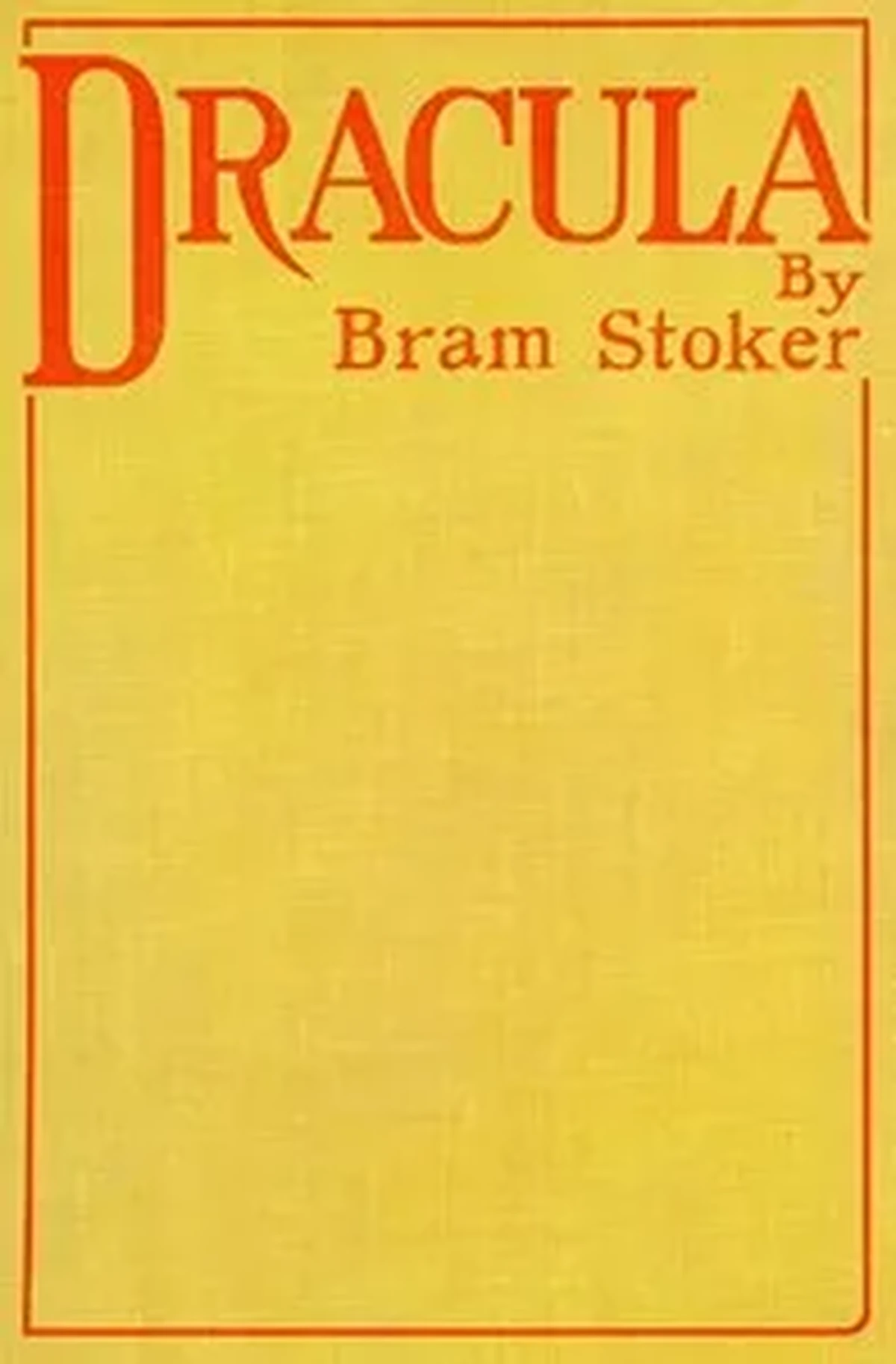
Dracula
 81
81

Dracula
Stoker's *Dracula* remains a foundational text in Gothic literature, its enduring power stemming from the palpable dread it evokes rather than explicit gore. The portrayal of Count Dracula, a figure of immense age and alien power, offers a compelling study in the corruption of primal energies. One particular strength lies in the epistolary format, which fragments narrative and amplifies suspense, allowing the reader to piece together the unfolding horror. However, the novel occasionally falters in its character development beyond the central antagonist; characters like Jonathan Harker can feel more like archetypes than fully realized individuals. The depiction of Van Helsing, while iconic, sometimes leans into pronouncements that feel more like Victorian certainty than nuanced understanding. Despite these minor limitations, the work's exploration of contagion, ancient evil, and the encroachment of the foreign on the domestic provides enduring thematic richness.
📝 Description
81
Bram Stoker's 1897 novel *Dracula* examines vampirism as a metaphor for psychic predation and corrupted immortality.
While often categorized as Gothic horror, Bram Stoker's 1897 novel *Dracula* offers fertile ground for esoteric interpretation. The narrative goes beyond a simple monster story, engaging with themes of ancient lineage, forbidden knowledge, and the blurred line between life and death. Count Dracula's existence, which spans centuries and draws power from primal forces, invites analysis. This examination can consider vampirism as a metaphor for psychic predation or a twisted form of eternal life. The novel is suitable for readers interested in the occult underpinnings of Western literature, those who look for hidden meanings and symbolism in classic fiction, and students of folklore, comparative mythology, or the occult revival movements active in the late 19th century. These movements often sought to reinterpret ancient myths and archetypes within a new framework.
Published in 1897, *Dracula* appeared during a time of significant European interest in the supernatural and esoteric philosophies. The late Victorian period saw the rise of Spiritualism, Theosophy, and various occult societies. Stoker, who was connected to literary figures of the time, was part of a culture where ancient myths, Eastern religions, and psychic phenomena were seriously discussed. The novel captures this cultural mood, merging Gothic traditions with contemporary anxieties about societal decline, foreign influence, and the uncanny. It explores the vampire not just as a nocturnal creature but as a symbol of aristocratic decay and a perversion of natural law. Count Dracula represents an ancient, elemental force tied to his native Transylvania, wielding both physical and psychic power, including mesmerism and control over animals.
Published in 1897, *Dracula* emerged during a period of intense European interest in the supernatural and esoteric philosophies. The late Victorian era witnessed the rise of Spiritualism, Theosophy, and various occult orders. Stoker's literary circle was exposed to a milieu where ancient myths, Eastern religions, and psychic phenomena were subjects of serious discussion. The novel reflects this cultural atmosphere, blending Gothic tradition with contemporary anxieties about degeneration, foreign influence, and the uncanny. It taps into a wider interest in reinterpreting ancient myths and archetypes, a common practice within occult revival movements of the time.
💡 Why Read This Book?
• Gain insight into the late 19th-century fascination with ancient bloodlines and aristocratic decay, as exemplified by Count Dracula's lineage originating from "Attila the Hun" and his ancient Transylvanian roots. • Understand vampirism as a metaphor for psychic energy drain and the seductive nature of forbidden knowledge, as Dracula's influence spreads through hypnotic suggestion and the corruption of innocence. • Explore the anxieties surrounding foreign influence and the uncanny, particularly the "invasion" narrative that mirrors late Victorian fears, as Dracula’s arrival in England challenges established societal norms.
⭐ Reader Reviews
Honest opinions from readers who have explored this book.
❓ Frequently Asked Questions
When was Bram Stoker's Dracula first published?
Bram Stoker's novel *Dracula* was first published in 1897, during a period of significant interest in the supernatural and occult.
What is the primary setting for Count Dracula's origins?
Count Dracula's origins are deeply tied to his ancestral castle in the Carpathian Mountains of Transylvania, a region steeped in folklore and ancient history.
How does the novel explore themes of good versus evil?
The novel pits the forces of ancient, primal evil embodied by Dracula against a coalition of rational men and women who employ science, faith, and folk knowledge to combat him.
What literary techniques does Stoker use to build suspense?
Stoker employs an epistolary format, using diaries, letters, and newspaper clippings to create a fragmented, immediate sense of unfolding horror and suspense.
Are there connections between Dracula and historical figures?
While fictional, Stoker drew inspiration for the name Dracula from Vlad III Dracula, also known as Vlad the Impaler, a 15th-century Wallachian prince infamous for his cruelty.
How does the novel address the concept of immortality?
The novel presents vampirism as a dark, corrupted form of immortality, achieved through unholy means and resulting in a parasitic existence rather than true eternal life.
🔮 Key Themes & Symbolism
The Vampire as Archetype
Count Dracula transcends the typical monster; he is an embodiment of ancient, untamed power and a perversion of life itself. His existence, spanning centuries and drawing sustenance from the living, invites interpretation as a symbol of primal instincts, aristocratic decay, or a corrupted form of immortality. Stoker's portrayal taps into deep-seated archetypal fears of the predatory Other, one that drains life force and corrupts innocence. The Count's connection to his native Transylvania and the soil itself further anchors him as an elemental force, representing the enduring power of ancient lineages and the uncanny.
Contagion and Corruption
The novel powerfully explores the concept of contagion, both literal and spiritual. Dracula's vampirism is a disease that spreads through bite and blood, infecting victims and turning them into extensions of his will. This physical contagion mirrors a deeper spiritual corruption, where the Count's influence insidiously infiltrates the lives and minds of his victims, eroding their will and sanity. The fear of the foreign 'other' arriving on English shores and spreading this 'disease' reflects late Victorian anxieties about immigration and societal degeneration, making the theme of contagion resonate on multiple levels.
The Struggle Against Primal Forces
Fundamentally, , *Dracula* depicts a conflict between modern, rational society and ancient, primal forces. Dr. Van Helsing and his companions represent the forces of science, faith, and collective action arrayed against the individual, terrifying power of the Count. The narrative questions whether conventional understanding and technology are sufficient to combat such an ancient evil, often requiring a reliance on folklore, superstition, and sheer will. This struggle highlights the enduring presence of the irrational and the uncanny within the supposedly ordered world.
Forbidden Knowledge and Immortality
Dracula's vampirism can be viewed as a dark pursuit of immortality, a state achieved not through spiritual enlightenment but through unholy pacts and the violation of natural laws. His vast age grants him immense knowledge, but it is a knowledge steeped in darkness and predatory instinct. The narrative suggests that such a state is a perversion, offering endless existence at the cost of one's soul and humanity. The pursuit of this forbidden, deathless state is a central element of his horrifying allure and power.
💬 Memorable Quotes
Direct passages from the work, attributed to the author.
“The very character of the Count is the embodiment of ancient evil, a force that predates modern civilization.”
— This interpretation highlights Dracula's immense age and his connection to primal, untamed forces, suggesting he represents a form of malevolence that rational society struggles to comprehend or contain.
“The narrative structure itself, composed of fragmented documents, mirrors the fractured state of the protagonists' understanding and sanity.”
— This observation focuses on the epistolary technique and its effect, suggesting the novel's form actively contributes to the sense of unease and the characters' struggle to grasp the terrifying reality.
“Transylvania is depicted not just as a place, but as a source of ancient, potent energy from which Dracula draws his strength.”
— This interpretation emphasizes the geographical and elemental connection of Dracula to his homeland, framing his power as rooted in the deep, perhaps supernatural, forces of that ancient land.
“Vampirism is presented as a contagion, a dark force that spreads and corrupts, threatening the very fabric of society.”
— This interpretation focuses on the theme of contagion, viewing vampirism as a metaphor for societal disease or corruption that infiltrates and destroys from within.
💡 Key Ideas
Editorial paraphrase of the work's core concepts — not direct quotes.
His power extends beyond the physical, encompassing a hypnotic influence that preys on the minds of the vulnerable.
This paraphrased concept emphasizes the psychic and mesmeric aspects of Dracula's abilities, portraying him as a manipulator who exploits psychological weaknesses to achieve his aims.
🌙 Esoteric Significance
Tradition
While not explicitly tied to a single esoteric lineage, *Dracula* speaks to Gnostic themes of a fallen, corruptible world and the struggle against an ancient, malevolent Demiurge-like entity. The Count's unnatural existence and his ability to corrupt others echo Gnostic ideas of spiritual contamination. Furthermore, the novel engages with the broader Western esoteric tradition's fascination with immortality, blood as a life force (akin to Qabalistic concepts of 'shefa' or divine flow, here perverted), and the shadow self, exploring the dark potential of the life-force itself when divorced from divine order.
Symbolism
The castle itself, particularly Dracula's ancestral seat in the Carpathians, functions as a symbol of ancient power, isolation, and the primal unconscious from which the Count draws his strength. Blood is a paramount symbol, representing not just life, but an unholy, eternal life force when appropriated by the vampire, a perversion of spiritual sustenance. The wolf and bat transformations are potent symbols of Dracula's connection to instinctual, predatory forces and his ability to transcend human limitations through unnatural means, embodying the raw, untamed aspects of existence.
Modern Relevance
Contemporary occult practitioners and scholars of Western esotericism continue to draw upon *Dracula*. The novel is often analyzed through the lens of shadow work, exploring the archetypal shadow self and its seductive, destructive potential. Its themes of psychic vampirism—the draining of energy and will by individuals—remain relevant in modern discussions of psychological manipulation and toxic relationships. Furthermore, the exploration of ancient power structures and the uncanny resonance of old bloodlines continues to inform discussions within certain Neo-Pagan and Traditionalist circles.
👥 Who Should Read This Book
• Students of comparative mythology and folklore: To analyze the evolution of the vampire myth and its connections to ancient archetypes of the undead and predatory beings. • Practitioners of Western Esotericism: To examine the novel's symbolic representations of corrupted immortality, psychic energy, and the shadow aspects of the human psyche. • Literary critics and Gothic fiction enthusiasts: To understand *Dracula*'s foundational role in horror literature and its engagement with late Victorian social and psychological anxieties.
📜 Historical Context
Bram Stoker's *Dracula*, published in 1897, emerged from the fertile soil of late Victorian England, a period marked by a burgeoning interest in the occult, spiritualism, and the darker aspects of human psychology. The era saw the rise of figures like Madame Blavatsky and the Theosophical Society, alongside a general fascination with folklore, ancient myths, and the potential for unseen forces influencing the material world. Stoker, a theatre manager and friend of Oscar Wilde, was part of a literary milieu where such topics were openly discussed. While Gothic horror had established precedents, *Dracula* tapped into contemporary anxieties about foreign immigration, racial degeneration, and the perceived decay of aristocratic power. The novel arrived at a time when science was making great strides, yet a significant undercurrent of belief in the supernatural persisted, creating a fertile ground for tales that blurred the lines between rational explanation and uncanny dread. Its reception was initially modest, but its thematic resonance with anxieties surrounding the foreign 'other' and the seductive nature of forbidden power ensured its lasting impact.
📔 Journal Prompts
Dracula's ancient lineage and connection to the soil of Transylvania.
The symbolic meaning of blood and contagion within the narrative.
Jonathan Harker's initial perceptions versus his later terror in Castle Dracula.
Van Helsing's blend of scientific knowledge and folk superstition.
The recurring motif of sleep and its vulnerability to Dracula's influence.
🗂️ Glossary
Epistolary Novel
A novel told through a series of letters, diary entries, newspaper clippings, or other documents. This format creates a sense of immediacy and allows for multiple perspectives.
Gothic Horror
A literary genre characterized by elements of terror, mystery, supernatural events, and often set in ancient, decaying castles or mansions.
Vampirism
In folklore and fiction, the practice of a dead or undead being rising from the grave to drink the blood of the living, often associated with immortality and contagion.
Transylvania
A historic region in Romania, famously associated with vampire legends, particularly Bram Stoker's Count Dracula, often depicted as a remote and mysterious land.
Mesmerism
A pseudoscientific practice involving a trance-like state induced by suggestion, often associated with hypnosis and psychic influence, which Dracula employs.
The Uncanny
A psychological concept describing something that is strangely familiar yet foreign, evoking feelings of unease, dread, or the unsettling.
Vlad the Impaler
A 15th-century Wallachian prince (Vlad III Dracula) known for his extreme cruelty and use of impalement as a method of execution, who served as an inspiration for Stoker's character.
🔮 Readers Also Liked
Browse all →








More by Bram Stoker
All books →





More Free Occult Philosophy Books
View all →