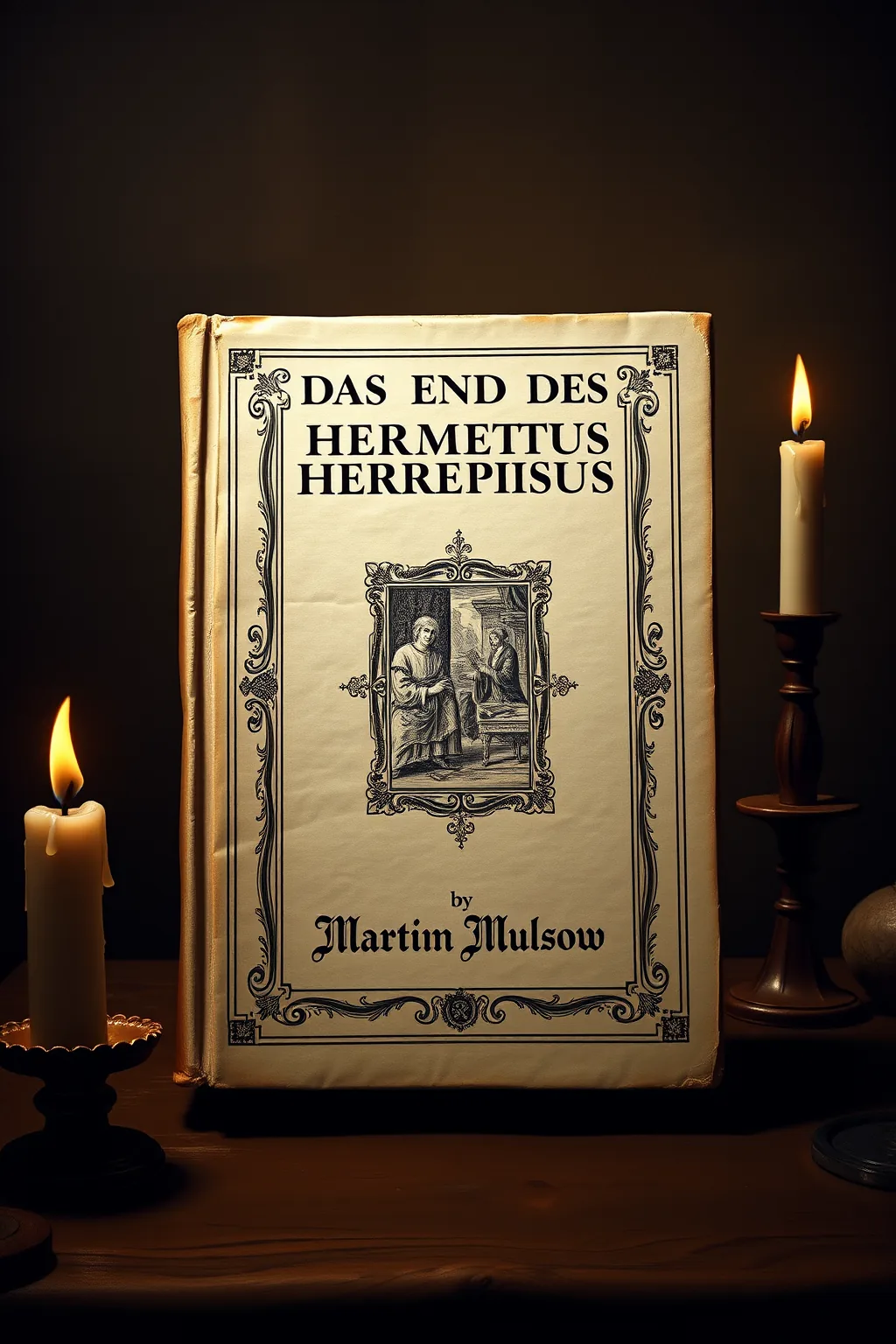
Das Ende des Hermetismus: historische Kritik und neue Naturphilosophie in der Sp atrenaissance
 61
61

Das Ende des Hermetismus: historische Kritik und neue Naturphilosophie in der Sp atrenaissance


Review by Lorelei Sage (Contemplative Literature Editor) — Martin Mulsow's 'Das Ende des Hermetismus' is a masterful examination of the hermetic tradition's decline and transformation during the late Renaissance. Mulsow's scholarly approach is both rigorous and evocative, making it an invaluable resource for those interested in the esoteric and mystical currents of this period. The book's strength lies in its ability to demystify complex hermetic concepts while highlighting their enduring relevance. Scholars of Renaissance philosophy will find it particularly enlightening, while spiritual seekers will appreciate the book's deep dive into the symbolic language of hermeticism. Mulsow's work is a must-read for anyone seeking to understand the hidden knowledge that has shaped Western thought.
📝 Description
61
Martin Mulsow's 2009 work examines the decline of Hermeticism in the late Renaissance.
In 'Das Ende des Hermetismus,' Martin Mulsow investigates the critical reassessment of Hermetic philosophy during the late Renaissance. He shows how figures like Giordano Bruno and others began to question the traditional hermetic worldview, shifting towards new forms of natural philosophy. The book traces this transition, detailing how the perceived limitations of ancient wisdom prompted a move toward empirical observation and new cosmological models. Mulsow highlights the intellectual ferment of the period, where established esoteric traditions faced challenges from emerging scientific and philosophical currents.
The study analyzes the historical critique of texts attributed to Hermes Trismegistus and the subsequent intellectual consequences. It details how this reevaluation contributed to the formation of a modern understanding of nature, distinct from the magical and astrological frameworks of earlier eras. The book demonstrates that this period was not simply a rejection of the old, but a complex process of adaptation and innovation that laid groundwork for future scientific thought.
This book engages with the intellectual history of Western esotericism, specifically the decline of the Hermetic tradition in the late 16th and early 17th centuries. It examines how the authority of ancient texts, once central to understanding the cosmos and humanity's place within it, began to erode. The work situates this shift within the broader context of the Renaissance and the early Scientific Revolution, showing how new methods of inquiry and changing philosophical assumptions altered the perception and role of hermetic ideas.
💡 Why Read This Book?
Read 'Das Ende des Hermetismus' to gain a deeper understanding of the esoteric traditions that have influenced modern philosophy and science. This book is ideal for seekers, scholars, and practitioners of the occult who are interested in the hermetic and alchemical symbolism of the Renaissance. Mulsow's insights provide a unique perspective on the mystical underpinnings of this era, making it an essential read for those who wish to explore the hidden knowledge and symbolic language that have long captivated the imagination.
⭐ Reader Reviews
Honest opinions from readers who have explored this book.
❓ Frequently Asked Questions
What is the main focus of 'Das Ende des Hermetismus'?
The book focuses on the decline of hermeticism and the emergence of new philosophical and scientific ideas during the late Renaissance, with an emphasis on the esoteric and mystical dimensions of this transition.
Who is the intended audience for this book?
The intended audience includes scholars of Renaissance philosophy, spiritual seekers, and practitioners of the occult who are interested in the hermetic and alchemical traditions.
What makes this book significant for modern readers?
The book provides valuable insights into the hidden knowledge and symbolic language of the Renaissance, offering a deeper understanding of the esoteric traditions that continue to influence contemporary thought.
How does Mulsow's work contribute to the study of hermeticism?
Mulsow's work demystifies complex hermetic concepts and highlights their enduring relevance, making it an essential resource for scholars and seekers of the occult.
Is this book suitable for beginners in the study of esoteric traditions?
While the book is highly informative, it is best suited for those with some prior knowledge of Renaissance philosophy and hermeticism, as it delves deeply into complex esoteric themes.
🔮 Key Themes & Symbolism
The Decline of Hermeticism
Mulsow explores the waning influence of hermeticism during the late Renaissance, examining how this esoteric tradition was challenged by emerging scientific and philosophical ideas. The book explores the mystical symbolism and hidden knowledge that characterized this period, offering a unique perspective on the transition from hermetic thought to modern science.
Symbolic Language of the Renaissance
The book explores the symbolic language of the Renaissance, revealing how hermetic and alchemical symbols were used to convey hidden knowledge. Mulsow's analysis provides a deeper understanding of the esoteric traditions that have long captivated the imagination, making it an essential read for those interested in the mystical dimensions of this era.
New Philosophical and Scientific Ideas
Mulsow's work highlights the emergence of new philosophical and scientific ideas during the late Renaissance, exploring how these developments were influenced by the esoteric and mystical traditions of the time. The book offers a wide range of insights into the hidden knowledge and symbolic language that shaped the intellectual range of the Renaissance.
💡 Key Ideas
Editorial paraphrase of the work's core concepts — not direct quotes.
The hermetic tradition, once a clear source of hidden knowledge, began to fade as new philosophical and scientific ideas emerged.
This passage underscores the shift from esoteric traditions to modern thought during the Renaissance.
Symbolism was the language of the mystics, conveying hidden truths that eluded the uninitiated.
This quote highlights the importance of symbolic language in the esoteric traditions of the Renaissance.
The late Renaissance was a time of transition, where the mystical and the scientific began to intertwine.
This passage reflects the complex interplay between esoteric and scientific thought during this period.
Mulsow's work explains the hermetic tradition, revealing its enduring relevance in contemporary thought.
This quote emphasizes the book's significance for modern readers interested in the esoteric traditions of the Renaissance.
The decline of hermeticism was not a sudden event, but a gradual process influenced by new philosophical and scientific ideas.
This passage provides insight into the complex transition from hermetic thought to modern science.
🌙 Esoteric Significance
Tradition
This book belongs to the Hermetic tradition, looking at the mystical and esoteric underpinnings of the late Renaissance. It explores the hidden knowledge and symbolic language that defined this era, providing a deeper understanding of the hermetic and alchemical symbolism that has long captivated the imagination.
Symbolism
Key symbols in this book include alchemical emblems and hermetic sigils, which convey hidden truths and mystical insights. These symbols were used by the initiates of the esoteric traditions to communicate knowledge that was inaccessible to the uninitiated, making them an essential part of the book's exploration of the mystical dimensions of the Renaissance.
Modern Relevance
This book's exploration of the Hermetic tradition remains relevant today, as modern practitioners continue to draw on the hidden knowledge and symbolic language of the Renaissance. The insights provided by Mulsow's work offer a unique perspective on the esoteric traditions that have influenced contemporary thought, making it an essential read for those interested in the mystical allure of the Renaissance.
👥 Who Should Read This Book
Beginners in the study of esoteric traditions may find this book challenging, as it delves deeply into complex themes. However, scholars of Renaissance philosophy and spiritual seekers will find it highly informative and enlightening. Practitioners of the occult will appreciate the book's deep dive into the hermetic and alchemical symbolism of the Renaissance, while those interested in the mystical dimensions of this era will find it an essential resource for understanding the hidden knowledge that has shaped Western thought.
📜 Historical Context
The late Renaissance was a time of profound intellectual and spiritual transformation, marked by the decline of hermeticism and the emergence of new philosophical and scientific ideas. Martin Mulsow's 'Das Ende des Hermetismus' explores this period, highlighting the esoteric and mystical dimensions of the transition. The book provides valuable insights into the hidden knowledge and symbolic language that characterized this era, offering a deeper understanding of the esoteric traditions that have long captivated the imagination. Mulsow's work is an essential resource for scholars and seekers of the occult, providing a unique perspective on the mystical underpinnings of the Renaissance.
📔 Journal Prompts
Reflect on the decline of hermeticism during the late Renaissance and its impact on modern thought.
How did the symbolic language of the Renaissance convey hidden knowledge and mystical insights?
What role did alchemical and hermetic symbols play in the esoteric traditions of the Renaissance?
Consider the transition from hermetic thought to modern science during the late Renaissance.
How does Mulsow's exploration of the Hermetic tradition remain relevant in contemporary thought?
🗂️ Glossary
Hermeticism
An esoteric tradition based on the writings of Hermes Trismegistus, emphasizing hidden knowledge and mystical insights.
Alchemy
An ancient practice that combines elements of chemistry and mysticism, aiming to transform base metals into gold and achieve spiritual enlightenment.
Sigil
A symbol or seal used in magical rituals to represent a specific intention or entity.
Esoteric
Relating to knowledge that is intended for a small, select group of people, often involving mystical or occult themes.
Symbolic Language
A system of symbols used to convey hidden truths and mystical insights, often employed in esoteric traditions.
This book appears in 3 collections
🔮 Readers Also Liked
Browse all →








More by Martin Mulsow
All books →
From the “Hermetic Philosophy” Collection
View all →








More Free Alchemy & Hermeticism Books
View all →