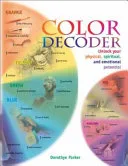
Color Decoder
 83
83

Color Decoder
Dorothye Parker's "Color Decoder" offers a refreshingly direct approach to understanding the psychological and spiritual implications of color. Unlike many texts that abstract color theory into inaccessible jargon, Parker grounds her analysis in tangible observations: the clothes we choose, the rooms we decorate. The book's strength lies in its extensive cataloging of individual hues, providing specific personality traits and desires linked to each. A notable passage details the specific energetic signature of teal, describing it as a bridge between emotional depth and intellectual clarity – a nuanced interpretation often overlooked. However, the work occasionally feels overly prescriptive; while the connections drawn are often insightful, the definitive pronouncements on destiny might feel limiting to readers seeking more fluid interpretations. The full-color illustrations, while visually appealing, sometimes distract from the text rather than enhancing it. Despite this, "Color Decoder" serves as a useful, accessible reference for those wishing to explore color's role in self-discovery.
📝 Description
83
Dorothye Parker's 2001 book, Color Decoder, connects personal identity to the language of color.
Published in 2001, Color Decoder examines the symbolic meanings of colors and their connection to personal identity and destiny. Parker suggests that our color choices, whether in clothing, surroundings, or personal preferences, are not random. Instead, they act as indicators of our internal state, hidden desires, and potential life paths. The book includes full-color illustrations that further demonstrate the visual aspects of color's significance. This guide is for anyone interested in applying color theory beyond simple aesthetics. It appeals to those seeking self-discovery through symbolic interpretation, and to individuals curious about how their environment and personal appearance might reveal their inner world. Readers engaged in esoteric studies, personal development, or alternative psychology will find particular value, as will artists, designers, and therapists interested in color's psycho-spiritual effects.
Color Decoder emerged in the early 21st century, a period that continued the late 20th century's interest in occultism and New Age thought. The book builds upon historical explorations of color symbolism, such as Johann Wolfgang von Goethe's 1810 "Theory of Colours," which emphasized color's subjective and psychological impact. Parker's work fits within a trend of accessible guides to esoteric concepts, often drawing from Jungian psychology's focus on archetypes and symbolism, alongside older traditions of chromotherapy and mystical color correspondences. It situates itself within a lineage that views color as a significant element in understanding the human psyche and spiritual path.
💡 Why Read This Book?
• Learn specific personality traits and hidden desires associated with your favorite colors, as detailed in Parker's analysis of hues like "emerald green" and "royal blue." • Discover how the colors you wear and your living spaces act as indicators of your destiny, offering practical insights beyond conventional self-help. • Gain a deeper appreciation for color's psycho-spiritual impact by understanding its symbolic language, a practice echoed in ancient chromotherapy traditions.
⭐ Reader Reviews
Honest opinions from readers who have explored this book.
❓ Frequently Asked Questions
What is the primary purpose of Dorothye Parker's Color Decoder?
The book aims to reveal readers' personalities, desires, and destinies through the analysis of colors they wear and live with. It provides an in-depth look at each color's symbolic meaning.
When was Color Decoder first published?
Color Decoder was first published in 2001, placing it within early 21st-century esoteric literature that sought to make symbolic systems accessible.
Does Color Decoder offer practical advice on using color?
Yes, by understanding the meanings associated with different colors, readers can make more informed choices about personal presentation and environment to align with their inner states.
Is Color Decoder suitable for beginners in esoteric studies?
Absolutely. The book is written in an accessible style, making complex color symbolism understandable for those new to esoteric concepts or self-discovery through symbolism.
What makes the illustrations in Color Decoder unique?
The book features full-color illustrations designed to visually represent the symbolic and psychological qualities of each color discussed, enhancing the reader's understanding.
How does Color Decoder relate to historical color symbolism?
It draws upon and expands a long tradition of color interpretation, offering modern, personalized applications of symbolism that has been explored for centuries in various cultures and spiritual practices.
🔮 Key Themes & Symbolism
Color as Personal Oracle
The central thesis of Color Decoder is that personal color choices function as a sophisticated oracle, offering direct insight into one's psyche and future. Parker posits that the colors we are drawn to, whether in clothing, home decor, or even preferred foods, are not random preferences but intentional expressions of our inner landscape. This perspective reframes everyday aesthetic decisions as meaningful communications from the subconscious. The book meticulously details how specific hues correlate with distinct personality archetypes, emotional states, and karmic lessons, suggesting that by understanding these color-language correspondences, individuals can gain profound self-awareness and guidance for their life path.
Chromatic Manifestation and Destiny
Color Decoder explores the concept of 'chromatic manifestation,' suggesting that colors possess inherent energies that can influence reality and shape destiny. Parker argues that consciously choosing and utilizing specific colors can help individuals align themselves with desired outcomes, attract certain experiences, or overcome specific challenges. This extends beyond personal aura or mood; the book implies a dynamic interplay between the individual's energetic field and the vibrational frequencies of colors in their environment. By decoding the messages within these colors, readers are empowered to actively participate in the creation of their personal destiny, moving from passive recipients to active co-creators.
The Psychology of Hue
Parker explores the psychological impact of each color, drawing parallels between ancient symbolism and modern understanding of human behavior. The work analyzes how different wavelengths of light, when perceived, trigger specific emotional and cognitive responses. For instance, certain blues might be linked to calm and introspection, while vibrant oranges could stimulate creativity and social interaction. This section of the book provides a practical framework for understanding why certain colors evoke particular feelings or associations, offering readers tools to consciously manage their emotional states and enhance their well-being through strategic color application in their daily lives.
Color Correspondences and Archetypes
A significant aspect of Color Decoder involves establishing specific correspondences between colors and universal archetypes or personality structures. Each color is presented not just as a shade but as a symbolic representation of distinct energies, roles, or stages of development. This approach echoes Jungian psychology's exploration of archetypes, suggesting that colors tap into collective unconscious patterns. The book provides a framework for identifying which archetypal energies an individual might be embodying or seeking to integrate, using color as the primary symbolic language for this exploration of the self and its potential.
💬 Memorable Quotes
Direct passages from the work, attributed to the author.
“The colors you choose to wear are a proclamation of your inner self, often before a single word is spoken.”
— This statement highlights the book's core premise: that clothing color is a powerful, non-verbal form of self-expression and communication, revealing aspects of personality and intention.
“The desire for deep blues often indicates a yearning for emotional depth and spiritual understanding.”
— This interpretation points to the book's method of linking color preferences to underlying psychological needs and aspirations, such as the search for meaning.
“Living spaces painted in earth tones foster grounding, while vibrant accents can stimulate creative energy.”
— This statement reflects the book's practical advice on using color in one's environment to influence well-being and personal energy levels.
💡 Key Ideas
Editorial paraphrase of the work's core concepts — not direct quotes.
Every shade carries a unique vibration, influencing not only your mood but the very fabric of your destiny.
This quote emphasizes the energetic aspect of color, suggesting that hues possess distinct frequencies that actively shape personal experience and life trajectory.
Yellow is the color of intellect, but beware; too much can lead to scattered thoughts rather than clarity.
This paraphrased concept illustrates how the book offers nuanced interpretations, acknowledging both the positive attributes and potential pitfalls associated with specific colors.
🌙 Esoteric Significance
Tradition
Color Decoder fits within the broad stream of Western esoteric traditions that assign symbolic meaning to natural phenomena, including light and color. While not strictly aligned with a single lineage like Hermeticism or Theosophy, it draws upon a general understanding of vibrational energy and correspondences found in many mystical systems. Its emphasis on personal revelation through color echoes Gnostic ideas of hidden knowledge and self-discovery. The work departs from purely academic or purely religious interpretations by focusing on practical, individual application for personal growth and destiny alignment, making it a contemporary manifestation of esoteric principles.
Symbolism
Key symbols in Color Decoder include individual colors themselves, each acting as a complex symbol. For instance, the color 'red' symbolizes not just passion but also primal energy, courage, and potential aggression. 'Blue' represents calm, intuition, and communication, but also melancholy if unbalanced. 'Green' signifies growth, healing, and balance, often associated with the heart chakra. The book interprets these colors as symbols for specific personality traits, desires, and life lessons, functioning as a symbolic language to decode the self and one's path.
Modern Relevance
In contemporary esoteric and wellness circles, Color Decoder's principles remain relevant. Its focus on color psychology is echoed in modern chromotherapy practices, mindfulness techniques that utilize color visualization, and even in branding and design psychology. Thinkers and practitioners in fields like energy healing, intuitive development, and personal coaching often incorporate color analysis into their methodologies. The work's direct approach to decoding personal meaning through everyday elements like clothing speaks to a modern desire for accessible, actionable tools for self-understanding and spiritual development.
👥 Who Should Read This Book
• Individuals seeking to understand their subconscious desires and personality traits through a unique symbolic lens, particularly those interested in esoteric psychology. • Personal development enthusiasts looking for practical, non-traditional methods to gain self-awareness and guide life decisions, moving beyond standard psychological frameworks. • Creatives, artists, and designers who wish to deepen their understanding of color's emotional and spiritual impact, applying these insights to their work and personal lives.
📜 Historical Context
Dorothye Parker's "Color Decoder," published in 2001, emerged during a period of sustained interest in self-help and esoteric spirituality, building upon the New Age movements of the preceding decades. This era saw a proliferation of accessible guides exploring ancient wisdom for modern application. Color symbolism itself has a long and varied history, with figures like Johann Wolfgang von Goethe publishing "Theory of Colours" in 1810, offering a more subjective, psychological view of color perception distinct from the purely scientific approach of Newton. Parker's work can be seen as part of a lineage that includes chromotherapy pioneers and color theorists who explored the psycho-spiritual effects of hues. It appeared in a landscape where comparative mythology, Jungian psychology's archetypes, and practical occultism were widely explored, offering a specific, actionable system for understanding personal symbolism through the ubiquitous medium of color.
📔 Journal Prompts
Your dominant personal color and its implications for your current life path.
A situation where a color choice felt intuitively 'right' or 'wrong'.
The meaning behind the colors you most frequently wear.
How the colors in your immediate environment affect your mood and energy.
Colors you are drawn to that represent aspirations or unfulfilled desires.
🗂️ Glossary
Chromatic Manifestation
The concept that colors possess energetic properties capable of influencing reality, mood, and personal destiny when consciously utilized or incorporated into one's environment.
Color Correspondences
Specific associations between individual colors and particular personality traits, emotions, archetypes, or life lessons, as detailed within the book.
Destiny
In the context of Color Decoder, destiny refers to the potential life path and set of experiences indicated by one's inherent nature and color symbolism, which can be understood and influenced.
Esoteric
Relating to or dealing with the occult, mystical, or supernatural. In this context, it refers to the hidden symbolic meanings and spiritual applications of color.
Oracle
A source of divine or prophetic guidance. Here, personal color choices function as an oracle, revealing hidden aspects of the self and potential future.
Vibration
The energetic frequency attributed to colors, believed to influence psychological states, emotional well-being, and the manifestation of experiences.
Hue
A specific color or shade, referring to the pure spectrum colors like red, blue, green, etc., each carrying distinct symbolic weight in the book.