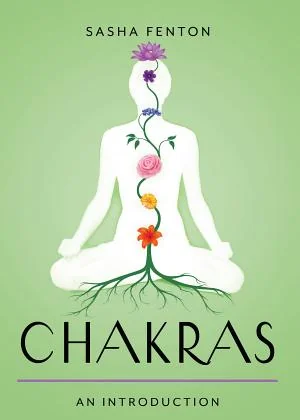
Chakras
 74
74

Chakras
Sasha Fenton’s "Chakras" presents a refreshingly direct approach to a topic often obscured by jargon. Fenton skillfully avoids mystification, offering a plainspoken guide to the seven primary energy centers. The section detailing the specific color associations for each chakra, and their corresponding moods and effects, is particularly well-executed and practically useful. However, the book’s brevity, while an asset for accessibility, sometimes leaves one wishing for deeper exploration of the more complex energetic interdependencies. A more detailed examination of how external environmental factors might impact chakra health, beyond direct personal experience, would have enhanced its scope. Nevertheless, for a foundational understanding and immediate application of chakra balancing techniques, Fenton’s work offers a solid, unpretentious entry point.
📝 Description
74
Sasha Fenton's "Chakras" demystifies the body's seven energy centers in its 2024 publication.
Published in 2024, Sasha Fenton's "Chakras" offers a clear introduction to the body's seven primary energy centers. The book explains these centers as dynamic vortexes of energy important for well-being. It details how emotional, mental, or physical stressors can cause imbalances in these energy centers, leading to various problems. Fenton's work assumes no prior esoteric knowledge, making it suitable for individuals new to energy work or those seeking a straightforward approach to understanding their energetic anatomy.
This guide is for people experiencing unexplained discomfort or those curious about the subtle body. Readers interested in complementary healing, mindfulness, and self-improvement will find its practical advice accessible. The book explains the seven major chakras, their specific physical locations, colors, emotions, and bodily functions. Fenton details the principle of energetic flow and blockages, showing how disruptions can manifest as illness or distress. It also covers the connection between these centers and their collective impact on health and spiritual development.
While "Chakras" was published in 2024, it draws on concepts from ancient Indian traditions, particularly Tantra and yogic philosophy. These ideas have influenced Western esoteric thought since the late 19th century, introduced by figures like Helena Blavatsky. Fenton's work simplifies these complex historical treatments, making them accessible to a contemporary audience familiar with New Age movements, diverging from more academic or dense historical accounts.
💡 Why Read This Book?
• Gain a practical understanding of the seven chakras, learning specific techniques to address blockages or imbalances, as detailed in Fenton’s accessible explanations of each energy center. • Discover the direct relationship between colors and emotional states, a key concept explored in the book, allowing for more conscious use of color in daily life for mood regulation. • Acquire simple, actionable healing methods for emotional, mental, and physical issues stemming from chakra misalignment, providing immediate tools for self-care beyond what general wellness books offer.
⭐ Reader Reviews
Honest opinions from readers who have explored this book.
❓ Frequently Asked Questions
What are the seven major chakras discussed in Sasha Fenton's book?
The book details the seven primary chakras: the Root (Muladhara), Sacral (Svadhisthana), Solar Plexus (Manipura), Heart (Anahata), Throat (Vishuddha), Third Eye (Ajna), and Crown (Sahasrara), explaining their locations and functions.
How does Fenton's 'Chakras' explain emotional problems related to energy centers?
Fenton's work explains that emotional distress arises when chakras are blocked, misaligned, or overly open, disrupting the natural flow of energy and impacting mental and physical well-being.
Are there practical exercises in the book for chakra healing?
Yes, "Chakras" provides simple healing techniques designed to rebalance the energy centers, offering actionable methods for readers to apply in their daily lives for self-improvement.
What is the intended audience for this guide to chakras?
This book is for anyone new to the concept of chakras, seeking a user-friendly and accessible introduction to the body's energy centers and how to maintain their balance.
When was Sasha Fenton's 'Chakras' first published?
Sasha Fenton's "Chakras" was first published on November 4, 2024, making it a recent addition to literature on esoteric subjects.
How does the book connect chakras to physical health?
The work outlines how imbalances in specific chakras can manifest as physical ailments, providing readers with an understanding of the mind-body connection through the lens of energy centers.
🔮 Key Themes & Symbolism
Energy Centers and Balance
The core theme revolves around the seven major chakras as distinct energy vortexes within the body. Fenton emphasizes that maintaining equilibrium among these centers is vital for overall health. The book details how disruptions—whether through emotional stress, mental patterns, or physical ailments—can lead to imbalances, manifesting as various forms of discomfort or illness. It offers a framework for understanding these energetic dynamics and their impact on daily life.
Color Psychology and Mood
A significant aspect explored is the inherent connection between specific colors and human emotions. Each chakra is associated with a particular hue, and Fenton explains how these colors influence our psychological states. Understanding this relationship allows readers to consciously utilize color, whether through visualization, clothing, or environmental factors, to positively affect their mood and energetic balance.
Holistic Healing Techniques
The work presents accessible techniques aimed at healing and rebalancing the chakras. These methods are designed for practical application, addressing emotional, mental, and physical problems that arise from energetic disturbances. The focus is on simple, user-friendly practices that empower individuals to take an active role in their own well-being and spiritual development.
The Subtle Body Anatomy
Fenton introduces readers to the concept of the subtle body, a non-physical energetic system that complements the physical form. The chakras are presented as key components of this system, influencing and being influenced by our thoughts, feelings, and physical experiences. This perspective offers a holistic view of health, integrating the unseen energetic dimensions with tangible aspects of life.
💬 Memorable Quotes
Direct passages from the work, attributed to the author.
“The seven major chakras are spinning vortexes of energy throughout the body.”
— This foundational statement defines the central subject matter, presenting chakras not as static points but as dynamic energetic phenomena integral to our physical and energetic systems.
“Healing arises when the chakras are balanced, not blocked or too open.”
— This highlights the book's practical focus: achieving well-being through energetic equilibrium, offering a clear goal for the reader's self-exploration and healing practices.
“Problems arise when chakras are blocked, misaligned, or too open.”
— This concisely states the core problem the book addresses, setting up the need for understanding and applying the healing techniques presented to restore energetic harmony.
“Chakras affect how people feel emotionally, mentally, and physically.”
— This interpretation emphasizes the pervasive influence of the chakra system on all aspects of human experience, underscoring the importance of their energetic health.
💡 Key Ideas
Editorial paraphrase of the work's core concepts — not direct quotes.
Color and mood are directly related to the energetic state of the chakras.
This paraphrase points to a key explanatory concept within the book, linking the visual spectrum to emotional experience and chakra function, suggesting practical applications for mood management.
🌙 Esoteric Significance
Tradition
The work aligns with the modern Western esoteric tradition that synthesizes Eastern spiritual concepts with psychological and healing practices. While rooted in the yogic and Tantric traditions of India, Fenton's approach is decontextualized from specific religious dogma, focusing instead on the energetic and psychological implications of the chakra system for contemporary well-being.
Symbolism
The primary symbols are the seven chakras themselves, each represented by a lotus flower and associated with specific colors (e.g., red for the Root, blue for the Throat) and Sanskrit names. These symbols function as energetic anchors, representing distinct aspects of consciousness, physical functions, and emotional states within the subtle body.
Modern Relevance
Contemporary practices in mindfulness, energy healing (like Reiki), and holistic psychology frequently draw upon chakra theory. Thinkers and practitioners in these fields often utilize Fenton's accessible presentation to understand and work with subtle energy, making the concepts relevant for modern self-care and therapeutic applications.
👥 Who Should Read This Book
• Beginning students of esoteric philosophy and energy work seeking a clear, foundational introduction to the body's energetic anatomy. • Individuals experiencing emotional, mental, or physical discomfort who are exploring complementary healing modalities beyond conventional medicine. • Wellness practitioners and yoga instructors looking for a straightforward resource to explain chakra concepts to their clients or students.
📜 Historical Context
Sasha Fenton's "Chakras," published in 2024, enters a field long influenced by Eastern spiritual traditions adapted for Western audiences. The concept of subtle energy centers gained significant traction in the West during the late 19th and early 20th centuries, propelled by figures within the Theosophical Society like Helena Blavatsky, who disseminated Indian philosophical concepts. Later, movements associated with the New Age in the latter half of the 20th century further popularized chakra systems, often blending them with Western psychology and alternative healing modalities. Fenton’s work, while contemporary, builds upon this lineage. It simplifies complex esoteric ideas, offering a direct contrast to more academic or dense explorations that might focus on Sanskrit terminology or historical yogic texts. The book’s accessible approach positions it as a guide for a modern readership seeking practical applications, diverging from the more specialized or academically rigorous studies of yogic philosophy that emerged concurrently.
📔 Journal Prompts
Reflect on the color associations for each of the seven chakras and their potential impact on your current mood.
Consider the Sacral chakra's connection to creativity and emotional expression; how might it be influencing your daily life?
Identify a situation where a blocked or misaligned chakra might be contributing to your distress.
Explore the Heart chakra's role in relationships and compassion; what does its energetic state suggest about your connections?
Visualize balancing the energy flow between the Throat chakra and the Third Eye chakra; what insights emerge?
🗂️ Glossary
Chakra
From Sanskrit, meaning 'wheel' or 'vortex'. In esoteric traditions, chakras are understood as centers of spiritual, physical, and emotional energy located along the spine.
Energy Centers
A general term referring to the chakras, understood as focal points where spiritual, physical, and emotional energy converge and interact within the subtle body.
Blockage
An energetic obstruction within a chakra that impedes the natural flow of energy, potentially leading to physical, emotional, or mental distress.
Misaligned
Describes a chakra that is not functioning optimally, either spinning too slowly, too fast, or in an unbalanced manner, disrupting overall energetic harmony.
Too Open
Refers to a chakra that is excessively active or receptive, potentially leading to overwhelm, lack of boundaries, or energy depletion.
Subtle Body
The non-physical energetic system that complements the physical body, comprising elements like chakras, nadis (energy channels), and aura.
Color Therapy
A healing practice that uses the properties of colors to influence mood, energy levels, and overall well-being, often linked to chakra balancing.