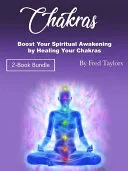
Chakras
 76
76

Chakras
Fred Taylors' "Chakras" presents a straightforward, accessible entry point into a complex subject. The compilation's strength lies in its clear, step-by-step approach to understanding chakra basics, particularly for those entirely new to energy work. The section detailing methods for unblocking chakras and addressing past traumas offers a tangible starting point for self-inquiry. However, the work occasionally borders on oversimplification, particularly when discussing the historical lineage of chakra philosophy. While it mentions the connection to ancient Indian traditions, it doesn't deeply engage with the diverse schools of thought within those traditions or the nuanced interpretations that have evolved over millennia. The claim to provide "necessary tools to uncover the truth" feels ambitious for an introductory text. Taylors' compilation serves as a functional primer, but lacks the depth for advanced practitioners seeking historical or philosophical rigor. It is a competent guide for initial exploration.
📝 Description
76
Fred Taylors's two-book compilation from August 2020 introduces the chakra system.
This collection, first published in August 2020, serves as an introduction to the chakra system. It aims to guide readers through the core principles of these energy centers. The work outlines methods for unblocking chakras, addressing past traumas, and fostering a sense of well-being through the perceived flow of positive energy. It offers practical steps for understanding how these components of spiritual and physical health have been historically explored. The text is designed for individuals new to the concept of chakras and energy work. It is particularly suited for those seeking to understand their own emotional and physical blockages and how they might connect to past experiences. Readers interested in self-healing, energy balancing, and exploring alternative wellness practices will find this a useful resource. Those who feel drawn to concepts of energetic flow and wish to learn basic techniques for self-improvement will benefit.
The book draws upon ancient Indian traditions, specifically the Tantric and Yogic philosophies that first conceptualized chakras. These energy centers have been documented in texts dating back centuries, forming a core component of spiritual practices aimed at achieving higher consciousness and physical vitality. The work acknowledges a long lineage of practitioners and thinkers who have explored these concepts, from early yogis to later Western esotericists like Alice Bailey.
💡 Why Read This Book?
• You will learn practical techniques for identifying and unblocking your chakras, directly applicable to managing stress as presented in Book 1's methods for clearing energy flow. • You will gain an understanding of how past traumas might manifest energetically, providing a framework for self-healing as described in Book 1's focus on healing hidden wounds. • You can begin to connect with the concept of positive energy flow, learning to sense its presence and cultivate it within your own body and spirit, as emphasized throughout the compilation.
⭐ Reader Reviews
Honest opinions from readers who have explored this book.
❓ Frequently Asked Questions
What are the primary benefits of understanding chakras?
Understanding chakras can help identify energetic blockages linked to emotional or physical issues. The work suggests this awareness can facilitate self-healing, promote a sense of well-being, and enhance the flow of positive energy throughout the body and spirit.
Is this book suitable for absolute beginners in metaphysics?
Yes, this compilation is designed as an introductory guide. It covers the basics of chakras, including unblocking them and addressing past traumas, making it accessible for those with no prior knowledge of esoteric concepts.
When was Fred Taylors' 'Chakras' first published?
The compilation 'Chakras' by Fred Taylors was first published on August 18, 2020. This edition combines two distinct books focused on chakra basics and healing.
How does this book address healing past traumas?
The text proposes that past traumas can create blockages within the chakra system. It offers guidance on how to identify these blockages and suggests methods for working through them to achieve emotional and spiritual healing.
What is the core concept of energy flow discussed in the book?
The book emphasizes the importance of positive energy flow through the body and spirit. It suggests that by understanding and unblocking chakras, individuals can allow this energy to move freely, leading to improved vitality and well-being.
Does the book offer specific exercises for chakra unblocking?
Yes, the compilation aims to provide readers with the necessary tools and techniques. It outlines methods for unblocking chakras and encourages readers to feel the positive energy flow as they practice.
🔮 Key Themes & Symbolism
Chakra System Basics
The compilation introduces the fundamental concept of the seven primary chakras, often depicted as energy vortexes aligned along the spine. It details their purported connection to various physical, emotional, and psychological states. The work stresses that understanding these centers is key to recognizing imbalances and initiating personal growth. It presents the chakras not as isolated points, but as an interconnected system integral to overall vitality and spiritual awareness.
Energy Blockages and Healing
A central theme is the idea that emotional wounds, past traumas, and negative experiences can create blockages within the chakra system. These blockages are presented as impediments to the natural flow of vital energy, potentially leading to physical discomfort or emotional distress. The book aims to equip readers with foundational methods to identify these obstructions and begin the process of clearing them, thereby facilitating holistic healing.
Cultivating Positive Energy Flow
The text emphasizes the goal of achieving and maintaining a vibrant flow of positive energy throughout the body and spirit. It suggests that by unblocking the chakras and addressing inner conflicts, individuals can enhance this energetic current. This cultivated flow is presented as a pathway to increased vitality, emotional balance, and a greater connection to one's inner self and the surrounding world.
Self-Discovery and Empowerment
Through exploring the chakra system, the compilation encourages a journey of self-discovery. It posits that by understanding the energetic underpinnings of personal experiences, readers can gain empowerment over their own well-being. The book provides a framework for self-reflection and practical application, aiming to open readers' eyes to the possibilities of personal transformation through energetic awareness and intentional practice.
💬 Memorable Quotes
Direct passages from the work, attributed to the author.
“Unblocking chakras allows you to heal hidden wounds and traumas of the past.”
— This statement highlights the core premise that energetic blockages in the chakras are directly linked to unresolved psychological issues, suggesting a path to liberation through energetic work.
“Feel the positive energy flow through your body and spirit.”
— This is an invitation to cultivate a direct sensory experience of well-being, implying that conscious awareness of this energetic current is a primary goal of chakra practice.
“This book gives you the tools to uncover what people have discovered about chakras.”
— This suggests the work serves as a compilation of established knowledge and techniques related to chakras, aiming to explain the subject for the reader.
“Connect to the elements of nature for energetic balance.”
— This points to an external influence or practice that complements internal chakra work, suggesting a holistic approach to energy management that includes the natural world.
“Open your eyes to the world of possibilities through energy flow.”
— This frames the exploration of chakras and energy as a means of expanding one's perspective and potential, linking energetic health to broader life enhancement.
🌙 Esoteric Significance
Tradition
This work draws from the broad lineage of Indian Tantra and Yoga, which conceptualized chakras as part of a subtle energy body. It aligns with the esoteric interpretation of these systems that gained prominence in the West through Theosophy and later New Age movements. While rooted in ancient traditions, Taylors' approach focuses on practical application for modern self-help, a departure from the more complex philosophical and ritualistic contexts found in original texts.
Symbolism
The primary symbols are the seven chakras themselves, often visualized as lotuses with specific numbers of petals and colors, each corresponding to different psychological and physiological functions. Another key motif is the Sushumna nadi, the central energy channel, representing the axis around which spiritual awakening occurs. The concept of Kundalini energy, often depicted as a coiled serpent at the base of the spine, is implicitly present as the force that awakens and activates the chakras.
Modern Relevance
Taylors' "Chakras" speaks to contemporary practices in mindfulness, energy healing modalities like Reiki, and holistic wellness. It connects with modern therapeutic approaches that acknowledge the mind-body connection. Thinkers and practitioners in fields ranging from alternative medicine to popular psychology often reference chakra concepts for self-improvement and stress reduction, demonstrating the enduring appeal and adaptability of these ancient energetic principles.
👥 Who Should Read This Book
['• Beginners exploring energy work and holistic health who want a clear introduction to the chakra system.', '• Individuals seeking practical methods to address emotional blockages and past traumas through self-guided energetic techniques.', '• Those interested in understanding the foundational concepts of energy flow within the body as a means of promoting well-being.']
📜 Historical Context
Fred Taylors' "Chakras," published in 2020, emerges within a contemporary landscape deeply influenced by New Age spirituality and the popularization of Eastern philosophies in the West. While its immediate publication date places it in the 21st century, its subject matter traces back centuries to the Tantric and Yogic traditions of India. The concept of chakras gained significant traction in Western esoteric circles during the late 19th and early 20th centuries, notably through the Theosophical Society and figures like C.W. Leadbeater and Alice Bailey, who wrote extensively on the subject. These movements sought to synthesize Eastern spiritual concepts with Western occultism and psychology. The work implicitly engages with a lineage that includes figures like Sir John Woodroffe (Arthur Avalon), whose 1918 work "The Serpent Power" was instrumental in introducing Tantric texts, including chakra descriptions, to a Western audience. Taylors' compilation, while accessible, operates within this established stream of esoteric interpretation, making it a modern distillation rather than a radical departure.
📔 Journal Prompts
Reflect on the concept of positive energy flow and its potential impact on your daily life.
Identify potential blockages in your primary chakras based on the descriptions provided.
Consider how past traumas might be influencing your current energetic state.
Explore the connection between physical sensations and energetic imbalances.
How might integrating chakra awareness enhance your self-discovery journey?
🗂️ Glossary
Chakra
From Sanskrit, meaning 'wheel' or 'vortex.' In esoteric traditions, chakras are considered energy centers within the subtle body, typically aligned along the spine, that influence physical, emotional, and spiritual well-being.
Energy Flow
The movement of vital life force or energy (often referred to as Prana or Chi) through the body's energetic channels (nadis). Blocked or stagnant energy flow is believed to cause discomfort or illness.
Unblocking Chakras
A process aimed at clearing obstructions or stagnant energy within the chakra system, believed to restore healthy energy flow and facilitate healing and balance.
Trauma
In this context, refers to past distressing experiences that can create energetic imprints or blockages within the subtle body, potentially affecting emotional and physical health.
Spirit
Referring to the non-physical aspect of a person, encompassing consciousness, emotions, and inner essence, often considered interconnected with the energetic and physical bodies.
Body
Encompassing both the physical form and the subtle energetic system (including chakras and nadis) that supports and animates it.
Elements of Nature
Refers to the fundamental components of the natural world (earth, water, fire, air, ether) that are often symbolically or practically linked to the energies and functions of the chakras.