Ceremonial Magic
 82
82

Ceremonial Magic
Regardie's "Ceremonieal Magic" functions less as a manual and more as a philosophical treatise on the architecture of ritual. His strength lies in articulating magic not as supernatural manipulation, but as a sophisticated system of psychological discipline and symbolic language. The section detailing the construction and purpose of the magical circle, for instance, is particularly lucid, explaining its function as a psychic container and point of focus. However, the work occasionally suffers from a dated prose style that can feel overly academic for some readers. While it meticulously explains the 'why' behind many practices, it assumes a significant prior familiarity with esoteric symbolism, which may leave absolute beginners feeling adrift. Despite this, the book remains a vital corrective to more superficial treatments of the occult, urging a disciplined and intelligent approach.
📝 Description
82
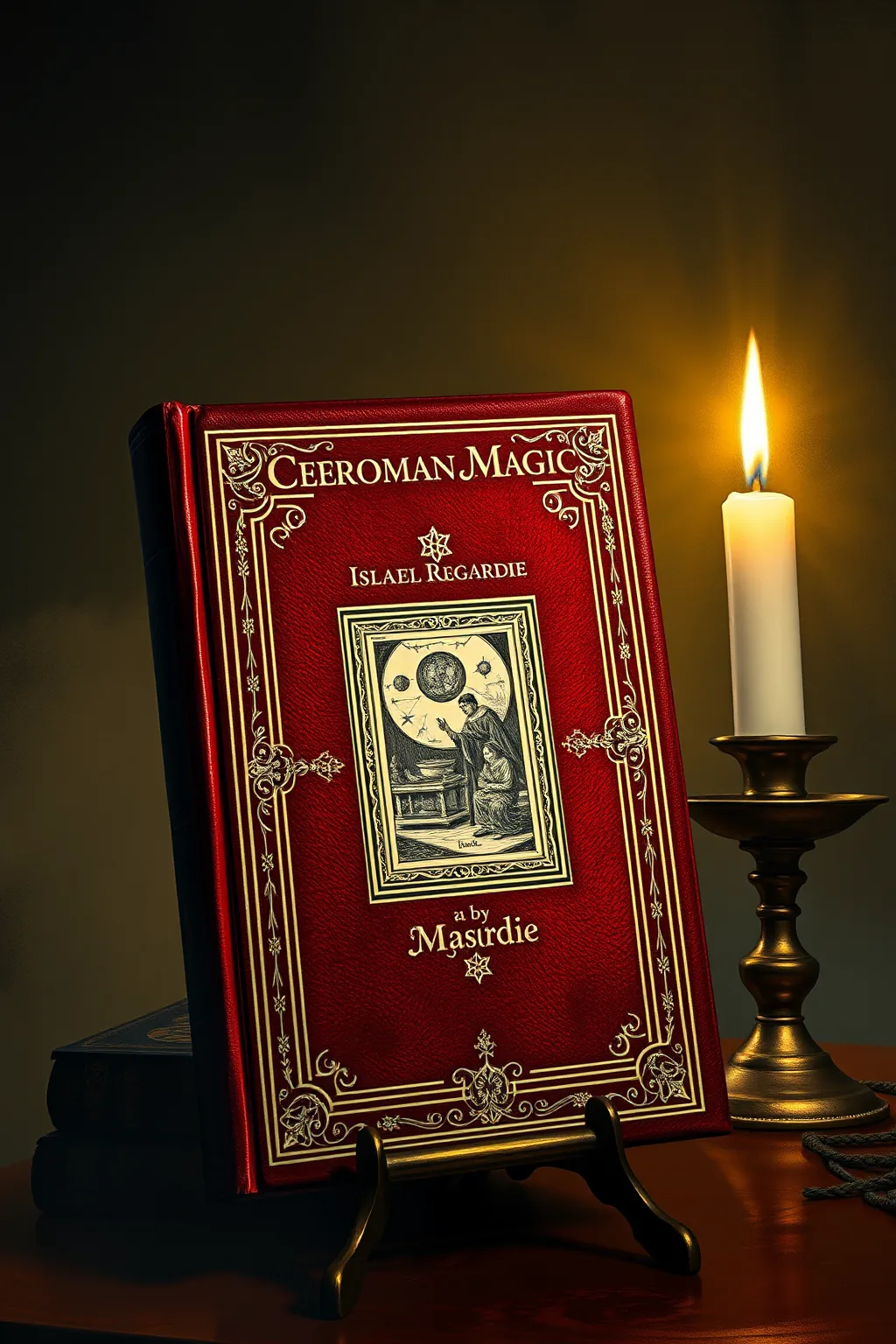
Israel Regardie published "Ceremonial Magic" in 1986, detailing Western ritual practices.
Israel Regardie's "Ceremonial Magic," published in 1986, offers a systematic examination of the principles and practices within Western ceremonial magic. This work is not a collection of spells but a text that dissects the theoretical underpinnings and psychological mechanics of ritual. Regardie treats magic as a discipline requiring intellectual rigor, ethical consideration, and dedicated practice, moving past sensationalized accounts.
This book is for serious students of esotericism interested in the Western magical tradition. It appeals to those seeking a structured understanding of ritual, magic as a psychological technology, and the historical development of occult philosophies. The work is less suited for individuals seeking quick fixes or purely theoretical discussions without practical application.
Regardie grounds the book in Hermeticism and Kabbalah. He emphasizes the role of symbolism in magical operations, defining magic as the science and art of causing change in conformity with Will. Key elements include psychic preparation, the use of divine names and invocations, and the construction of the magical circle. The book also addresses the ethical dimensions and psychological impact of these practices.
Published in 1986, "Ceremonial Magic" emerged during a period of renewed interest in occultism. Regardie, a significant figure from his work with the Golden Dawn, aimed to present a distilled and accessible version of magical theory. The book draws heavily on Hermeticism and Kabbalah, traditions with roots in Renaissance Europe. It positions ceremonial magic as a serious discipline requiring intellectual and practical engagement.
💡 Why Read This Book?
• Learn the fundamental principles of Western ceremonial magic, including the concept of "Will" as defined by Regardie, which distinguishes it from mere wishful thinking. • Understand the psychological underpinnings of ritual practice, as Regardie presents magic as a method for influencing one's consciousness and environment. • Gain insight into the historical lineage of ceremonial magic, particularly its connections to Hermeticism and the Golden Dawn tradition, providing context for its practices.
⭐ Reader Reviews
Honest opinions from readers who have explored this book.
❓ Frequently Asked Questions
What is Israel Regardie's background in ceremonial magic?
Israel Regardie (1907-1985) was a prominent occultist and author, deeply involved with the Hermetic Order of the Golden Dawn. He served as personal secretary to Aleister Crowley and later worked to disseminate Golden Dawn teachings through his writings, including "The Golden Dawn" and "Ceremonial Magic."
What is the primary focus of "Ceremonial Magic"?
The book focuses on the theoretical and psychological aspects of ceremonial magic, explaining its principles, symbolism, and the disciplined approach required for its practice, rather than providing a step-by-step spellbook.
Does "Ceremonial Magic" include practical rituals or spells?
While it discusses the components of ritual and the theory behind magical operations, "Ceremonial Magic" primarily serves as an exposition of principles. It does not offer a compendium of ready-to-perform spells but rather the framework for understanding them.
What esoteric traditions influenced "Ceremonial Magic"?
The work is heavily influenced by Western Esoteric traditions, including Hermeticism, Kabbalah, and the teachings of the Hermetic Order of the Golden Dawn, which Regardie was deeply involved with.
Is "Ceremonial Magic" suitable for absolute beginners in the occult?
It is recommended for serious students who have some foundational knowledge of esoteric concepts. While Regardie aims for clarity, the depth of the subject matter and its reliance on symbolic language may present challenges for those entirely new to the occult.
When was "Ceremonial Magic" first published?
"Ceremonial Magic" was first published in 1986, several years after the author Israel Regardie's passing in 1985.
🔮 Key Themes & Symbolism
Magic as Applied Psychology
Regardie presents ceremonial magic not as supernatural intervention but as a sophisticated system for self-transformation and influencing the psyche. He frames magical operations as techniques for focusing the will, directing psychic energy, and altering consciousness through symbolic action and visualization. This perspective aligns with later psychological theories, positioning magic as a deliberate method for achieving specific psychological states and desired outcomes, grounded in internal discipline rather than external force.
The Power of Symbolism
Central to Regardie's exposition is the indispensable role of symbols in magical practice. He elucidates how symbols, whether drawn from Kabbalah, Hermeticism, or ancient mythologies, serve as conduits for potent ideas and energies. The magical circle, divine names, and ritual implements are not mere props but essential symbolic structures designed to create a sacred space and focus the magician's intent. Understanding these symbols is presented as crucial for effective ceremonial work.
Ethical Will and Discipline
A recurring theme is the concept of the 'True Will,' a guiding principle that demands rigorous self-examination and ethical commitment. Regardie emphasizes that genuine magical attainment requires not only technical skill but also a strong moral compass and unwavering discipline. The pursuit of magic is framed as a path of personal development, where the magician must master their own lower nature before undertaking significant external workings, ensuring that actions align with a higher purpose.
The Golden Dawn's Legacy
The book implicitly and explicitly draws from the teachings of the Hermetic Order of the Golden Dawn, a key organization in the revival of Western esotericism in the late 19th and early 20th centuries. Regardie, having been a member and archivist, distills key elements of its curriculum, including the Neophyte, Zelator, and Theoricus grades, presenting them as foundational steps in understanding magical theory and practice.
💬 Memorable Quotes
Direct passages from the work, attributed to the author.
“Magic is the science and art of causing change to occur in conformity with Will.”
— This foundational definition frames magic as a deliberate, skillful practice aimed at manifesting intent. It emphasizes agency and purpose, moving beyond passive observation or random occurrence.
“The Magical Circle is a place where the operator is safe from interference.”
— This highlights the practical function of the circle in ceremonial magic, not just as a symbolic boundary but as a protective psychic space for focused work.
“Every invocation is a symbol of the whole of Magick.”
— This suggests that the act of calling upon higher powers or archetypes expresses the essence of magical practice – the alignment of the individual will with broader cosmic forces.
“The Great Work is the perfection of the human soul.”
— This interpretation points to the ultimate goal of ceremonial magic, which Regardie viewed as a path of spiritual evolution and self-realization, rather than mere acquisition of powers.
“Symbolism is the language of the Unconscious.”
— Regardie underscores the importance of symbolic representation as a means to communicate with and understand the deeper, non-rational aspects of the human psyche.
🌙 Esoteric Significance
Tradition
This work is firmly rooted in the Western Esoteric Tradition, specifically drawing from Hermeticism, Kabbalah, and the ceremonial magic system developed by the Hermetic Order of the Golden Dawn. Regardie acts as a disseminator and interpreter, presenting these complex systems in a more accessible, albeit still demanding, format. It represents an effort to codify and explain the theoretical underpinnings of ritual magic as practiced within these lineages.
Symbolism
Regardie extensively utilizes and explains symbols central to the Western Esoteric Tradition. Key symbols include the magical circle, representing consecrated space and psychic containment; the symbolic language of the Tarot and Hebrew alphabet, used for divination and understanding divine emanations; and the concept of the 'Divine Name,' representing ultimate divine power and the magician's connection to it.
Modern Relevance
Contemporary practitioners of Western ceremonial magic, including those involved with Golden Dawn-derived orders or independent magical work, frequently reference Regardie's texts. His emphasis on psychological discipline and the systematic application of ritual continues to influence modern occultists, comparative religion scholars, and those exploring consciousness studies and the efficacy of symbolic systems.
👥 Who Should Read This Book
• Aspiring ceremonial magicians seeking a theoretical foundation before engaging in practical ritual work. • Students of Western Esotericism interested in the historical development and core tenets of Hermeticism and Golden Dawn magic. • Individuals exploring the intersection of psychology and spirituality, looking for structured methods of consciousness alteration and self-development.
📜 Historical Context
Published in 1986, Israel Regardie's "Ceremonial Magic" arrived during a resurgence of occult interest, partly fueled by a renewed fascination with figures like Aleister Crowley and the esoteric movements of the early 20th century. Regardie, himself a significant figure connected to the Hermetic Order of the Golden Dawn, sought to present a more structured and theoretically grounded approach to magic. This contrasted with more sensationalist or New Age interpretations prevalent at the time. The book’s lineage firmly rests within Western Hermeticism and Kabbalah, traditions that experienced significant revival throughout the 19th century. While Regardie’s work was generally well-received within esoteric circles, it offered a more rigorous perspective than some contemporary popular occult literature. Its intellectual rigor can be seen as a counterpoint to the more spiritually focused Theosophical movement, which had gained prominence decades earlier.
📔 Journal Prompts
The concept of 'Will' in ceremonial magic: how does Regardie's definition differ from common interpretations?
Analyze the symbolic function of the magical circle as described in Chapter 3.
Reflect on the ethical considerations Regardie raises regarding the practice of magic.
How does Regardie connect the Great Work to personal soul perfection?
Consider the role of divine names in ritual according to the text.
🗂️ Glossary
Ceremonial Magic
A branch of magic involving elaborate rituals, symbolic gestures, invocations, and the use of consecrated tools, typically aimed at spiritual development or specific magical outcomes.
Hermeticism
A philosophical and religious tradition based on writings attributed to Hermes Trismegistus, emphasizing the unity of all things and the potential for human spiritual ascent through knowledge.
Kabbalah
A system of Jewish mysticism that explores the nature of God and the universe through symbolic interpretation, often represented by the Tree of Life diagram.
The Great Work
The ultimate goal in alchemy and magic, referring to the process of spiritual transformation, purification, and attainment of enlightenment or union with the divine.
Invocation
The act of calling upon a divine or spiritual entity, force, or archetype, often for guidance, assistance, or to embody its qualities temporarily.
Psychic Energy
Regardie's concept referring to the subtle energies of the mind and spirit, believed to be manipulable through focused intention and ritual practice.
True Will
A core concept in modern occultism, representing an individual's authentic purpose or divine destiny, distinct from superficial desires.
🔮 Readers Also Liked
Browse all →






More by Israel Regardie
All books →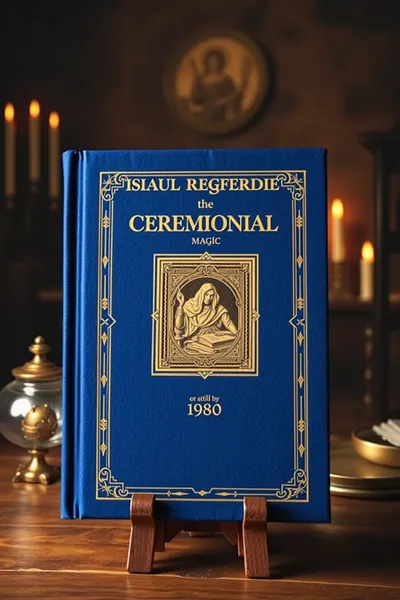



More Free Magic & Ritual Books
View all →